



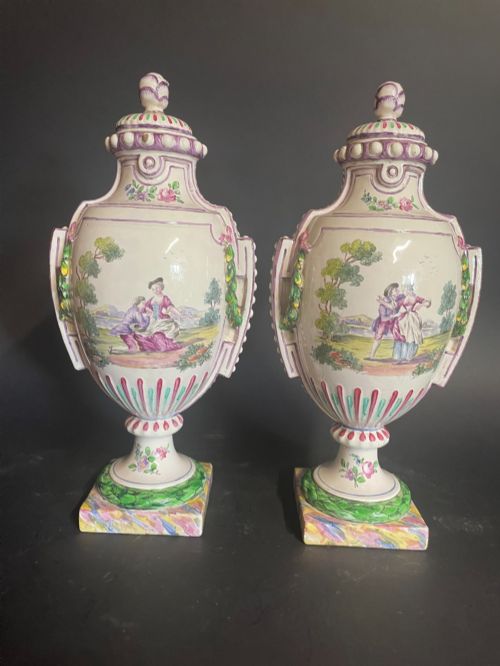
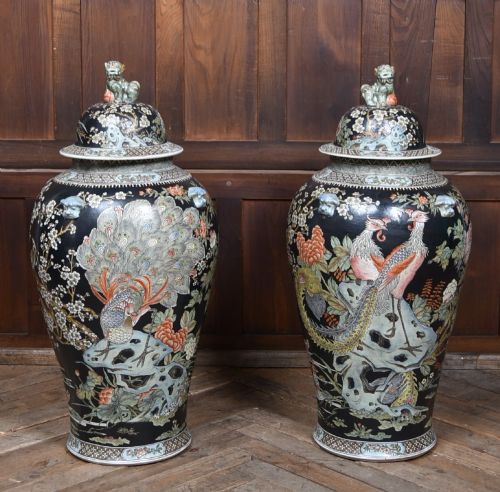
Porcelain Urn with Cover
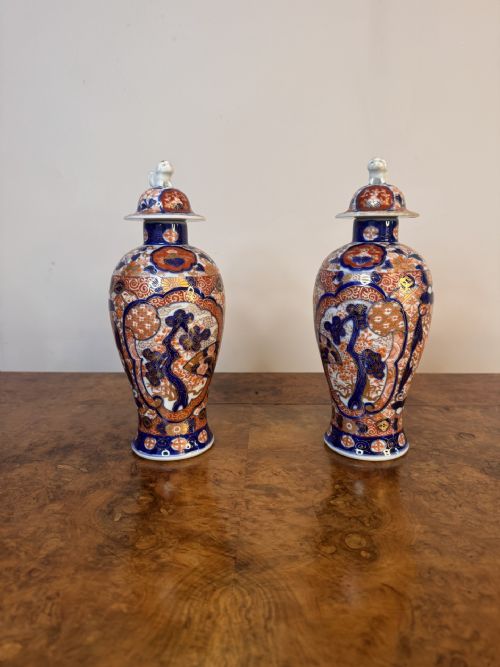
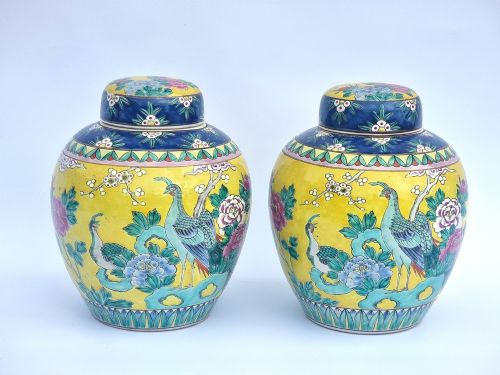
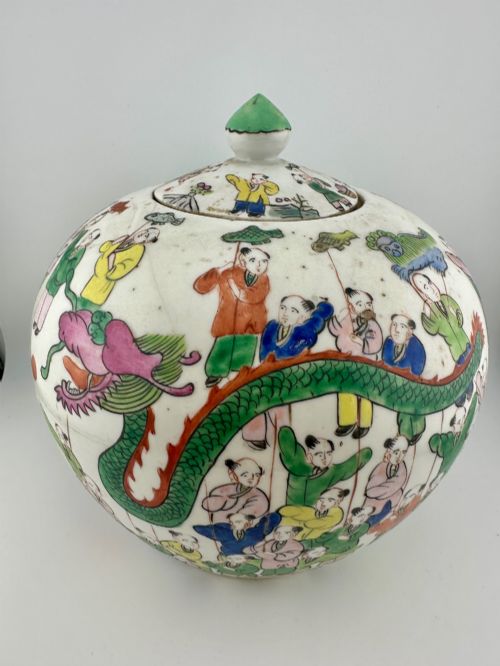
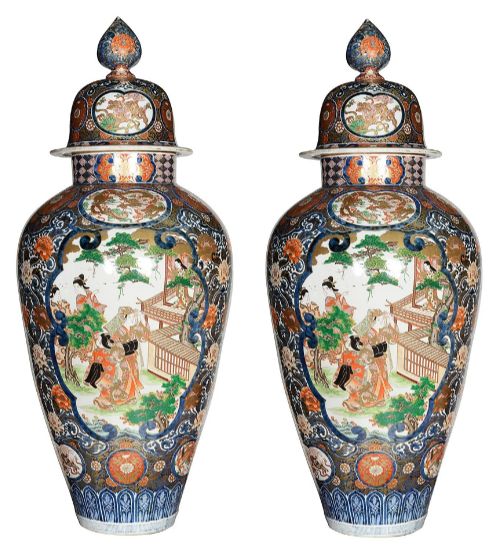
A porcelain urn with cover brings classical form and painted detail to a room, ranging from Regency Worcester to Edwardian blush ivory.
Porcelain Urn with Cover
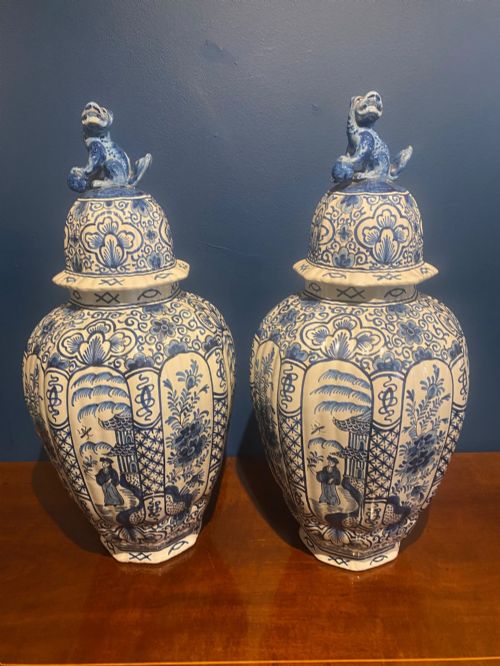
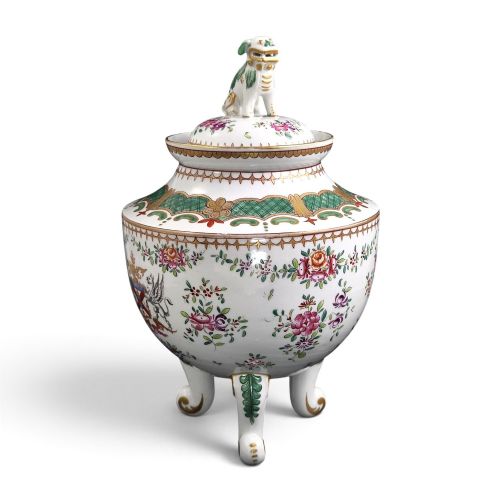
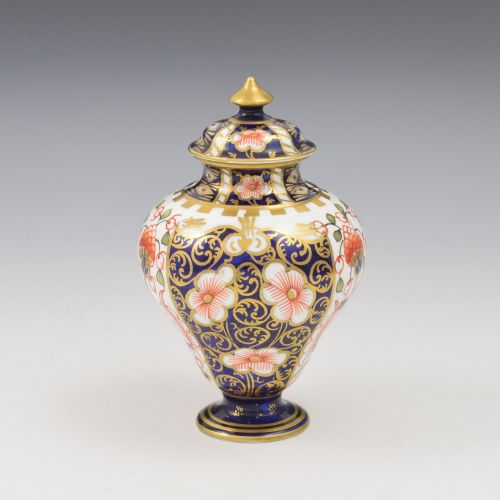
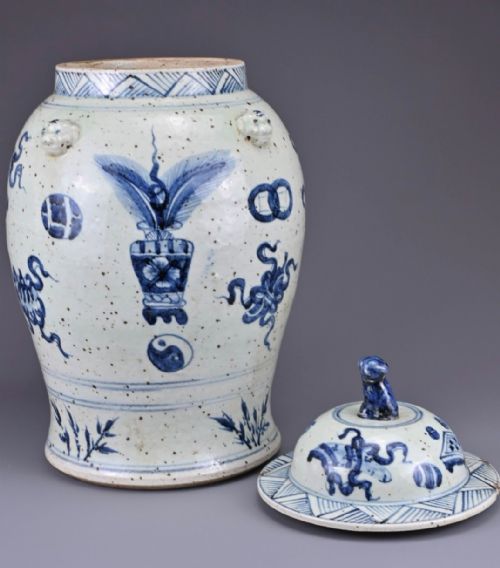
When you search for a porcelain urn with cover, you encounter lidded vessels produced across the nineteenth and twentieth centuries in various European and Asian traditions. The pieces take forms such as classical amphorae, pedestal vessels, and temple jars intended for display.
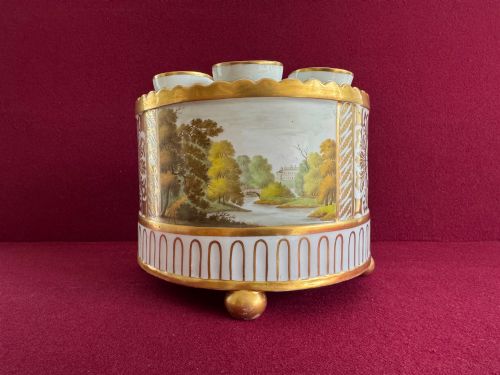
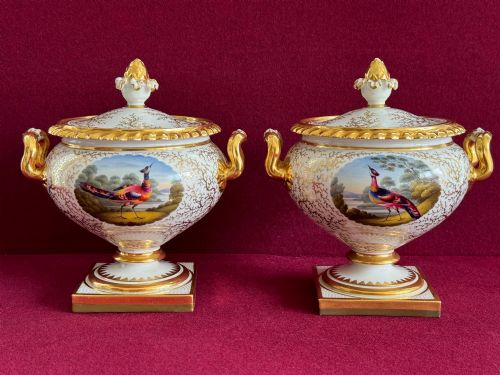
The version you are most likely to meet on this page dates from the nineteenth century, including Victorian productions and French nineteenth-century interpretations. These items often feature hand-painted scenes, gilt handles, and matching lids.
Origin points span English potteries like Worcester and Coalport alongside continental factories such as Vienna, Sevres, and Dresden, plus Japanese Satsuma wares. Makers applied styles from Regency and Empire to Chinoiserie and French Rococo Revival.
How they were made
Potters shaped ceramic, porcelain, earthenware, and silicon china bodies on the wheel or in moulds before firing. Decoration relied on enamel paints, hand-painted motifs, and transfer prints depicting birds, fruit, figures, and botanical scenes.
Finishing touches involved the application of gold leaf, heavy gilding, and gilt metal or ormolu mounts. Covers were turned to fit individual vessel necks precisely, creating a unified silhouette.
Porcelain Urn with Cover Retail Price Guide 2026
Typical asking prices for porcelain urn with cover among the pieces listed under this phrase on Sellingantiques today, from the lower quarter to the upper quarter. They describe what is for sale here now, not the wider market.
Materials span traditional porcelain and earthenware alongside ormolu, gold leaf, and gilt metal mounts.
What varies in quality
The calibre of painting dictates the distinction between standard production and exceptional examples, particularly when artists rendered detailed figures, exotic birds, or delicate fruit studies by hand. Named artists and signed works elevate the standing of a piece.
Mounts and hardware introduce another tier of variation, where heavy cast ormolu and intricate gilt handles contrast with simpler ceramic finishes. The crispness of the porcelain moulding and the preservation of original scale blue grounds or blush ivory glazes determine the overall merit.
Chamberlain Worcester·Vienna·Spode·Helena Wolfsohn Dresden·Royal Winton·Coalport·Flight Barr And Barr·Hadley S Worcester·Royal Crown Derby·Royal Worcester
The Porcelain Urn with Cover Glossary
- Amphora
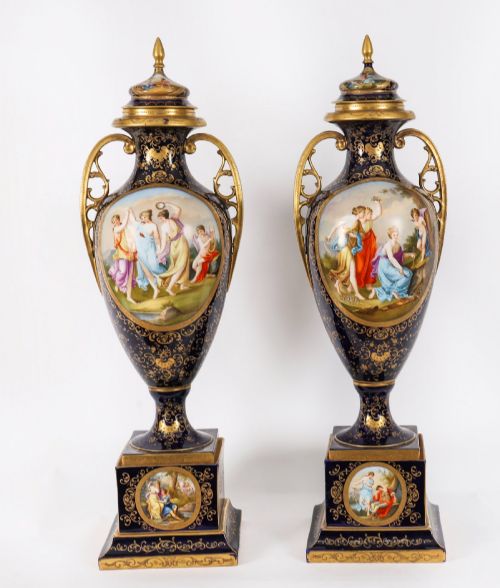
- A two-handled jar with a narrow neck used in classical antiquity and revived in nineteenth-century Vienna porcelain design. These vessels frequently rest on fixed pedestal bases.
- Ormolu
- Gilded bronze mounts applied to the base, handles, or rim of ceramic vessels. French makers utilised this technique extensively during the nineteenth century.
- Imari
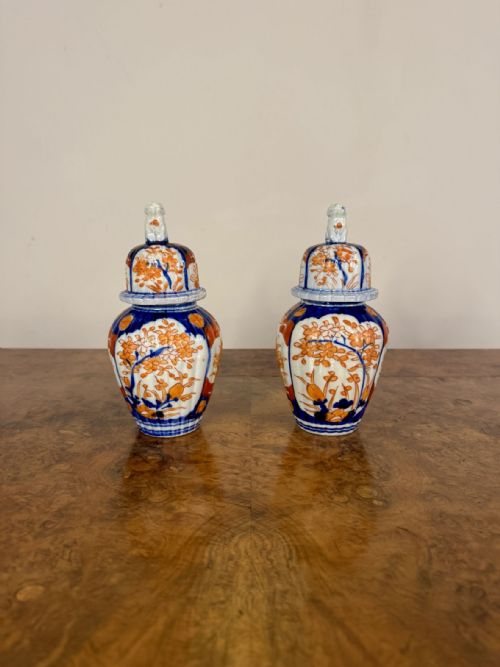
- A style of ceramic decoration featuring iron-red, cobalt blue, and gold ornamentation. The aesthetic originated in Japan and influenced European porcelain factories.
- Blush ivory
- A matte cream-coloured porcelain ground developed by Royal Worcester in the late nineteenth century. It typically serves as a backdrop for soft floral and animal painting.
- Koro
- A Japanese incense burner fitted with a pierced cover. These pieces often carry traditional crests and intricate Satsuma enamelling.
Porcelain Urn with Cover: Frequently Asked Questions
How were lidded urns used historically?
These covered vessels served primarily as decorative garnitures on mantelpieces, sideboards, and pedestals within formal nineteenth-century interiors. Some forms, such as Japanese koro, functioned practically to burn incense.
Larger scaled pieces acted as architectural focal points in a room rather than functional containers. Their lids remained in place to complete the classical silhouette of the vase.
How do I care for antique porcelain?
Dust surfaces gently with a dry, soft brush to protect delicate gilding, enamel work, and applied ormolu mounts. Avoid using chemical cleaners or immersing painted pieces in water.
Keep vessels away from direct sunlight to prevent the fading of hand-painted Watteau scenes, exotic birds, and botanical motifs. Handle covers with care as they rest loosely on the vessel necks.
How can I tell a Regency urn apart from a Victorian one?
Regency pieces often display neoclassical restraint, drawing on ancient Greek and Roman amphora shapes with crisp white porcelain and refined gilding. Makers like Chamberlain Worcester typify this period.
Victorian examples frequently embrace richer colour palettes, scale blue grounds, and heavier ornamentation such as French Rococo Revival scrollwork. The later nineteenth-century pieces also introduce blush ivory finishes and eclectic revival styles.
What is Satsuma ware?
Satsuma ware is a type of Japanese earthenware featuring a crackled creamy glaze decorated with enamel and gold. Pieces from the Meiji period often incorporate detailed figurative scenes and family crests.
Master artists signed these works, which were produced for both domestic use and export to Western markets during the late nineteenth century.