






Porcelain Temple Jar
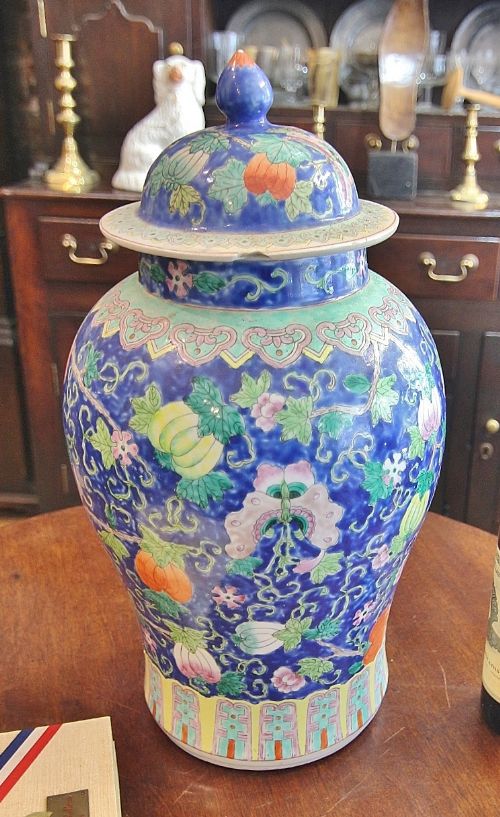
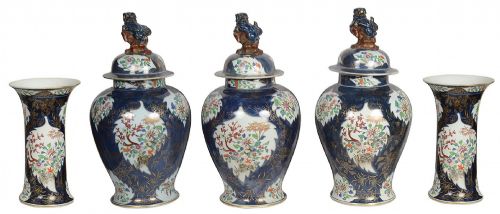
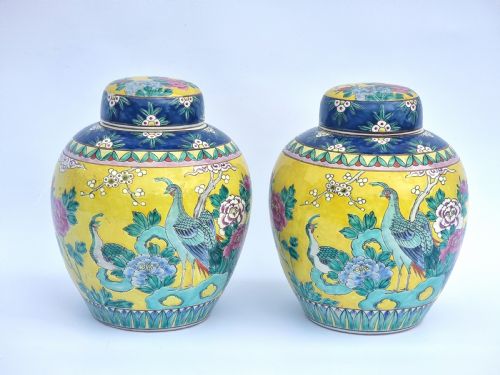
These porcelain temple jar pieces unite centuries of craftsmanship, offering striking display forms that anchor traditional interiors.
Porcelain Temple Jar
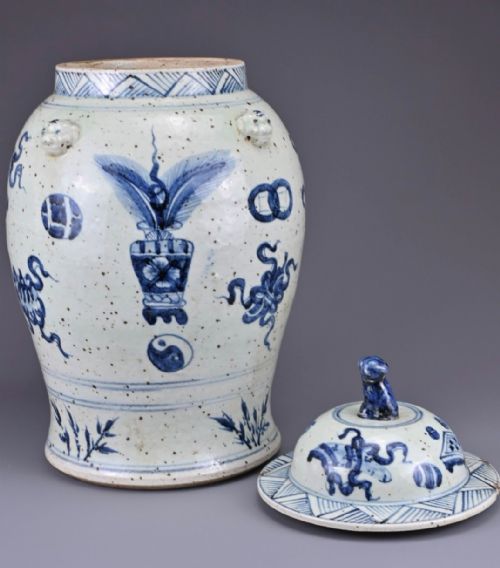
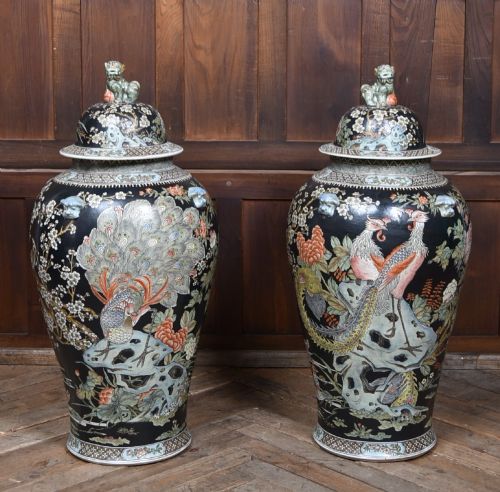
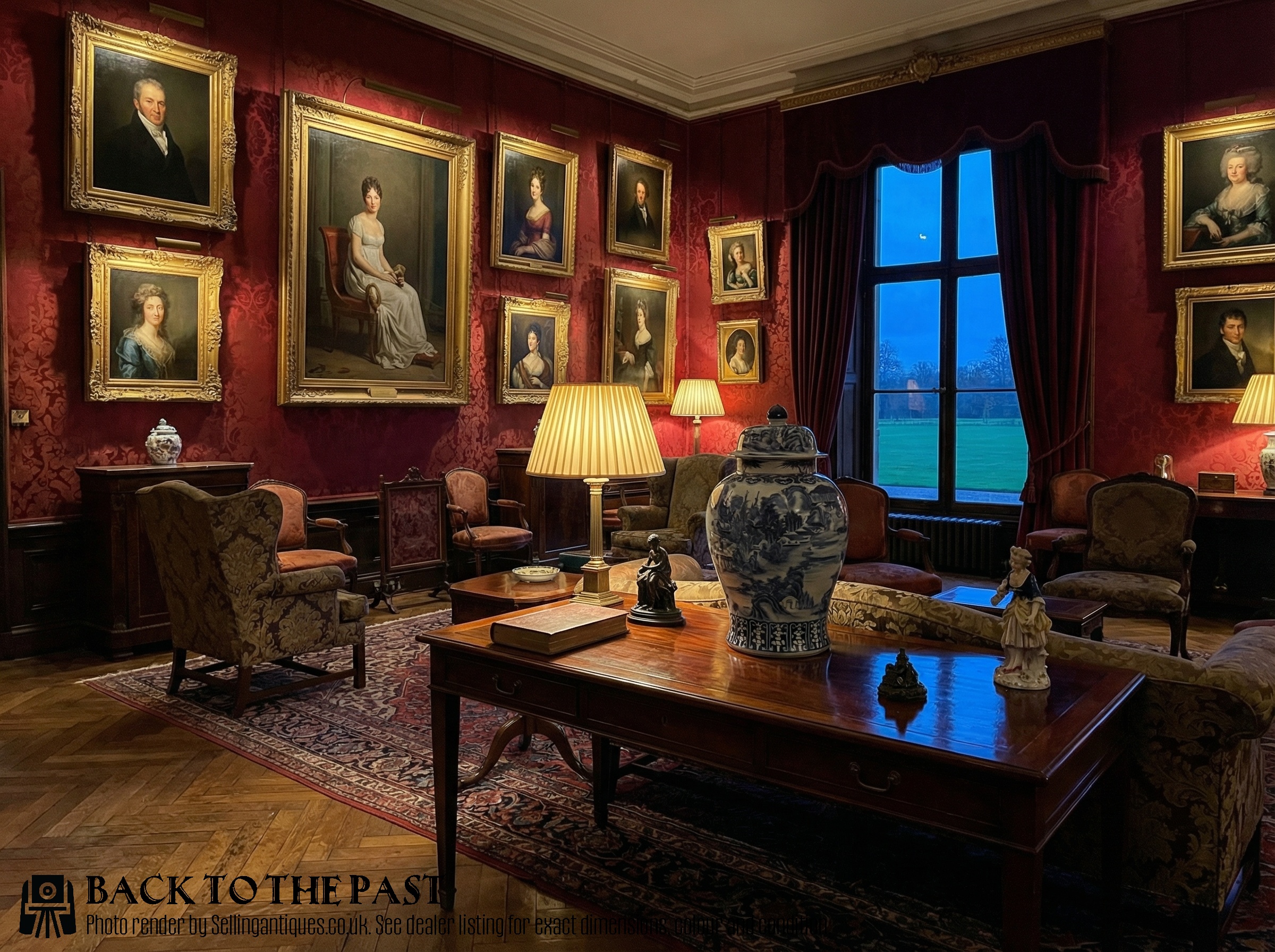
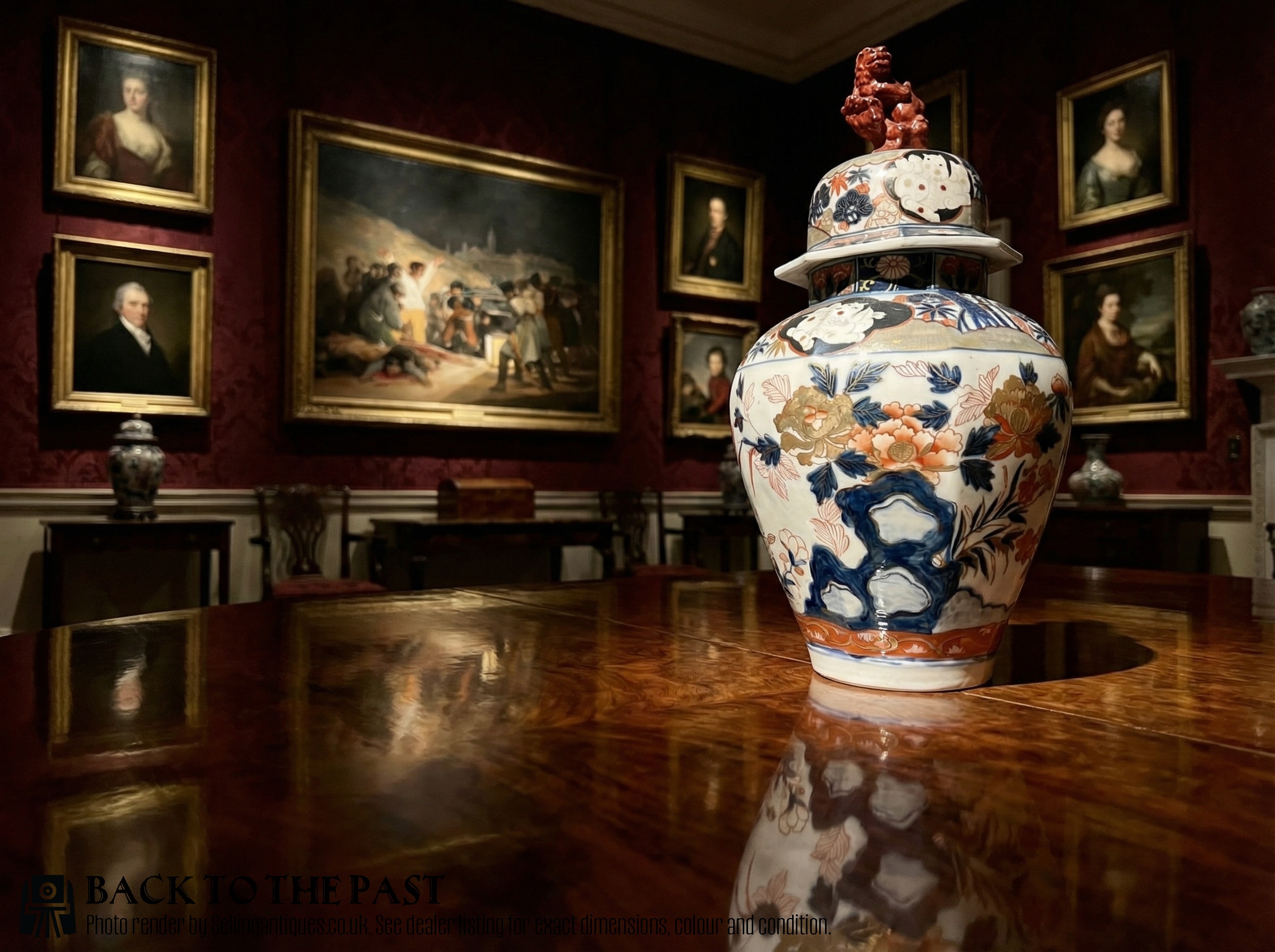
A porcelain temple jar is a decorative ceramic vessel originating in Asian traditions, designed with a fitted cover and generous proportions. Buyers searching for a porcelain temple jar encounter large palace floor jars, lidded ginger jars, and baluster shapes spanning the seventeenth to twentieth centuries.
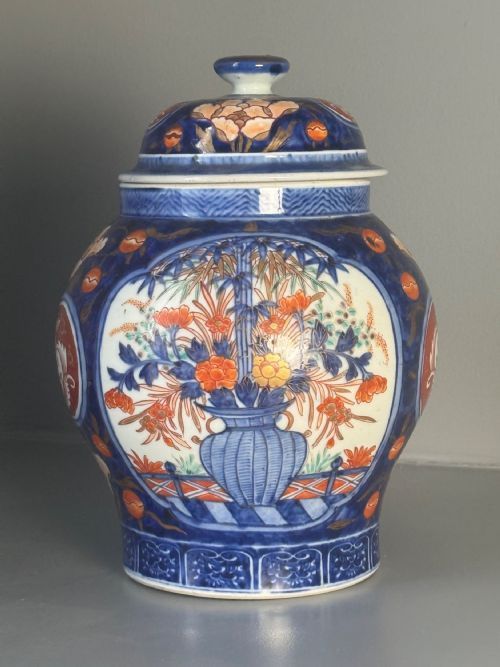
The selections on this page draw from Chinese blue and white wares, Japanese Imari palettes, and Satsuma styles. Many examples display traditional motifs originating in the Qing Dynasty, Edo period, and Meiji period.
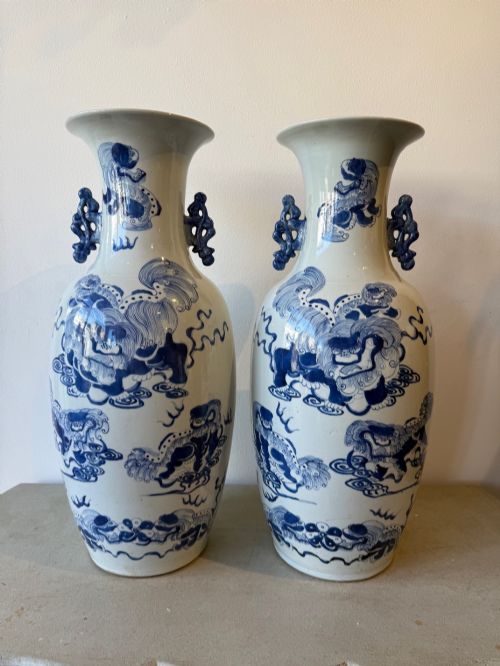
The most common formats include lidded pairs and monumental floor vases decorated with hand-painted scenes, panels, and floral sprays. Collectors also find converted table lamps retaining their original ceramic bodies and covers.
Distinctions in quality
Quality rests in the precision of the hand-painted brushwork and the clarity of the underlying glaze. Superior vessels display crisp cobalt pigments or vibrant polychrome enamels without bleeding or muddiness.
The integrity of the form, particularly the matching of covers to bodies in lidded pairs, dictates desirability. Heavier throwing weight, well-defined foot rims, and crisp moulding separate standard production from monumental or fine artistic pieces.
Porcelain Temple Jar Retail Price Guide 2026
Typical asking prices for porcelain temple jar among the pieces listed under this phrase on Sellingantiques today, from the lower quarter to the upper quarter. They describe what is for sale here now, not the wider market.
The inventory records Japanese Imari, Chinoiserie, Qing Dynasty, and Edo Period styles across various vase and jar forms.
Samson·Yamashu·Masons Ironstone
The Porcelain Temple Jar Glossary
- Imari
- A style of Japanese porcelain decorated in underglaze blue, iron red, and gold, named after the port of export. This palette became widely imitated across Europe during later centuries.
- Ginger jar
- A broad-shouldered ceramic vessel with a short neck and flat-rimmed cover, originally used to store spices. These containers evolved into purely decorative interior objects.
- Baluster
- A vase form featuring a rounded body that tapers toward the base and swells near the shoulder. This silhouette provides a balanced surface for complex painted panels.
- Satsuma
- Japanese earthenware featuring a crackled ivory glaze decorated with polychrome enamels and gilding. These pieces were produced extensively during the late nineteenth century.
- Doucai
- A Chinese porcelain technique combining underglaze blue outlines with overglaze enamel infill. This method creates a layered, contrasting surface design.
Porcelain Temple Jar: Frequently Asked Questions
How were temple jars originally used?
These vessels originally served as utilitarian storage containers for spices, oils, and other valuable commodities traded across Asia. Over time, their refined forms transitioned into decorative display objects placed in domestic interiors and temples alike.
Larger floor jars and covered vases eventually became symbols of status and artistic taste. Wealthy households displayed them on tables, pedestals, or flanking fireplaces to showcase imported craftsmanship.
Are these jars waterproof?
Most antique porcelain and earthenware vessels feature glazed interiors that were fired to hold dry or liquid contents securely. However, hairline fractures or historical repairs can compromise the watertight integrity of older ceramics.
For this reason, collectors generally avoid filling antique jars with water for fresh floral arrangements. Placing a modern glass liner inside the vessel protects the historic ceramic body from moisture damage.
How do I distinguish Edo and Meiji periods?
Edo period ceramics typically reflect restrained classicism, with underglaze blue and early Imari palettes dominating the output. The brushwork focuses on traditional motifs executed with strict adherence to classical forms.
Meiji period pieces often display denser decoration, heavier gilding, and more experimental polychrome enamels as production expanded for international export. Satsuma wares and highly detailed Kutani pieces flourished particularly during this later era.