





Porcelain Plaque Painting
Porcelain plaque painting brings together delicate ceramic surfaces and fine artist brushwork, offering interiors a rich touch of historical portraiture and narrative scenes.
Porcelain Plaque Painting
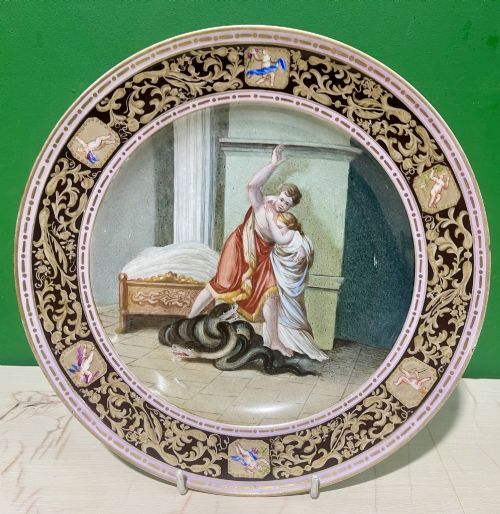
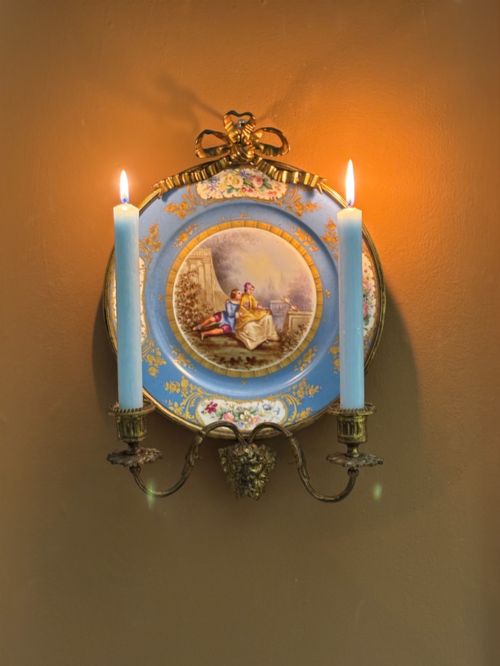
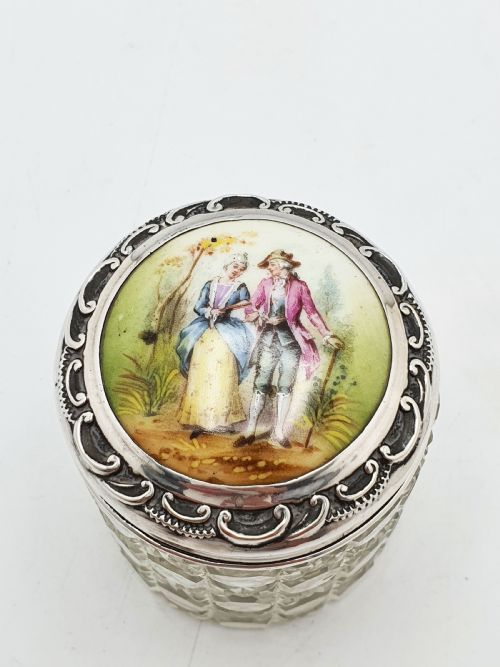
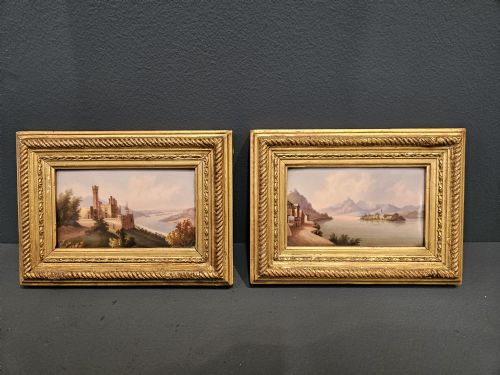
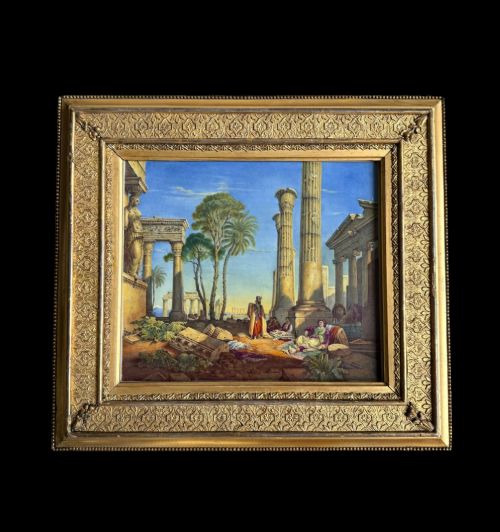
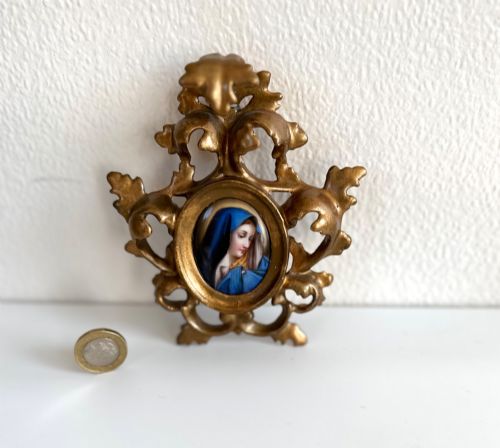
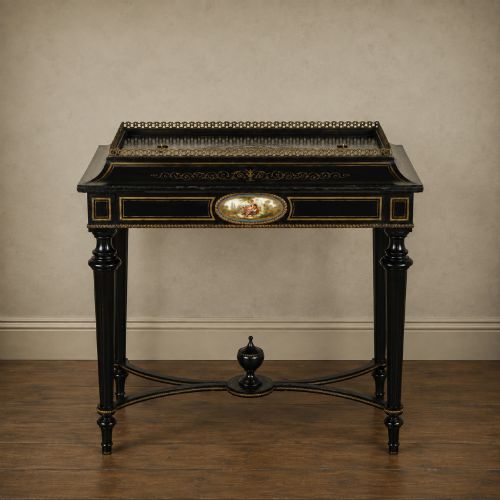
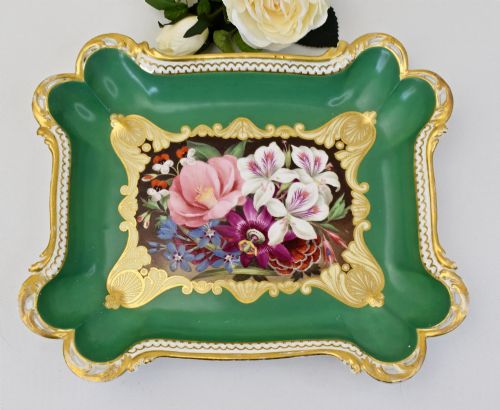
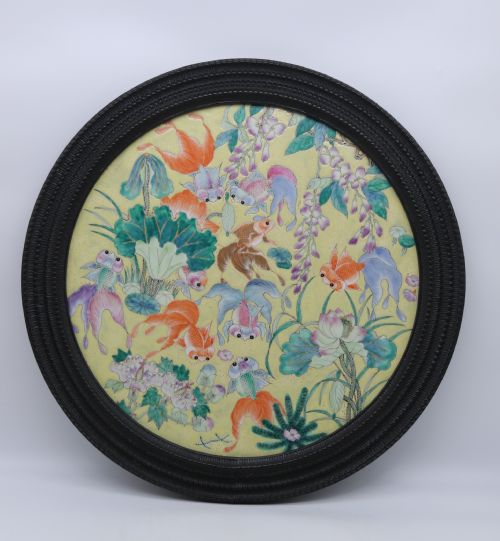
A porcelain plaque painting presents detailed artistic compositions fired directly onto ceramic surfaces rather than traditional canvas or paper. Buyers seeking this phrase encounter works ranging from independent wall art to decorative panels mounted within furniture, vanity jars, and library book holders.
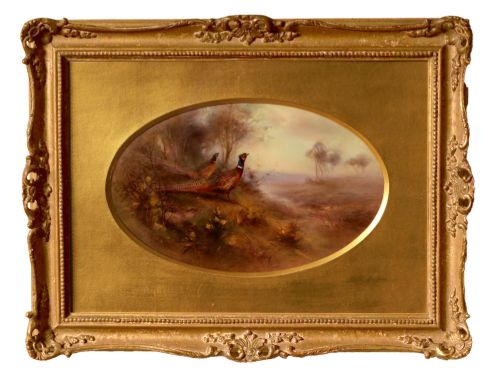
The objects span multiple manufacturing centres across Europe and Asia, with strong representation from nineteenth century German factories and English porcelain works. Collectors frequently meet framed portrait miniatures, classical narrative scenes, and floral or avian studies executed during the Victorian and Edwardian eras.
Forms extend beyond standalone wall plaques to encompass cabinet plates, decorative chargers, and architectural furniture mounts. These pieces function simultaneously as fine art displays and decorative objects designed to enrich period interiors.
Materials and Techniques
Artists utilise smooth white porcelain blanks as a stable canvas for finely ground mineral pigments suspended in oil or water. Successive firings in kilns fuse the painted enamel colours into the glaze, securing permanence and deep gloss.
Many European and English plaques incorporate gilding, applying gold leaf or liquid gold highlights to frame the central painted narrative. Selected pieces sit within carved wooden frames, giltwood surrounds, or sterling silver mounts that protect the ceramic edge.
Porcelain Plaque Painting Retail Price Guide 2026
Typical asking prices for porcelain plaque painting among the pieces listed under this phrase on Sellingantiques today, from the lower quarter to the upper quarter. They describe what is for sale here now, not the wider market.
Several porcelain plaques capture historic figures and mythological deities engaging in surprisingly domestic fruit-eating habits.
Evaluating Quality
Quality rests primarily on the skill of the brushwork, distinguishing standard factory decoration from master artist output with signed attributions. Finer pieces demonstrate precise anatomical drawing, nuanced facial expressions, and sophisticated handling of light within historical or mythological scenes.
The purity of the porcelain body and the evenness of the final glaze layer influence overall visual depth. Superior mountings, such as custom carved frames or silver fittings, complement the standard of the ceramic painting within.
James Stinton·F. Kohle·Doe and Rogers·Wagner·Baldwyn
The Porcelain Plaque Painting Glossary
- KPM
- Königliche Porzellan-Manufaktur Berlin, a prominent German factory renowned for large, finely painted pictorial plaques. Their output often depicts classical literature and romantic figures.
- Charger
- A large decorative plate intended for display on a wall or sideboard rather than dining use. These pieces frequently carry elaborate mythological scenes across the central well.
- Enamel
- Vitreous coloured glass fused to the ceramic surface during kiln firing. This medium maintains vibrant hues across centuries without fading.
- Cabinet Plate
- A decorative ceramic plate produced primarily for display in glass-fronted cabinets. They often feature hand-painted portraits or landscape subjects by named artists.
- Imari
- A Japanese style of decorative ceramics featuring dense cobalt blue, iron red, and gilt detailing. Pieces often display intricate floral and panel designs.
Porcelain Plaque Painting: Frequently Asked Questions
How should I hang a heavy porcelain plaque?
Heavy porcelain plaques require secure wall fixings anchored directly into masonry or wall studs to support the combined weight of the ceramic and its frame.
Professional picture hangers or weight-rated mirror brackets prevent accidental slips while keeping the artwork level.
Were these paintings meant for walls?
Many porcelain plaque paintings were created specifically as framed wall art designed to replicate the impact of oil paintings on canvas.
Others served as functional or decorative components set into furniture, trays, and silver vanity items.
How do I clean painted porcelain surfaces?
Dust painted porcelain gently with a dry, soft microfibre cloth to remove surface particles without disturbing the glaze or gilding.
Avoid liquid cleaners, chemical sprays, or abrasive cloths that can damage delicate enamel pigments and gold leaf.
How can I identify nineteenth century plaques?
Nineteenth century pieces often display factory backstamps, handwritten artist signatures, or specific period framing styles such as ebonised wood or giltwood.
Stylistic cues like Neoclassical subject matter and Rococo Revival borders also point toward Victorian and continental European production dates.