



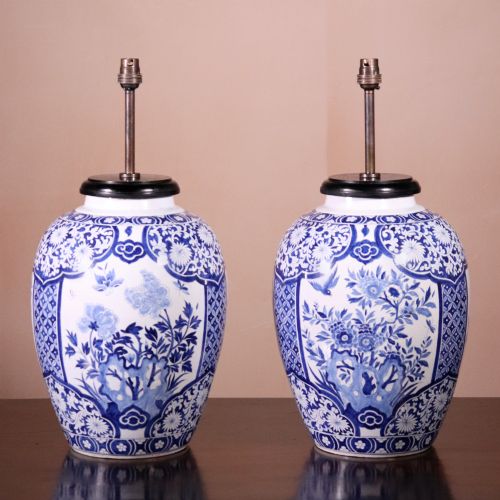


Porcelain Jar Table Lamp
When choosing a porcelain jar table lamp, you select a vessel that transforms historic ceramics into warm domestic illumination.
Porcelain Jar Table Lamp
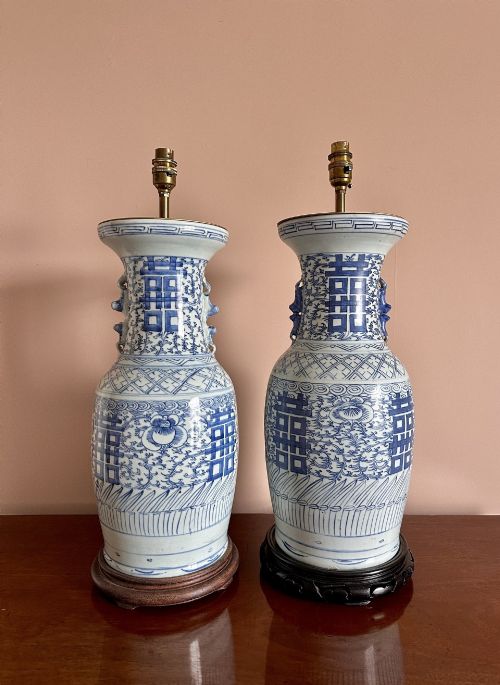
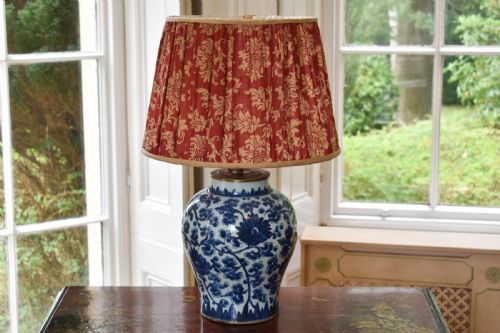
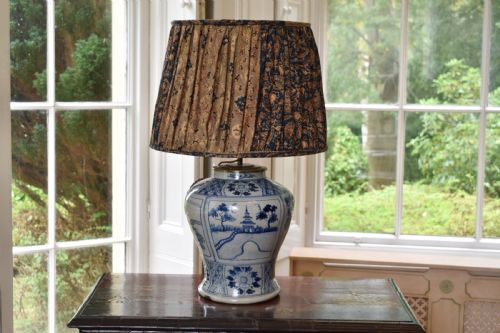
A porcelain jar table lamp repurposes historic lidded jars and vases into functional lighting for interiors. The pieces on this page draw predominantly from the nineteenth and eighteenth centuries, originating from Chinese and Japanese kilns alongside European porcelain houses.
Most examples take the form of ginger jars or larger baluster vases fitted for electricity. These vessels often display traditional palettes including blue and white, famille rose, famille verte, and celadon glazes.
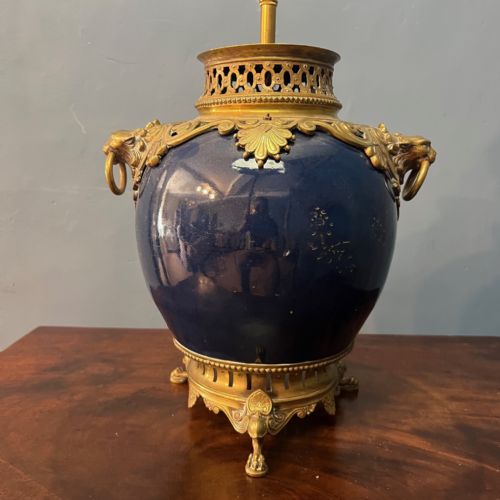
Makers adapted these ceramic forms using brass, gilt bronze, and ormolu mounts. The resulting table lamps bridge centuries of decorative arts traditions with modern domestic utility.
Materials and construction methods
Potters shaped these bodies from fine ceramic clays before applying cobalt underglazes or polychrome enamel decorations. Artisans then fired the porcelain at high temperatures to achieve durable vitrified finishes.
Metalworkers fitted the finished ceramic vessels with brass, gilt bronze, or ormolu mounts to secure electrical hardware and provide stable bases. Silk and fabric shades typically complete the upper structure of the lamp.
Porcelain Jar Table Lamp Retail Price Guide 2026
Typical asking prices for porcelain jar table lamp among the pieces listed under this phrase on Sellingantiques today, from the lower quarter to the upper quarter. They describe what is for sale here now, not the wider market.
Current listings feature eighteenth and nineteenth-century porcelain jar table lamps utilising brass, ormolu, and silk materials.
Evaluating the range of quality
Quality rests upon the crispness of the hand-painted ceramic decoration and the richness of the porcelain body. Finer nineteenth and eighteenth-century examples exhibit precise brushwork and balanced glaze depth.
The integration of metal mounts also defines the tier of the piece. Cast ormolu and heavy brass fittings demonstrate a higher degree of craftsmanship than simpler secondary hardware.
The Porcelain Jar Table Lamp Glossary
- Famille Rose
- A palette of opaque overglaze enamels dominated by pink or rose colours introduced during the Qing dynasty. This decorative style appears frequently on nineteenth-century porcelain jar table lamps.
- Celadon
- A transparent jade-green glaze over a pale grey or white clay body. The subtle crackle and tone indicate traditional East Asian ceramic techniques.
- Ormolu
- Cast bronze finished with a finely ground gold-mercury amalgam. This gilded metal frequently appears in mounts supporting nineteenth-century lamp conversions.
- Ginger Jar
- A broad-shouldered ceramic storage vessel with a domed lid. These utilitarian pots form the primary body style for many antique table lamps.
- Imari
- A Japanese export porcelain style featuring underglaze blue and overglaze iron red and gold. It remains a distinct decorative finish on nineteenth-century lamp bases.
Porcelain Jar Table Lamp: Frequently Asked Questions
How do I care for a porcelain jar table lamp?
Dust the ceramic body gently with a dry microfibre cloth to protect the historic glaze and enamel decoration. Avoid using harsh chemical cleaners that might damage the surface.
Inspect the electrical cord and internal wiring periodically to ensure safe operation. Consult a qualified electrician if the lamp requires rewiring.
Are these lamps converted from antique vases?
Many examples on this page originate from antique Chinese and Japanese porcelain vessels adapted for electrical components. Artisans mounted these jars to function as stable domestic table lamps.
Some pieces incorporate European porcelain manufactured specifically in historical Asian styles. Both categories preserve centuries-old ceramic artistry within modern lighting.
How do I identify eighteenth-century porcelain lamps?
Eighteenth-century examples typically display finer potting, thinner walls, and hand-painted details characteristic of early Qing or export periods. The ceramic body often shows distinct signs of age beneath the glaze.
Consulting the specific glaze style and mounting technique helps confirm the era. Nineteenth-century interpretations often feature heavier bodies and different mounting hardware.
What styles of decoration appear most often?
Blue and white floral patterns, prunus blossoms, and intricate figures dominate the available porcelain jar table lamps. These traditional motifs stem from Chinese export and Japanese Meiji aesthetics.
Polychrome palettes such as famille rose and famille verte also recur across nineteenth-century listings. Each style reflects the predominant export tastes of its respective period.