


Porcelain Figural Bowl
A porcelain figural bowl unites sculptural figures with functional vessels, offering a striking display piece shaped by diverse eras and international ceramic traditions.
Porcelain Figural Bowl
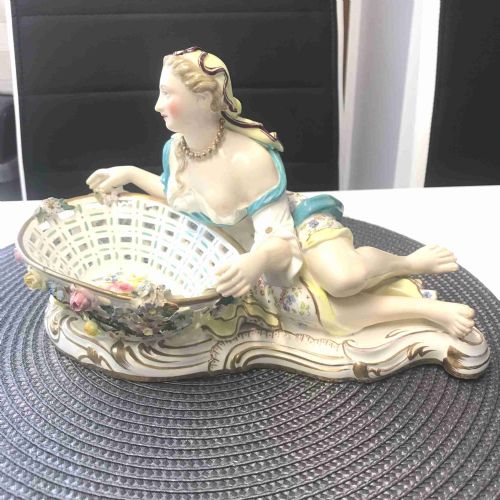
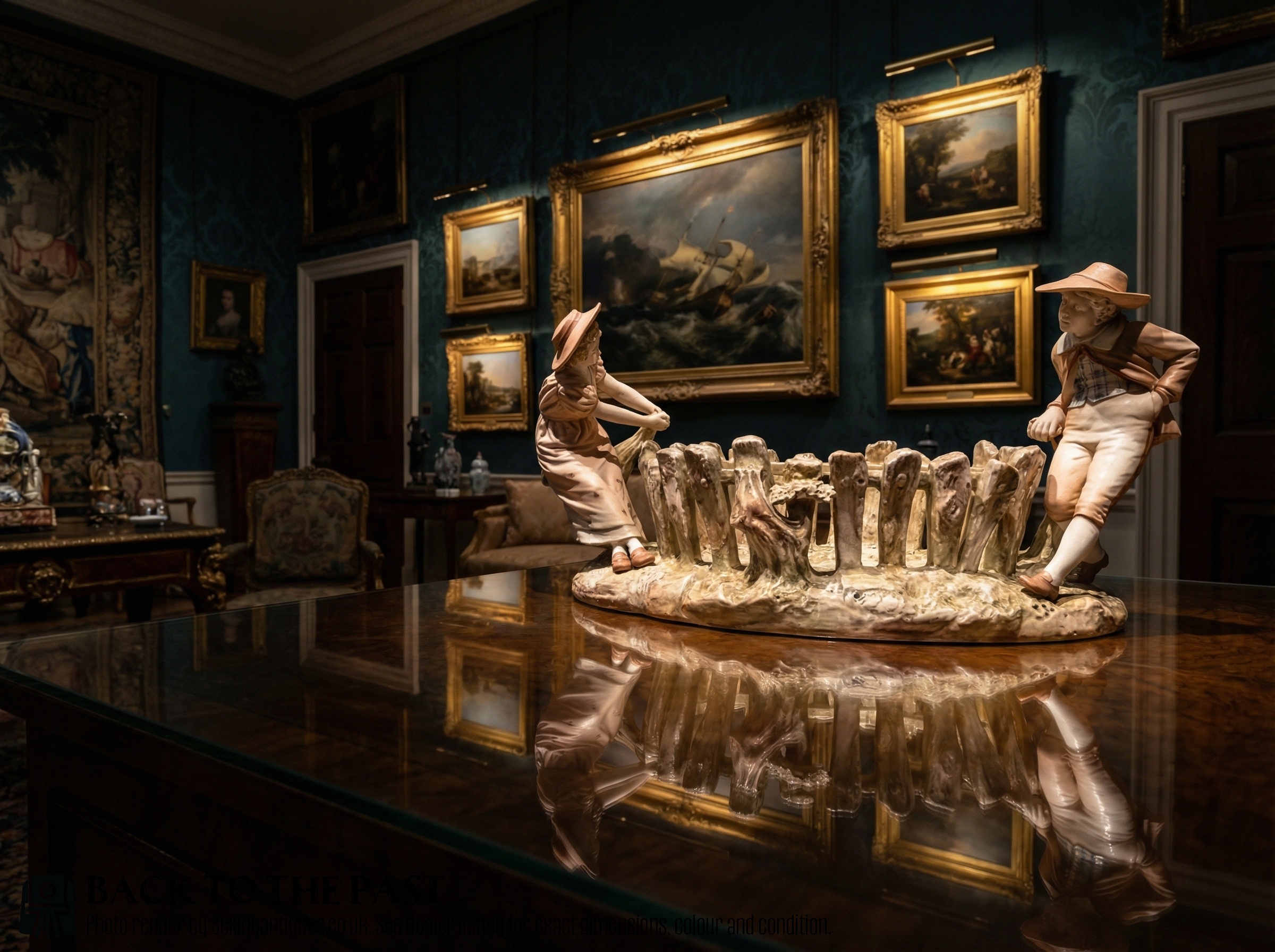
A porcelain figural bowl brings together sculpted human, animal, or mythical forms and a central vessel, functioning as a decorative centrepiece, sweetmeat dish, or powder bowl. When you search for a porcelain figural bowl, you encounter forms that range from Victorian and continental groups to Art Nouveau maidens and cherubs perched on shells.
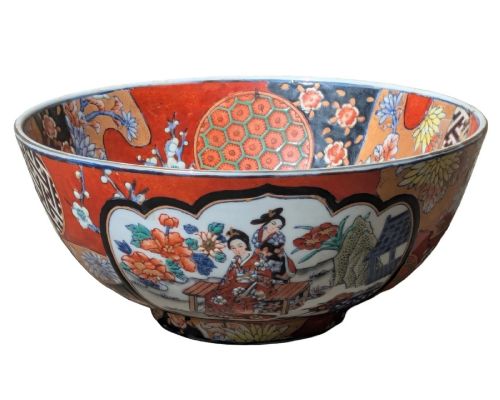
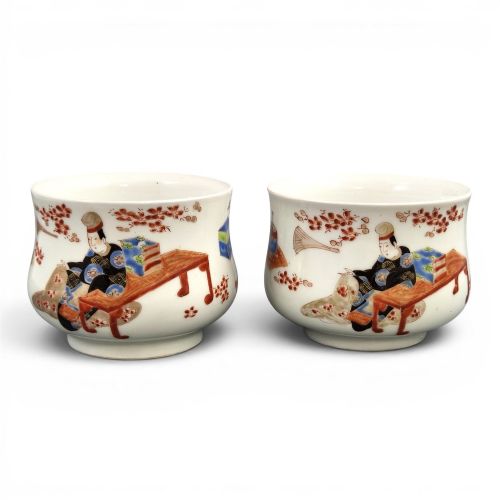
The pieces on this page span the eighteenth, nineteenth, and early twentieth centuries, drawing on European factories like Meissen, Royal Dux, and Dresden, alongside Japanese and Chinese ceramic traditions. You are most likely to meet elaborate centrepieces featuring figures such as bathers or cherubs, as well as smaller powder bowls and sweetmeat baskets.
Makers from various stylistic movements interpreted the form differently, applying Rococo Revival curves, Art Nouveau organic lines, and Art Deco geometry to the porcelain body. Each era contributed distinct sculptural motifs, turning a simple bowl into an expressive figurative tableau.
How they were made
Potters shaped these pieces using hard-paste porcelain and standard porcelain bodies, often pairing modelled bisque figures with glazed vessel sections. Artisans built up complex centrepieces and figural groups in sections before firing them in kilns at high temperatures.
Decoration relied on cobalt glaze, enamel painting, and delicate application of gold leaf and gilding to highlight garments, hair, and architectural elements of the design. Workshops frequently combined hand-painting with moulded relief work to achieve intricate surface detail.
Listings feature hard-paste porcelain, enamel, gold leaf, cobalt glaze, and bisque porcelain across multiple centuries.
What varies in quality
Quality rests in the crispness of the modelling and the precision of the hand-painting on both the figures and the bowl. Finer pieces display finely rendered facial expressions and fingers on figures like maidens and cherubs, whereas simpler examples rely entirely on generalized factory moulding.
The application of enamel colours and gilding separates standard production items from superior works. Rich cobalt glazes, carefully burnished gold leaf, and vibrant polychrome enamels indicate a higher level of craftsmanship from factories such as Meissen or Royal Dux.
Ginshōtei Gyokushi·Royal Dux·Limoges·Royal Worcester·Meissen
The Porcelain Figural Bowl Glossary
- Bisque porcelain
- Unglazed porcelain fired once to produce a matte, porous surface with a texture resembling marble. It is frequently utilised for neoclassical and figurative sculptures.
- Hard-paste porcelain
- A durable ceramic composition fired at very high temperatures, made from kaolin and petuntse. It forms the basis of many fine European and Asian vessels.
- Enamel
- Vitreous coloured glass fused to the porcelain surface during a secondary low-temperature firing. It provides the vibrant palette seen on decorative bowls and tea wares.
- Comport
- A raised decorative dish or bowl supported by a stem, placed on a dining table for fruit or sweetmeats. It often incorporates figural stems in continental porcelain.
- Centrepiece
- A large decorative object placed in the middle of a table for display. These often feature elaborate figural groups or shell motifs.
Porcelain Figural Bowl: Frequently Asked Questions
What is a porcelain figural bowl used for?
These pieces served multiple functions across different periods, acting as table centrepieces for fruit, sweetmeat dishes for small confections, or powder bowls on dressing tables.
Larger figural centrepieces were primarily designed for visual display during formal dining, while smaller covered boxes held cosmetics or personal items.
How do I identify the period of a piece?
Dating relies on stylistic markers such as Rococo curves, Art Nouveau whiplash lines, or geometric Art Deco forms, alongside factory marks on the base.
Comparing the modelling style, enamel palette, and manufacturing technique to documented examples from makers like Royal Dux or Meissen helps narrow the date range.
Where were these bowls manufactured?
Production centres spanned major European ceramic hubs in Germany, France, and Bohemia, alongside historical export kilns in China and Japan.
European factories like Dresden and Limoges produced distinct regional styles, while Asian pieces reflected traditional Imari, Famille Rose, or blue and white aesthetics.