


Pop Up Davenport
These pop up davenport desks conceal clever stationery compartments beneath sliding or rising mechanisms that define Victorian ingenuity.
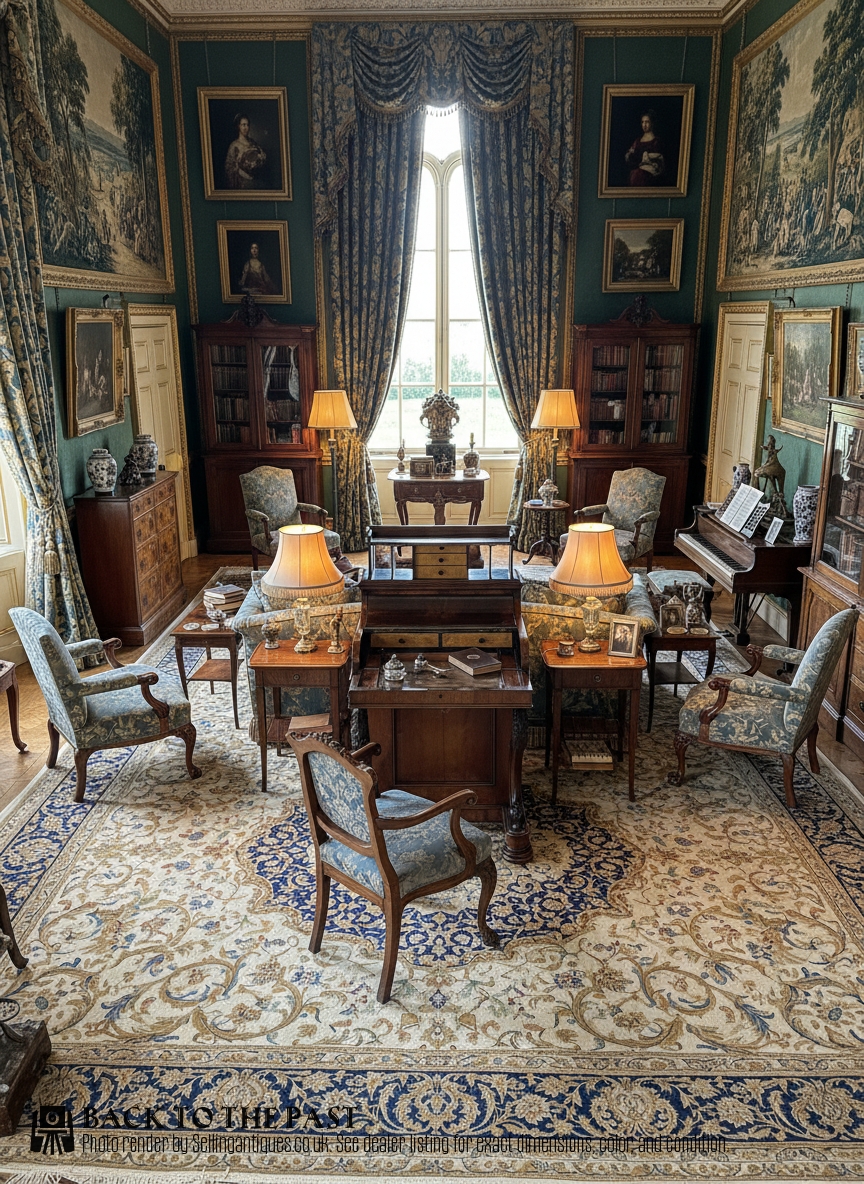
Pop Up Davenport
A pop up davenport is a compact writing desk originating in the nineteenth century, most commonly encountered from the Victorian period. These pieces combine a sloped writing surface with concealed drawers and superstructure compartments accessed via spring or sliding actions.
The material record shows a heavy reliance on burr walnut and plain walnut, often enhanced with rosewood and boxwood inlay. Desks frequently appear described as piano top variants, housing internal stationery fittings that rise when the main lid opens.
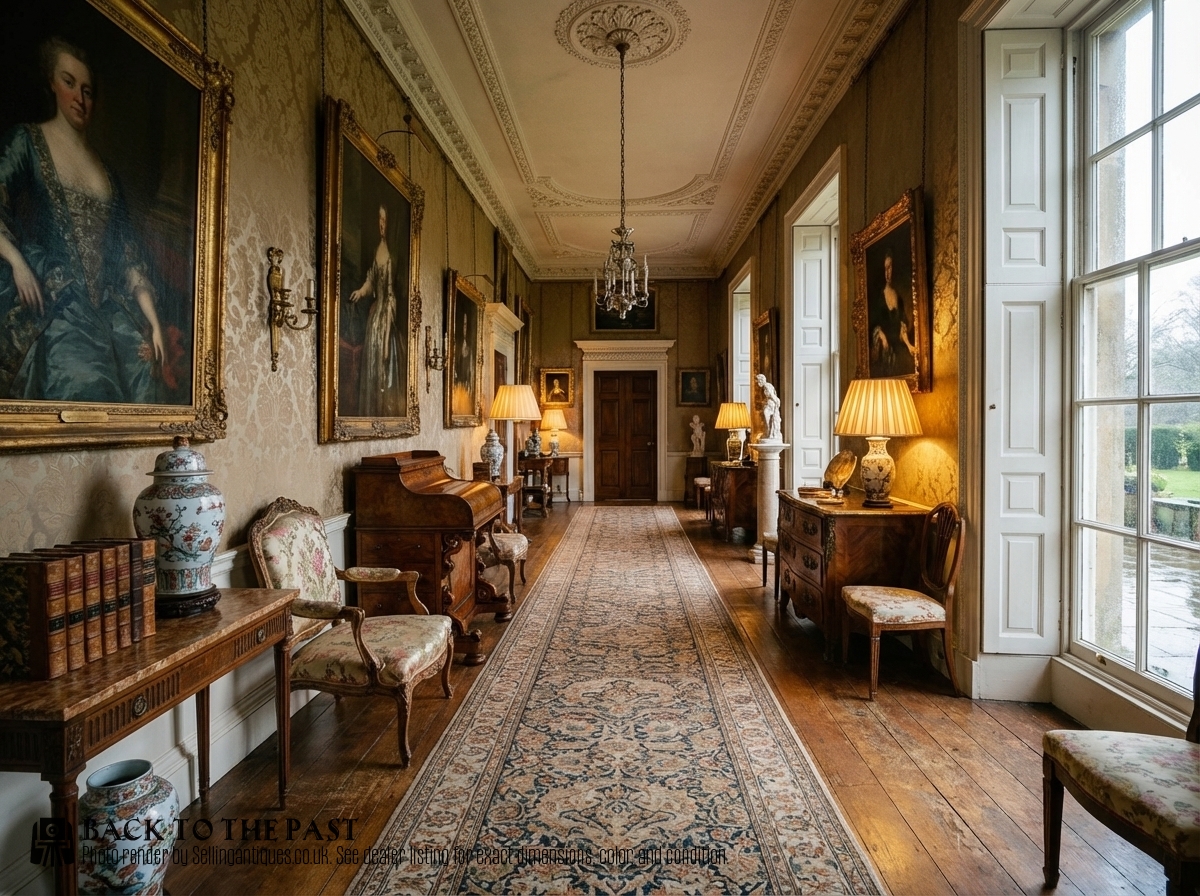
What varies in quality
Quality rests in the precision of the internal pop up mechanism and the uniformity of the burr walnut grain matched across the exterior. Superior examples display meticulous boxwood inlay and fluid action within the sliding writing box and stationery housing.
Pop Up Davenport Retail Price Guide 2026
Typical asking prices for pop up davenport among the pieces listed under this phrase on Sellingantiques today, from the lower quarter to the upper quarter. They describe what is for sale here now, not the wider market.
The listings on this site span the Victorian period from eighteen fifty to eighteen eighty, utilising burr walnut, rosewood, brass and leather.
James Shoolbred and Co
The Pop Up Davenport Glossary
- Burr Walnut
- A figured wood harvested from walnut tree growths, valued for its swirling patterns. Cabinet makers prized this veneer for principal exterior surfaces.
- Piano Top Davenport
- A variant desk featuring a roll or fold top resembling a piano fall, concealing internal rising stationery compartments.
- Pop Up Mechanism
- The internal spring or weighted gear system that elevates compartments when released. This engineering defines the working nature of the desk.
- Boxwood Inlay
- Fine decorative lines or motifs inserted into the primary walnut timber. This technique adds linear contrast to the desk exterior.
Pop Up Davenport: Frequently Asked Questions
How does a pop up davenport work?
The internal mechanism connects the main writing lid to a concealed superstructure holding small drawers and pigeonholes. Opening the desk triggers a spring or weight system that raises these compartments into view.
This clever engineering allowed Victorian writers to secure their correspondence instantly by simply closing the desk lid.
What periods do these desks date from?
Existing examples originate entirely within the nineteenth century, specifically the Victorian era between eighteen fifty and eighteen eighty. The records show sustained production across mid-Victorian decades.
Stylistic shifts during this period favoured burr walnut finishes and increasingly complex piano top housing mechanisms.
Where were these desks used in a home?
Victorian households utilised these compact writing desks in drawing rooms, boudoirs or private studies where floor space remained limited. Their finished backs allowed placement away from walls.
The integrated storage kept writing paper and inkwells neatly organised within a single piece of furniture.
Which woods appear most frequently on these desks?
Burr walnut forms the predominant exterior material across the surviving pieces, accompanied by plain walnut and occasional rosewood. Secondary woods like maple line the internal drawers.
Inlays executed in boxwood provide decorative contrast against the dark, figured walnut surfaces.