

Polychrome Wooden Statue
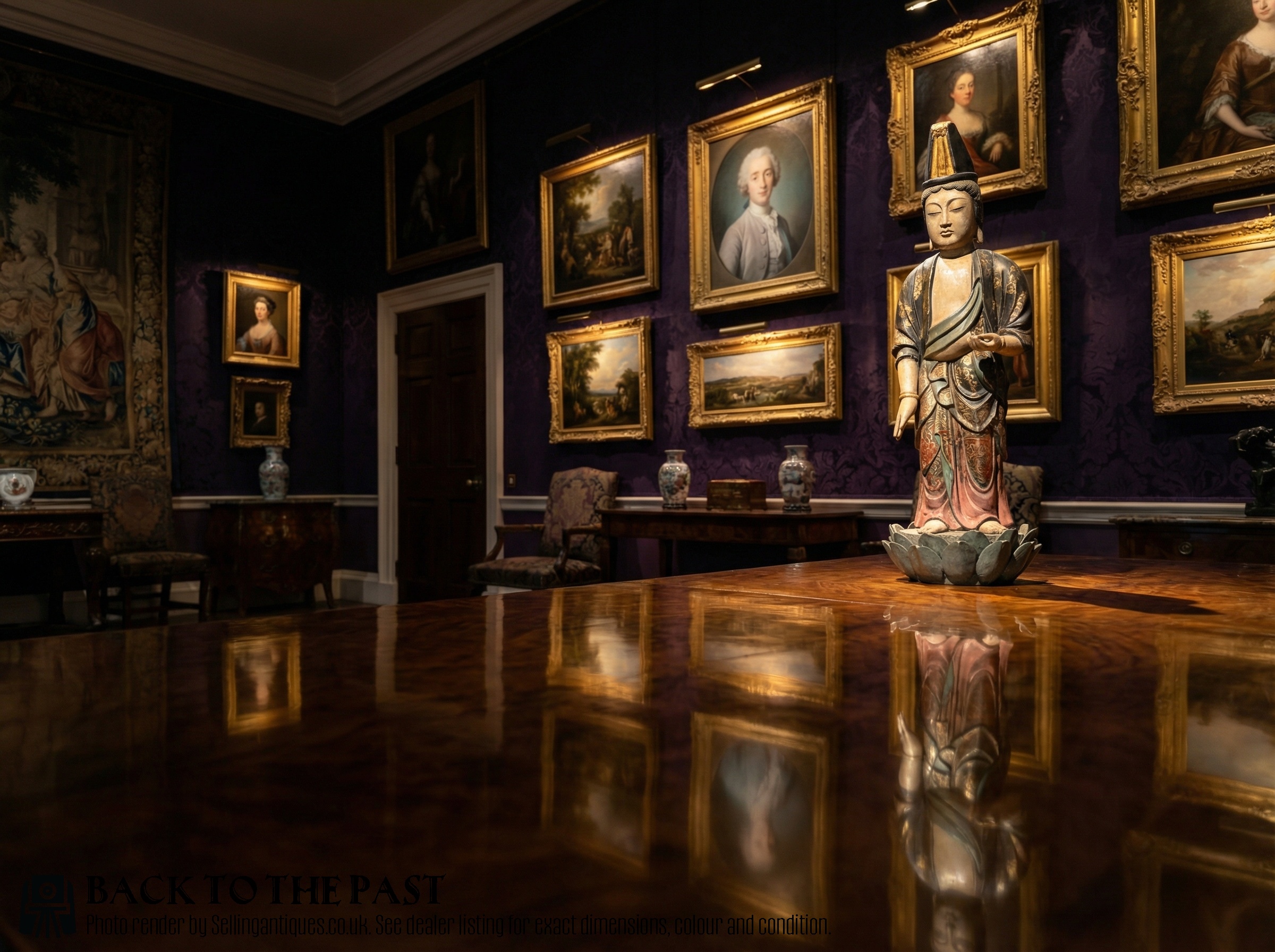
These polychrome wooden statue pieces bring centuries of carved pigment, sacred devotion and folk presence directly into a room.
Polychrome Wooden Statue
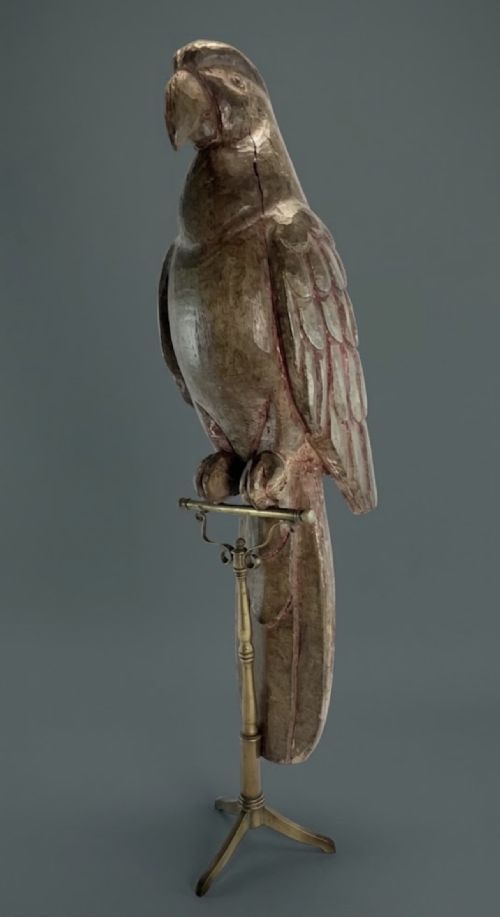
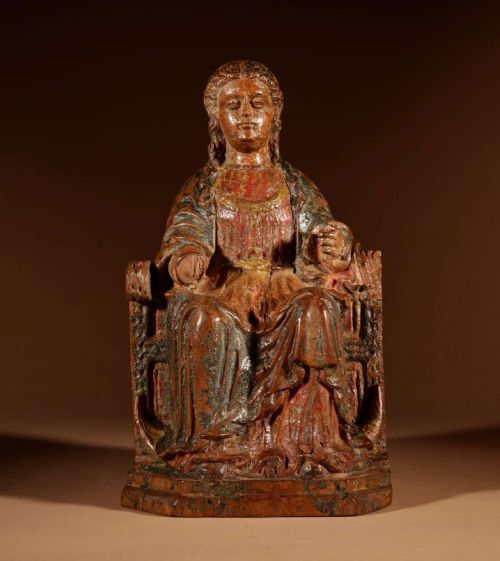
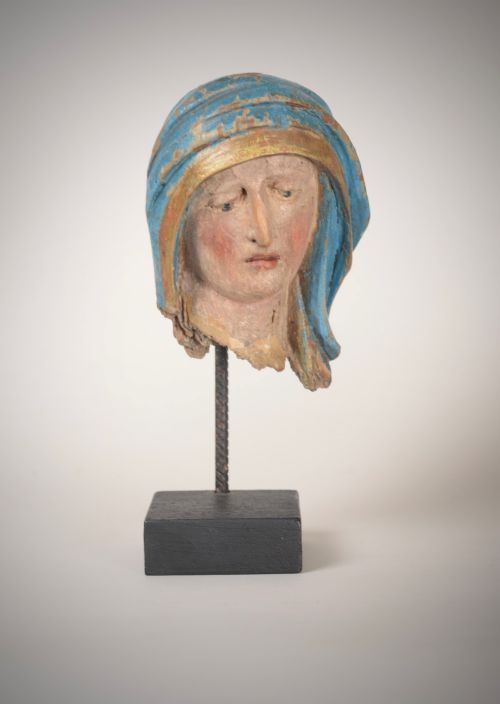
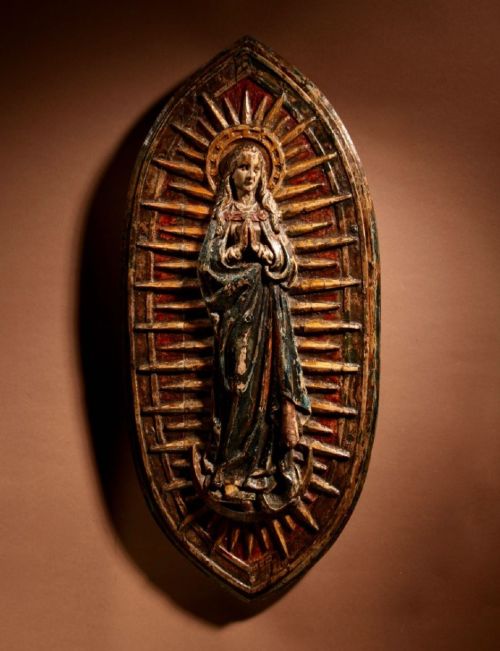
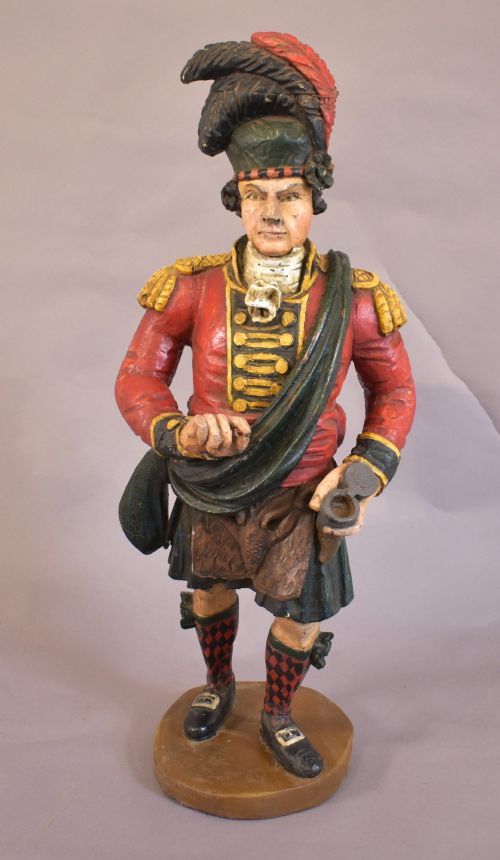
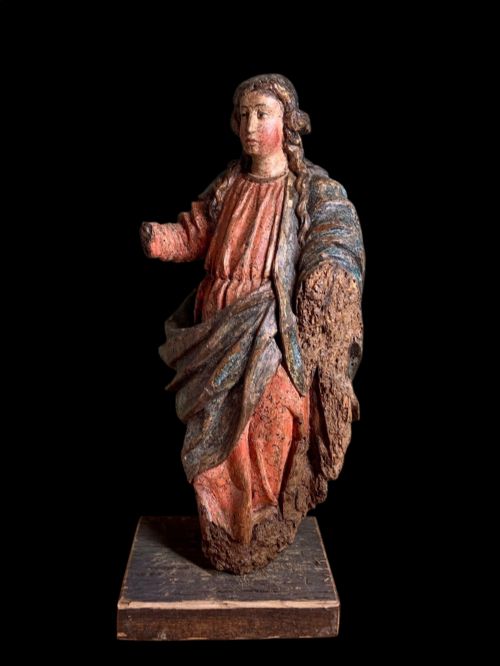
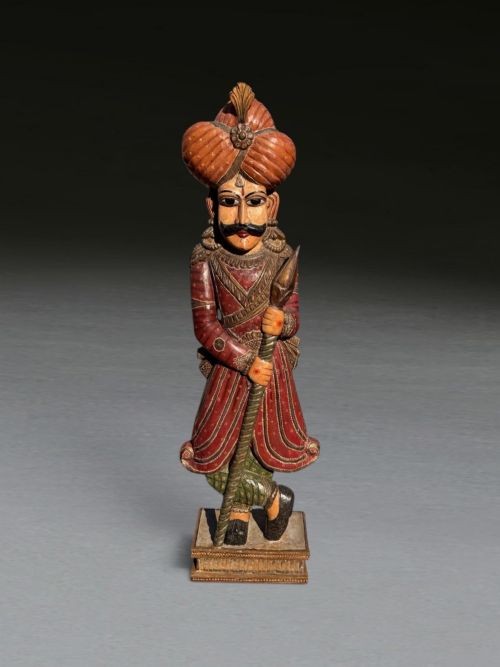
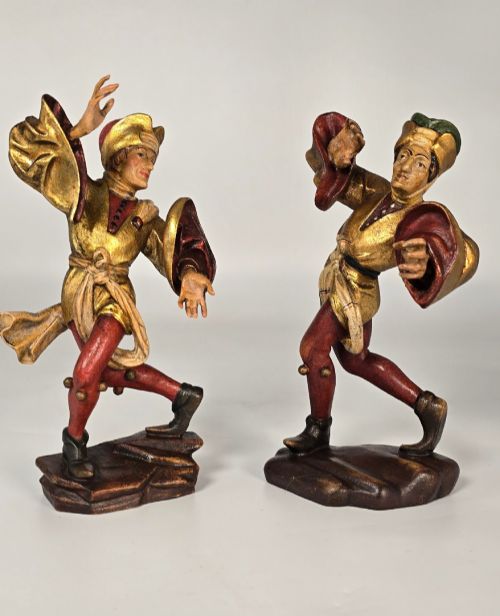
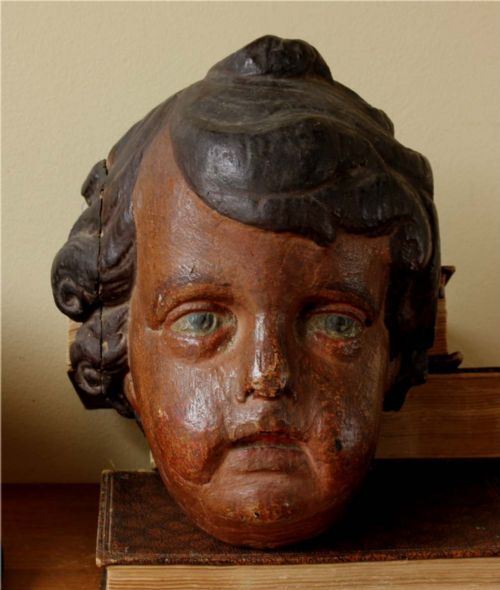
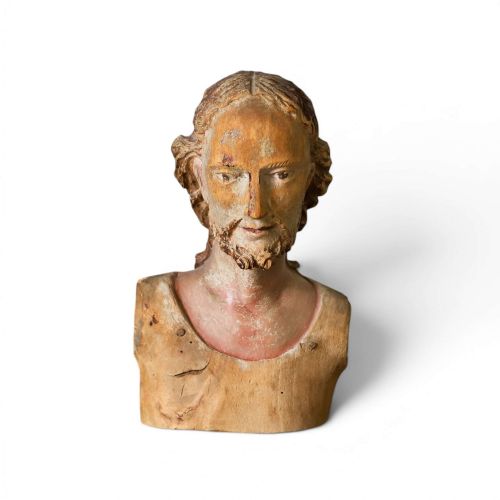
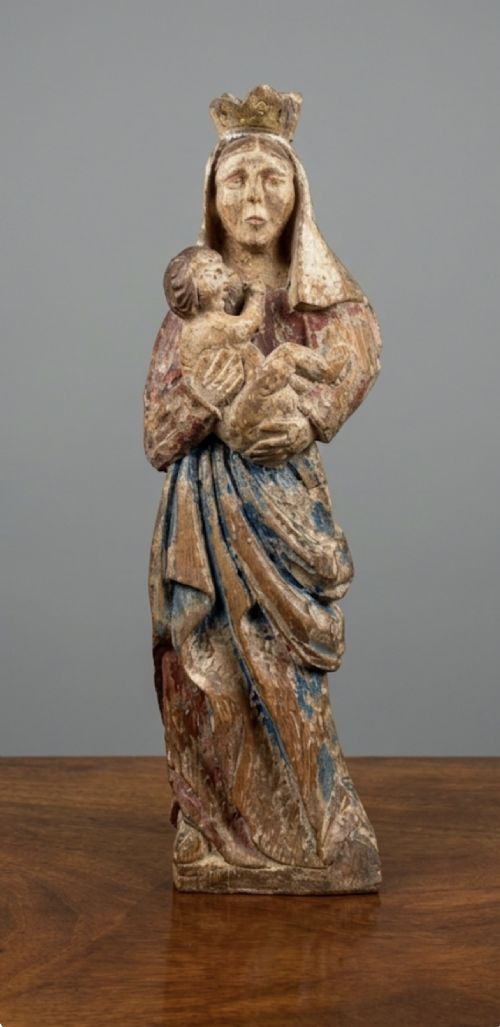
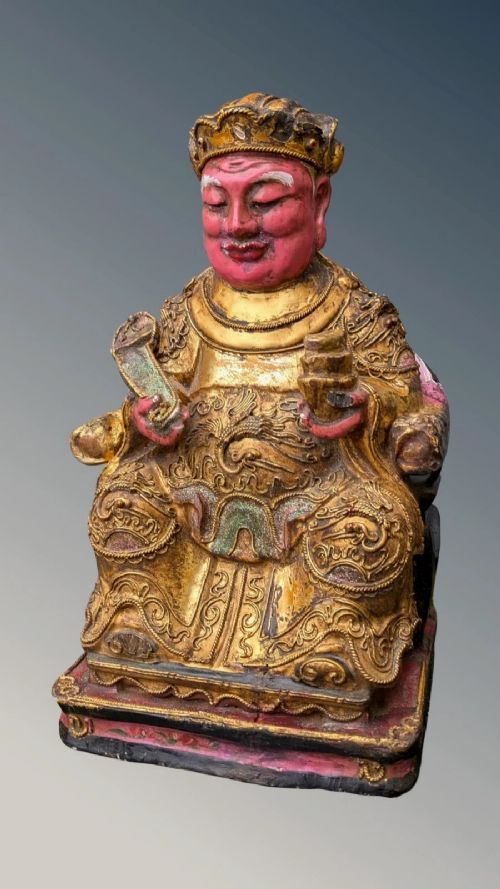
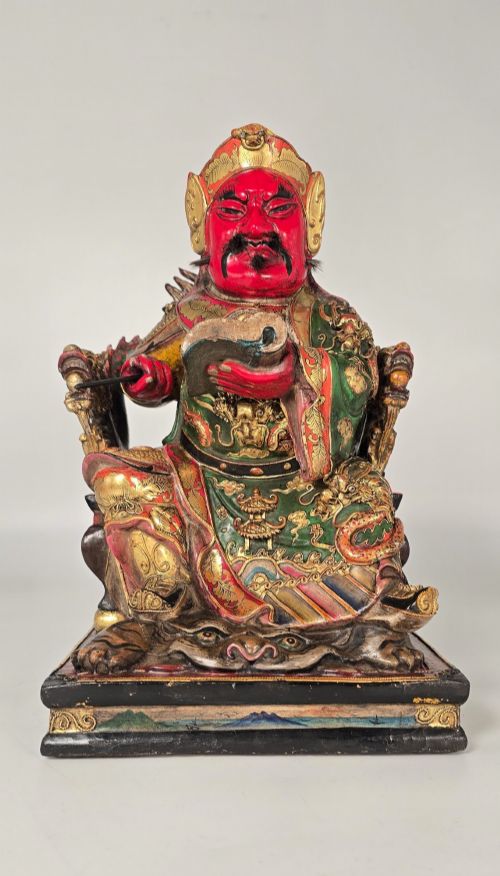
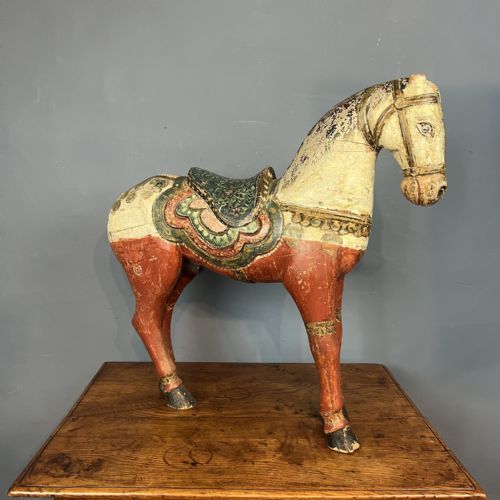
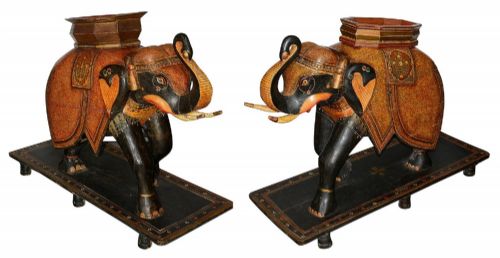
A polychrome wooden statue combines carved timber with layers of applied paint, gesso, lacquer or gold leaf. The selection here ranges from medieval church figures and saints to trade signs, temple guardians and folk carvings.
Religious subjects dominate the earlier periods, including Madonnas, angels, kings and saints created for European altars and home devotion. Alongside these sit Asian deities, temple figures and figures from trade traditions.
The material scale spans diminutive cherub heads and busts up to monumental temple figures and trade sign sculptures. Surviving examples often show the marks of age, original pigment loss and historical repair.
Materials and construction methods
Carvers shaped these works from regional timbers including oak, walnut, olive wood, limewood and various imported woods. Timber selection depended on availability and the intended scale of the carving.
Surfaces were prepared with gesso grounds before receiving polychrome paint, lacquer or gold leaf application. This layered technique allowed makers to achieve rich surface textures and vibrant colour schemes.
Materials recorded across the inventory include carved oak, walnut, olive wood, gesso, gold leaf and traditional lacquer finishes.
Factors that distinguish quality
Depth and vitality in the carving separate master workshop output from simpler regional folk items. Subtle facial expressions, drapery folds and hand positioning reveal the carver's anatomical skill.
The survival of original surface decoration dictates the historical integrity of each piece. Traces of early gesso, undisturbed pigment layers and untouched gold leaf hold far more weight than later overpainting.
The Polychrome Wooden Statue Glossary
- Polychrome
- Decorated in multiple colours. This term describes sculpture or woodwork finished with various paints or pigments.
- Gesso
- A plaster-like mixture applied to wood as a smooth base for paint or gold leaf. It provides the foundational layer for surface decoration.
- Giltwood
- Wood that has been covered with a thin layer of gold leaf. This technique adds a reflective, luminous quality to religious and decorative figures.
- Capipote
- A Spanish devotional figure with a carved wooden head and hands attached to a dressed armature frame. These statues were often used in religious processions.
- Newel post finial
- An ornamental architectural carving capping the main stair post. These decorative elements terminate staircases with sculptural detail.
Polychrome Wooden Statue: Frequently Asked Questions
Where were polychrome wooden statues originally displayed?
European pieces often stood in churches, monastic altars or private home shrines for devotional practice. Asian examples served similar protective and religious functions within temples and civic spaces.
Securer trade signs and folk figures occupied public commercial environments before entering private collections.
How should I clean a painted wooden sculpture?
Dust surfaces gently with a soft, dry brush to prevent disturbing fragile pigment layers. Avoid using water, chemical solvents or household cleaners on historic gesso and paint.
Professional conservators should handle any deeper cleaning or stabilization work.
Why do many figures show paint loss?
Centuries of handling, environmental shifts and changing decorative fashions cause original paint layers to flake or wear away. These losses document the active ritual use and long history of the object.
Unrestored surfaces retain the authentic patina of their working life.