
Polychrome Wood Sculpture
Polychrome wood sculpture brings together hand-carved timber and layered pigment, offering centuries of devotional and decorative figures for collectors.
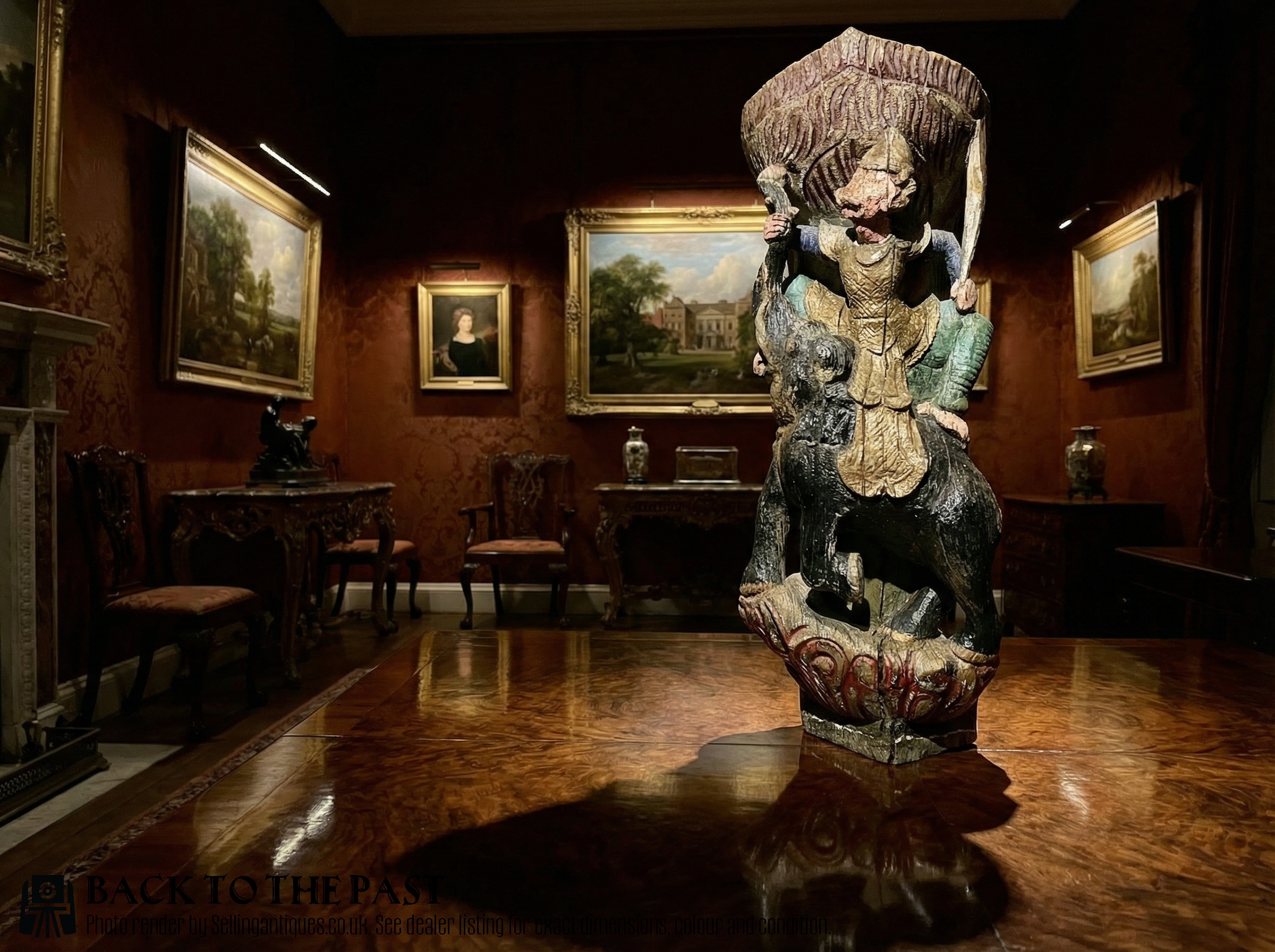
Polychrome Wood Sculpture
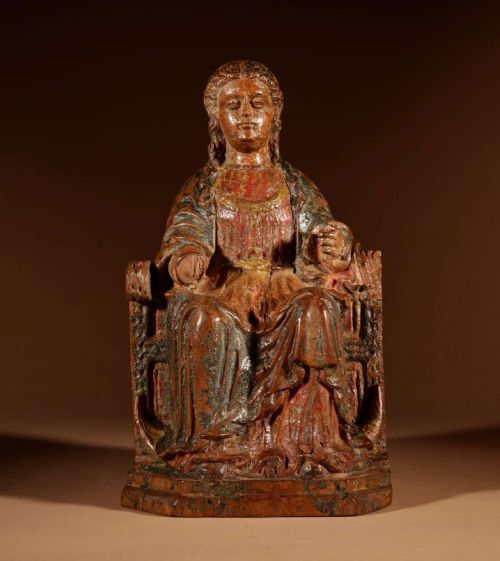
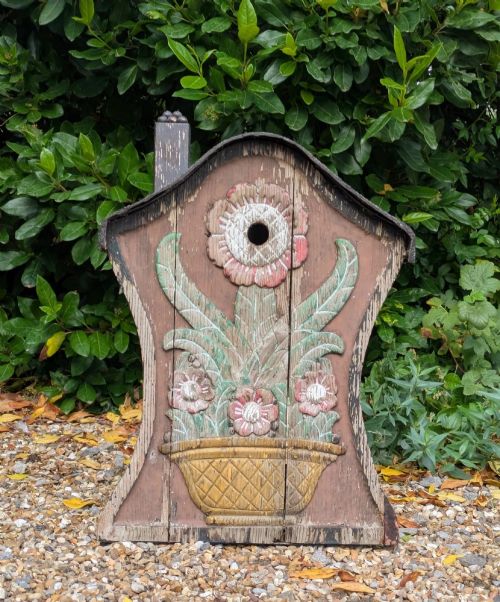
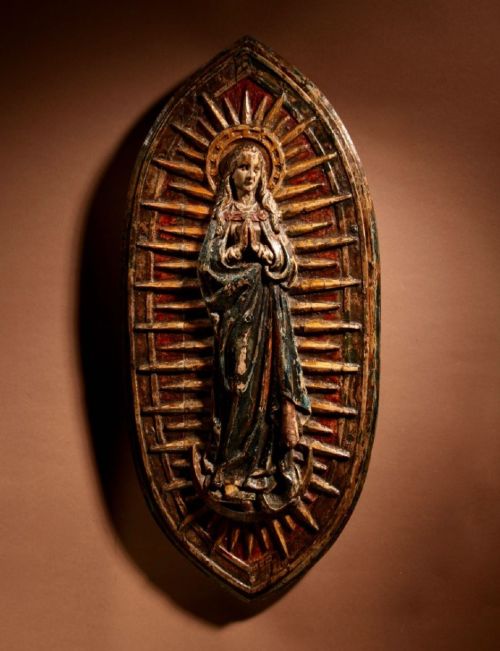
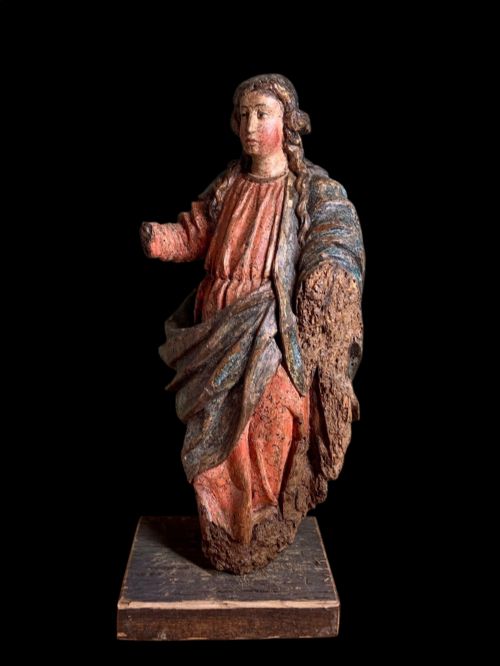
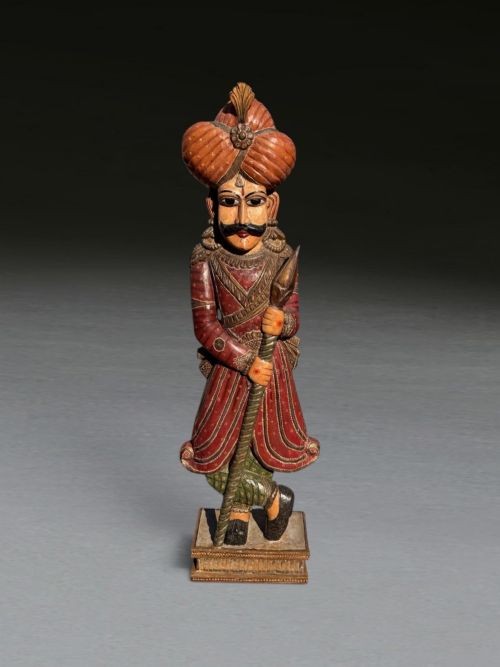
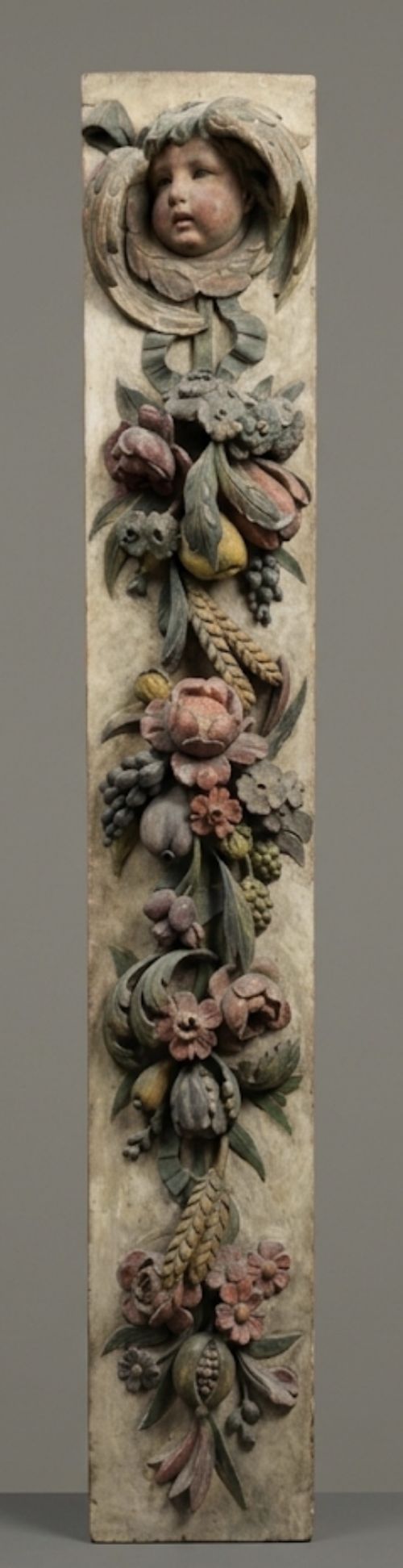
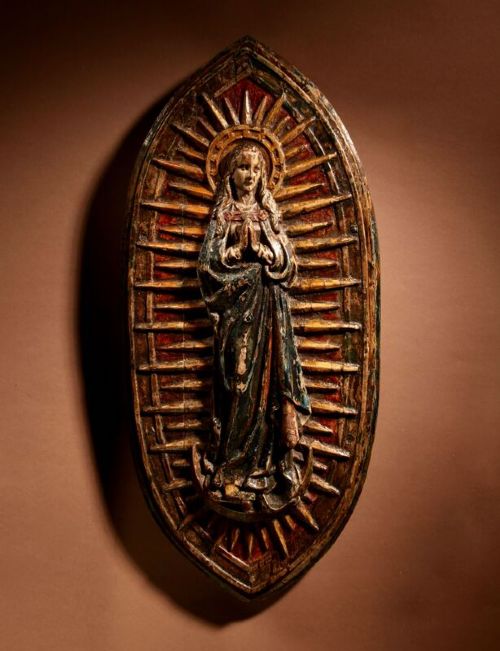
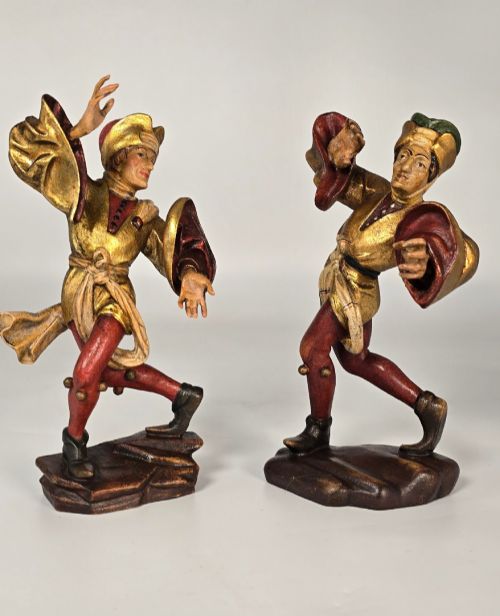
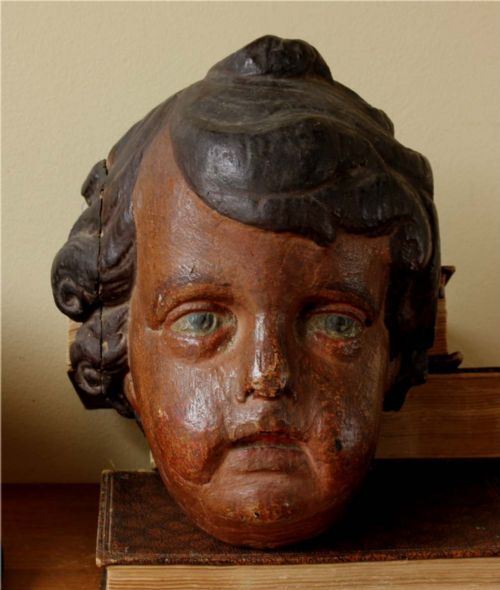
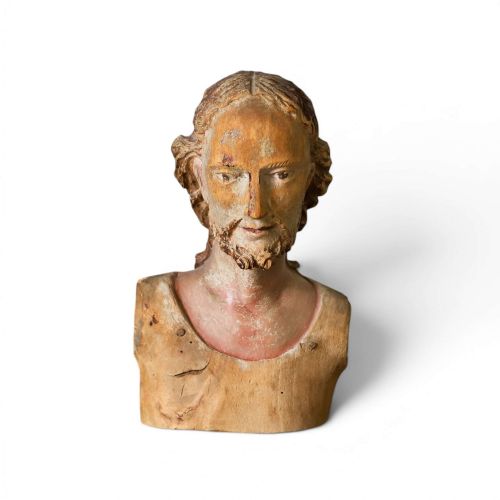
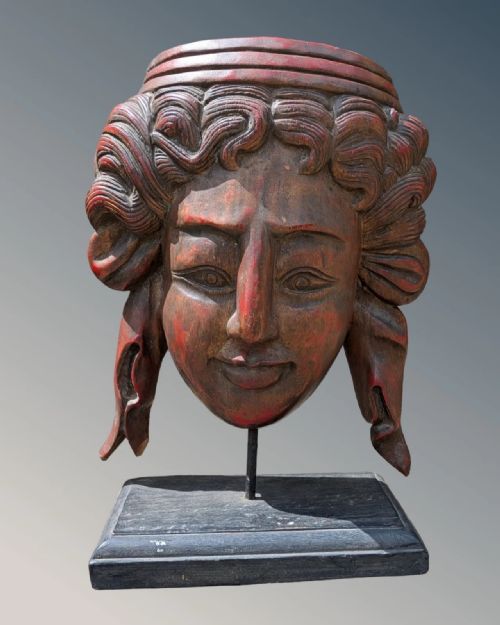
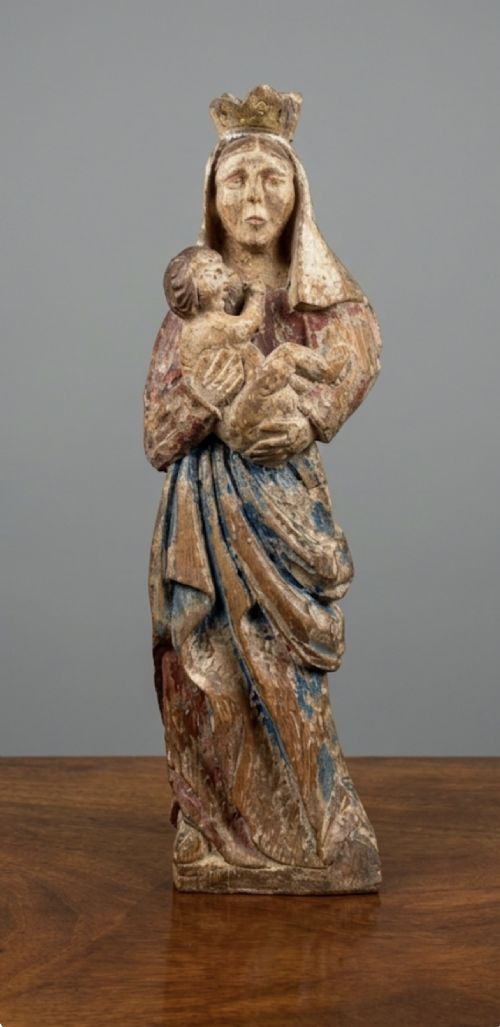
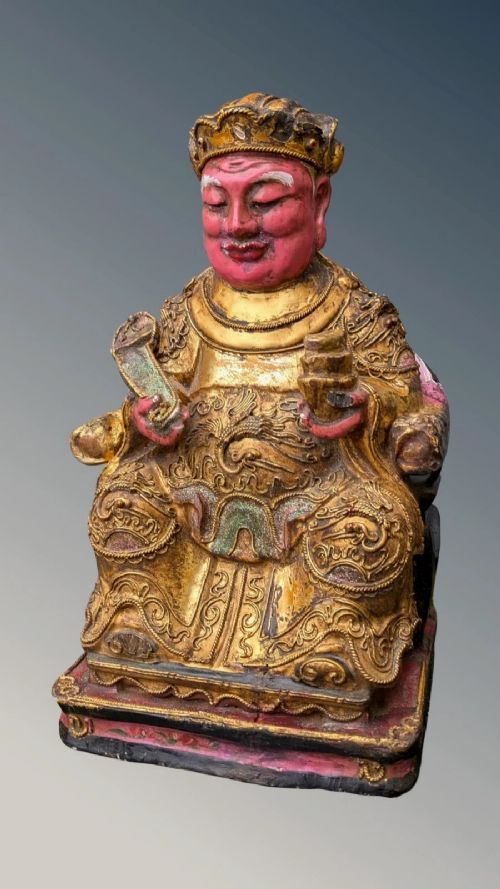
Polychrome wood sculpture encompasses carved figures, panels, and reliefs finished with painted surfaces, gold leaf, or gesso. When searching for this phrase, buyers encounter works ranging from medieval religious groups and saints to folk art birds and Asian deities.
The selections span multiple centuries, with significant representation from the sixteenth, eighteenth, and nineteenth centuries. European liturgical subjects appear alongside Qing period figures, folk carvings, and regional trade signs.
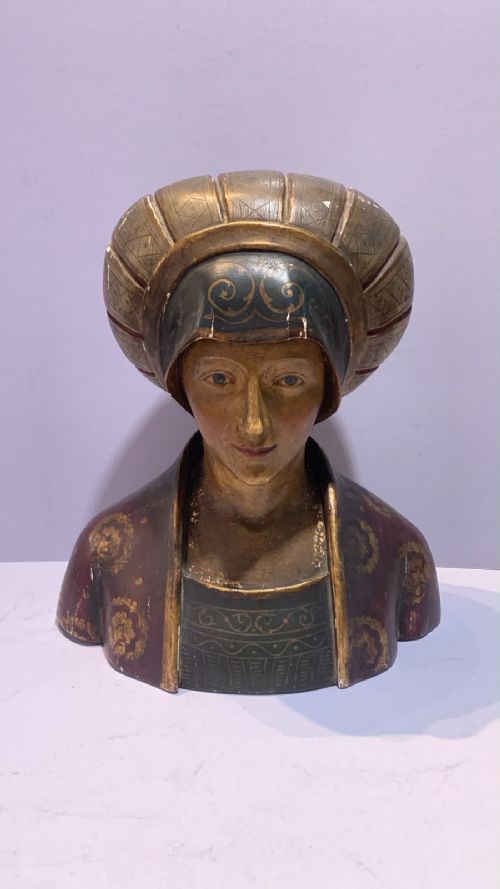
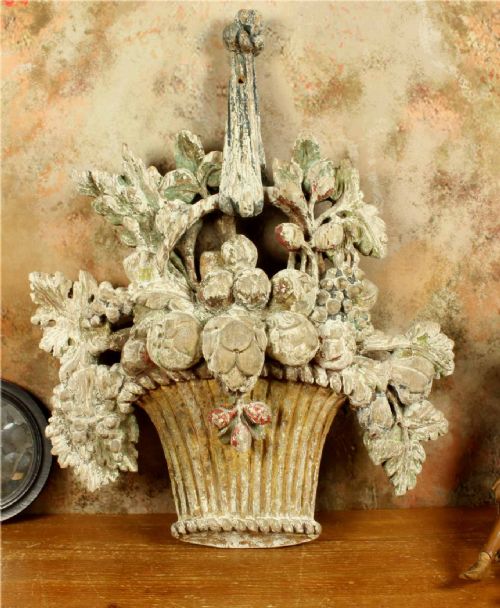
Forms vary from large altarpiece panels and freestanding angels to architectural fragments and smaller decorative busts. These pieces reflect diverse cultural origins, including Italian, Spanish, Flemish, Chinese, and Indian workshops.
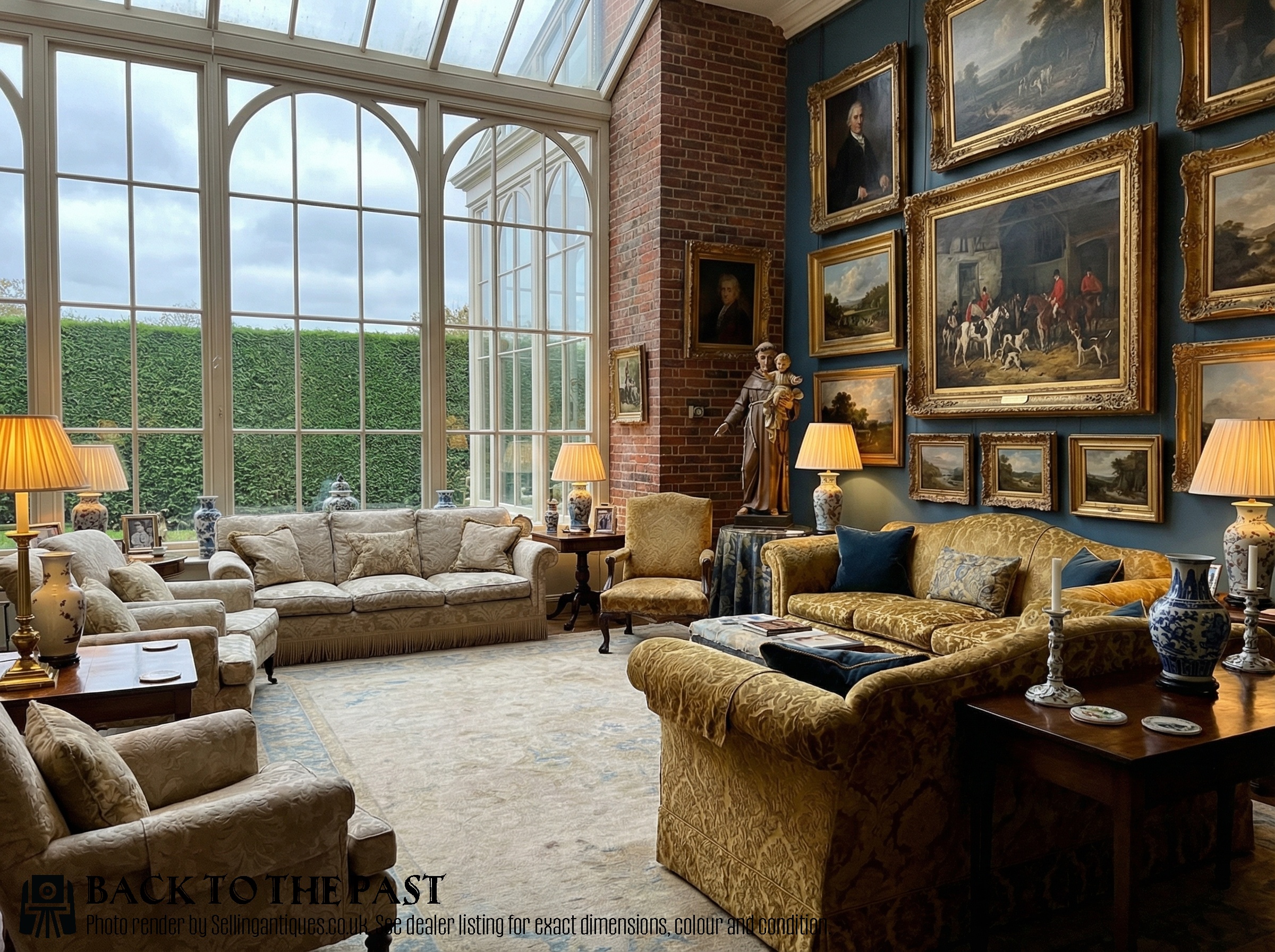
Materials and Methods
Carvers shaped these pieces from various timbers such as oak, walnut, limewood, and olive wood, depending on regional availability and the desired detail. Artisans then applied a preparation layer of gesso to smooth the wood grain before adding colour.
Polychrome Wood Sculpture Retail Price Guide 2026
Typical asking prices for polychrome wood sculpture among the pieces listed under this phrase on Sellingantiques today, from the lower quarter to the upper quarter. They describe what is for sale here now, not the wider market.
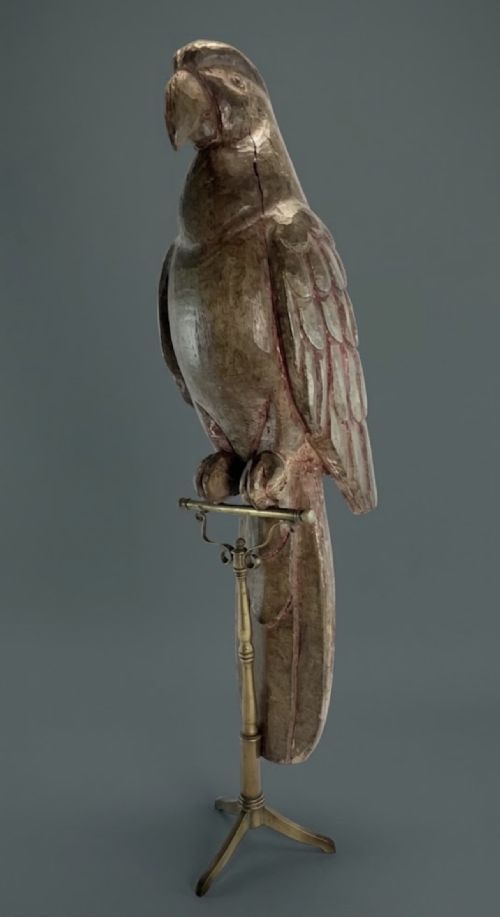
Carved wooden birds and cigar store Indians demonstrate that sculptors found equal joy in feathered fauna and street-side tobacco salesmen.
Assessing Quality and Execution
The survival of early surface layers significantly impacts the piece. Retained original gesso and undisturbed polychrome paint preserve the intended historical aesthetic, whereas heavy overpainting obscures the original craftsmanship.
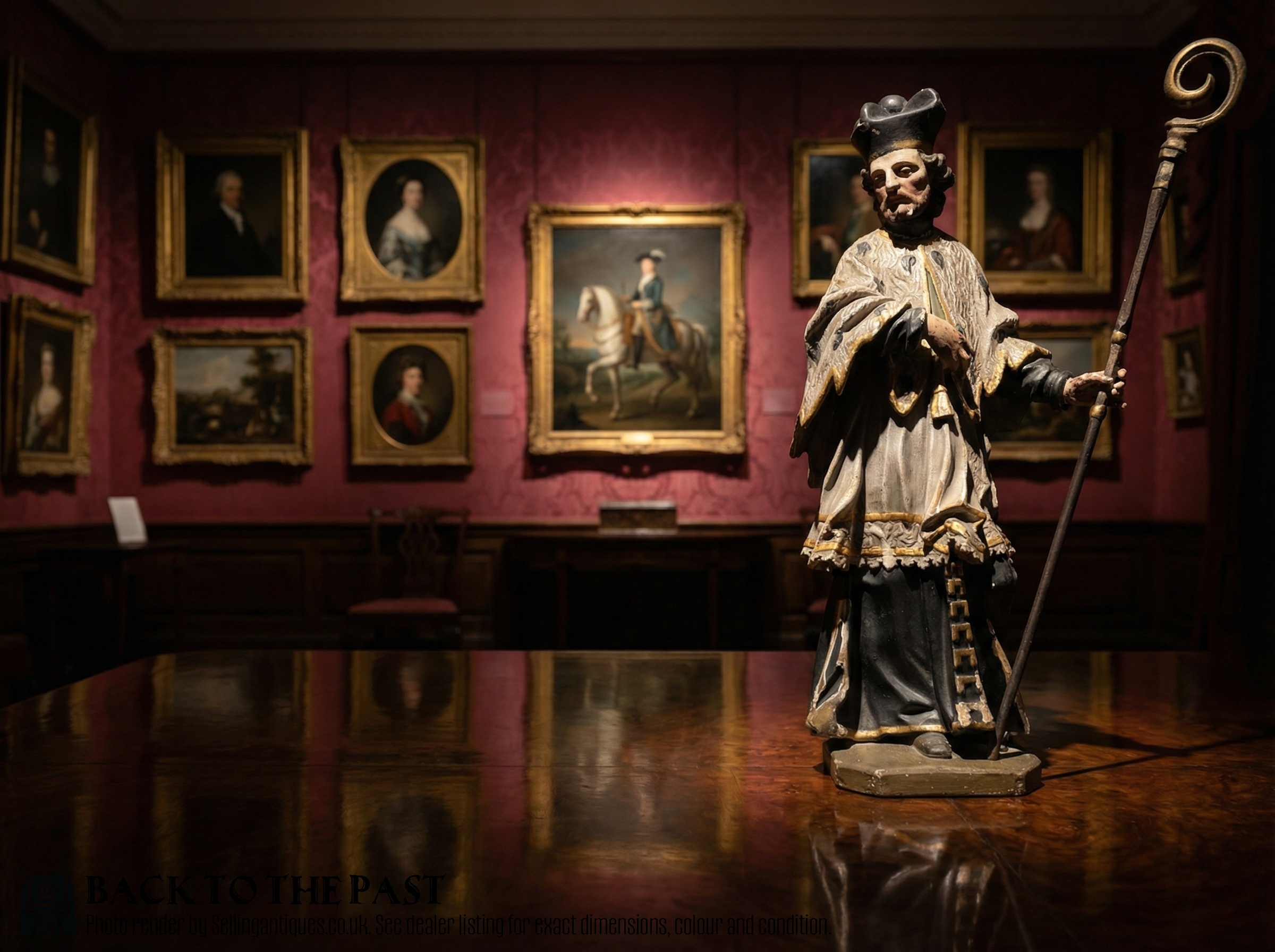
Ralph Wood·H.S Andy Anderson
The Polychrome Wood Sculpture Glossary
- Polychrome
- Decorated in several colours. This term describes surfaces painted or glazed in multiple hues.
- Gesso
- A plaster mix used as a base. Artisans applied this mixture to wood to create a smooth surface for gilding and paint.
- Giltwood
- Wood covered with gold leaf. This material adds reflective brilliance to carved details and haloes.
- Altarpiece
- A structured artwork set behind an altar. These large commissions often featured carved central panels flanked by saints.
- Newel Post Finial
- An ornamental cap on a stairpost. These architectural carvings marked the start of a staircase railing.
Polychrome Wood Sculpture: Frequently Asked Questions
How should I clean a polychrome wood sculpture?
Dust these surfaces gently using a soft, dry brush without applying water or chemical cleaners. Moisture can lift fragile gesso and vintage paint.
Consult a professional conservator if the sculpture requires deeper cleaning or stabilization to prevent further paint loss.
Where were these sculptures originally displayed?
Many European figures originated in churches, private chapels, and altarpieces as objects of religious devotion. Secular carvings and folk art pieces served as domestic ornaments or trade signs.
Over time, collectors moved these works into private studies, drawing rooms, and galleries as decorative art.
How do I identify the age of the wood?
Examine the tool marks, joinery methods, and the natural oxidation of the timber exposed on the reverse or base. Hand-hewn marks differ significantly from later machine-cut indicators.
Compare the style of the carving and the composition of the gesso layer against known period examples.
Why is some paint missing on older pieces?
Centuries of handling, environmental shifts, and changing aesthetic preferences often caused original pigments to flake or wear away. This natural thinning process is common in pieces predating the nineteenth century.
Surface losses do not diminish authenticity provided the underlying wood and remaining finish show genuine age.