





Polychrome Pottery Ornament
A polychrome pottery ornament brings vivid colour and character to a room through painted earthenware, porcelain and lead glaze.
Polychrome Pottery Ornament
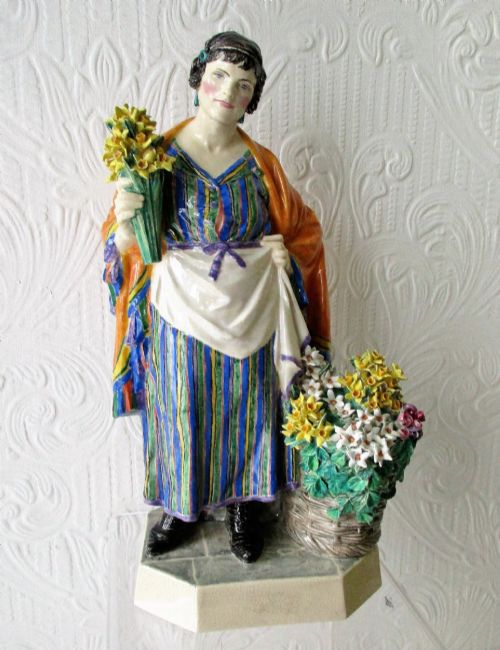
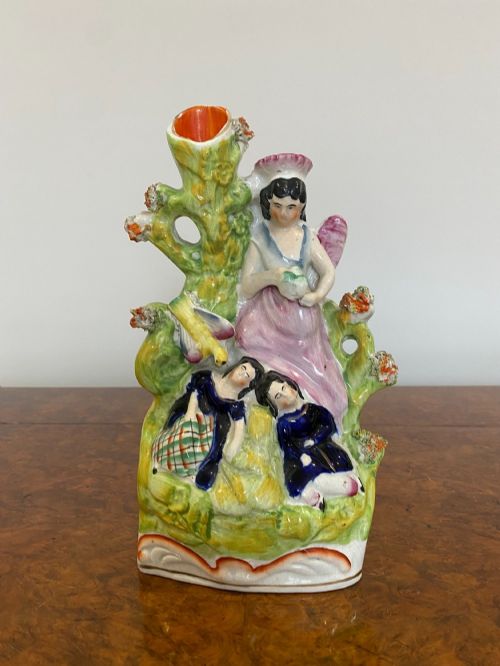
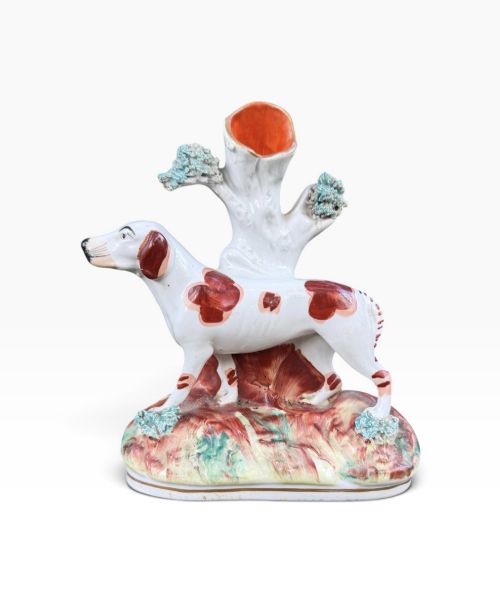
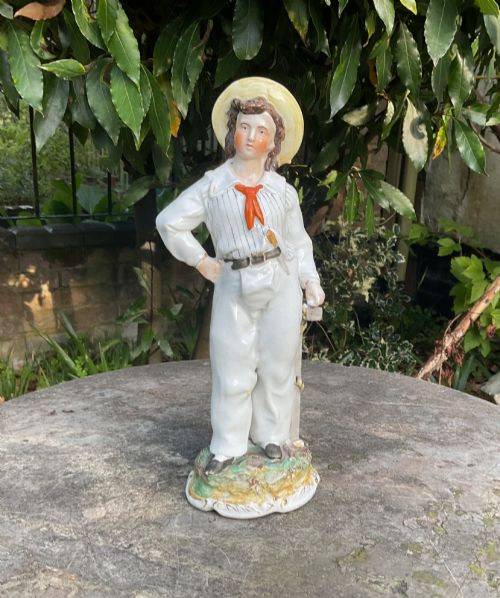
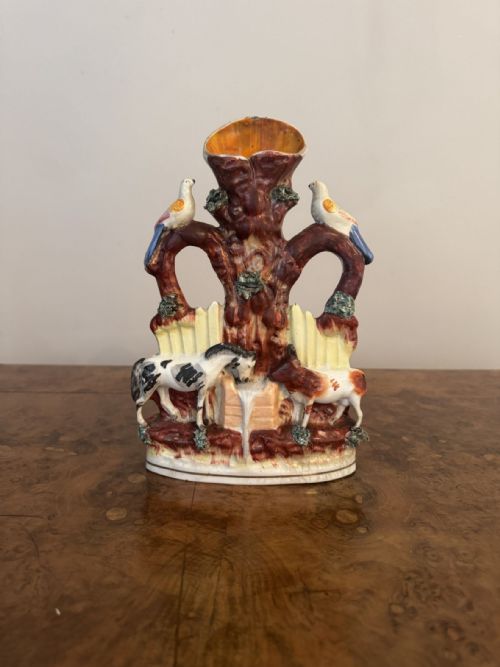
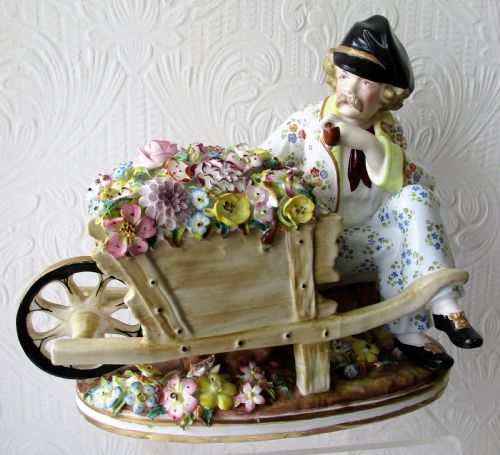
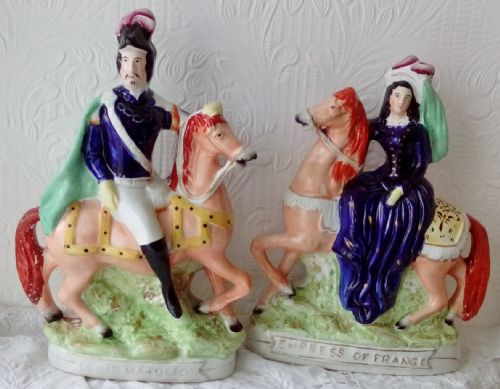
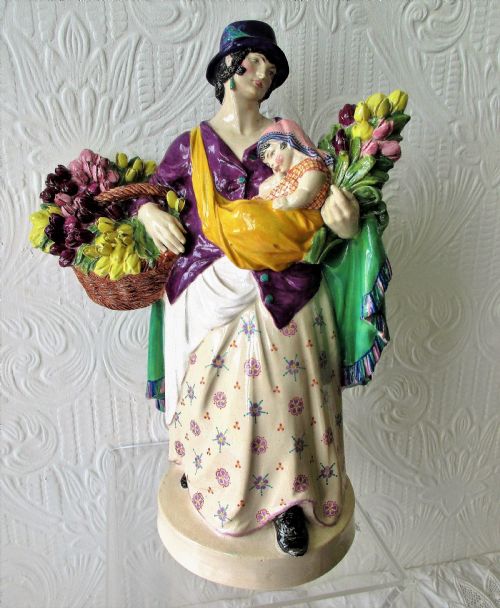
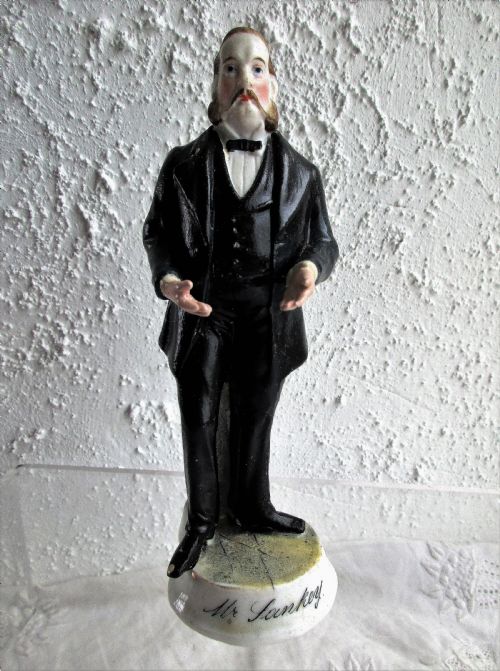
A polychrome pottery ornament encompasses decorative figures, spill vases and figurines produced across the nineteenth and twentieth centuries. Buyers seeking a polychrome pottery ornament commonly encounter Staffordshire flatbacks, studio pottery figures and Japanese Satsuma okimono.
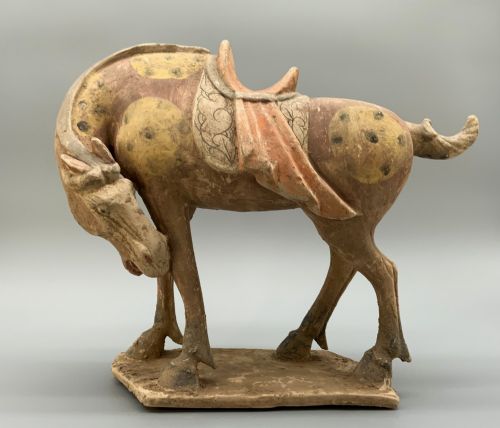
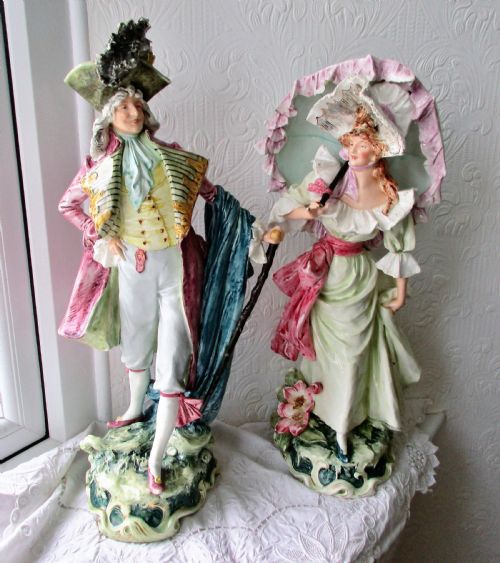
The selection ranges from Victorian historical pairings and literary figures to Chinese sancai glazed pottery and French earthenware carnival pieces. These sculptural forms reflect the domestic tastes and decorative traditions of English, French and Asian makers.
Makers utilised moulded ceramic bases, earthenware and porcelain, finishing the surfaces with enamel decoration and lead glaze to create rich multicoloured palettes.
How they were made
Potters shaped these figures from earthenware, pearlware, porcelain and ceramic bodies using moulds or hand-forming techniques. Artisans then applied lead glaze, enamel and gold leaf highlights to the surfaces before firing the pieces in kilns.
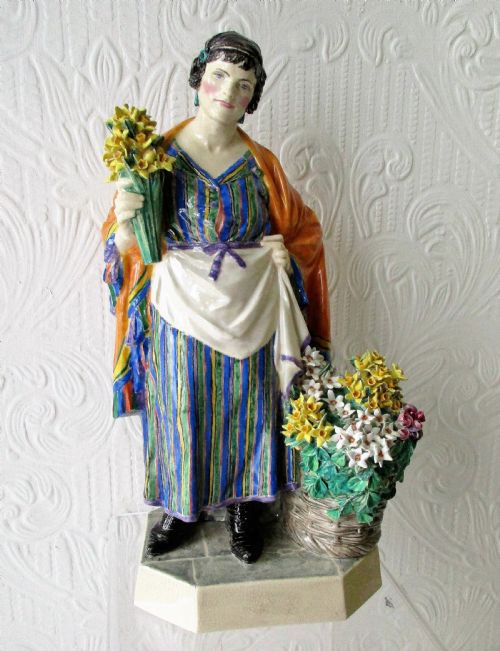
Many Staffordshire pieces and French faience figures received hand-painted details over a white slip or glaze base, while Japanese Satsuma items incorporated intricate moriage enamel work. Studio potters such as Charles Vyse employed individual modelling and distinct pigment combinations.
Polychrome Pottery Ornament Retail Price Guide 2026
Typical asking prices for polychrome pottery ornament among the pieces listed under this phrase on Sellingantiques today, from the lower quarter to the upper quarter. They describe what is for sale here now, not the wider market.
Listings feature items spanning the eighteenth century to the twentieth century, incorporating earthenware, porcelain and lead glaze.
What varies in quality
Quality rests in the crispness of the modelling and the precision of the hand-painted enamel decoration. Early pearlware groups and studio pottery pieces by known modellers display finer detail in facial expressions and drapery than mass-produced factory alternatives.
The depth and preservation of the lead glaze and enamel colours determine the visual impact of each figure. Pieces retaining their original gilding and bright pigment layers without extensive restoration represent the higher tier of the selection.
Charles Vyse·John Bevington·Makuzu Kozan II·Ralph Wood
The Polychrome Pottery Ornament Glossary
- Staffordshire flatback
- A type of earthenware figure manufactured in the Staffordshire potteries with a decorated front and a flat, unpainted rear designed to stand against a wall.
- Pearlware
- A refined earthenware developed in the eighteenth century featuring a thin bluish glaze that pooled slightly in crevices to mimic Chinese porcelain.
- Sancai
- A traditional Chinese three-colour glaze technique typically combining amber, green and creamy white tones on ceramic bodies.
- Okimono
- A Japanese decorative carved or modelled object intended for display on a shelf or in a tokonoma alcove.
- Spill vase
- A hollow figurine incorporating an attached vertical cylinder designed to hold wooden spills for lighting fires.
Polychrome Pottery Ornament: Frequently Asked Questions
What is a Staffordshire flatback?
A Staffordshire flatback is a ceramic figure modelled primarily for display on mantelpieces during the nineteenth century. These pieces were painted on the front while leaving the back flat.
They often depicted contemporary events, literary characters, royalty or notable public figures to suit Victorian domestic tastes.
How do I clean an antique ceramic figure?
Antique ceramic figures require gentle dusting with a soft, dry brush to prevent the accumulation of dirt on painted surfaces. Avoid using water or chemical cleaners, which can damage delicate enamel decoration and gold leaf.
Displaying pieces away from direct sunlight protects lead glazes and pigments from fading over time.
How can I tell the age of a figure?
Dating relies on examining the material composition, glaze characteristics, and the style of the base and subject matter. Victorian Staffordshire pieces often show crazing in the glaze and specific handling marks.
Comparing the manufacturing style with documented makers and periods helps narrow down the production era.