

Polychrome Pottery Figure
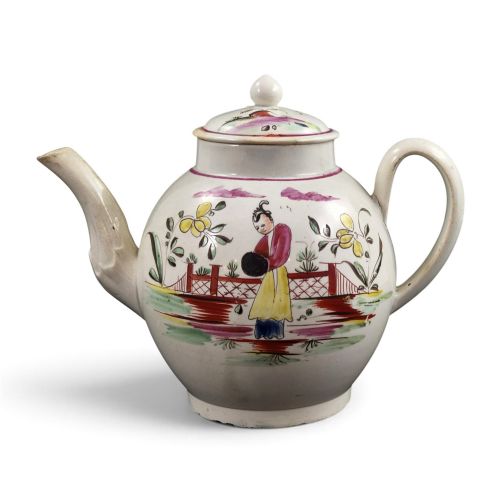
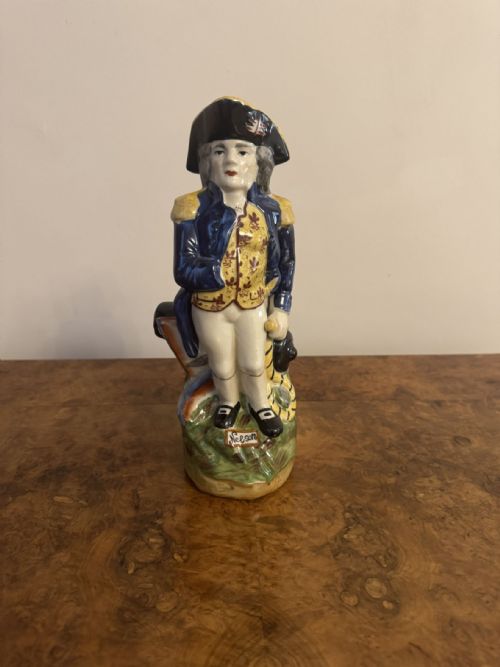
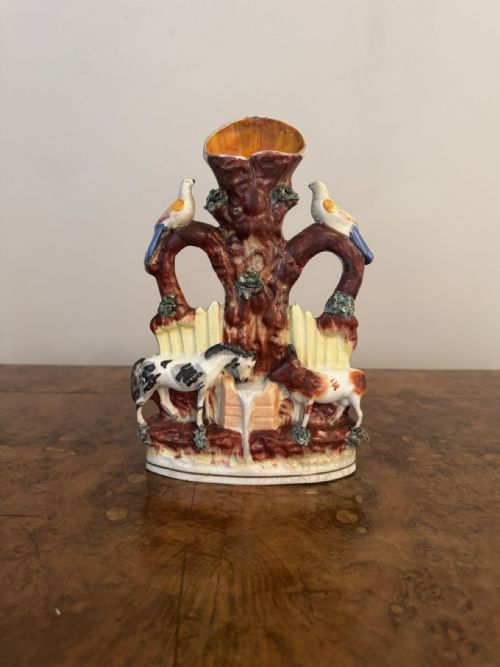
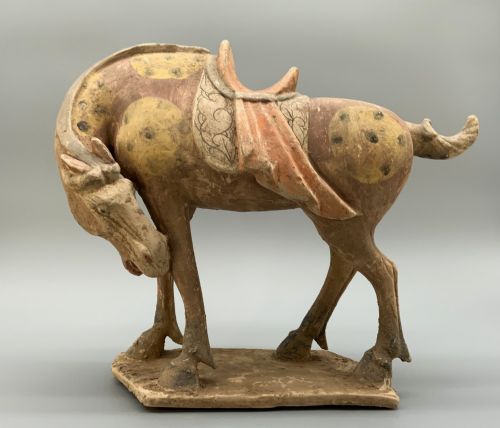
A polychrome pottery figure brings bright colour and modelled character into a room, spanning everything from Staffordshire earthenwares to Tang Dynasty pottery horses.
Polychrome Pottery Figure
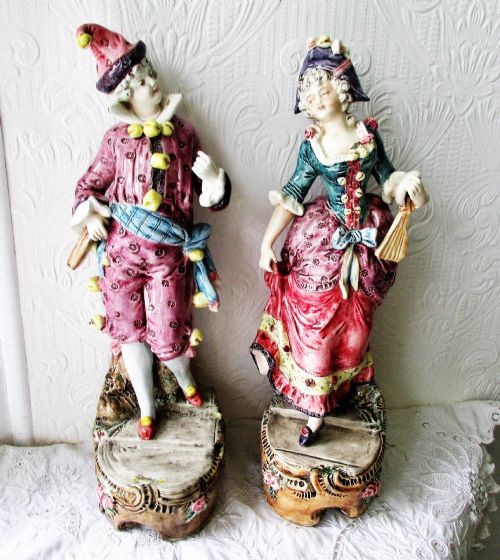
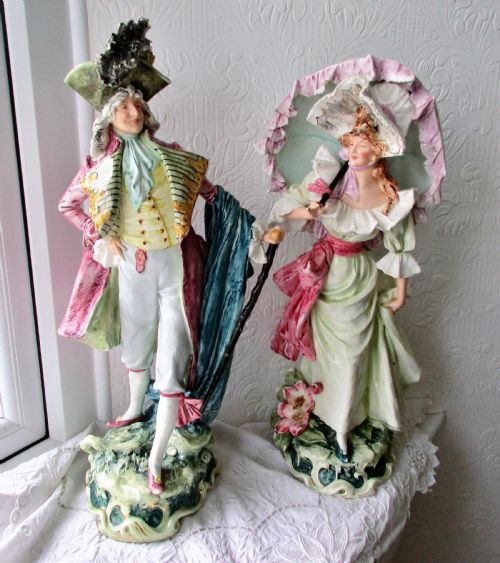
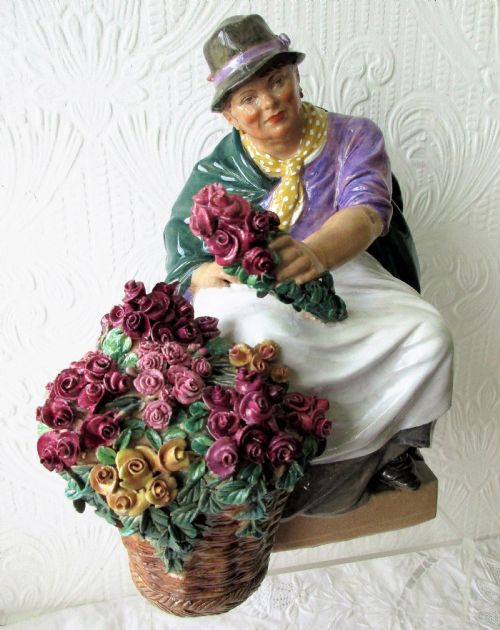
A polychrome pottery figure represents modelled human, animal or allegorical subjects finished in multiple colours of glaze, enamel or paint. When searching for a polychrome pottery figure, collectors encounter diverse traditions ranging from English Staffordshire pottery to Japanese Satsuma and Chinese earthenware.
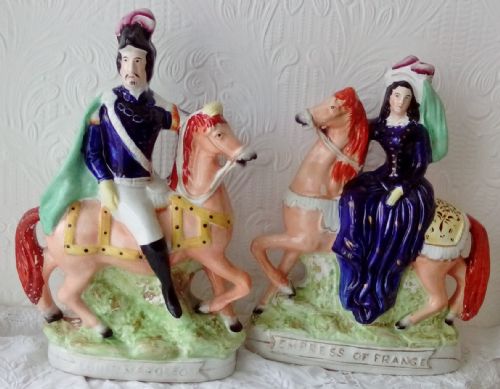
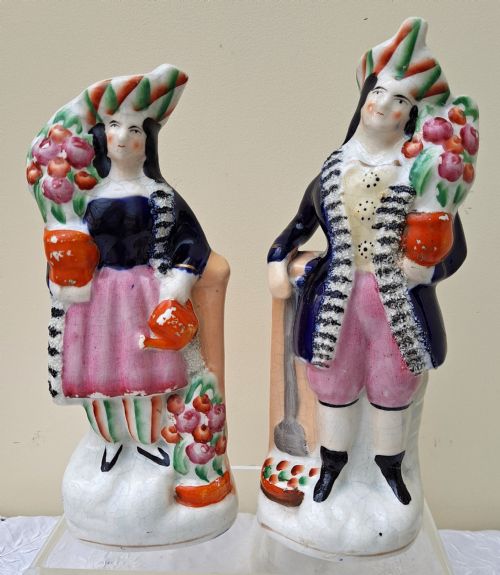
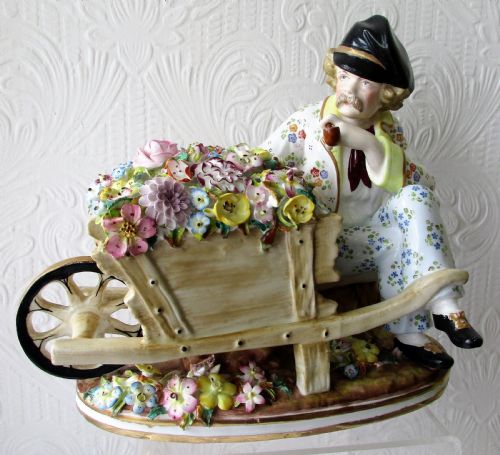
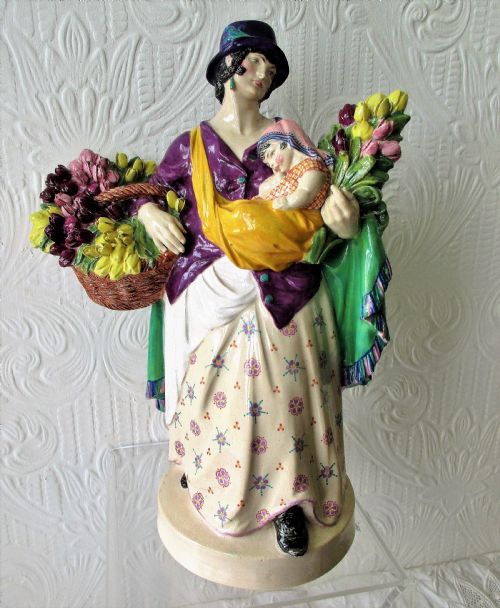
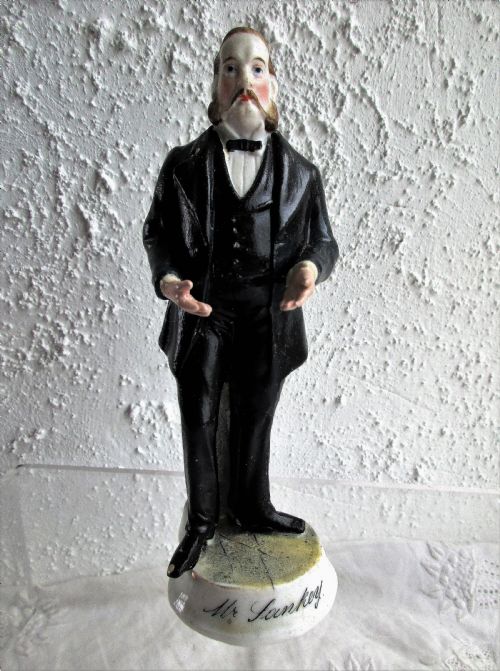
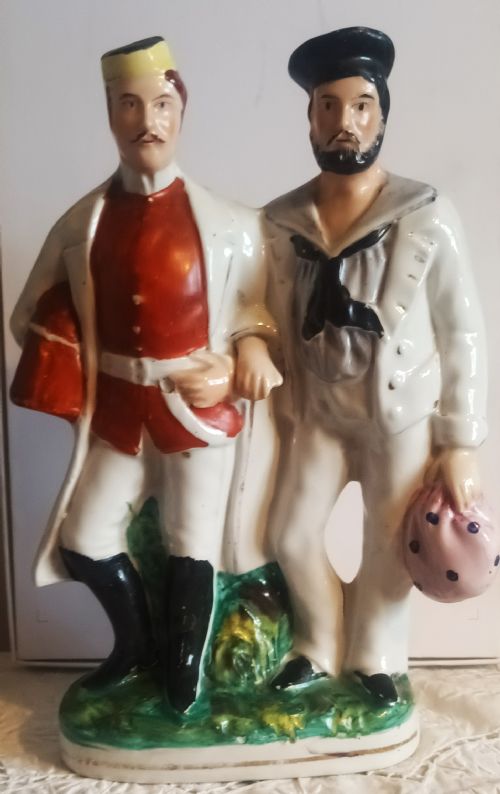
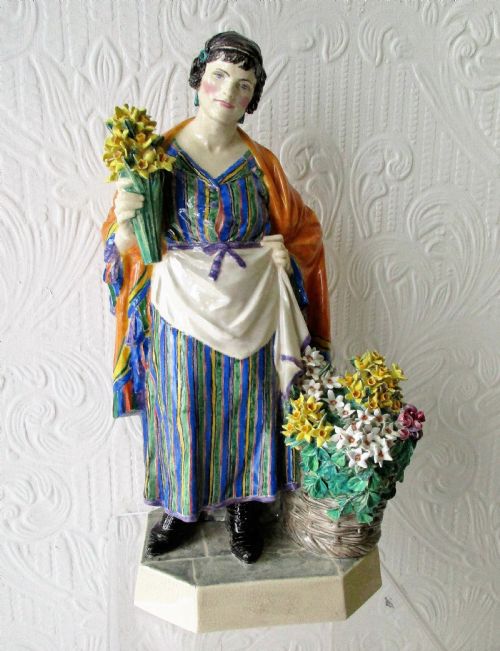
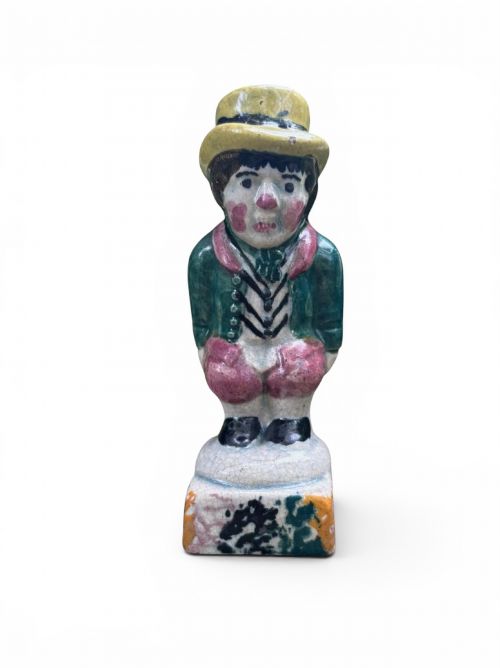
The selections span centuries of global ceramic history, including Victorian Staffordshire figures of historical figures, French earthenware figurines, and Chinese ceramic examples decorated with hand enamel. English pearlware groups and studio pottery figurines by makers such as Charles Vyse also populate this grouping.
Victorian Staffordshire pottery forms a substantial portion of what appears here, alongside continental faience and Japanese Meiji period okimono. Buyers find both individual portrait figures and paired mantle ornaments reflecting domestic taste across the nineteenth and twentieth centuries.
Materials and construction
Makers shaped these pieces from ceramic bodies including earthenware, porcelain, pearlware and creamware, often employing press moulds or slip casting for figures and animals. Earthenware formed the base for much English Staffordshire and continental faience, while porcelain served delicate Victorian figurine work.
Surface decoration relied on lead glaze, tin glaze, enamel and gold leaf applied over or under the fired body. Sancai glazes provided the amber, green and cream tones seen on Tang style pottery, while hand enamelling delivered intricate detail on Chinese and Japanese ceramic pieces.
Listings feature earthenware, porcelain and pearlware bodies finished with enamel, lead glaze and gold leaf across multiple centuries.
Qualities of craftsmanship
The distinction between standard commercial output and finer studio or factory work shows in the expressive capability of the faces and the depth of the glaze. Skilled modellers produced balanced compositions with stable stances, whilst lesser pieces often suffer from stiff posture or heavy, dull glaze layers.
Charles Vyse·John Bevington·Ralph Wood
The Polychrome Pottery Figure Glossary
- Polychrome
- Decorated in several colours. This term describes ceramics and figures painted or glazed with multiple hues rather than a single monochrome tone.
- Pearlware
- A refined earthenware developed by Josiah Wedgwood. It featured a slightly bluish glaze that pooled in crevices to make the underlying white body appear whiter.
- Okimono
- A Japanese ornamental figurine intended for display. These decorative carvings and ceramic sculptures often depict deities, historical figures or everyday subjects from the Meiji period.
- Staffordshire pottery
- Earthenware produced in the Potteries region of England. Figures and flatbacks from this area typically commemorated topical events, literary characters or local personalities.
- Sancai
- Three-colour glaze technique. Originating in ancient China, this method utilised lead glazes in amber, green and creamy white to decorate pottery vessels and figures.
Polychrome Pottery Figure: Frequently Asked Questions
How do I date an antique Staffordshire figure?
Dating relies on examining the clay body, the glazing technique, and the subject matter depicted. Earlier pieces from the eighteenth century often utilise pearlware or creamware bodies, whilst Victorian examples frequently feature flat unglazed backs and vibrant enamel colours.
Historical events and dress fashions also provide reliable chronological markers. Figures depicting specific contemporary personalities or military campaigns help narrow the window of manufacture.
What is the difference between earthenware and porcelain figures?
Earthenware is a porous, opaque ceramic fired at lower temperatures, commonly found in traditional Staffordshire figures and French faience. Porcelain is a vitrified, denser material fired at much higher temperatures, producing a more refined finish with a translucent body.
Porcelain figures typically allow for finer detail in facial expressions and delicate lace work. Earthenware figures rely on robust modelling and bright surface glazes for their visual impact.
How should I display ceramic figures at home?
Display these pieces on stable shelving away from direct sunlight to protect delicate hand-enamelled colours from fading. Enclosed display cabinets offer protection from accidental knocks and household dust accumulation.
Ensure that shelves support the weight evenly, particularly with large earthenware groups or ceramic horses. Avoid placing them in areas subject to rapid temperature fluctuations.
What does polychrome mean on antique pottery?
Polychrome simply means that the piece is decorated in multiple colours. Artisans achieved this through various methods, including painted enamel over a fired glaze or coloured lead glazes applied directly to the clay body.
This multi-coloured approach allowed makers to create lifelike clothing, skin tones and decorative patterns on figurative ceramics. The palette often reflects the specific period and geographic origin of the pottery workshop.