




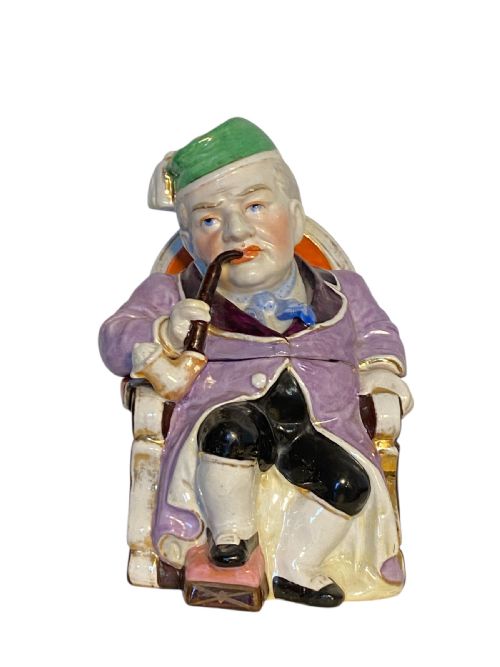


Polychrome Porcelain Pot
These polychrome porcelain pots combine vibrant enamel painting with durable ceramic forms, offering both decorative presence and practical utility for any collector.
Polychrome Porcelain Pot
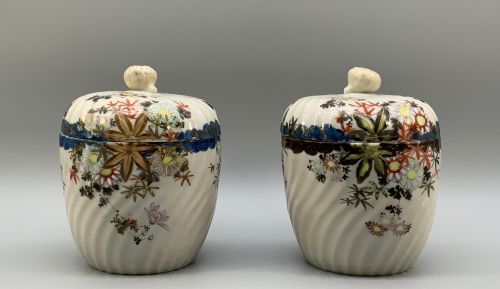
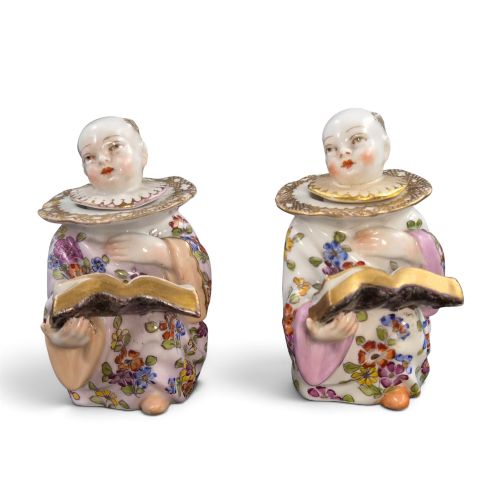
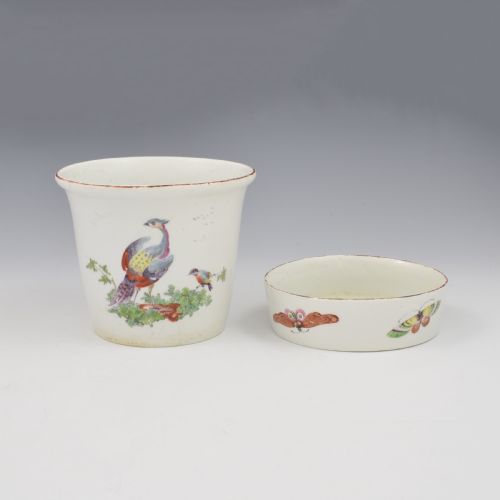
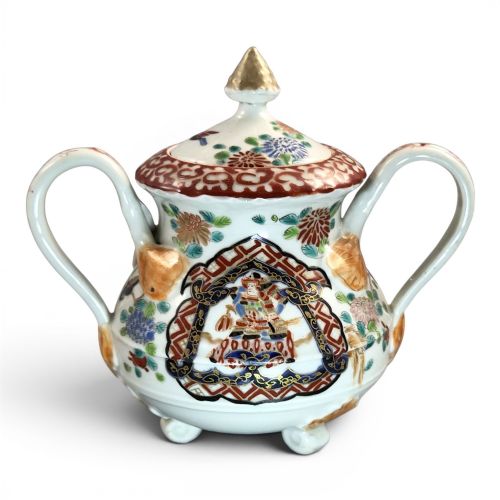
A polychrome porcelain pot encompasses lidded jars, ginger jars, brush pots, and tobacco jars decorated in multiple colours of enamel. These vessels range from 18th-century English pieces to 19th-century Chinese and Japanese wares.
The most common examples on this page are Chinese porcelain jars and Japanese lidded vessels featuring floral, figural, and landscape motifs. Buyers encounter various forms including cachepots, pot pourri vases, and sugar bowls spanning several centuries.
How they were made
Potters shaped soft-paste or hard-paste porcelain and ceramic bodies before applying underglaze blue or direct enamel pigments. Artisans often added gold leaf and gilding to accentuate specific decorative elements.
Vessels underwent multiple firings to set the vibrant overglaze enamels and metallic accents firmly onto the glaze surface. This technique allowed makers to achieve rich palettes featuring iron red, green, and blue details.
What varies in quality
The precision of the brushwork and the complexity of the enamel palette separate standard utility vessels from masterworks. Finer pieces display crisp botanical or figural scenes executed with controlled hand-painted detail.
The integration of gilding and the clarity of the underlying glaze contribute significantly to the visual weight of the piece. Well-preserved surfaces retain their original sheen without excessive rubbing to the gold leaf.
Edmé Samson·Royal Worcester·Mason’s Ironstone
The Polychrome Porcelain Pot Glossary
- Polychrome
- Decorated in several colours. This term describes ceramics featuring multi-coloured enamel painting.
- Enamel
- Opaque glass fused to pottery surfaces. Artisans use enamel to paint detailed scenes over fired glazes.
- Gilding
- The application of gold leaf or gold powder. It highlights rims, handles, and specific motifs on ceramic bodies.
- Soft-Paste Porcelain
- A ceramic material made from clay and glass frit. It fires at lower temperatures than true hard-paste porcelain.
Polychrome Porcelain Pot: Frequently Asked Questions
What is a ginger jar?
A ginger jar is a high-shouldered vessel originally used to store and transport spices in East Asia. Over time, these lidded jars became primarily decorative display items.
Today, collectors appreciate them for their symmetrical proportions and intricate multi-coloured enamel surface designs.
How do I care for my pot?
Keep your porcelain vessels away from direct sunlight to protect the stability of the overglaze enamels. Dust them gently with a soft dry cloth.
Avoid using liquid cleaners or chemical agents on pieces that feature delicate gold leaf or gilding.
What is a brush pot?
A brush pot is an open cylindrical vessel designed to hold writing brushes on a scholar's desk. In traditional East Asian settings, they served as functional tools and refined works of art.
These pieces often feature detailed figural or narrative scenes carved or painted onto the porcelain body.
How are periods identified?
Periods are determined through stylistic markers, potting techniques, and specific factory or reign marks found on the base. Stylistic shifts in enamel palettes provide strong clues regarding the decade of manufacture.
Comparing glaze characteristics and decorative motifs against documented examples helps confirm the age of each vessel.