
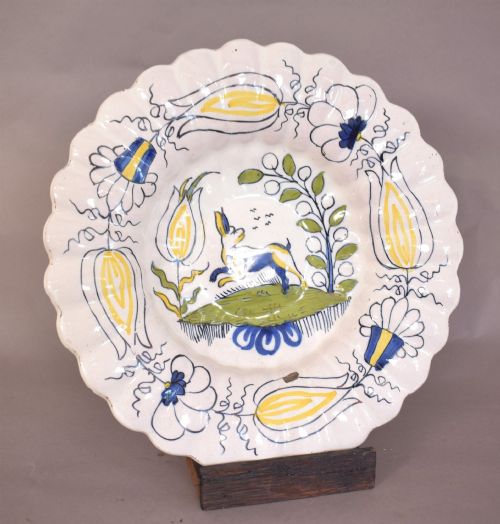
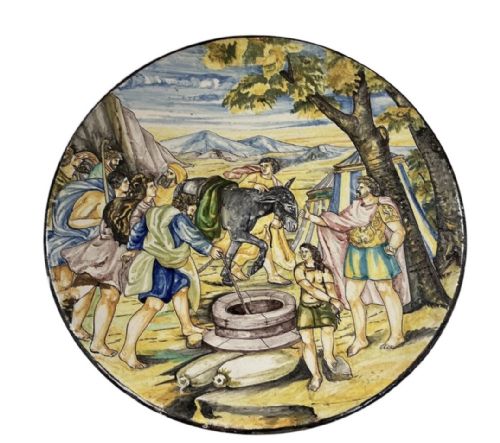
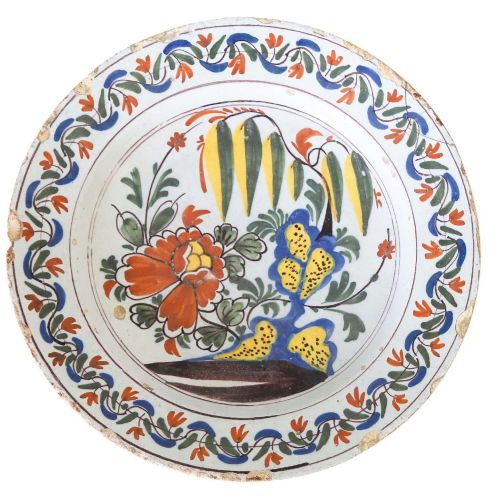
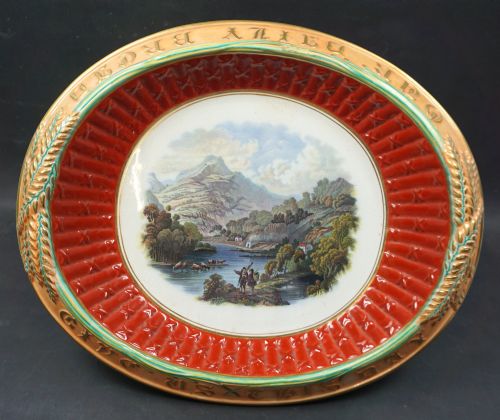
Polychrome Earthenware Dishes
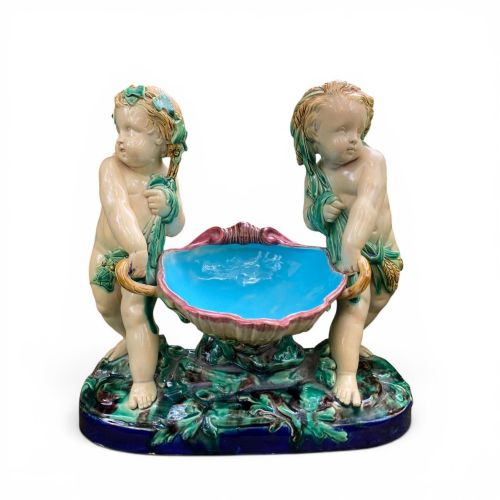
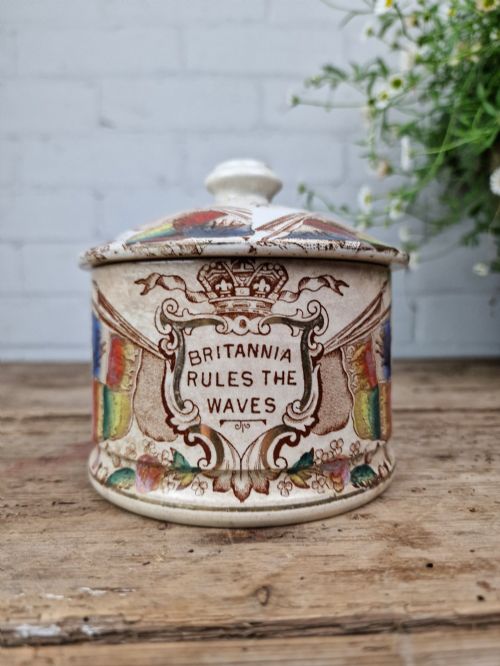
These polychrome earthenware dishes span centuries of tin-glazed and enameled traditions, offering rich hand-painted palettes to collectors who appreciate historic ceramics.
Polychrome Earthenware Dishes
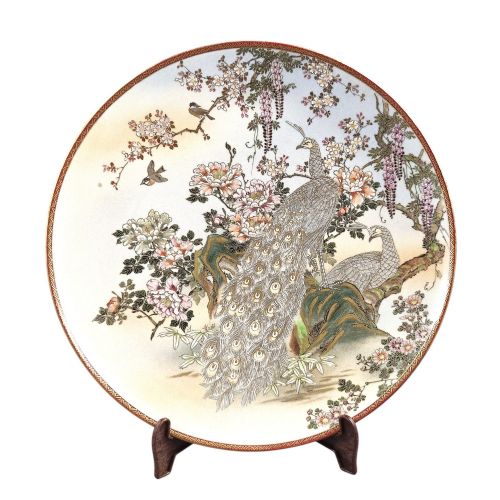
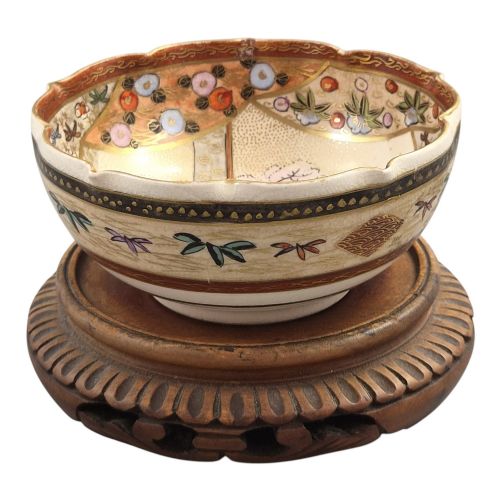
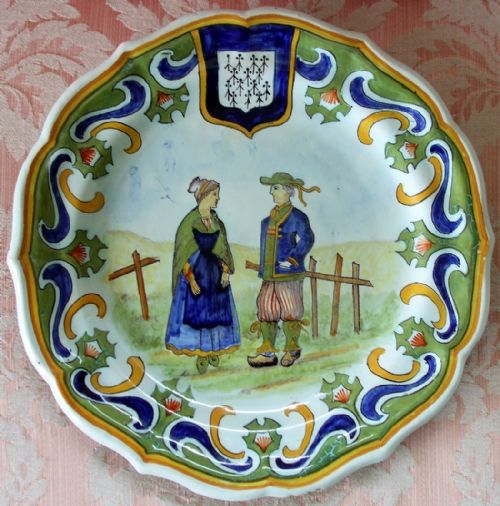
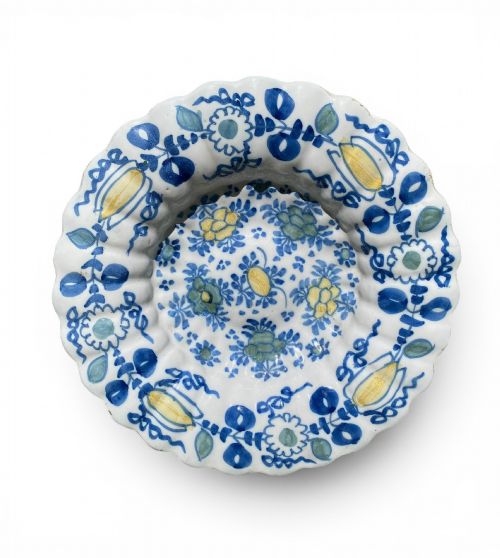
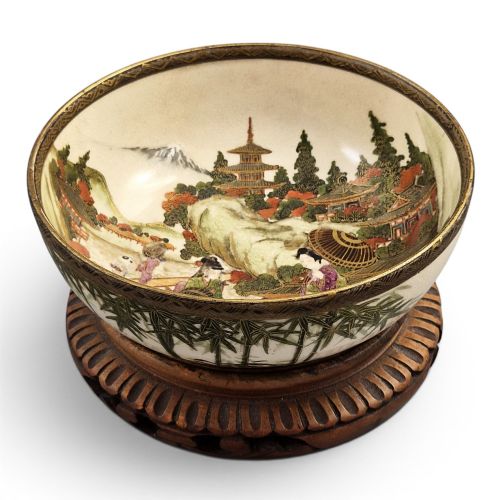
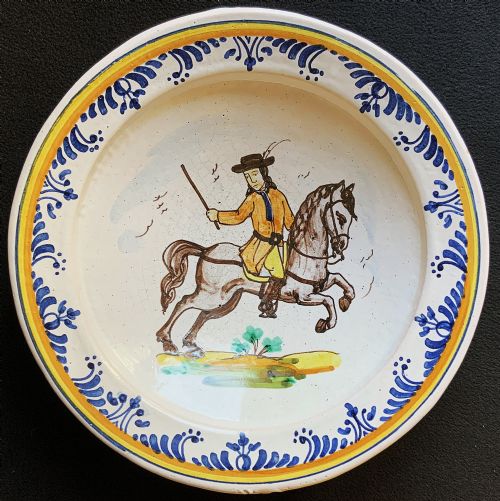
When you search for polychrome earthenware dishes, you encounter a diverse array of plates, chargers, and bowls shaped by centuries of global ceramic traditions. These pieces range from seventeenth-century Dutch and English Delftware chargers to nineteenth-century Japanese Satsuma wares and French faience.
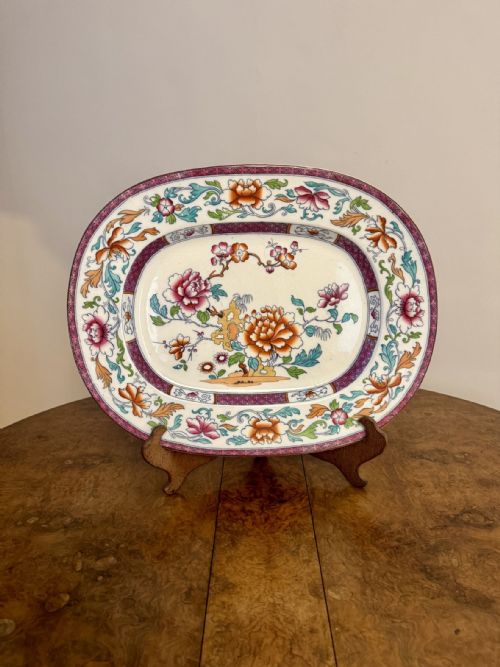
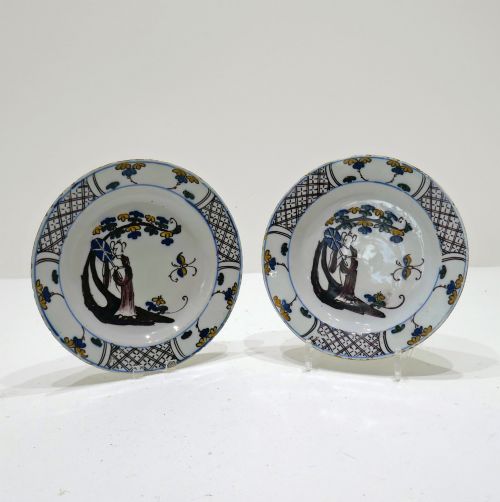
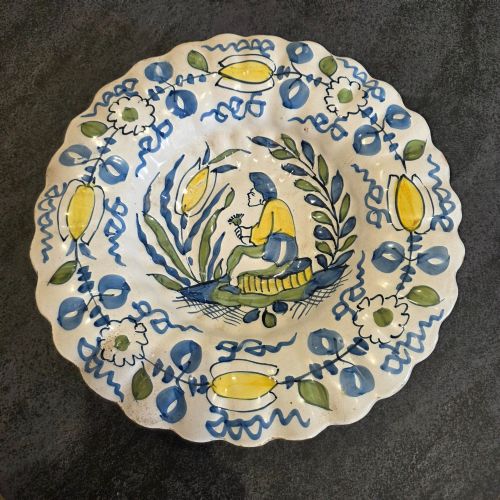
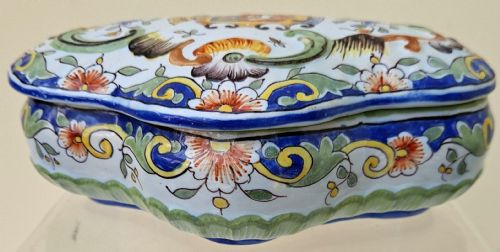
The selections on this page are most commonly found in domestic forms like large chargers, deep bowls, and serving platters. Many display floral, geometric, or figurative motifs executed in vibrant coloured enamels upon a porous earthenware body.
How they were made
Potters formed these items using local clays, which were then coated in a tin glaze or left as a buff earthenware body ready to receive pigments. Artisans applied hand-painted designs using metallic oxide colours that could withstand kiln temperatures.
Many Japanese and European pieces received additional layers of gold leaf or gilt enamelling after the primary firing. This technique highlighted specific details within complex scenes such as birds, flowers, or historical narratives.
Some nineteenth-century platters were specifically dedicated to poultry and game, bringing cheerful illustrations of feathered dinner guests straight to the table.
What varies in quality
The refinement of the brushwork and the complexity of the painted composition distinguish superior examples from standard domestic wares. Pieces featuring multi-figure scenes or intricate thousand-flower patterns demand exceptional skill from the painter.
The stability of the glaze and the precision of the firing process also determine a piece's standing. Uniformity in the tin glaze and minimal kiln distortion separate master workshop output from simpler utilitarian productions.
Mann And Co·C J Mason·Toshozan·Shuzan For Yasuda·Hododa
The Polychrome Earthenware Dishes Glossary
- Delftware
- Tin-glazed earthenware produced in England or the Netherlands, traditionally decorated with blue or polychrome pigments on a white opaque background. This technique originated to imitate imported Chinese porcelain.
- Charger
- A large decorative plate or shallow dish, typically measuring over thirty centimetres across, intended for display on a wall or sideboard rather than daily dining use.
- Satsuma
- Japanese earthenware pottery featuring a crackle-glazed ivory body decorated with elaborate polychrome enamels and gilding. These items were widely exported during the Meiji period.
- Faience
- European tin-glazed earthenware produced in France, Germany, or Spain. The term encompasses various regional styles with distinct glaze characteristics and painting traditions.
Polychrome Earthenware Dishes: Frequently Asked Questions
Were chargers used for dining?
Large chargers served primarily as decorative table centrepieces or wall displays during seventeenth and eighteenth-century feasts. Their substantial size and elaborate painted scenes made them status symbols for wealthy households.
Smaller platters and plates saw more direct use in serving meats and sweetmeat courses. Over time, many chargers transitioned exclusively into decorative display objects.
What is Japanese Satsuma ware?
Satsuma ware is a distinct type of Japanese earthenware characterised by a warm, ivory-coloured body covered in a fine network of crackled glaze. Artisans decorated these surfaces densely with hand-painted polychrome pigments and raised gold leaf.
Production expanded significantly during the Meiji period to satisfy European and American demand for intricate Asian export art. Pieces range from small delicate tea bowls to large exhibition-quality chargers.
How can I tell English Delft from Dutch Delft?
English Delftware often exhibits a slightly pinkish or coarser fabric under the glaze compared to the whiter, finer paste typical of seventeenth and eighteenth-century Dutch production. Regional palette preferences also differ, with English workshops frequently employing specific manganese purples and vibrant copper greens.
Base rims on English plates sometimes display prominent stilt marks left by kiln supports. Examining the footrim and glaze thickness provides further clues to the specific kiln origin.