
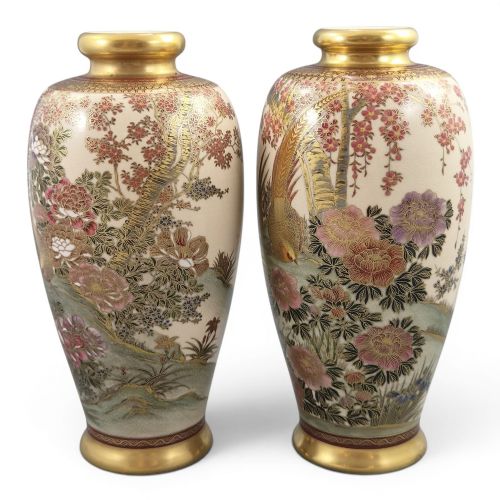


Polychrome Ceramic Birds
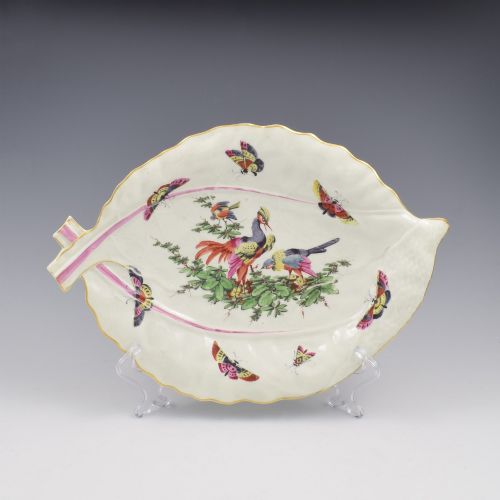
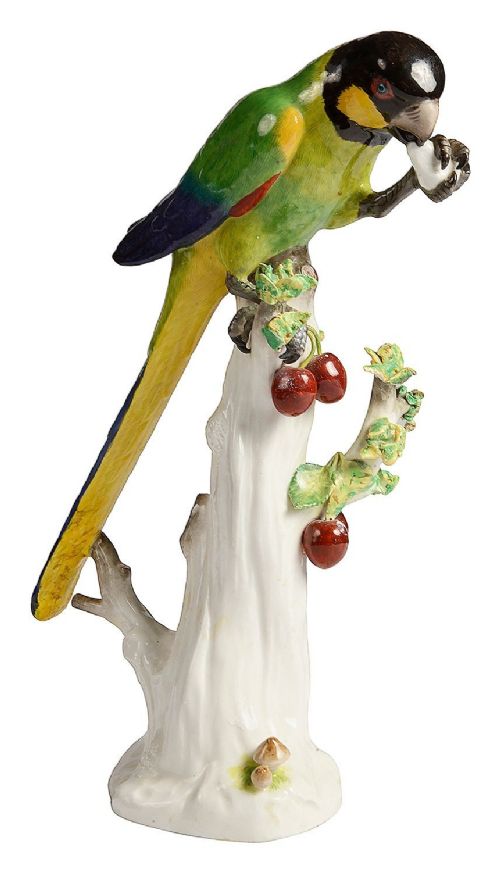
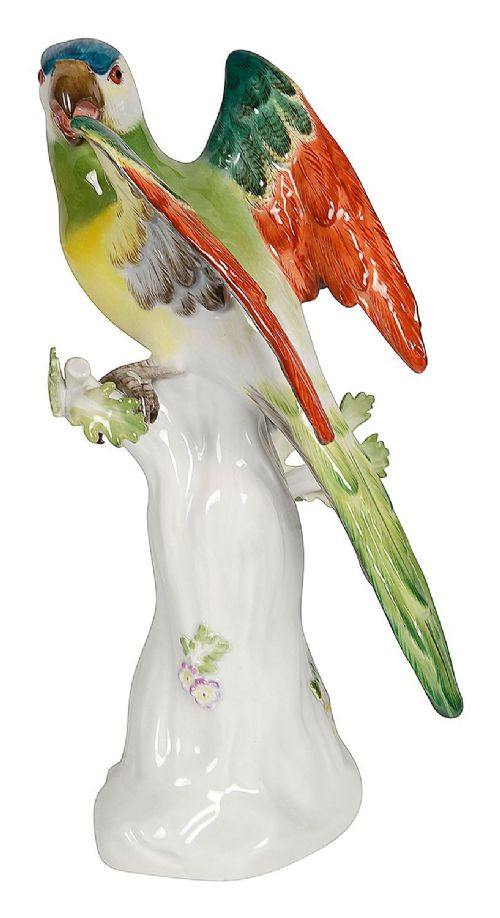
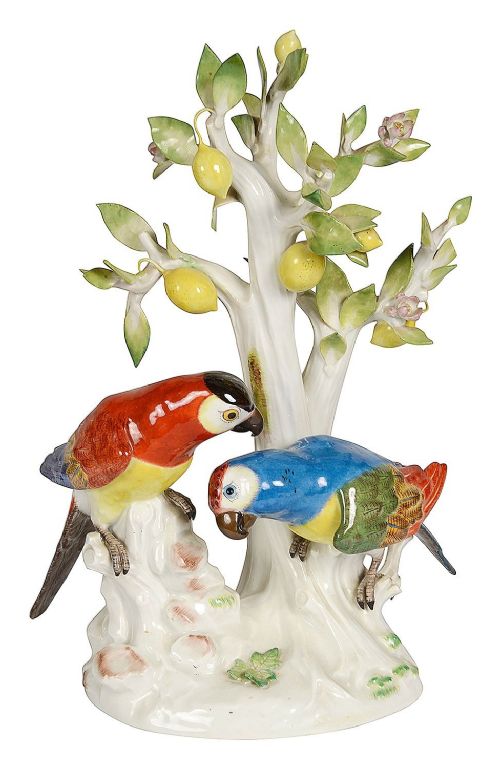
Polychrome ceramic birds encompass hand-painted figures, plates, and vessels carrying vibrant avian subjects that bring movement and rich colour to any interior.
Polychrome Ceramic Birds
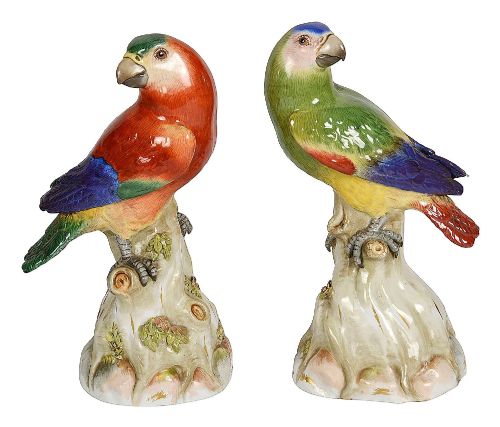
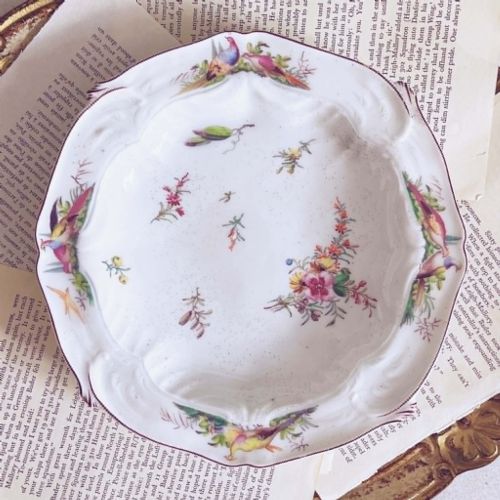
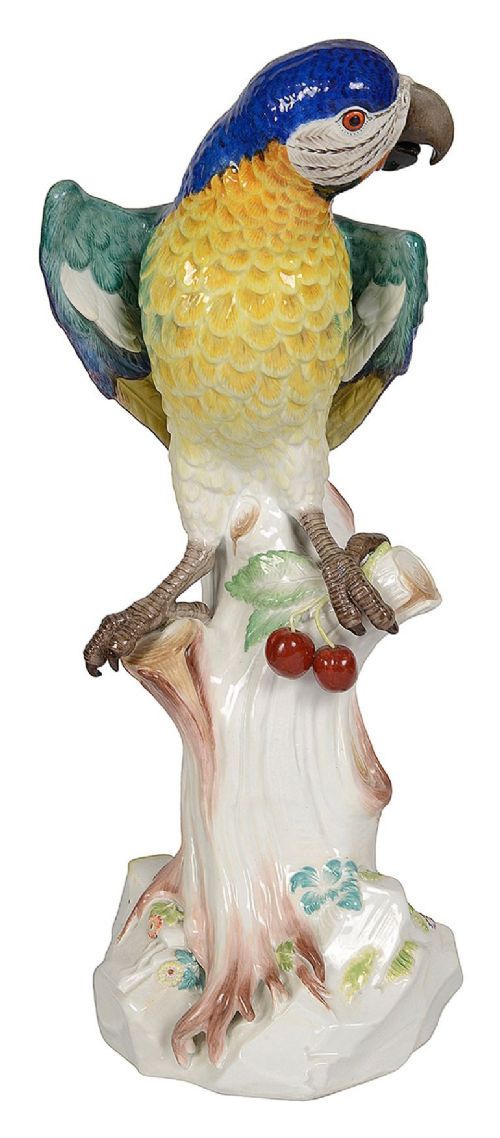
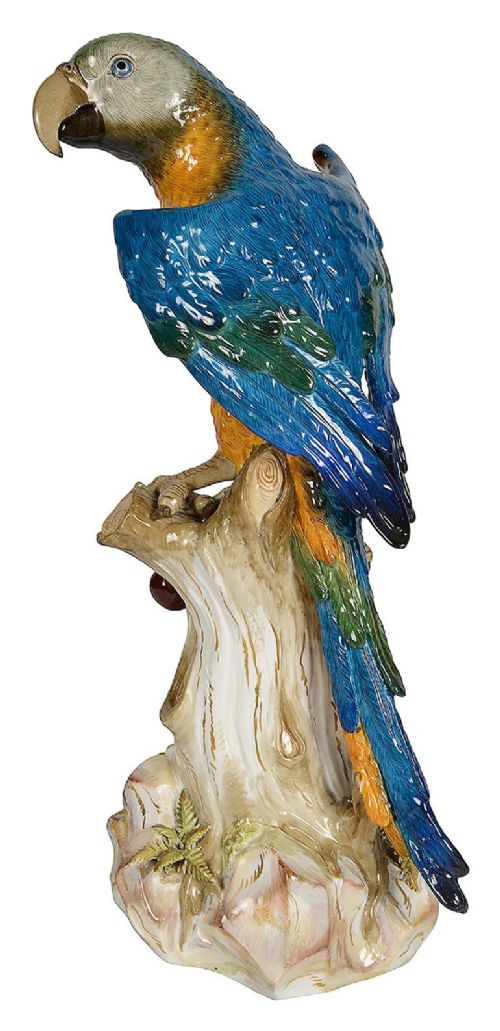
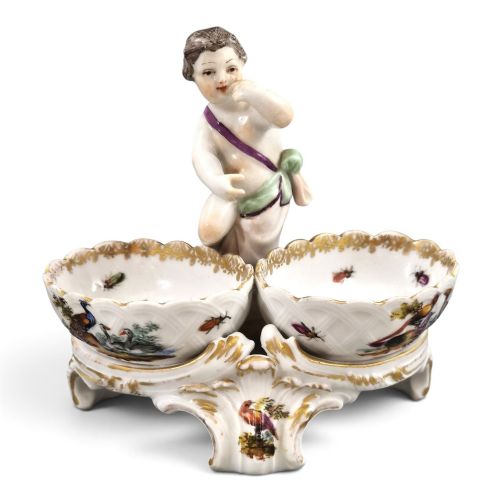
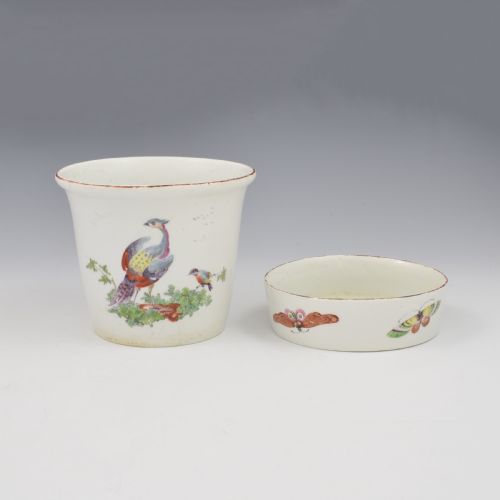
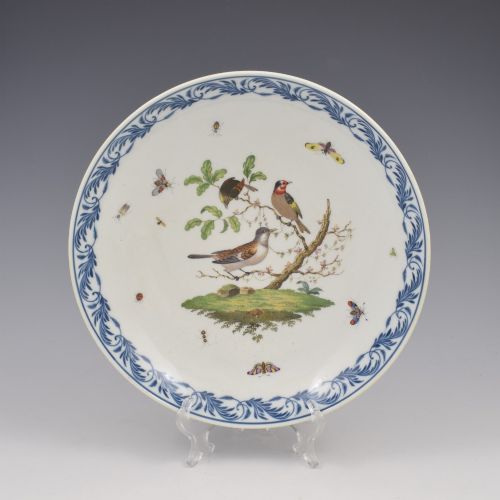
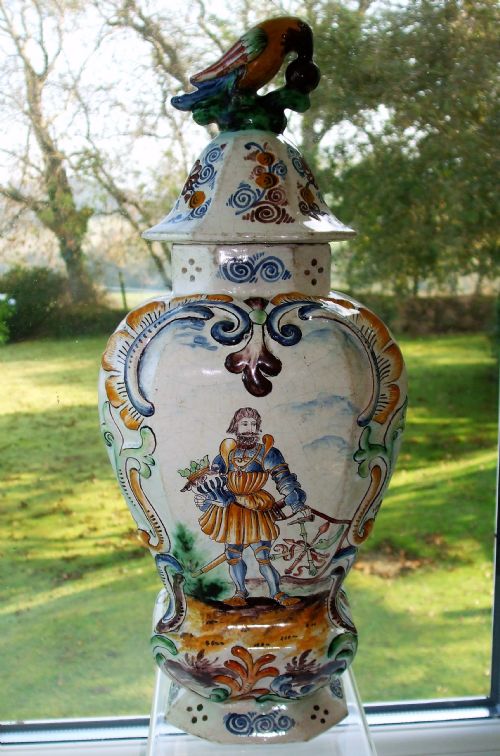
When you search for polychrome ceramic birds, you encounter an array of hand-painted figures, dishes, and vases originating from European factories and Asian kilns. The selection spans structural porcelain parrots, dishes painted with exotic plumage, and earthenware jars adorned with naturalistic flora and fauna.
European examples are predominantly represented by Meissen porcelain figures, Derby tableware, and Delftware vessels dating from the eighteenth and nineteenth centuries. Alongside these, Japanese Satsuma wares and Chinese Famille Rose plates provide contrasting Eastern traditions centred on painted avian motifs.
How they were made
Potters shaped these items using soft-paste porcelain, earthenware, or ironstone, forming sculptural figures or throwing vessels on the wheel before applying initial glazes. Artisans then utilised mineral-based enamel colours to hand-paint detailed plumage and surrounding foliage, often securing the vibrant pigments with a subsequent firing.
Details were frequently heightened with gold leaf or tin-glaze backgrounds, as seen in Dutch Delftware and nineteenth-century German porcelain. The interaction between underglaze forms and overglaze polychrome pigments defines the physical presence of these ceramic birds.
Parrots dominate the nineteenth-century ceramic menagerie, often glaring down from porcelain tree branches with intense, hand-painted expressions.
What varies in quality
Artistic execution dictates the distinction, where master painters achieved lively posture and accurate ornithological detail rather than rigid, stencilled repetition. The crispness of factory marks and the harmonious application of the enamel palette further separate ordinary items from exhibition-standard pieces.
Dr Wall Worcester·Meissen·Chelsea·KPM Berlin·Derby Porcelain·Makuzu Kozan II·Rozenburg·Longwy·Bassano·Fukagawa
The Polychrome Ceramic Birds Glossary
- Polychrome
- Decorated in multiple colours. This technique allows artisans to render complex natural scenes and varied bird plumage using enamel paints.
- Famille Rose
- A major palette of Chinese ceramic glazes introduced in the Qing dynasty, distinguished by opaque pink or rose enamel. The style frequently incorporates detailed depictions of birds and flowers.
- Soft-Paste Porcelain
- A ceramic material composed of white clay and glass-like frits, fired at lower temperatures than hard-paste. It creates a warm, slightly translucent body common in eighteenth-century European pieces.
- Tin-Glazed Earthenware
- Pottery covered with a lead glaze made opaque by the addition of tin oxide. This surface provided a smooth white background for hand-painted polychrome decoration in Dutch and English workshops.
- Sancai
- A traditional Chinese three-colour glaze technique typically combining green, amber, and creamy white. It appears on earthenware and porcelain vessels from various periods.
Polychrome Ceramic Birds: Frequently Asked Questions
How do I identify eighteenth-century pieces?
Eighteenth-century items typically exhibit soft-paste bodies, hand-potted irregularities, and specific underglaze blue or painted factory marks associated with early European kilns. Examining the base and the softness of the enamel colours helps determine the period.
Studying authentic examples from manufactories like Chelsea or Worcester reveals the distinct potting techniques and glaze characteristics unique to that era.
Where were Japanese Satsuma birds made?
Japanese Satsuma wares originated in the Satsuma Province of Kyushu, though production later expanded to urban centres like Kyoto and Kobe for export markets.
These pieces feature a distinctive ivory-crackled earthenware glaze decorated with elaborate enamels and gilding by skilled artists.
How should I display ceramic bird figures?
Ceramic bird figures and plates require stable placement away from direct sunlight and heavy foot traffic to protect delicate hand-painted enamel and gilt surfaces. Displaying them on secure shelving or within enclosed cabinets ensures safety while highlighting their polychrome details.
Pairing figures with natural wood surfaces or neutral backgrounds allows the vibrant colours of the plumage to stand out clearly.
What is the difference between porcelain and ironstone?
Porcelain is a vitrified ceramic material made from kaolin and petuntse, fired at high temperatures to achieve translucency and a fine white body. Ironstone is a dense, durable type of earthenware developed in the nineteenth century to imitate porcelain.
While porcelain offers a delicate resonance and refined translucency, ironstone provides robust utility for daily tableware such as chargers and posy vases.