



Polished Metal Curb
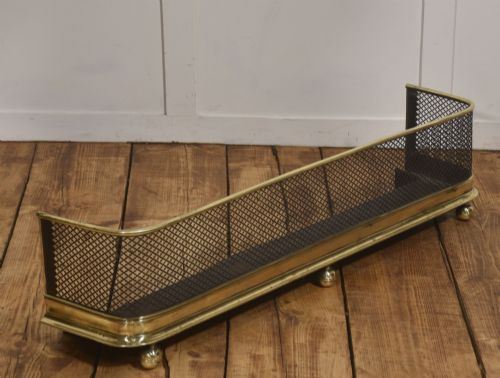
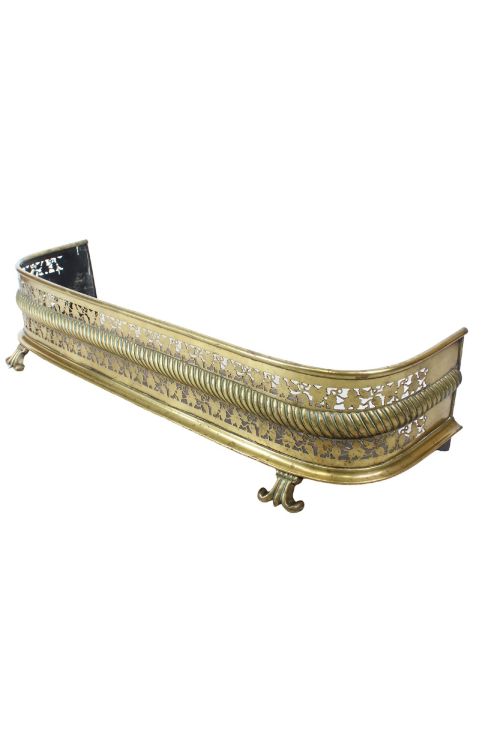
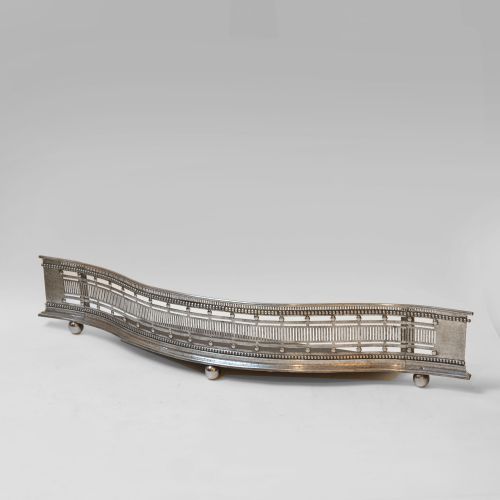
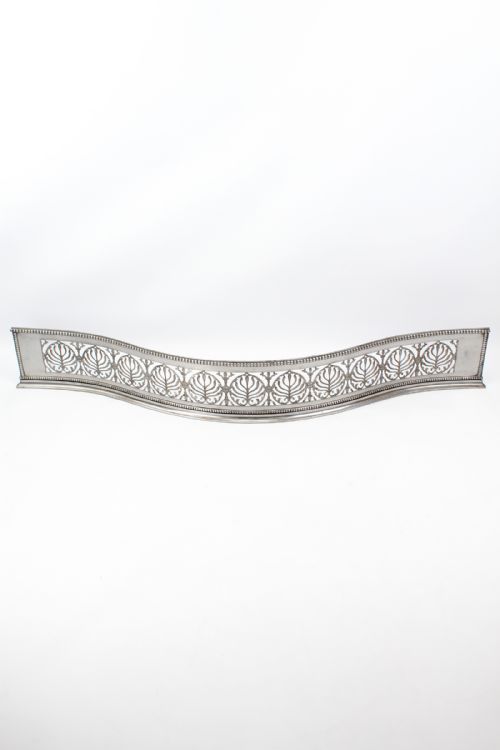
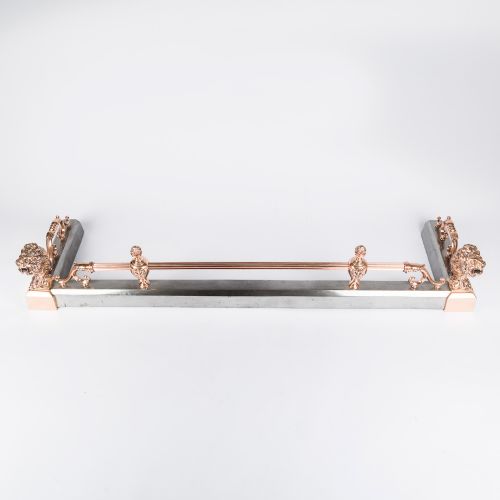
These polished metal curb pieces are hearth fenders framing the fireplace, chosen to protect the floor from embers and finish the room with period metalwork.
Polished Metal Curb
A polished metal curb forms the protective barrier around the hearth, sitting directly on the floor before the fireplace. The inventory shows these pieces primarily functioning as fireplace accessories, hearth fenders, and fire fenders designed to contain ash and sparks.
Most examples encountered here belong to the Georgian and Victorian periods, alongside Regency and Edwardian pieces. Buyers frequently meet steel, brass, and iron constructions shaped in serpentine or bowfront designs.
Makers shaped these hearth fenders to fit domestic grates using durable metals that withstand daily fireside heat. Forms range from simple extending rails to elaborately pierced and engraved guards.
How they were made
Blacksmiths and metalworkers forged these hearth curbs using steel, brass, iron, and copper. Pieces combine polished steel bodies with contrasting brass mounts, lions, or floral motifs.
Techniques relied on piercing, engraving, and casting to decorate the metal surfaces. Pierced brass plates and engraved steel fronts require patient handwork by skilled metalworkers.
Polished Metal Curb Retail Price Guide 2026
Typical asking prices for polished metal curb among the pieces listed under this phrase on Sellingantiques today, from the lower quarter to the upper quarter. They describe what is for sale here now, not the wider market.
Listings feature steel, brass, iron, and copper materials across Georgian, Victorian, Regency, and Edwardian periods.
What varies in quality
The sophistication of the metalwork separates the finer examples from standard items. Hand-engraved steel and finely pierced brass demand greater skill than plain rolled sections.
Detailing such as cast brass lions or dragon motifs elevates the piece beyond a utilitarian hearth guard. The harmony between mixed metals, such as steel paired with copper, indicates superior workshop design.
The Polished Metal Curb Glossary
- Serpentine
- A gently curving front line shaped like a snake's movement. This silhouette appears frequently on Georgian steel hearth fenders.
- Bowfront
- A rounded, outward-curving front profile. It gives the metal curb a softer outline against the straight hearth.
- Pierced
- Perforated with decorative cut-out patterns. Brass and steel plates feature this technique to allow light through while containing embers.
- Curb
- The low metal barrier enclosing a hearth. It serves the same purpose as a fender, keeping fuel and ash contained.
- Extending
- Adjustable in width to fit different fireplace openings. Nineteenth-century examples often use sliding sections for this flexibility.
Polished Metal Curb: Frequently Asked Questions
What is a polished metal curb?
A polished metal curb is a hearth fender designed to sit around the base of a fireplace. It provides a physical barrier between the open fire and the room's flooring.
These pieces use durable materials like steel, brass, and iron to withstand heat. They date from periods including the Georgian, Regency, and Victorian eras.
How do I measure for a fender?
Measure the width of your fireplace hearth and the depth of the recess where the curb will rest. Fenders must sit squarely on the floor around the grate.
Some nineteenth-century examples are extending pieces, allowing you to adjust the width. Check whether your hearth requires a straight front or a serpentine curve.
Are steel and brass mixed?
Many period pieces combine polished steel with brass details, mounts, or feet. Makers used contrasting metals to create decorative visual effects.
Items may feature steel bodies with brass lions, flower motifs, or copper elements. This mixed-metal construction is typical of nineteenth-century hearth accessories.