


Polished Brass Pedestal
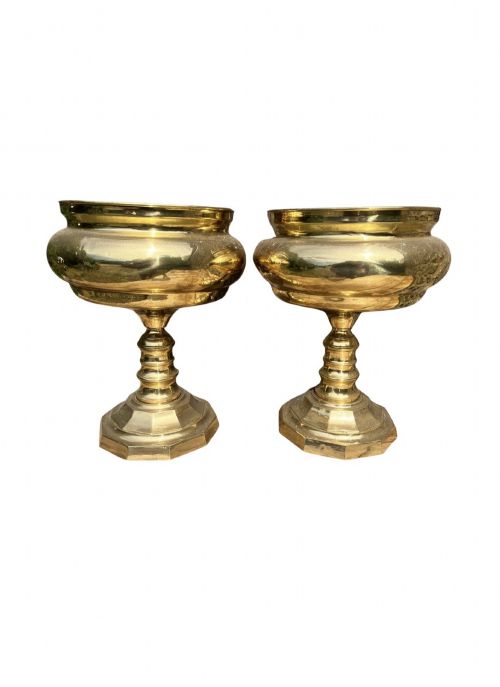
A polished brass pedestal brings a bright metallic reflection and a solid stance to a room, forming a classic support for plants or decorative bowls.
Polished Brass Pedestal
When you search for a polished brass pedestal, you encounter plant stands, jardiniere stands, and occasional tables that elevate displays above floor level. These items combine a reflective metal finish with sturdy structural forms originating from various historical periods.
The selections span from Victorian planter stands to Amsterdam School style brass and marble tables from around nineteen hundred. You also find early twentieth century jardiniere stands alongside nineteenth century examples.
The forms range from dedicated plant stands to tables and coal containers featuring brass components. Each piece serves to lift an object into view while introducing a metallic sheen to the interior.
Materials and construction methods
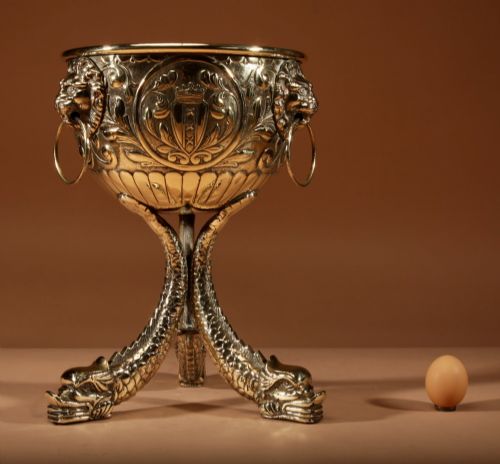
Construction relies on brass, often combined with complementary materials such as mahogany, hardwood, glass, and marble. Metal components are cast, pressed, or embossed to create decorative surfaces and structural supports.
Makers paired the polished brass with stone or timber elements, as seen in pieces featuring marble tops or wooden stands. Surface detailing includes embossed patterns and smooth polished finishes that catch the light.
Some stands double as coffee tables, plant holders, and lamp supports all at once, refusing to be pigeonholed by a single job.
Assessing quality in metal and stand design
Quality shows in the weight of the metal and the crispness of any cast or embossed ornamentation. Heavier gauge brass and precise assembly separate standard utility items from finer decorative pieces.
The integration of mixed materials, such as fitted marble inserts or solid hardwood frames, indicates the level of ambition in the maker's design. Better examples maintain structural stability while displaying refined surface finishing.
Bloctube Controls·Benson Electric Co USA
The Polished Brass Pedestal Glossary
- Jardiniere
- A large ornamental pot or stand for holding plants or flowers. They often sit on matching pedestals or floor stands.
- Dinanderie
- The medieval and later art of working in brass or copper, producing beaten and cast objects. This term covers various embossed and cast vessels.
- Purdonium
- A box or scuttle designed for holding coal near a fireplace. These containers frequently incorporate brass fittings and stands.
- Tazza
- A shallow saucer-like dish mounted on a stem and foot. They function as decorative bowls or display pieces.
- Amsterdam School
- An architectural and design style of the early twentieth century known for expressive forms and rich detailing. Pieces in this style often combine brass with stone.
Polished Brass Pedestal: Frequently Asked Questions
What are polished brass pedestal stands used for?
These pieces primarily serve to elevate plants, jardinieres, and decorative bowls above the floor. They place floral displays or decorative objects at a convenient viewing height.
In period interiors, they also functioned as lamp tables or occasional surfaces. The reflective metal finish adds brightness to room corners.
How do I identify the period of a brass stand?
Dating relies on stylistic clues, manufacturing techniques, and associated materials like mahogany or marble. Victorian pieces often feature pressed brass decoration, while early twentieth century examples show influences like the Amsterdam School.
Construction methods also help indicate age, moving from hand-finished casting to later industrial production. Comparing the decorative motifs to documented design periods confirms the timeline.
Are these stands suitable for heavy plants?
Most stands are built to support the weight of potted plants and filled jardinieres securely. The stability depends on the width of the base and the weight distribution of the design.
Heavier marble-topped combinations offer a very solid platform for larger displays. Checking the structural joinery ensures the stand remains steady under load.
How should I clean polished brass?
Maintenance involves gentle dusting and occasional cleaning with a mild, non-abrasive metal cleaner to preserve the shine. Avoid harsh scouring pads that can scratch the polished surface.
Maintaining the original patina is often preferred by collectors over achieving a bright mirror finish. Regular soft cloth wiping prevents dust buildup in embossed details.