




Pocket Watch Chain Pendant
A pocket watch chain pendant brings nineteenth and early twentieth-century metalwork straight to the neck, offering functional chains and fobs repurposed as striking modern pendants.
Pocket Watch Chain Pendant
When you examine a pocket watch chain pendant, you look at pieces originally forged to secure timepieces in pockets, now adapted for contemporary wear. These items bridge utilitarian history and decorative adornment, holding a distinct place in historical jewellery.
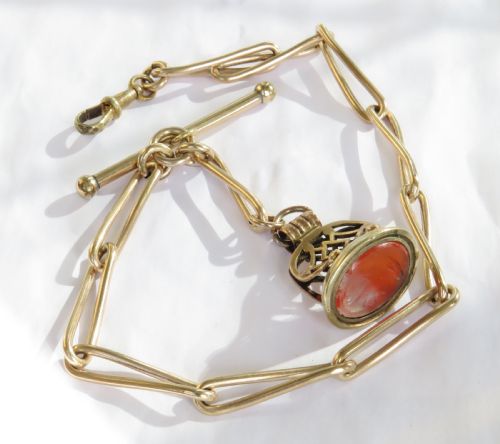
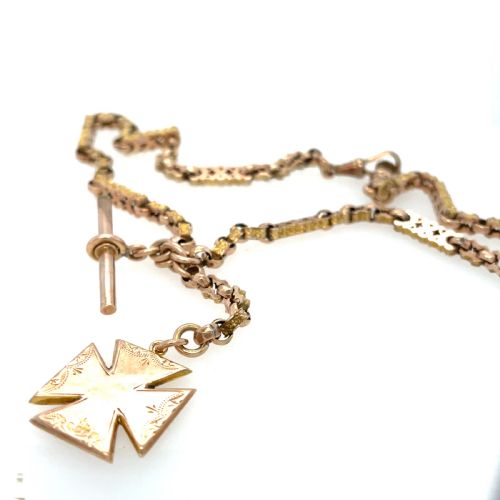
The most common examples encountered on this page combine sterling silver or nine-carat gold links with traditional dog clips, T-bars, and dangling fobs. Such configurations preserve the mechanical integrity of the original chains while serving as substantial neckpieces.
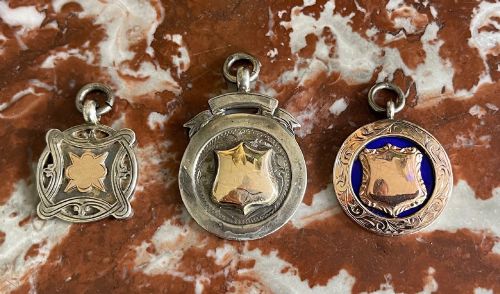
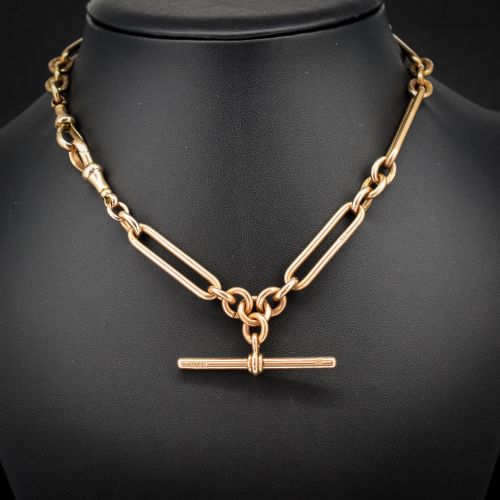
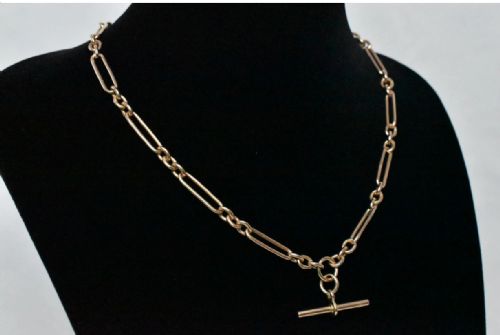
Origins stretch across the Victorian, Edwardian, and Art Deco eras, capturing stylistic shifts from ornate floral motifs to geometric lines. Pieces range from simple curb links to complex trombone links integrated with commemorative medals or seal fobs.
Materials and Construction
Metals form the core of these items, utilising sterling silver, solid yellow gold, nine-carat rose gold, and rolled gold alongside occasional enamel accents. Craftsmen shaped these materials into uniform curb links, elongated trombone links, and decorative casings.
Assembly relied on manual soldering and mechanical joining to attach functional hardware like dog clips and swivel clasps. Goldsmiths and silversmiths incorporated hallmarks, stamps, and engraved medallions to mark purity and origin.
Listings span from the late nineteenth century through the 1940s, featuring sterling silver, nine-carat yellow and rose gold, and enamel.
Distinctions in Quality
Subtle shifts in weight and metal purity separate standard utility chains from exceptional presentation pieces. Heavier solid gold and thick sterling silver specimens maintain structural rigidity, whereas rolled gold versions depend on surface plating over a base core.
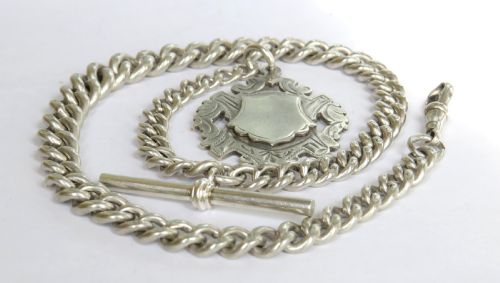
The sophistication of the attached components dictates the overall merit of an item. Intricately engraved seal fobs, enamel novelty charms, and fully marked Birmingham silver medals demonstrate superior craftsmanship compared to plain links.
Crisford and Norris
The Pocket Watch Chain Pendant Glossary
- Albert chain
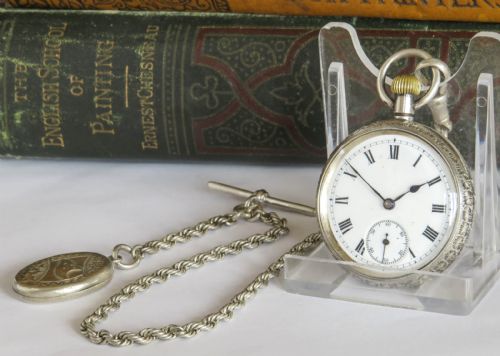
- A type of watch chain designed to secure a pocket watch, named after Prince Albert. These chains often feature a T-bar at one end and a dog clip at the other.
- Dog clip
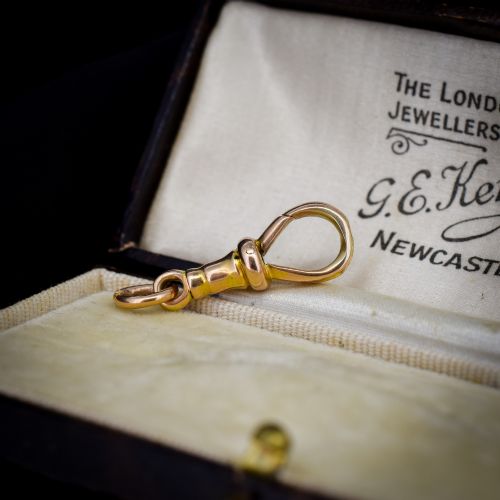
- A spring-loaded swivel clasp used to fasten watch chains to fobs or pocket watch loops. This mechanism allows the attached charm to rotate freely without twisting the link.
- T-bar
- A short transverse bar attached to the centre of a watch chain. It was originally passed through a buttonhole to anchor the chain securely to a waistcoat.
- Fob
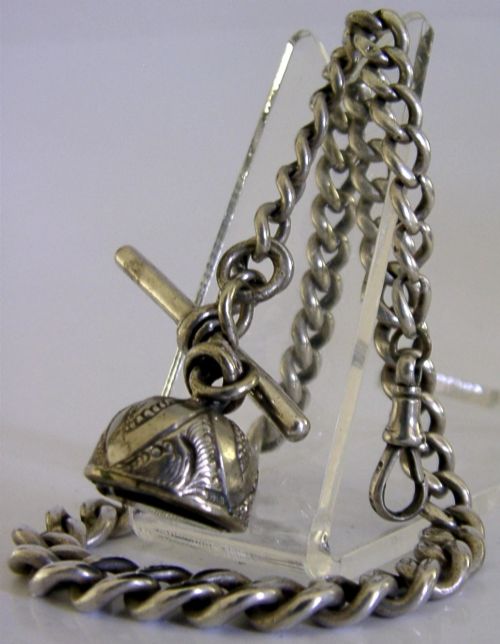
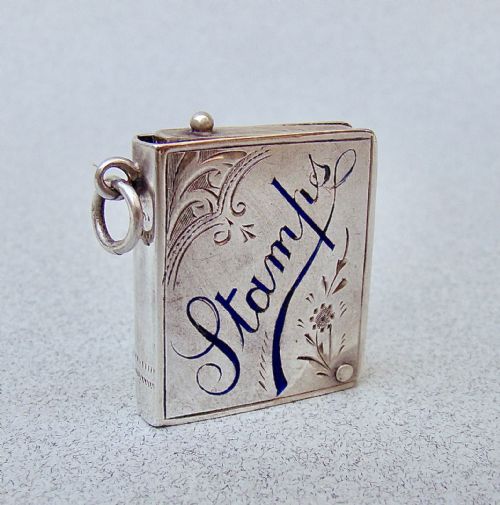
- A small ornament, medallion, or seal attached to a pocket watch chain. Examples include stamp cases, striker tinder boxes, and engraved silver medals.
- Trombone link
- A distinctive watch chain link shape featuring elongated rectangular loops joined by smaller circular rings. This pattern mimics the geometry of musical instruments.
Pocket Watch Chain Pendant: Frequently Asked Questions
How do I wear a pocket watch chain pendant?
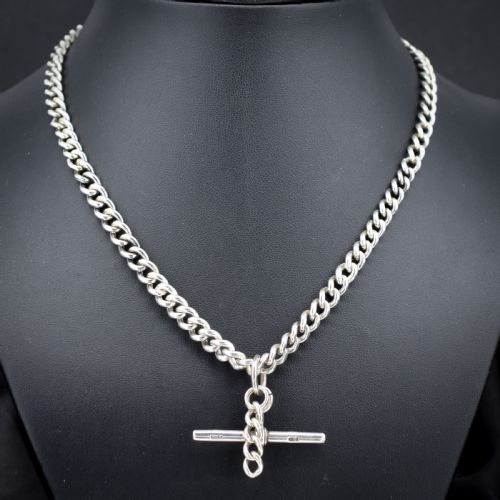
These pieces function as necklaces by utilising the existing length of the chain, often draped with the T-bar and dog clip hanging centrally as decorative elements. The built-in clasps allow the wearer to attach or remove supplementary fobs and charms depending on personal preference.
The substantial weight of solid silver or gold variants makes them suitable for wearing against heavier fabrics or as statement pieces on bare skin. Adjusting how the chain sits relies on selecting lengths that range from compact fourteen-inch configurations to longer twenty-inch designs.
What is the difference between an albert chain and a standard link chain?
An albert chain incorporates specific structural components including a T-bar and a dog clip designed for securing pocket watches. Standard link necklaces lack these specific anchor points and are built purely for decorative neck wear.
Many listings on this page feature converted albert chains utilised directly as pendants due to their decorative hardware. The presence of the original T-bar often remains as a distinctive stylistic feature near the drop.
How can I tell the Victorian pieces apart from later eras?
Victorian pieces typically display heavier gauges of silver and rose gold, often accompanied by intricate floral engravings or mourning motifs. The construction leans toward robust curb links and substantial seal fobs characteristic of nineteenth-century manufacturing.
Edwardian and Art Deco examples shift toward lighter constructions, trombone links, and geometric medallions. Pieces from the nineteen-twenties and thirties frequently incorporate enamel work or cleaner lines influenced by changing modern tastes.
What materials were commonly used for these fobs?
Sterling silver and nine-carat gold dominate the construction of both the chains and their hanging fobs. Enamel is frequently introduced to add colour to novelty items like miniature darts boards or decorative medals.
Specialised fobs double as functional items, including sovereign cases for holding gold coins, striker tinder boxes, and personal wax seals. Rolled gold also appears as a durable alternative to solid precious metals.