




Playing Card Holder
When you search for playing card holder, you are looking for small boxes and caskets designed to store and protect decks during parlour and table games.
Playing Card Holder
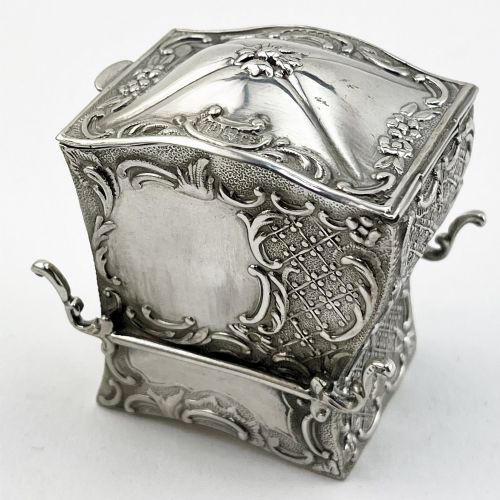
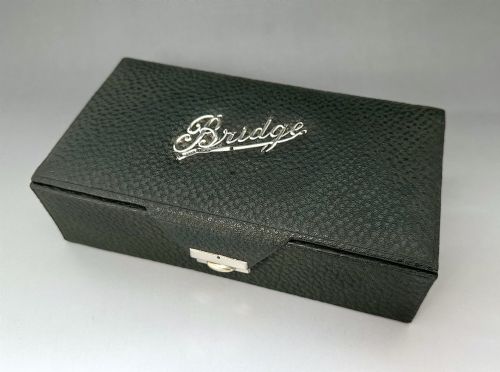
When you search for playing card holder, you meet items designated as playing card boxes, bridge boxes, games boxes, and patience boxes. These pieces emerge across the nineteenth century and the twentieth century, covering Victorian, Edwardian, Art Deco, and Mid-Century Modernist styles.
Origins span English, French, and Italian makers, reflecting how parlour pastimes and card games shaped domestic accessories across Europe. Each piece serves to keep decks orderly on the card table or sideboard.
How they were made
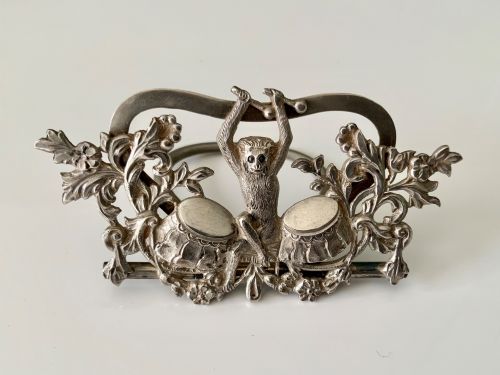
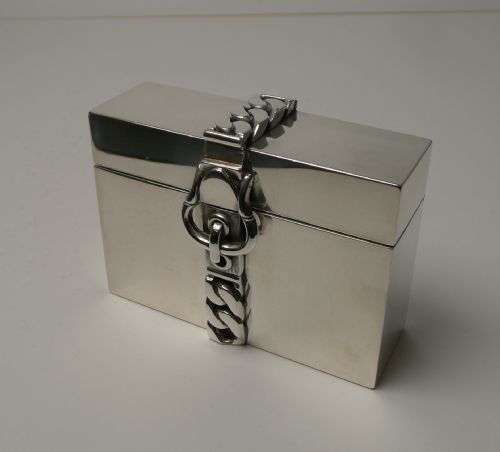
Silversmiths shaped sterling silver and 800 silver into protective outer casings, frequently mounting them onto leather or combining them with tortoiseshell. These metal elements display hallmarks and chased detailing particular to their period of manufacture.
Cabinetmakers utilised timber such as satinwood and burr walnut to construct wooden caskets, applying fine finishes to highlight the natural grain. Fabric linings inside the boxes protected the delicate pasteboards from friction and moisture.
Listings span the Edwardian period, the 19th Century, the Victorian era, 1900, 1930, 1950, and 1960.
What varies in quality
The distinction between standard items and finer examples lies in the selection of materials, such as the use of solid sterling silver or figured burr walnut rather than plain metal or simple wood. Craftsmanship in the hinges, silver mounts, and internal trays indicates the level of skill invested by the maker.
Condition and completeness also separate the pieces, particularly where interior fabric linings, rising card mechanisms, or tortoiseshell insets remain intact. Pieces that retain their original fitted trays and clear hallmarks command greater interest from collectors.
The Playing Card Holder Glossary
- Bridge box
- A small container specifically sized to hold two decks of cards used for the game of bridge. These often feature dual compartments.
- Patience box
- A dedicated box designed to hold a single deck of cards used for solitaire or patience games. They appear in compact forms suited to individual play.
- Sterling silver
- An alloy containing 92.5 percent silver by mass, widely utilised in British silver boxes for durability and lustre. It bears official assay office hallmarks.
- Burr walnut
- A prized timber harvested from the burl growth of a walnut tree, known for its swirling, decorative grain patterns. Cabinetmakers employed it to face high-end caskets.
- Satinwood
- A durable, yellowish wood with a lustrous, satin-like sheen, frequently used by nineteenth-century French and English cabinetmakers for decorative boxes.
Playing Card Holder: Frequently Asked Questions
What is a playing card holder?
A playing card holder is a decorative box or casket built to store paper card decks safely when not in use. They keep parlour game accessories organised on tables.
Most examples date from the Victorian and Edwardian eras, constructed from silver, leather, or fine woods.
How were bridge boxes used?
Bridge boxes held the cards required for partnership card games popular in the early twentieth century. They often contained two distinct compartments for the dual decks.
Players kept them on drawing room tables for easy access during evening gatherings.
What materials are common?
Common materials include sterling silver, leather, brass, and timber such as satinwood and burr walnut. Some examples incorporate tortoiseshell or fabric linings.
Metal components frequently display hallmarks indicating the year and place of assay.
How do I date a silver box?
Silver boxes are dated using the hallmarks stamped into the metal by official assay offices. These marks reveal the year of manufacture and the maker's mark.
Stylistic cues such as Edwardian restraint or Victorian ornamentation also help place the piece in its era.