
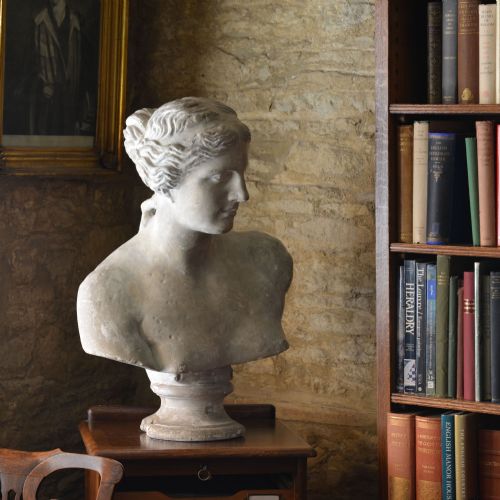


Plaster Head Sculpture
Plaster head sculpture brings classical presence and literary figures directly into a room, spanning the nineteenth century up to the art deco era.
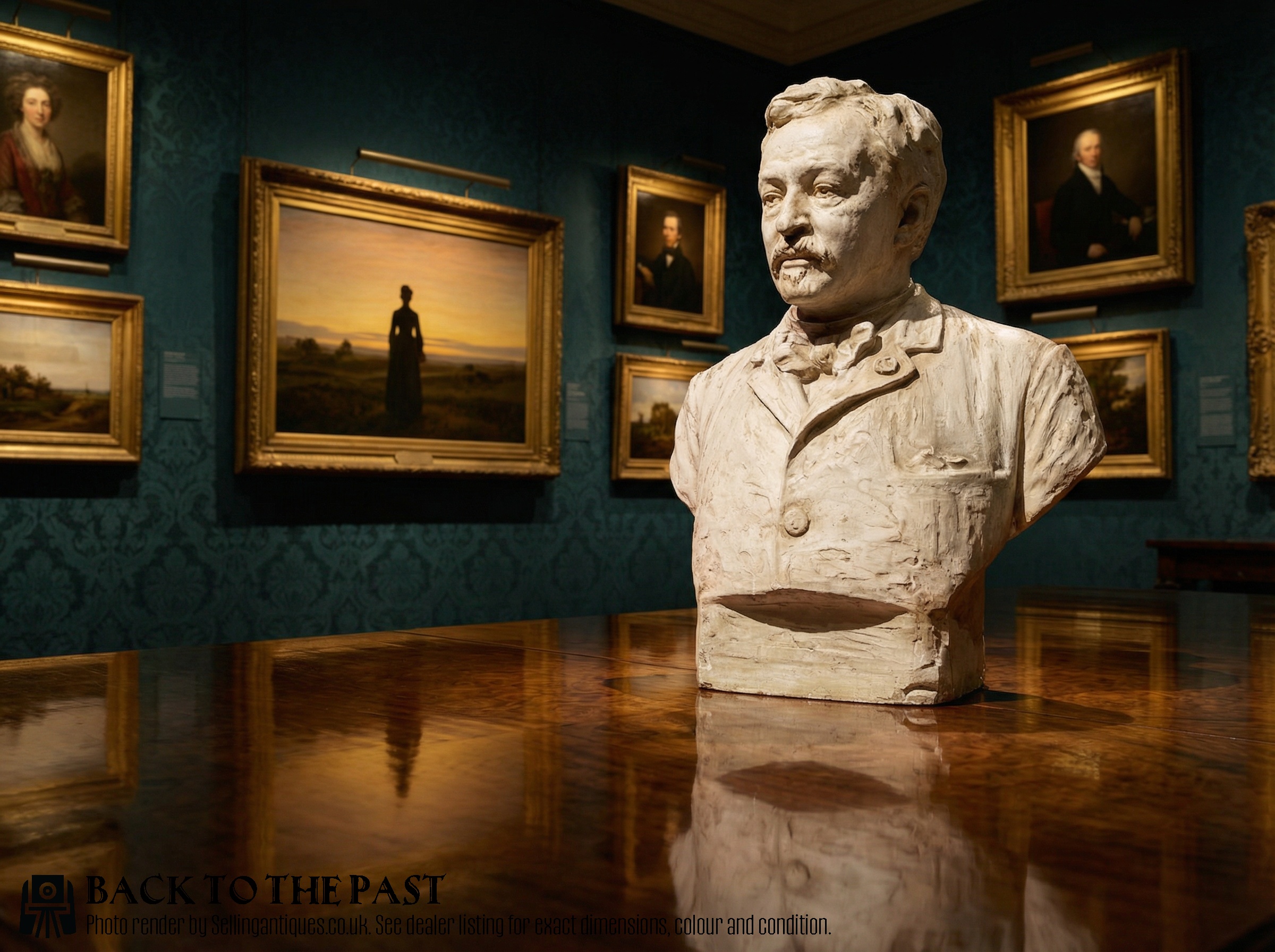
Plaster Head Sculpture
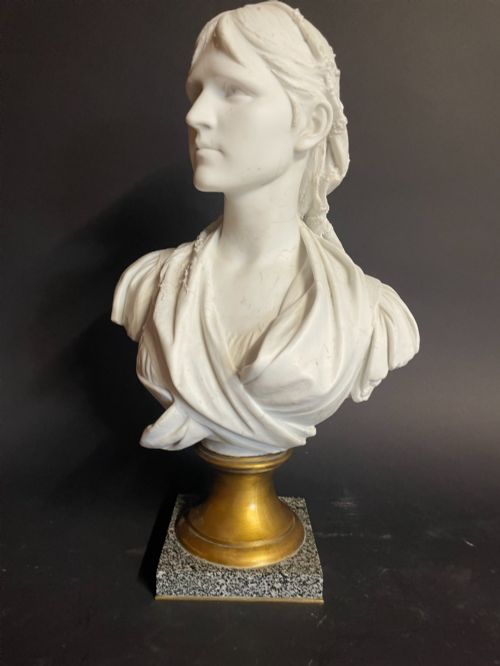
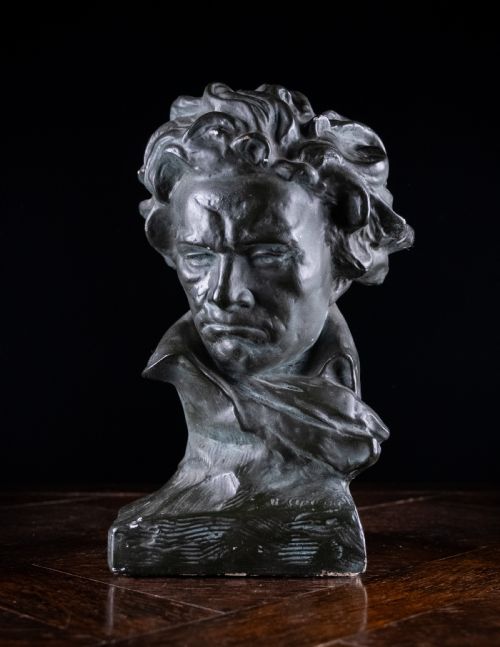
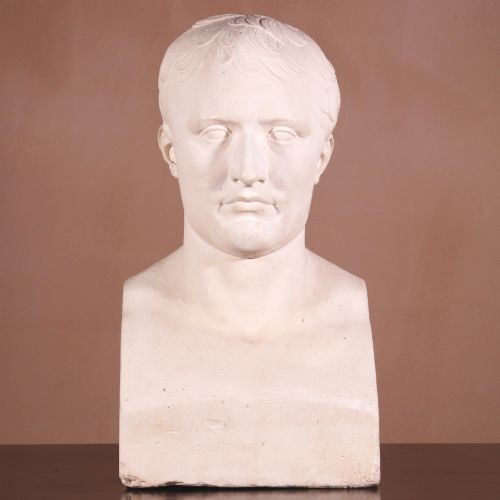
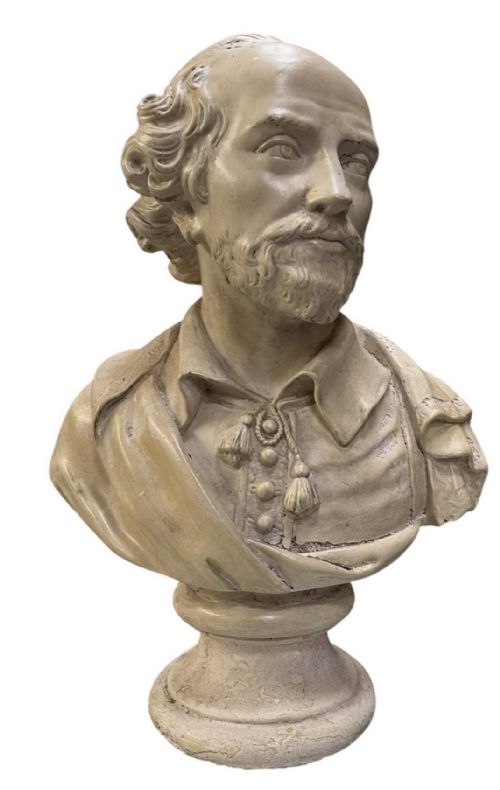
A plaster head sculpture typically takes the form of a portrait bust, depicting historical figures, classical emperors, literary icons, and theatrical subjects. These works draw heavily from neoclassical and classical revival traditions, capturing subjects like Beethoven, Shakespeare, Napoleon, and ancient deities.
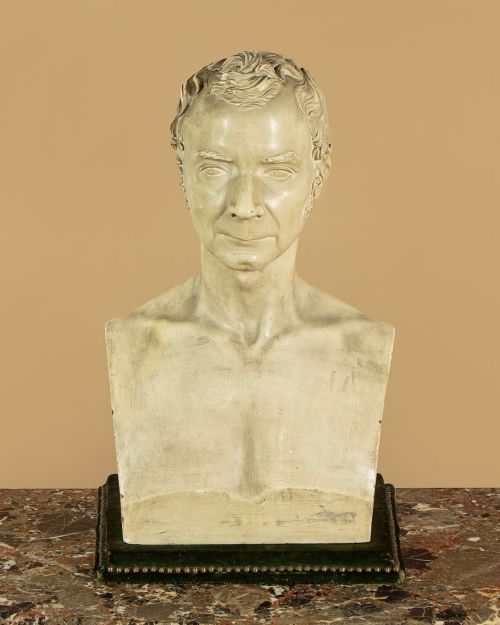
The versions most commonly met on this page range from nineteenth-century library busts to early twentieth-century decorative pieces and theatrical props. Makers often rendered these subjects to mimic heavier materials, producing simulated stone finishes alongside painted and patinated surfaces.
How they were made
Plaster and gypsum form the primary body of these works, frequently reinforced with gesso and supported by wooden elements or brass fixings. Artisans poured or pressed the mixture into moulds to capture fine facial details, drapery, and hair before refining the surface by hand.
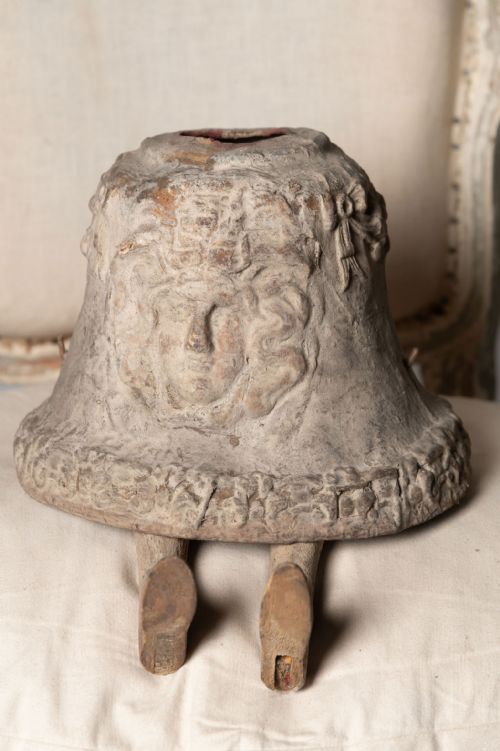
Makers finished these sculptures using various techniques, applying paint, gold leaf, or patination to alter the visual weight of the piece. Some works incorporate terracotta or simulated stone effects to imitate bronze or carved marble.
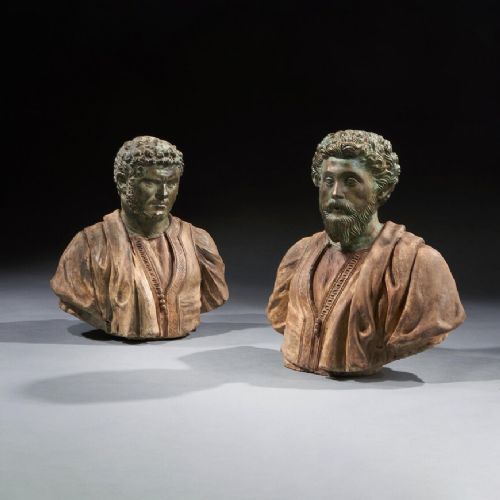
Roman emperors Marcus Aurelius and Caracalla keep a stern, watchful eye over the collection alongside Ludwig van Beethoven.
What varies in quality
Quality rests in the crispness of the modelling and the fidelity to the underlying form, distinguishing a sharp library bust from a soft, worn secondary cast. Finer examples retain the subtle facial expressions and anatomical depth intended by the original sculptor.
The sophistication of the surface finish also separates the tiers, with skilled patination, thoughtful paint application, and integrated wall brackets or stands elevating the decorative impact of the sculpture.
Raffaelo Monti·Antonio Rossellino·Bohumil Rezl·Epstein
The Plaster Head Sculpture Glossary
- Plaster
- A workable mixture of gypsum and water that hardens into a solid shape, used extensively for interior sculptural casts and library busts. It allows intricate details of hair and drapery to be reproduced efficiently.
- Gesso
- A traditional paint mixture consisting of a binder mixed with chalk, gypsum, or pigment, applied to prepare or smooth surfaces. It provides a dense base for subsequent gilding or painting.
- Corbel
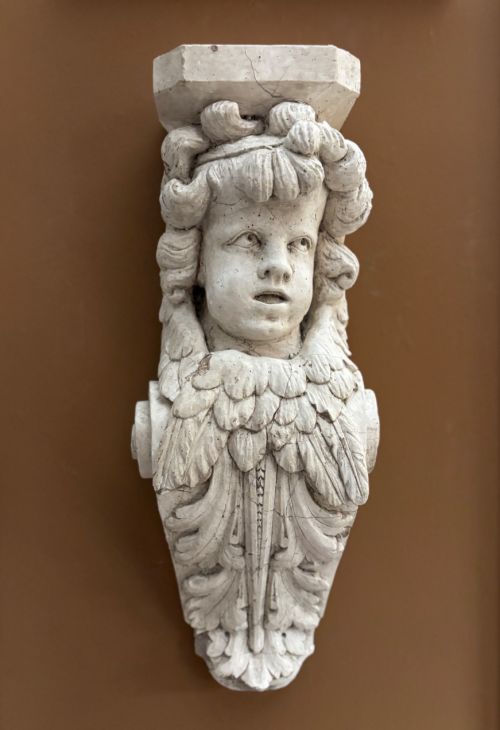
- A structural or decorative projection from a wall that supports a weight, often taking the form of a bracket beneath a bust. In plaster work, these serve as decorative plinths or wall mounts.
- Patination
- The ageing or artificial treatment of a surface to simulate natural wear and metallic or stone finishes. This process adds depth and historical character to plaster and gypsum objects.
Plaster Head Sculpture: Frequently Asked Questions
How do I hang a wall mask?
Wall masks and brackets require secure fixings into solid masonry or wall studs to support the weight of the plaster safely. Ensure the integrated hanging loop or bracket is fully stable before mounting.
Position the piece at eye level to replicate how classical portraits and theatrical props were historically displayed in libraries and reception rooms.
What periods do these busts span?
The selection covers items from the mid nineteenth century through the Edwardian period and into the nineteen thirties. Victorian and neoclassical styles dominate the earlier offerings.
Later pieces often reflect art deco aesthetics or theatrical prop work, showing shifts in interior decoration tastes across the decades.
How do I clean painted plaster?
Dust the surface gently using a soft, dry brush to prevent dirt settling into the fine details of the plaster and paint. Avoid using water or liquid cleaners, which can soften the gypsum or damage applied finishes.
Handle the sculpture with clean hands and support the base and head together to protect fragile projections and brackets.
Are these pieces solid plaster?
Most works consist of cast plaster or gypsum, sometimes reinforced with wood, gesso, or internal armatures for structural stability. Some items incorporate simulated stone or terracotta finishes to mimic heavier sculptural materials.
Weight varies depending on the scale of the bust and whether it includes an attached wall bracket or wooden stand.