




Pink Turkish Area Rug
A pink turkish area rug brings warmth and historic pattern into a room through hand-knotted wool and cotton construction.
Pink Turkish Area Rug
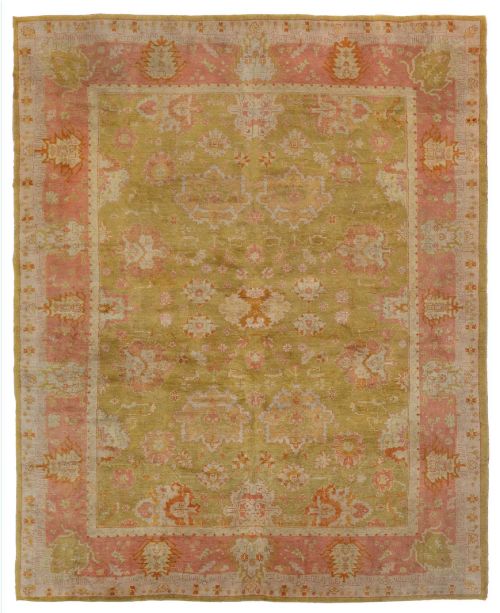
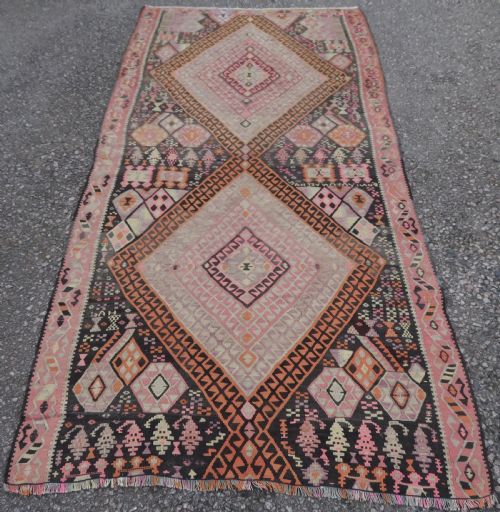
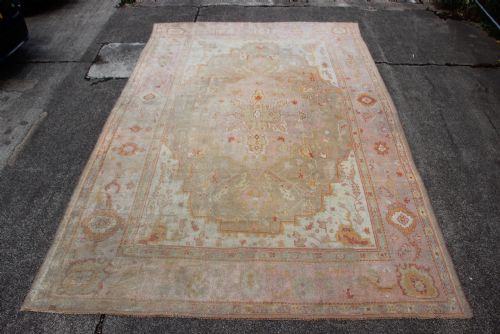
A pink turkish area rug encompasses hand-knotted floor coverings originating from Anatolia during the late nineteenth and early twentieth centuries. These pieces typically display traditional regional styles such as Ottoman, Oushak, Kirsehir, Sivas, Bandirma, Monastir, and Kula designs. Buyers encountering this selection will find large carpets as well as smaller area rugs and prayer formats.
The palette centres on soft pinks, pastel colours, and pale grounds, often featuring medallion layouts, willow tree motifs, or classical Anatolian patterns. Dating spans from the nineteenth century through to 1920, with examples recorded from 1880, 1890, and 1900. These floor coverings bridge centuries of weaving tradition and contemporary interior schemes.
Construction and Materials
These textiles utilise wool for the pile and foundation work alongside cotton. Weavers knotted the wool yarn by hand onto a supportive cotton warp and weft grid, creating a dense and durable textile.
The structural integrity relies upon traditional hand-knotting techniques characteristic of Anatolian workshops. Natural dyes achieved the soft pinks and pastel shades recorded in the surviving pieces from this period.
Pink Turkish Area Rug Retail Price Guide 2026
Typical asking prices for pink turkish area rug among the pieces listed under this phrase on Sellingantiques today, from the lower quarter to the upper quarter. They describe what is for sale here now, not the wider market.
The listings span from 1880 through 1920, utilising wool and cotton across regional styles including Oushak, Sivas, and Kirsehir.
Evaluating Quality
Quality separates along the fineness of the knotting and the crispness of the design execution, such as the drawing of a medallion or willow tree motif. Finer wool yields a more resilient pile that handles foot traffic while retaining softness underfoot.
The harmony and preservation of the pastel colour palette also dictate distinction. Pieces displaying balanced proportions across large carpets or prayer formats demonstrate superior regional weaving competence.
The Pink Turkish Area Rug Glossary
- Oushak
- A style of carpet originating from the town of Ushak in western Turkey, known for soft pastel colours and large-scale designs. These form a significant portion of the available pink turkish area rug examples.
- Anatolian
- Pertaining to the geographic region of Asia Minor which constitutes modern Turkey. This term encompasses the various traditional weaving districts represented here.
- Kirsehir
- A Central Anatolian weaving centre noted for distinctive regional rug formats. Pieces from this area display specific local design characteristics.
- Prayer rug
- A small format rug featuring a mihrab or niche design used historically for daily prayers. Examples include specific geographic attributions like Monastir.
- Sivas
- A city in east-central Turkey associated with classical medallion design carpets. Sivas pieces show structured geometric and floral arrangements.
Pink Turkish Area Rug: Frequently Asked Questions
How do I clean a pink turkish area rug?
Vacuum gently without a rotating brush roll to protect the wool pile. Professional specialist cleaning remains essential for antique textiles.
Avoid harsh chemical detergents and excessive moisture. Proper maintenance preserves the soft pink tones and cotton foundations.
Are these rugs suitable for high traffic?
Wool and cotton construction provides natural durability for everyday living spaces. Regular placement in moderate traffic areas allows the textile to age gracefully.
Using an appropriate underlay prevents slipping and cushions the weave against hard flooring.
What is an Oushak carpet?
Oushak refers to carpets produced in the historic town of Ushak in western Turkey. They are celebrated for softer pastel colour palettes and relaxed floral motifs.
These characteristics make them particularly popular in contemporary interior design schemes.
How do I date an antique Turkish rug?
Dating relies upon structural analysis, wool quality, dye characteristics, and stylistic comparisons with documented examples. Pieces span from the nineteenth century to 1920.
Examining the weave density and foundation materials provides further clues to the period of origin.