


Pink Porcelain Mantel Clock
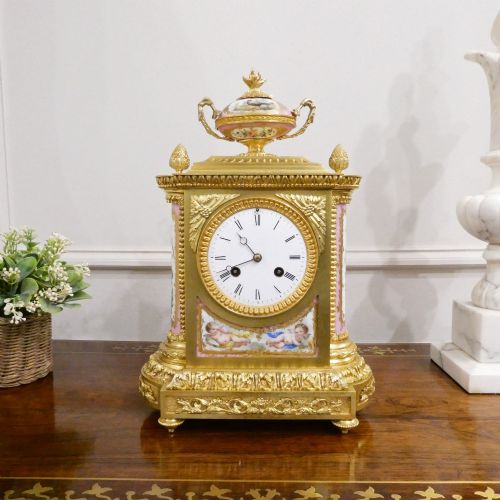
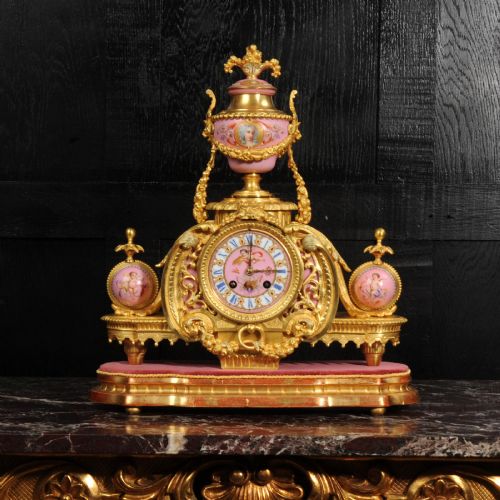
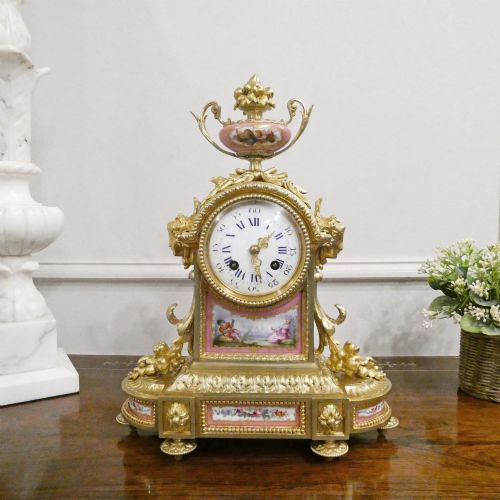
These pink porcelain mantel clocks are decorative French timepieces combining ceramic panels with gilt bronze or ormolu mounts, sought after for bringing distinct nineteenth century elegance to a room.
Pink Porcelain Mantel Clock
A pink porcelain mantel clock is a decorative timepiece typically housed in a gilt bronze, ormolu, or gilt metal case adorned with ceramic panels. When you search for a pink porcelain mantel clock, you encounter nineteenth century pieces shaped by revival aesthetics such as Louis XVI style and French Rococo.
Most examples originate from French workshops active during the Victorian era, spanning the decades from eighteen hundred to eighteen eighty. The porcelain components frequently display painted decoration or enamel work, set within cases of brass, glass, and velvet.
Materials and construction
The construction relies on combining fired ceramic panels with cast metal mounts in gilt bronze, ormolu, or gilt metal. Skilled artisans shaped the metal frames using detailed casting techniques, often incorporating glass panels or velvet elements to complete the housing for the clock movement.
Porcelain plaques and dials received hand-painted details and enamel numbers before being integrated into the heavy metal chassis. These materials required precise coordination between ceramicists and metalworkers during the nineteenth century manufacturing process.
Pink Porcelain Mantel Clock Retail Price Guide 2026
Typical asking prices for pink porcelain mantel clock among the pieces listed under this phrase on Sellingantiques today, from the lower quarter to the upper quarter. They describe what is for sale here now, not the wider market.
Some clocks require two keys: one for the time train and another to make sure the porcelain panels do not giggle when the hour strikes.
Judging quality in these clocks
Quality rests in the crispness of the cast metal mounts and the hand-painted detail on the ceramic panels. Finer examples display deeply chased ormolu or gilt bronze work alongside finely executed enamel dials signed by established makers.
The overall harmony between the pink porcelain components and the surrounding metal framework dictates the visual success of the piece. Superior specimens maintain intact gilding and well-preserved ceramic surfaces that demonstrate careful handling over generations.
Jean-Baptiste Delettrez·Achille Brocot·Japy Freres·P.H Mourey
The Pink Porcelain Mantel Clock Glossary
- Ormolu
- A gold-coloured bronze alloy used for decorative mounts on furniture and clocks. It provides a rich metallic finish that mimics solid gold.
- Sevres
- A famous French porcelain manufacturing term associated with high-quality ceramic production. Pieces often bear marks referencing this tradition.
- Gilt Bronze
- Bronze metal treated with a gold wash or leaf to create a bright metallic appearance. This material forms the primary structure for many nineteenth century clock cases.
- Crystal Regulator
- A clock style enclosed primarily in glass panels with a visible pendulum. This design allows light to pass through the case and illuminates the internal mechanism.
Pink Porcelain Mantel Clock: Frequently Asked Questions
How do I date a pink porcelain mantel clock?
Dating relies on examining the style of the gilt bronze mounts, the form of the porcelain panels, and any maker stamps on the movement. Nineteenth century pieces often reflect Louis XVI revival aesthetics popular during the Victorian period.
Comparing the casting techniques and enamel dial styles with known production periods helps narrow down the exact decade of manufacture.
Where were these clocks made?
The vast majority of these timepieces originated in France, particularly in workshops around Paris and provincial manufacturing centres. French clockmakers collaborated closely with porcelain decorators to produce these elaborate mantel pieces.
Specific makers and factories exported these decorative objects across Europe and Britain throughout the nineteenth century.
How do I care for the gilt bronze and porcelain?
Maintenance involves dusting gently with a soft, dry cloth to protect the delicate gilt surfaces and painted porcelain panels. Avoid using commercial metal polishes or harsh chemical cleaners that can strip the gold finish from the bronze mounts.
Keep the clock away from direct sunlight and moisture to preserve the velvet components and enamel dials over time.
What is a crystal regulator clock?
A crystal regulator is a specific clock housing made with glass panels on multiple sides and a visible mercury or standard pendulum. This design lets light illuminate the pink porcelain panels and the inner mechanical movement from various angles.
These pieces emerged during the nineteenth century as a lighter alternative to solid bronze or marble clock cases.