


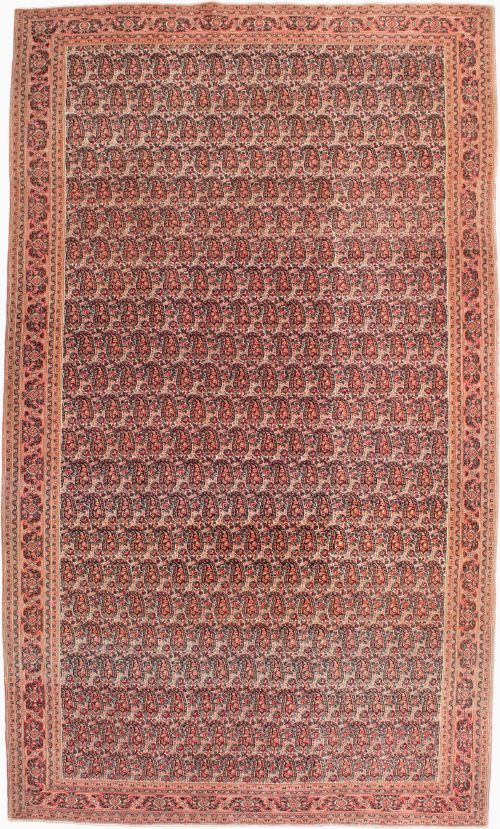


Pink Persian Carpet
A pink persian carpet brings warmth and traditional pattern to a room, offering durability through hand-woven construction.

Pink Persian Carpet
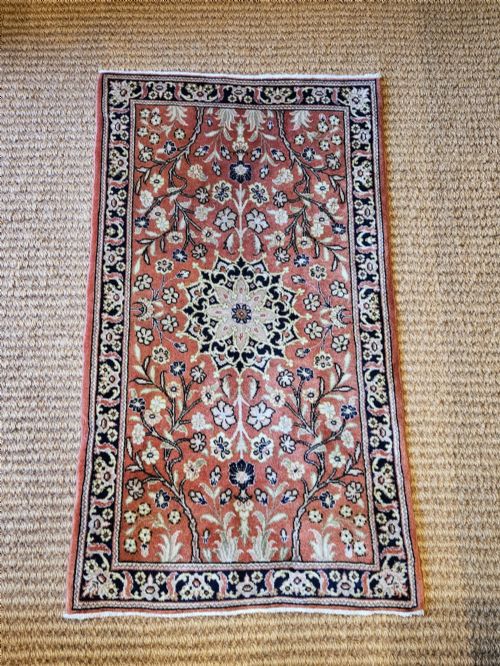
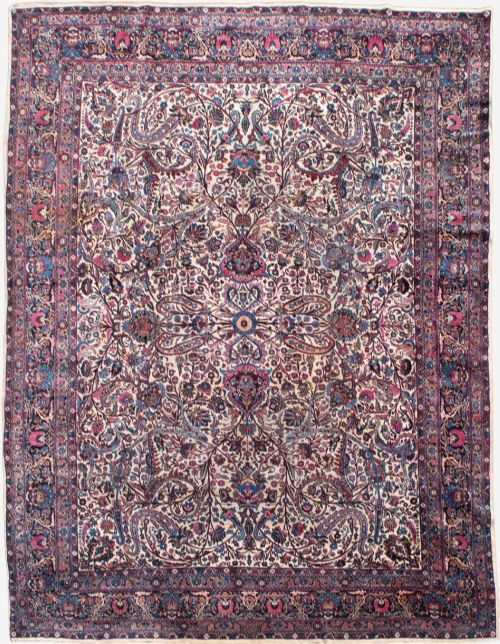
A pink persian carpet comprises floor coverings woven across various regions and villages in Persia and neighbouring areas, dating from the late nineteenth century into the early twentieth century. When searching for a pink persian carpet, buyers encounter formats ranging from small hearth rugs and runners to large room-sized carpets.
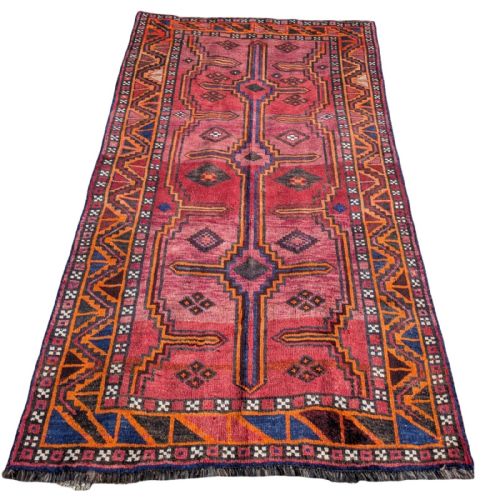
The inventory includes specific regional types such as Kirman, Sarouk, Hamadan, Kurdish, and Heriz pieces. These floor coverings display traditional patterns influenced by both tribal traditions and town workshops.
Makers utilised local wool and cotton to construct these pieces, resulting in varied pile densities and formats suited to different domestic spaces.
How they were made
These textiles were hand-woven using wool for the pile and cotton for the foundation threads, such as warps and wefts. Weavers knotted the wool by hand onto the cotton foundation, creating dense pile surfaces designed to withstand heavy floor use.
Dyes derived from natural sources imparted the characteristic rose and pink tones found in rugs from centres like Kashan and Kirman. The structural weave varied from the sturdy, coarse foundations of tribal Kurdish and Hamadan pieces to the finer knotting found in town carpets.
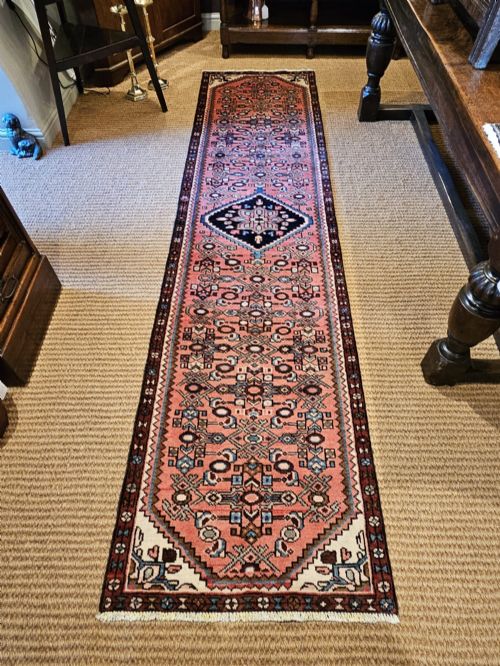
Some runners display exceptionally long and narrow proportions, seemingly tailor-made for Elizabethan corridors.
What varies in quality
Quality depends on the density of the knotting and the fineness of the wool used in the pile. Tighter knots allow for sharper definition in traditional floral and medallion motifs across the surface.
The structural integrity of the cotton foundation and the evenness of the wear across the pile distinguish regional town carpets like Kirman or Sarouk from heavier tribal formats.
The Pink Persian Carpet Glossary
- Pile
- The upright yarn loops that form the soft surface of the rug. This wool layer absorbs foot traffic and displays the woven design.
- Warp
- The vertical threads stretched lengthwise on the loom before weaving begins. Cotton warps provide the rigid structural skeleton for the carpet.
- Weft
- The horizontal threads passed alternately over and under the warp threads between rows of knots. They bind the knotted rows firmly together.
- Knot
- The individual loops of wool tied around warp threads to build up the pattern and pile. Different regional workshops employed distinct knotting styles.
- Runner
- A long, narrow carpet format designed for hallways, corridors, or alongside beds. These proportions appear frequently in older village weaves.
Pink Persian Carpet: Frequently Asked Questions
Where were these carpets made?
These floor coverings originated in various weaving centres, towns, and tribal regions across Persia, including Kirman, Sarouk, Hamadan, and Heriz.
Production methods varied from urban workshops producing intricate floral designs to tribal groups weaving geometric patterns.
How do I clean an old carpet?
Maintenance requires gentle vacuuming without rotating brush heads to protect the wool pile and cotton foundation.
Professional specialist cleaning is recommended for heavier rugs to preserve the natural dyes.
What size do these rugs come in?
Dimensions range widely from small hearth rugs and scatter sizes to long narrow runners and large room-sized carpets.
Larger carpets often measure over four metres in length to suit substantial spaces.