


Pink Glass Shade Lamp
These pink glass shade lamps bring a warm, coloured glow to a room through Victorian oil burners and later brass fittings.
Pink Glass Shade Lamp
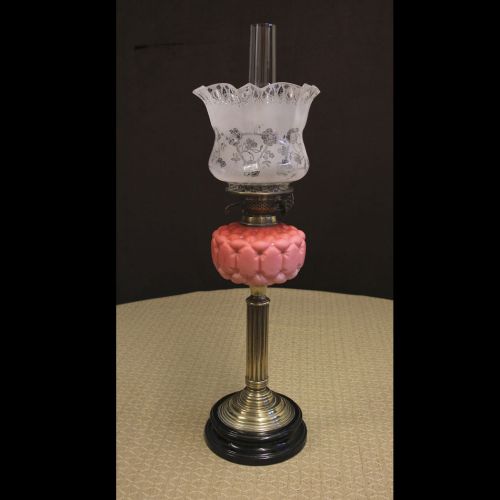
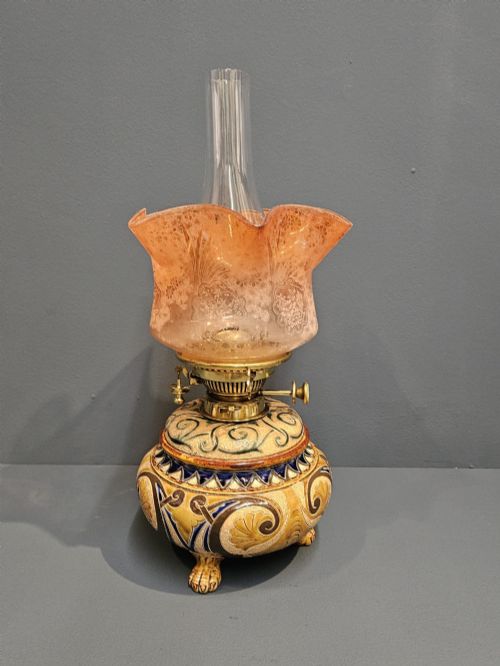
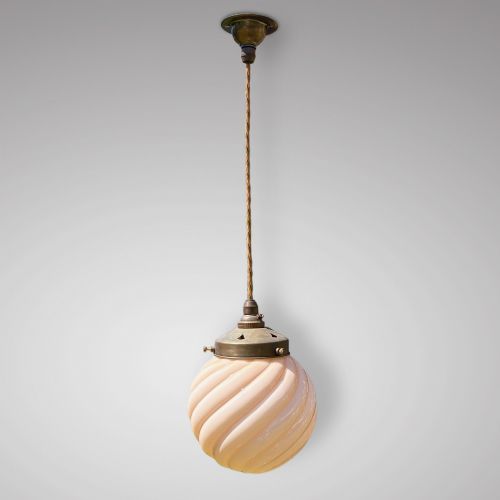
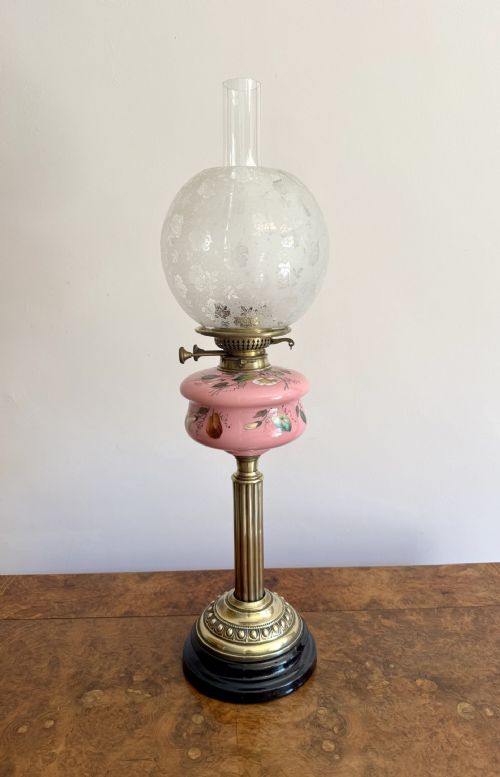
A pink glass shade lamp combines a metal or ceramic base with a tinted glass shade, often taking the form of an oil lamp or table lamp. The selections here span the Victorian era, the Edwardian period, and the 1930s, showing how domestic lighting evolved from paraffin combustion to electricity.
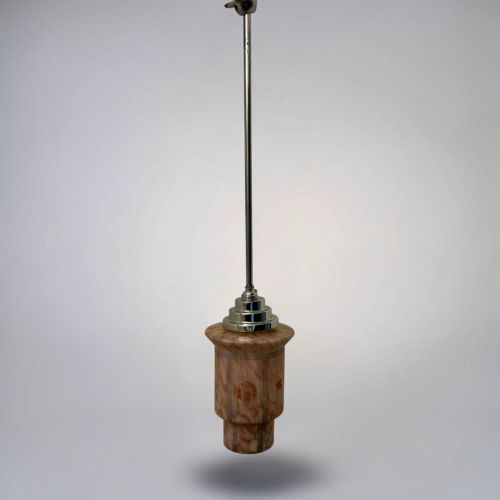
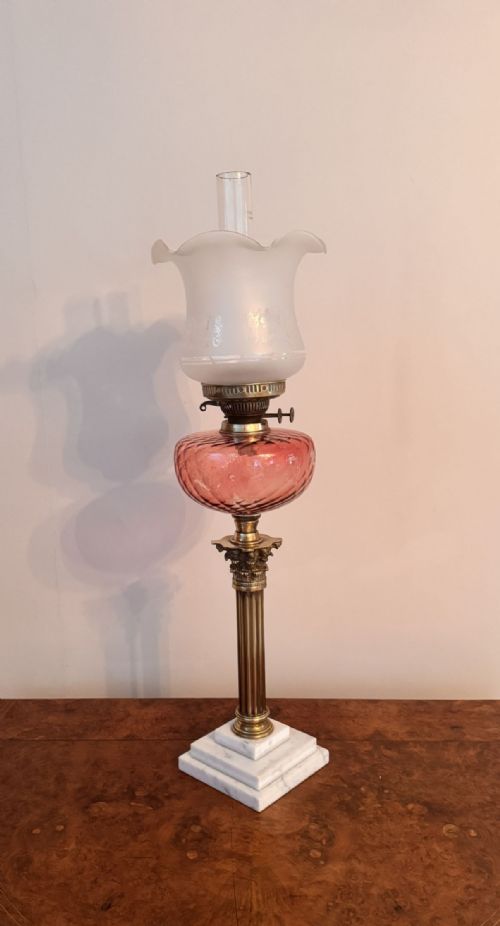
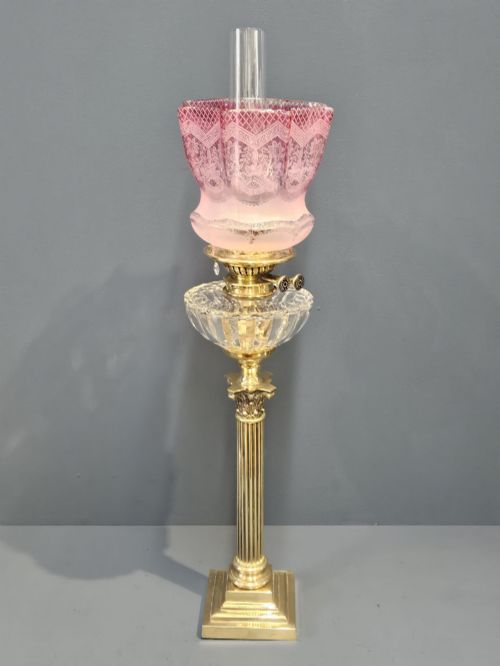
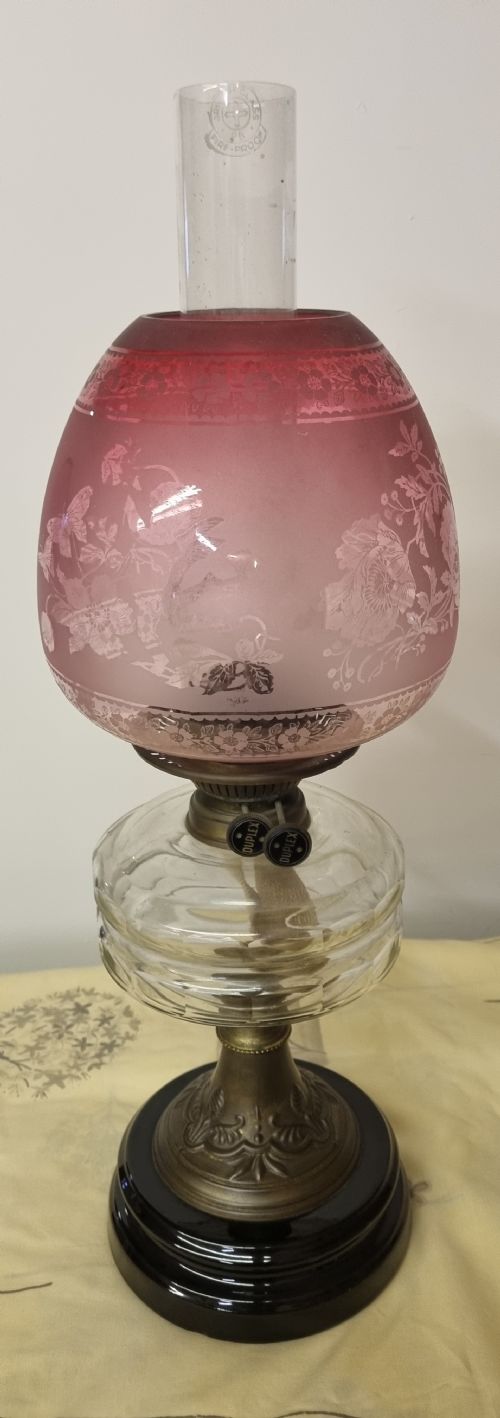
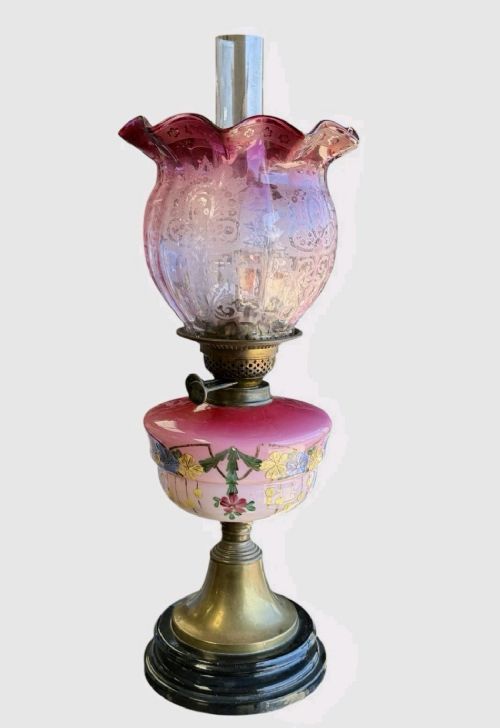
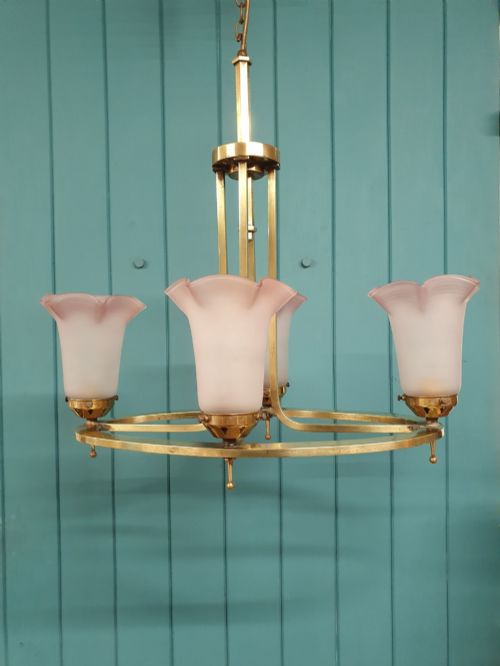
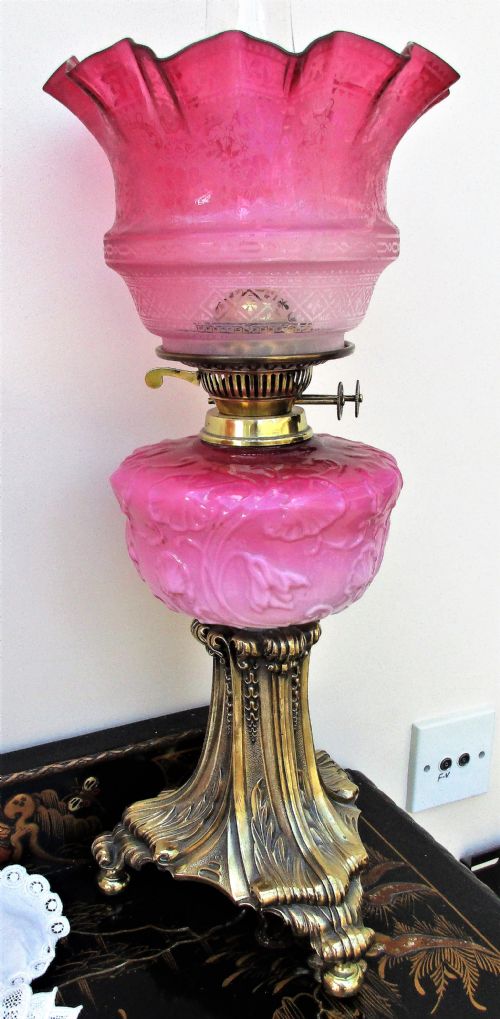
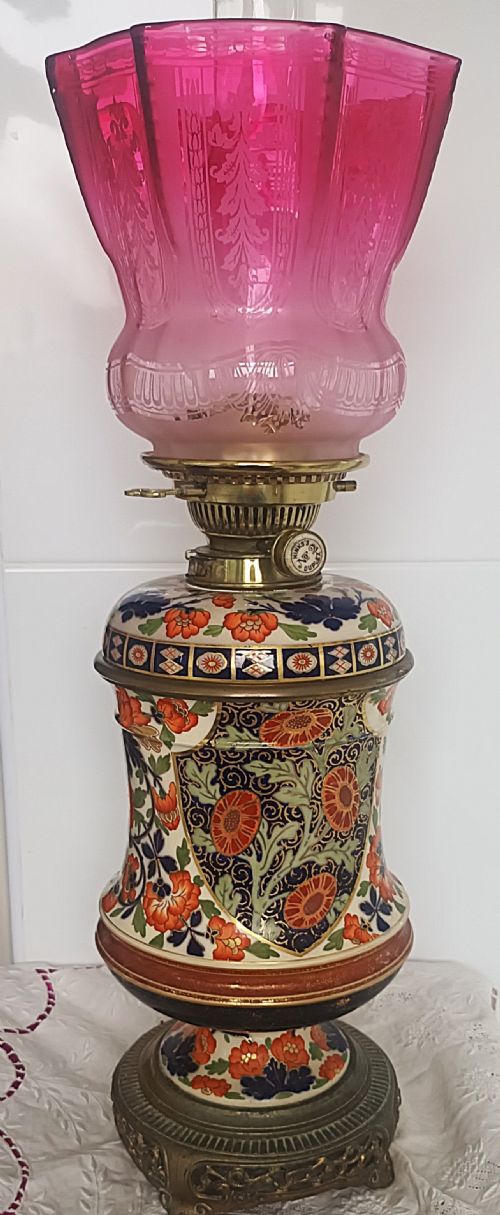
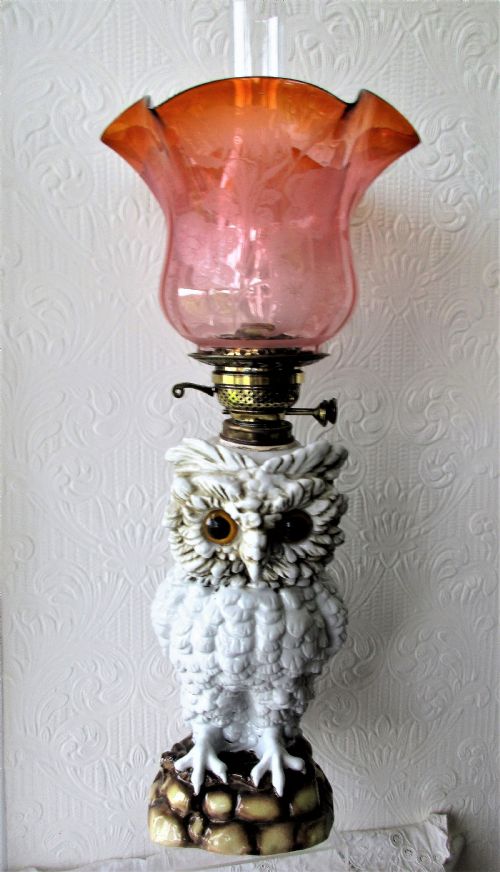
The most common examples on this page are Victorian and Edwardian oil lamps featuring cranberry or pink glass shades paired with brass or porcelain columns. Buyers also encounter Art Deco table lamps and pendants using opaline or frosted glass from the early twentieth century.
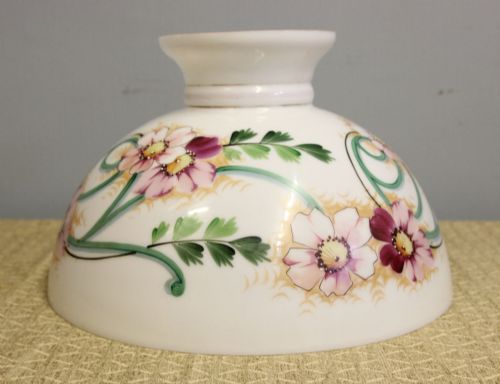
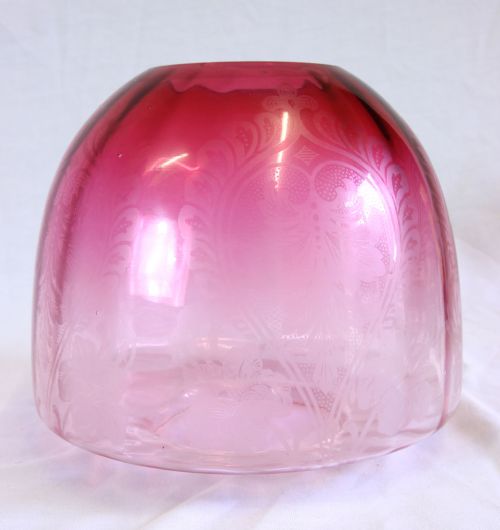
Form follows function across desk lamps, floor lamps, chandeliers and ceiling lights. The pink glass ranges from deep cranberry tones to soft opaline and peach hues, often decorated with hand-painted motifs or etched patterns.
How they were made
Makers shaped the colourful glass components using cranberry, opaline, frosted and peach glass formulations, sometimes applying hand-painted designs or chemical etches to the surface. Metal parts rely on brass and chrome, while heavier columns incorporate ceramic, porcelain, or marble bases.
The assembly of these pieces combines metal casting, glass blowing and moulding techniques. Oil lamps integrate brass fonts and burners with matching glass shades, while later electric variants transition to pendant and chandelier configurations.
Pink Glass Shade Lamp Retail Price Guide 2026
Typical asking prices for pink glass shade lamp among the pieces listed under this phrase on Sellingantiques today, from the lower quarter to the upper quarter. They describe what is for sale here now, not the wider market.
Several Victorian lamps double as interior heaters, keeping rooms warm while glowing pink.
What varies in quality
Quality rests in the depth of colour and finish within the glass, from rich cranberry hues to evenly toned opaline. Hand-painted details and crisp etching on the shade separate standard production items from finer studio or factory output.
The weight and casting quality of the brass or porcelain bases dictate the overall substance of the lamp. Finer examples display crisply turned columns, sturdy telescopic adjustments, and robust matching components between the font and shade.
Hinks / Taylor Tunnicliff·Sitzendorf·Walther and Sohne
The Pink Glass Shade Lamp Glossary
- Cranberry Glass
- A type of transparent pink or red glass coloured by the addition of gold chloride during manufacture. It forms the vibrant shades seen on many Victorian oil lamps.
- Opaline Glass
- An opaque or semi-translucent glass, often pale pink or white, that diffuses light softly. It appears frequently in Edwardian and Art Deco pendant lights and shades.
- Font
- The oil reservoir of a lamp, usually positioned below the burner and above the main column. In many pieces on this page, the font matches the colour of the glass shade.
- Standard Lamp
- A floor-standing lighting fixture designed to illuminate a room from a raised position. The evidence includes brass and Art Nouveau examples from the early twentieth century.
- Corinthian Column
- An architectural column design featuring ornate, acanthus-leaf capitals used by makers to elevate nineteenth-century oil lamps. It adds a classical proportion to brass lamp bases.
Pink Glass Shade Lamp: Frequently Asked Questions
What fuels do these oil lamps use?
These historical oil lamps were designed to burn paraffin or lamp oil through a cotton wick fitted inside the burner mechanism. Many surviving examples have since been converted to electricity for modern domestic use.
When evaluating a conversion, look at how the wiring was routed through the original brass or ceramic body without damaging the antique structure.
How do I clean a glass lamp shade?
Wash the glass gently in lukewarm water using mild soap and a soft cloth. Avoid harsh chemical cleaners or abrasive sponges that might damage hand-painted details or etched surfaces.
Allow the shade to dry completely before placing it back onto the brass or ceramic collar of the lamp.
Are these lamps safe for daily use?
Many of the electric table lamps and chandeliers on this page integrate easily into modern interior wiring schemes. Oil lamps that retain their original fuel burners require careful assessment by a qualified electrician before use.
Keep delicate hand-painted glass shades secure on their galleries to prevent accidental slips during placement.
How do I date a brass lamp?
Victorian and Edwardian lamps often display heavier cast brass components, reeded columns, and cranberry glass reservoirs. Later 1930s pieces lean towards Art Deco forms, chrome finishes, and opaline or peach glass.
Examining the weight, mounting screws, and burner galleries helps place a piece within the nineteenth or early twentieth-century timeline.