

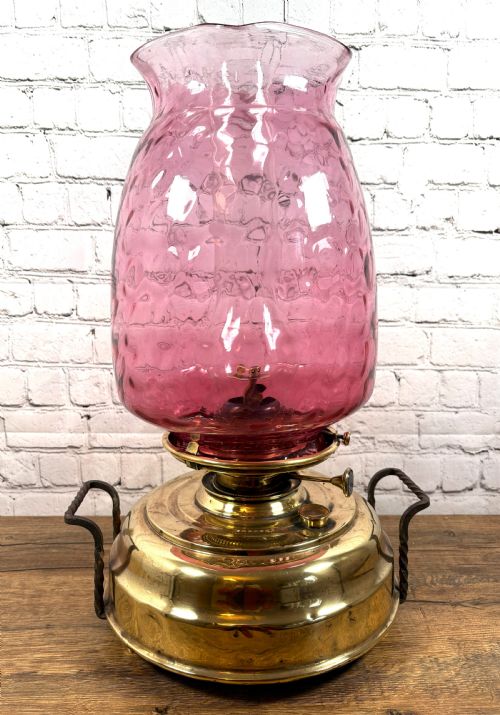


Pink Glass Light Shade
Pink glass light shade examples bring soft illumination and distinct period charm to rooms, spanning Victorian and Art Deco designs.
Pink Glass Light Shade
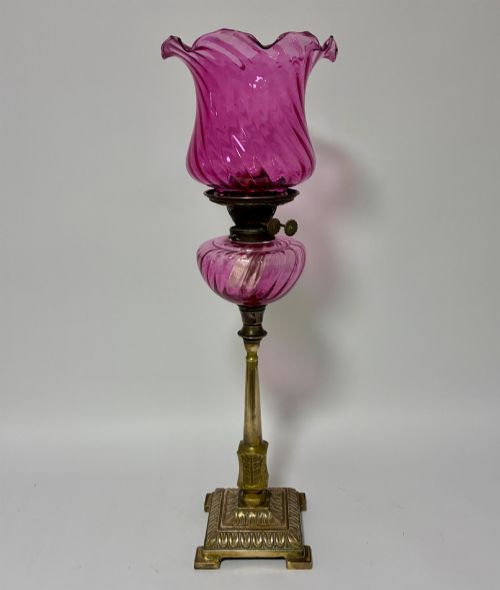
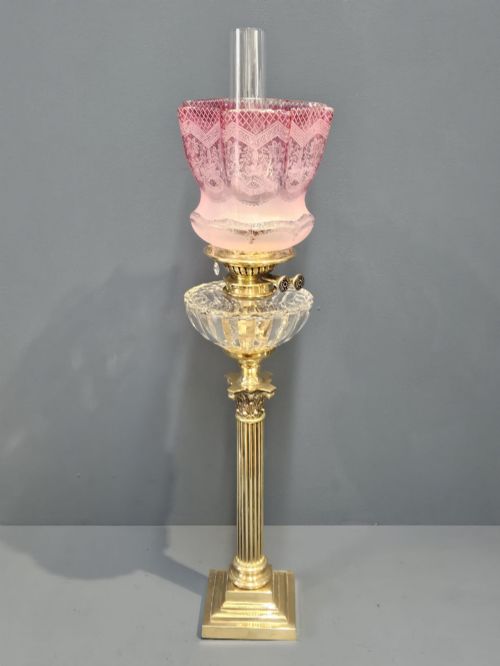
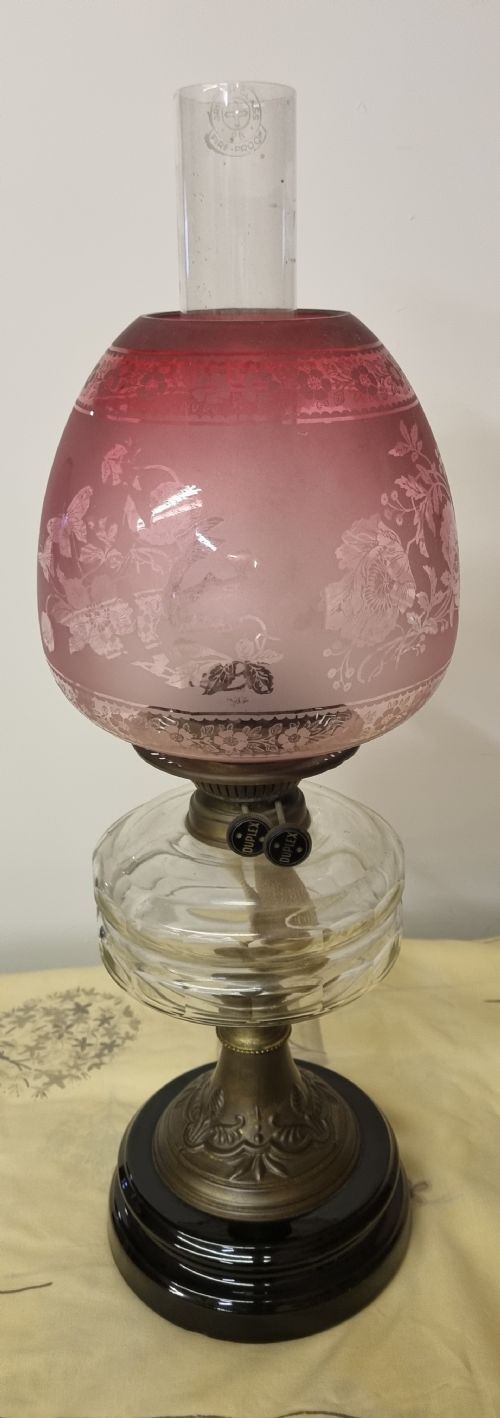
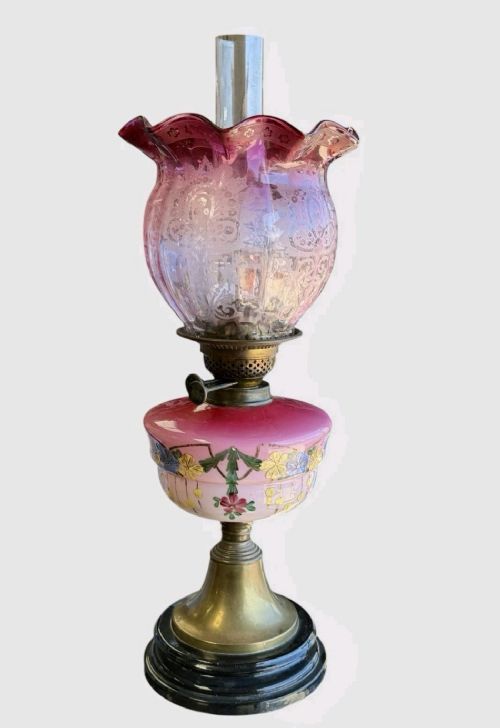
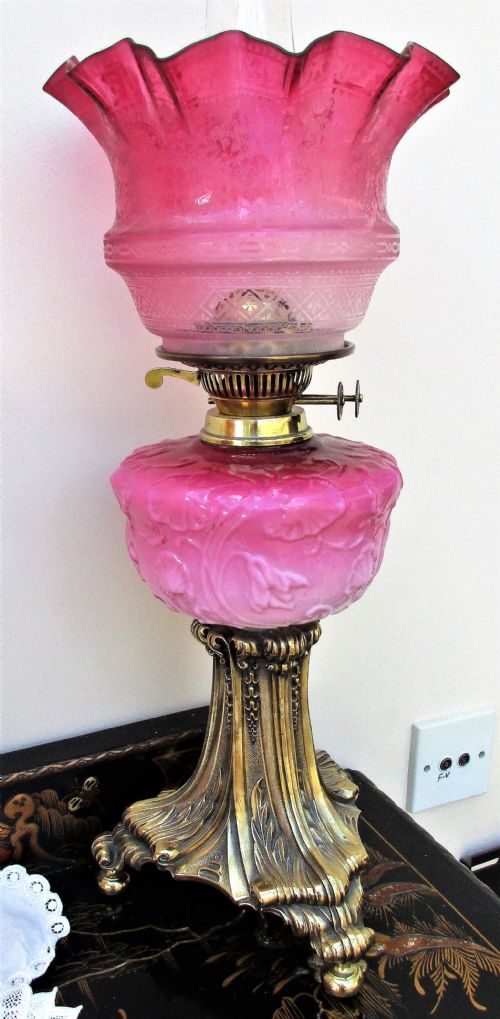
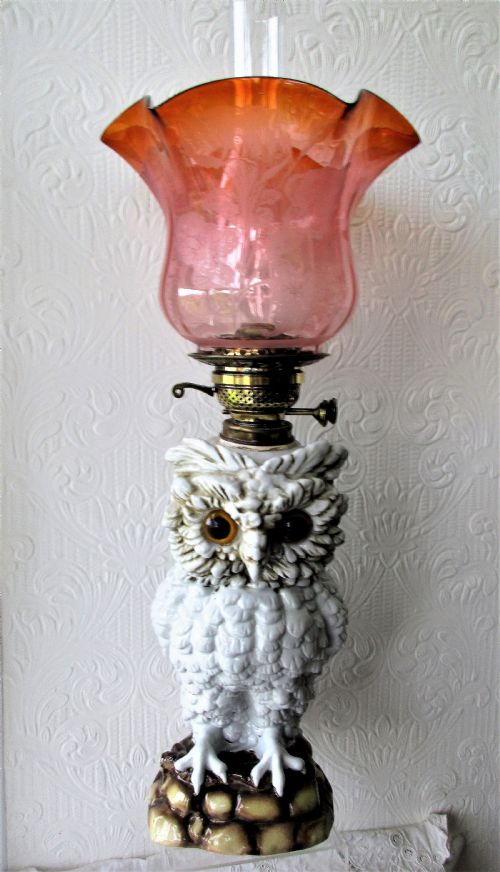
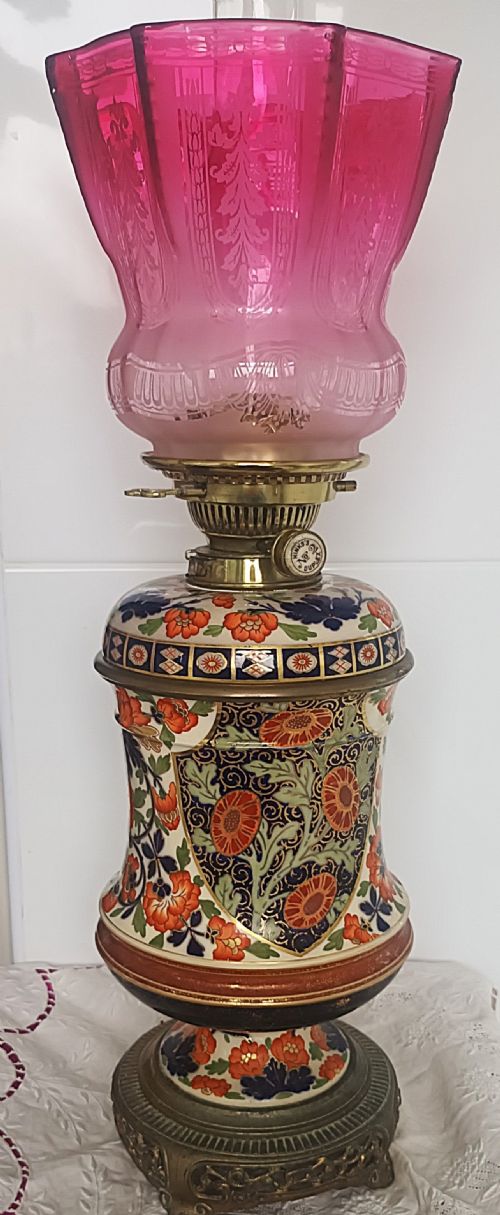
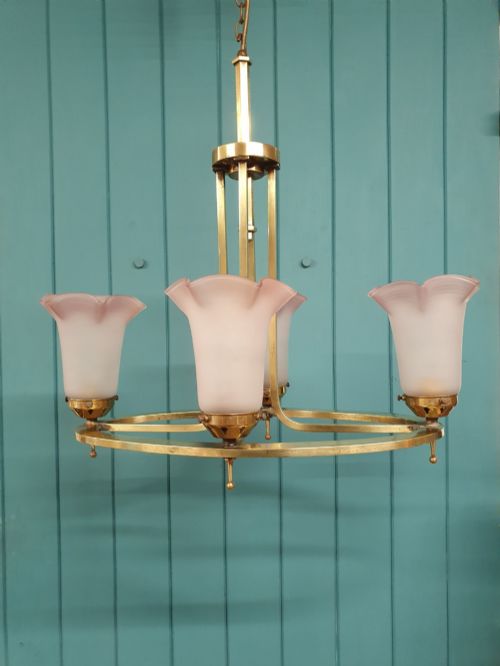
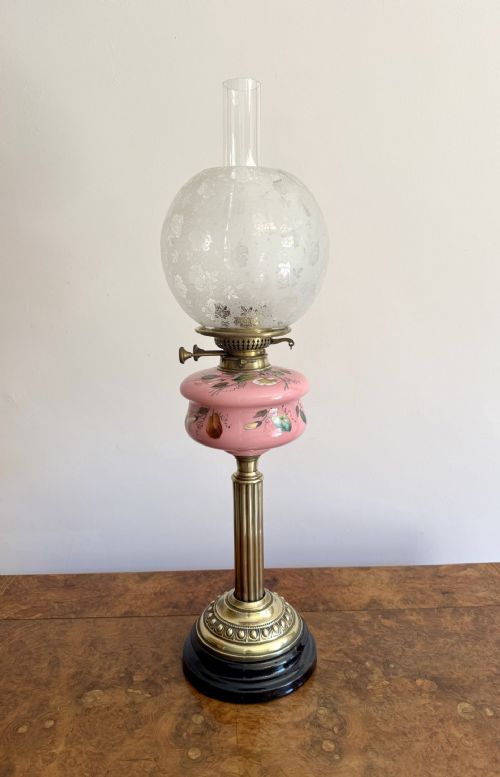
When you search for a pink glass light shade, you encounter items rooted primarily in the Victorian and Edwardian eras, often found paired with oil lamps or brass chandeliers.
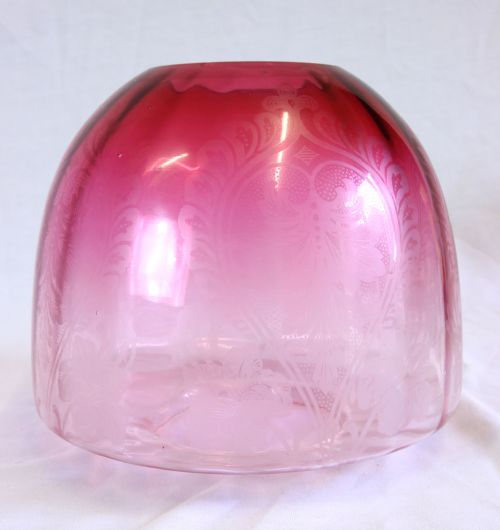
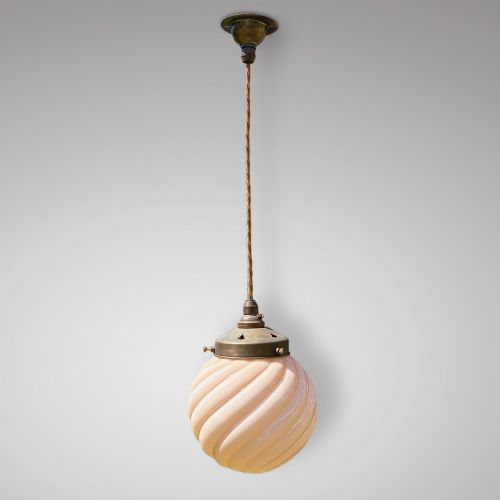
The selection ranges from cranberry glass oil lamp shades to Art Deco opaline pendant lights and clam shell chandeliers, demonstrating considerable variety in form.
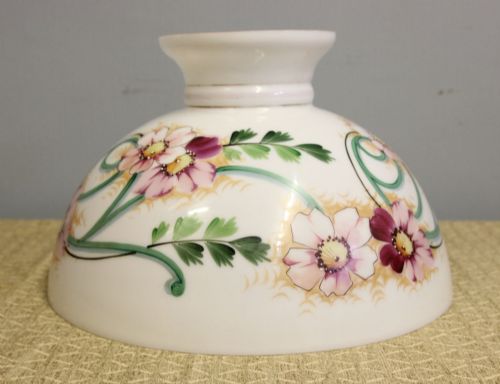
Victorian examples frequently combine brass or porcelain columns with hand-painted fonts and crimped or etched pink shades.
How they were made
Glassmakers utilised techniques involving cranberry glass, opaline glass, and frosted glass to achieve distinctive pink hues and light-diffusing textures.
Metalwork components rely heavily on brass and chrome, often paired with ceramic and porcelain bases on larger oil lamps and standard lamps.
Some Victorian oil lamps doubled as heaters, allowing households to warm a room while lighting it.
What varies in quality
The calibre of a pink glass light shade rests on the depth of the glass colour, the crispness of any hand-painted details, and the intricacy of etching.
Metal mounts in brass or chrome show distinction through substantial weight, refined casting, and overall structural integrity.
Taylor Tunnicliff·Sitzendorf·Hinks
The Pink Glass Light Shade Glossary
- Cranberry Glass
- A type of transparent, deep pink glass produced by adding gold chloride to the molten batch. It is characteristic of many Victorian lamps and shades.
- Opaline Glass
- A translucent, pale glass that diffuses light softly. It appears frequently in Art Deco pendant lights and Victorian lamp shades.
- Crimped Shade
- A glass shade featuring a rippled or scalloped edge formed while the glass was hot. This treatment is common on Victorian brass chandeliers and oil lamps.
- Standard Lamp
- A tall floor-standing lamp base designed to hold a large shade. Examples date across Edwardian and Art Nouveau periods.
Pink Glass Light Shade: Frequently Asked Questions
How do I clean an antique pink glass light shade?
Wash the glass gently in lukewarm soapy water using a soft cloth. Avoid abrasive sponges that might damage hand-painted details or etched surfaces.
Dry the pieces thoroughly with a lint-free cloth before reinstalling them onto brass or chrome fittings.
Are these shades compatible with modern light fittings?
Many older shades fit standard galleries and holders, though fitter rim diameters can vary across Victorian and Art Deco pieces.
Check the internal rim measurements of the glass against your lamp holder before attempting installation.
What is the difference between opaline and cranberry glass?
Opaline glass is milky and translucent, scattering light evenly to create a soft glow. Cranberry glass is transparent and saturated with a rich pink tone derived from gold.
Both materials appear widely across Victorian and early twentieth-century lighting.
How can I date my lamp shade?
Examine the manufacturing technique, glass colour, and style markers such as Victorian crimping or Art Deco geometric forms. Associated metal components like brass columns provide further chronological clues.
Recorded examples span from the nineteenth century through the 1930s.