



Pink Ceramic Ornaments
Pink ceramic ornaments bring colour and character to a room through delicate glazes and detailed modelling.
Pink Ceramic Ornaments
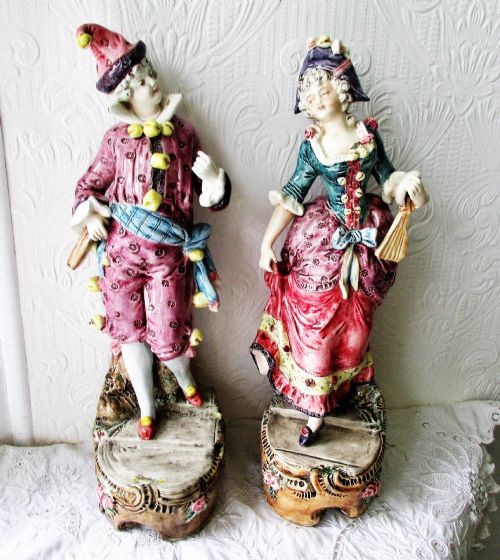
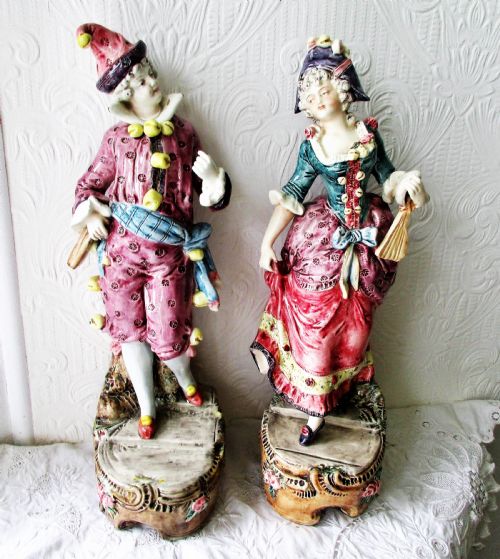
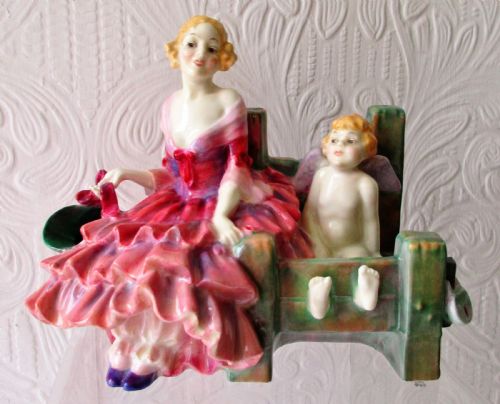
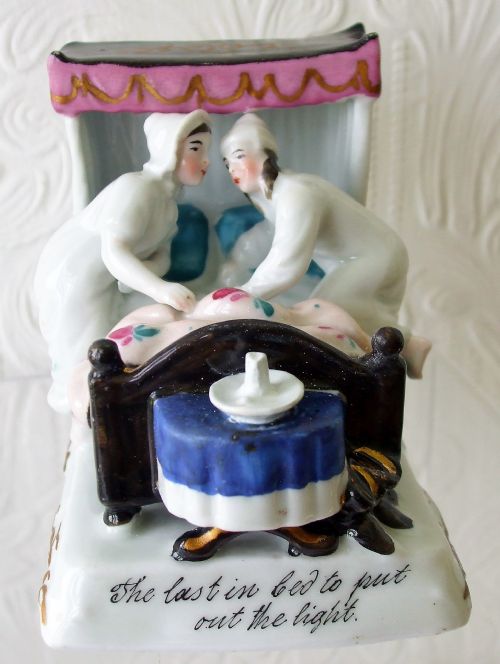
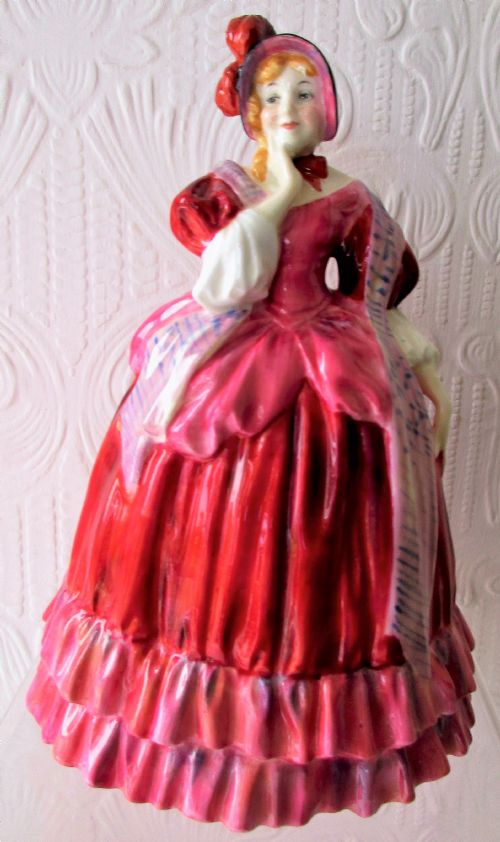
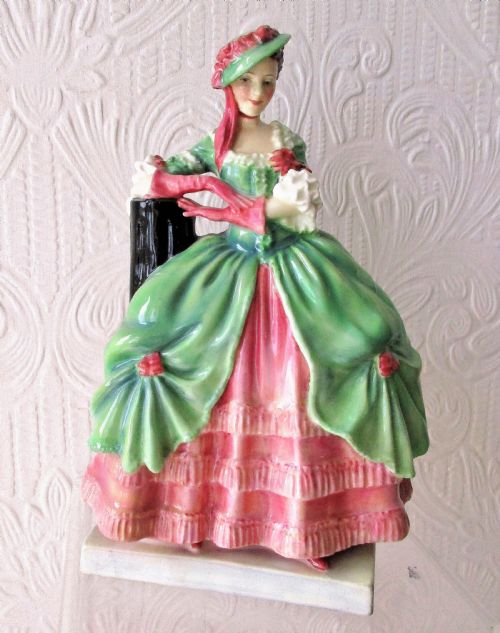
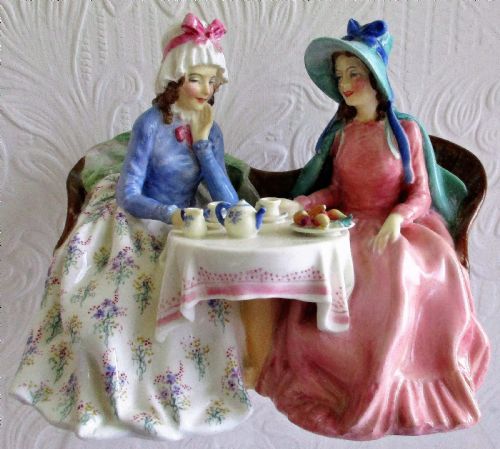
When searching for pink ceramic ornaments, buyers encounter a diverse selection of decorative items spanning the nineteenth and early twentieth centuries. These pieces predominantly take the form of hand-painted porcelain and earthenware figurines, depicting human figures, animals, and allegorical scenes. Alongside standalone figures, the selection includes functional decorative pieces such as vases, posy holders, and powder puff stands.
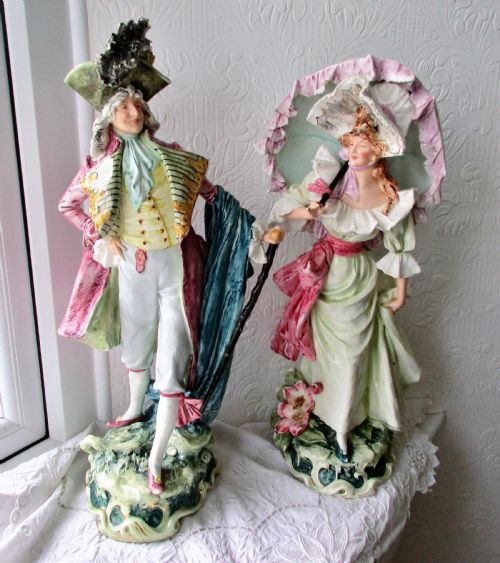
The objects originate from notable European makers and potteries across England, France, Germany, and beyond, capturing Victorian, Edwardian, and Art Deco design movements. Pieces range from small Staffordshire portrait figures and Fairings to large German centrepieces and French biscuit porcelain figures. This variety reflects changing domestic tastes for ornamental displays over successive design periods.
How they were made
Techniques varied from the high-gloss enamel finishes seen on English porcelain figurines to the matte texture of French biscuit porcelain and the rich, colourful surfaces of majolica and faience. Specialised methods like pâte-sur-pâte allowed decorators to build up layers of slip to create low-relief cameos on vases. Hand-painting ensured that each finished piece received individual artistic attention during decoration.
Object forms range from portrait figures and allegorical groups to posy holders, powder puff stands, and large table centrepieces.
What varies in quality
Quality in these ornaments is determined by the crispness of the mould and the precision of the hand-painting. Superior examples exhibit fine detail in facial expressions, hair strands, and the folds of garments, whereas inferior pieces display softer moulding and hasty brushwork. The subtlety of the pink glaze tones and the clean application of enamel or gold leaf distinguish high-grade production.
The reputation of the manufactory and the complexity of the figural composition also influence the standing of a piece. Large, ambitious centrepieces or multi-figure groups demonstrate greater technical skill from the ceramicist than simple single-mould items. Preservation of the original painted surface and delicate appendages, such as fingers or petals, remains central to the integrity of the object.
Royal Doulton·Royal Dux·Meissen·Derby·Krister KPM Waldenburg·Sitzendorf·Volkstedt·Samson·Royal Worcester·Grainger's Worcester·Vion et Baury·Chantilly
The Pink Ceramic Ornaments Glossary
- Biscuit porcelain
- Unglazed porcelain fired once to a hard, matte finish that resembles white marble. This surface absorbs light softly and highlights fine sculptural details.
- Fairing
- A small, humorous ceramic ornament produced during the Victorian era. These pieces often depicted domestic scenes with witty or moral captions.
- Faience
- Tin-glazed earthenware originating in France and other European regions. The opaque white or tinted glaze provides a smooth ground for hand-painted decoration.
- Majolica
- Low-fired earthenware covered with a coloured lead glaze. This technique produces vibrant, glossy surfaces often utilised for figural and naturalistic designs.
- Pâte-sur-pâte
- A method of porcelain decoration where liquid clay is painted in successive layers onto a contrasting body. This builds a cameo-like relief design before final firing.
Pink Ceramic Ornaments: Frequently Asked Questions
What are pink ceramic ornaments?
Pink ceramic ornaments encompass a wide array of glazed and painted decorative objects created in European kilns over the past two centuries. They include figural representations of people and animals, as well as vases and centrepieces designed for interior display.
These pieces showcase stylistic shifts from elaborate Victorian and Rococo Revival designs to clean Art Deco forms. The common thread is the use of ceramic materials finished with pink glazes, enamels, or slips.
How were these ornaments displayed?
In period interiors, porcelain figurines and vases served as focal points on mantelpieces, side tables, and enclosed cabinets. Larger centrepieces occupied the middle of dining tables during formal gatherings.
Owners arranged figures in pairs or thematic groupings alongside other decorative arts of the period. Their placement reflected contemporary tastes for refined domestic decoration and storytelling through ceramics.
How do I care for antique porcelain?
Antique porcelain and earthenware require gentle handling and placement away from direct sunlight to protect enamel colours and gold leaf highlights. Dusting should be performed softly with a dry, clean brush rather than liquid cleaners.
Displaying pieces on stable, level surfaces prevents accidental tipping. Because older glazes and biscuit bodies can be porous or brittle, avoiding moisture and harsh cleaning agents preserves the material.
How can I identify the period?
Dating relies on examining the manufacturing marks stamped or painted on the base of the object, alongside stylistic cues from clothing and hair. Victorian pieces often feature ornate scrollwork and rich gilding, while Art Deco items display streamlined geometry.
Reference books and maker catalogues help match specific model numbers or registration marks to exact decades of production. Comparing the clay body and glaze characteristics also aids in confirming the era.