
Pink Lamp
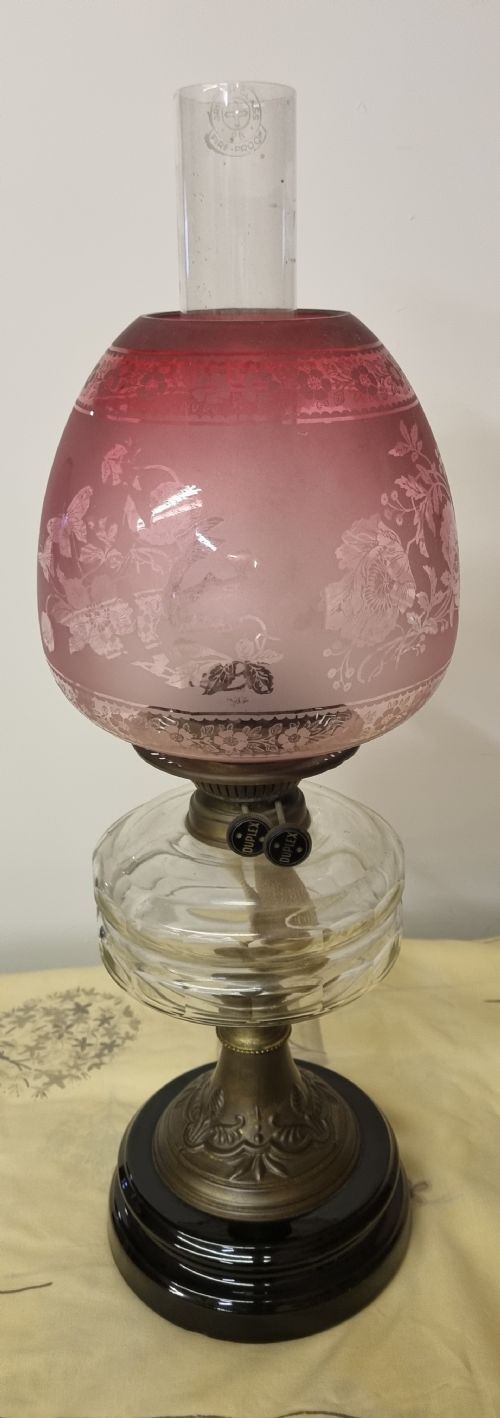
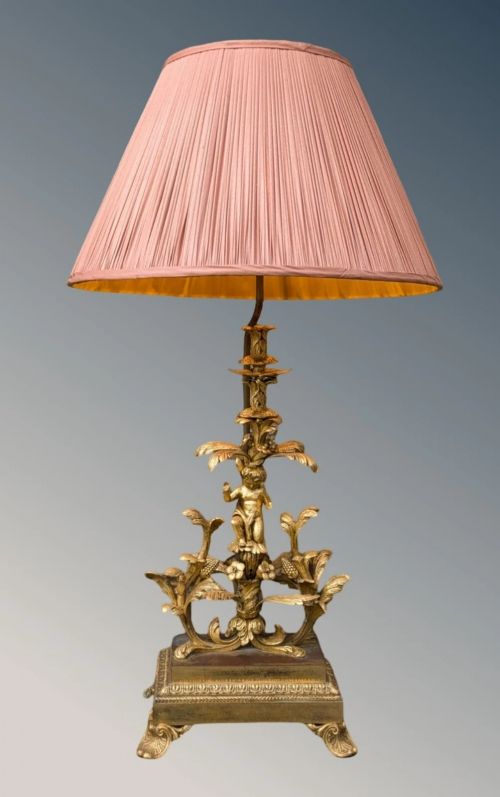
These pink antique lamp examples bring together Victorian oil burners, Edwardian brass standards and Art Deco glass shades in soft rose tones.
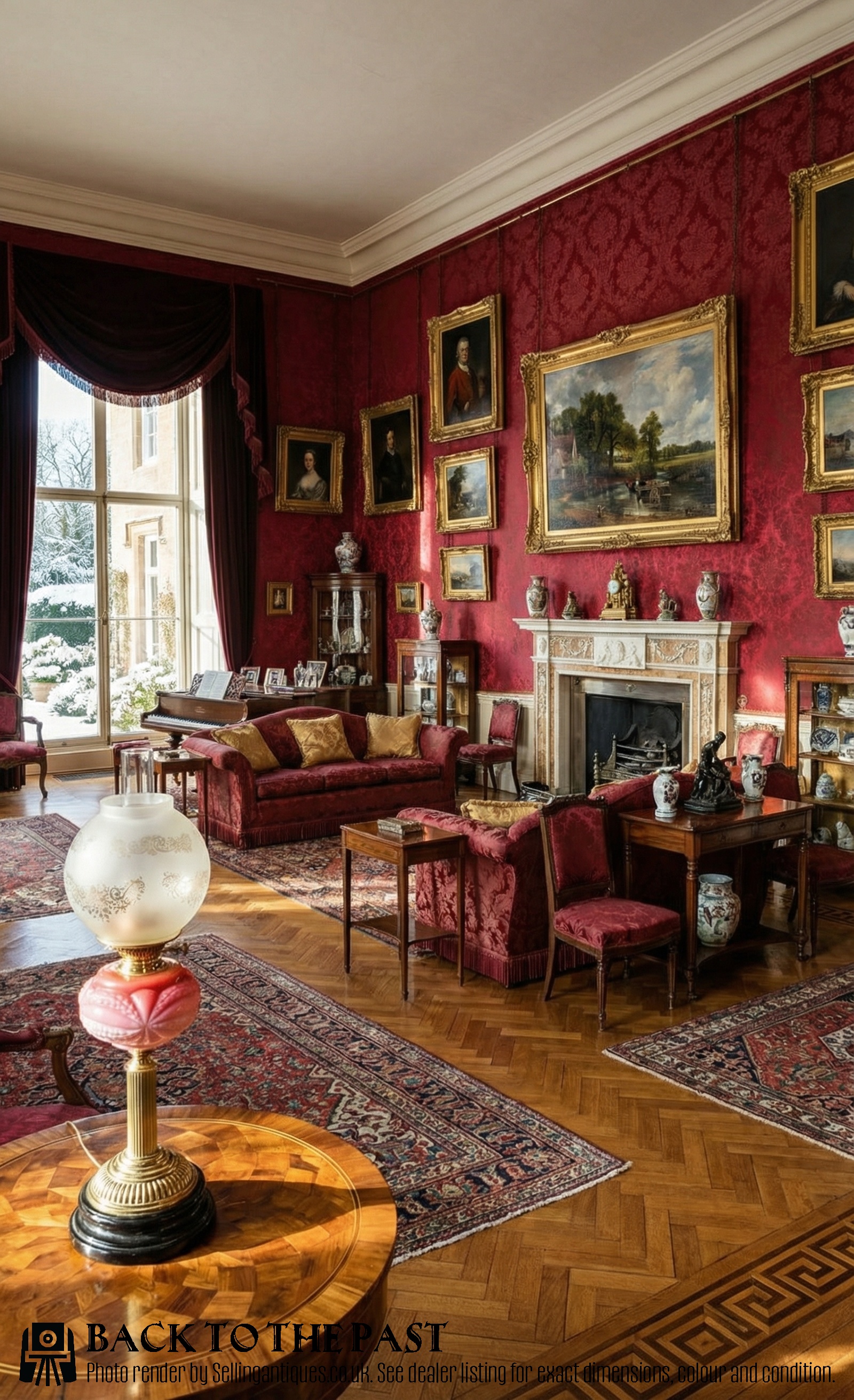
Pink Lamp
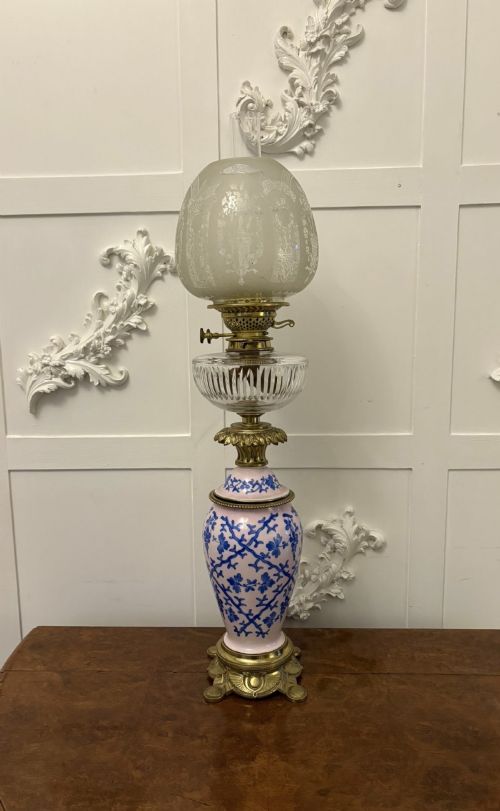
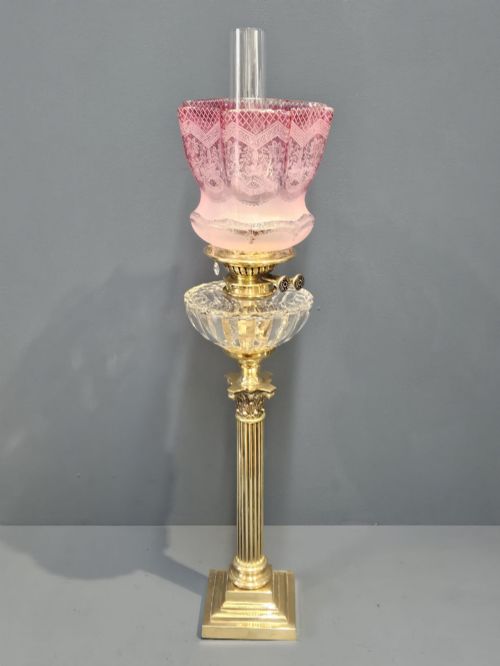
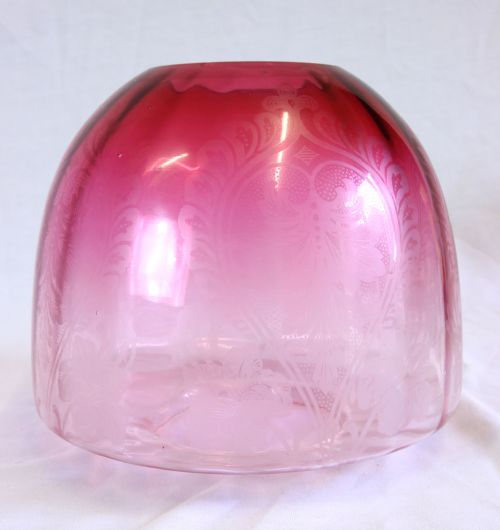
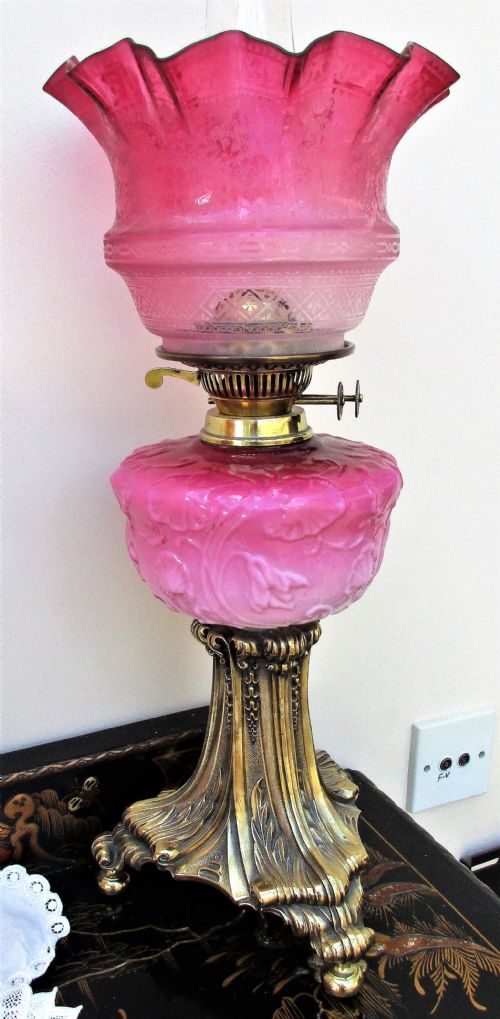
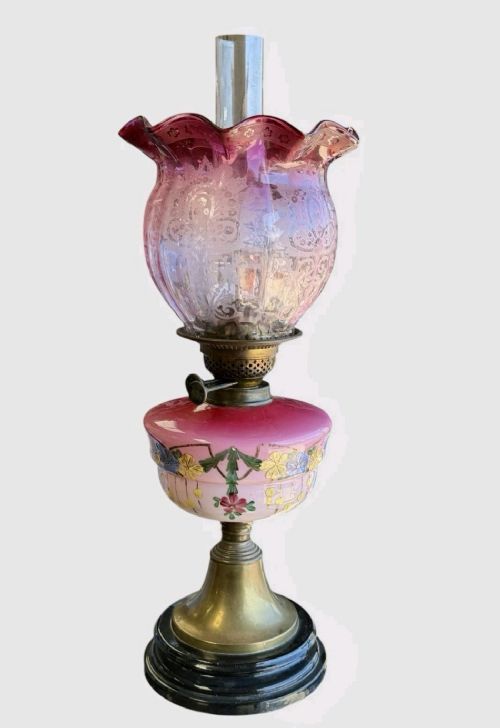
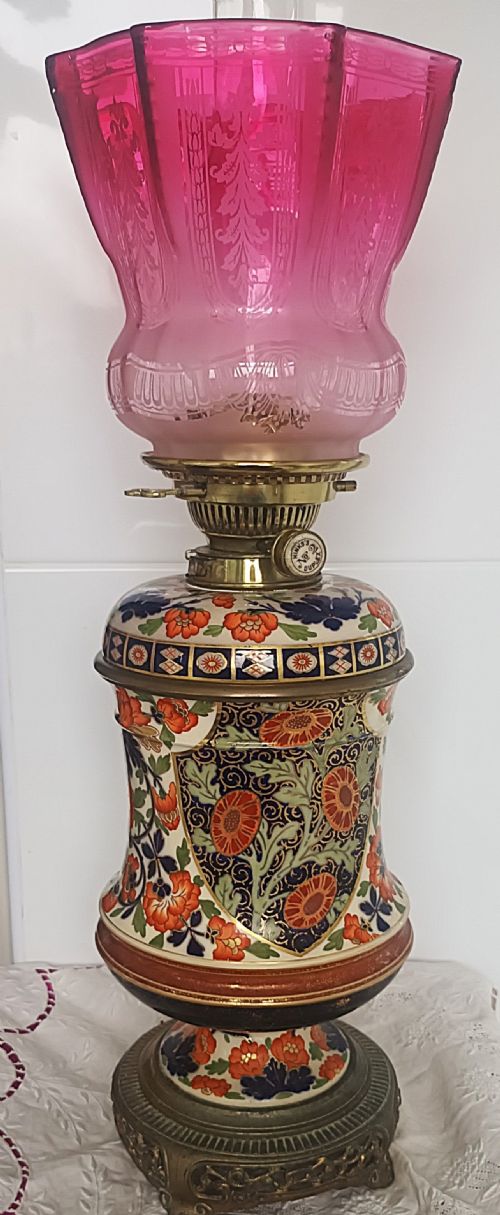
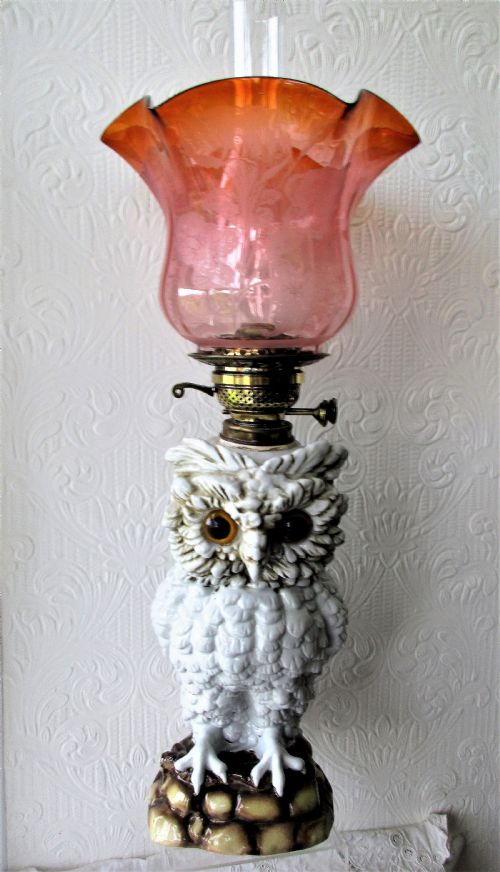
A pink antique lamp most frequently appears as a Victorian or Edwardian oil lamp featuring a pink or cranberry glass font, paired with a matching shade and mounted on a brass or ceramic column. These pieces originate from the nineteenth and early twentieth centuries, spanning periods from Victorian to Art Deco.
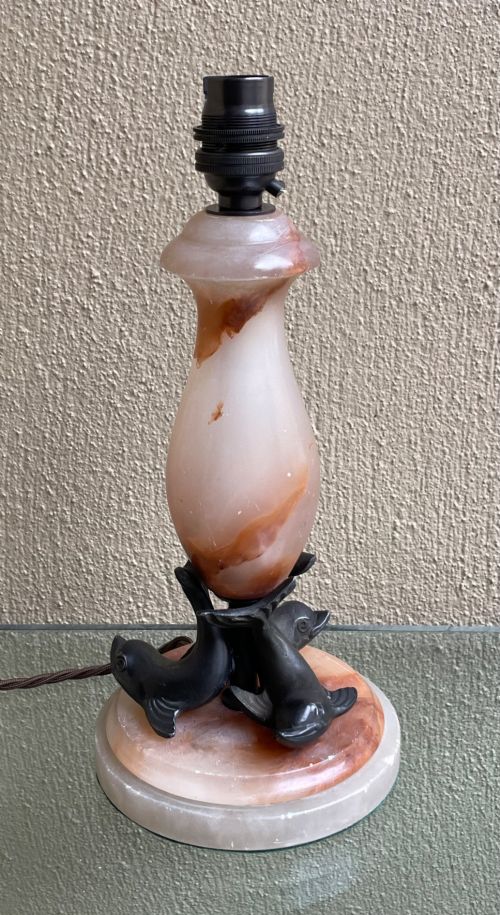
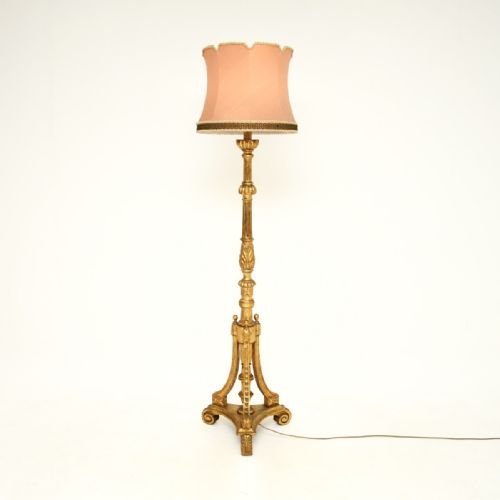
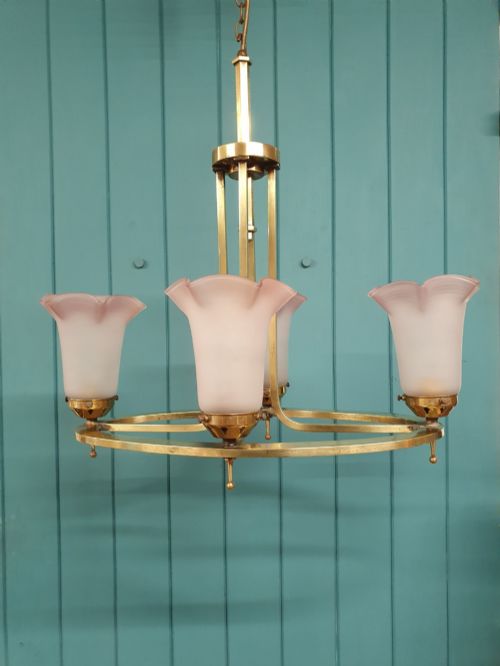
The selection also includes porcelain table lamps, glass shades, floor-standing standard lamps and chandeliers incorporating pink ceramic, opaline or crystal glass elements. Some examples pair pink glass with gilt bronze, or marble and spelter structures from the Art Deco era.
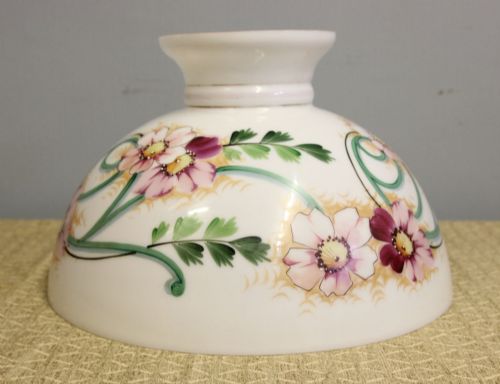
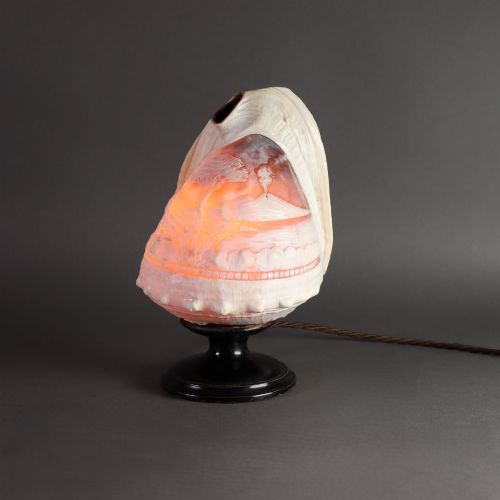
Buyers will find variations ranging from small bedside mood lights and perfume lamps to large telescopic floor lamps and pulpit oil heaters. French and English origin pieces predominate, often displaying Revival styles or hand-painted decorative details.
Materials and construction
Brass, glass and porcelain form the primary structural and decorative components across these pieces, frequently combined with marble, gilt bronze or carved wood. Cranberry glass, pink satin glass and opaline glass provide the characteristic colour, shaped through blowing, moulding or cased glass techniques.
Metalwork relies on cast brass, gilded bronze, or spelter, often shaped into classical Corinthian columns, swan neck arms or ornate bases. Hand-painting, enamel work and gilt decoration adorn ceramic fonts and glass shades, whilst some models integrate marquetry or ebonised wood.
Listings feature brass, glass, porcelain and marble, spanning Victorian to Art Deco periods through oil lamps, table lamps and chandeliers.
Judging quality in pink antique lamps
Quality rests in the crispness of the casting on brass and bronze mounts, the depth of colour and weight in the glass, and the refinement of hand-painted details on porcelain fonts. Superior pieces exhibit substantial brass columns, finely detailed capitals and heavy, well-balanced marble or ceramic bases.
The integrity of the original components marks the better examples, particularly where matching glass fonts and shades survive intact together. Finer pieces demonstrate superior artistry in the glassblowing and carving, avoiding the mechanical uniformity found in later reproductions.
Hinks·Taylor Tunnicliff·Sitzendorf·Argilor
The Pink Lamp Glossary
- Opaline glass
- A semi-translucent white or tinted glass, often found in pale pink shades on Victorian and Edwardian lamp components.
- Cranberry glass
- A rich pinkish-red glass created by adding gold chloride to the molten mixture, frequently utilised for Victorian lamp shades.
- Standard lamp
- A tall floor-standing lamp designed to illuminate a room from a vertical post, common in late nineteenth and early twentieth-century interiors.
- Ormolu
- Gilt-bronze ornamentation applied to furniture and lamp bases, popular in French neoclassical and revival designs.
Pink Lamp: Frequently Asked Questions
How do I safely convert an old oil lamp?
Conversion typically involves running an insulated electrical cord down through the existing burner collar without damaging the original brass or ceramic structure.
Many collectors prefer professional rewiring that preserves the burner mechanism intact so the historical integrity remains undisturbed.
Are cranberry glass and pink glass the same?
Cranberry glass uses gold in the glass-making process to achieve a deep, translucent pinkish-red tone that differs from standard pink glass.
Standard pink glass often relies on different metallic oxides or enamelling techniques to produce lighter pastel or opaque shades.
How do I date a brass standard lamp?
Dating relies on examining the weight of the brass, the style of the column capital, such as Corinthian or reeded forms, and the base construction.
Turn-of-the-century models often feature heavy weighted cast bases and threaded brass joints rather than modern welded construction.
Can I find matching replacement shades?
Finding a period-correct replacement shade requires matching the fitter size, glass colour and period style to your specific lamp base.
Victorian and Edwardian shades vary significantly in rim diameter and neck width, so precise measurements are necessary before searching for spare components.