
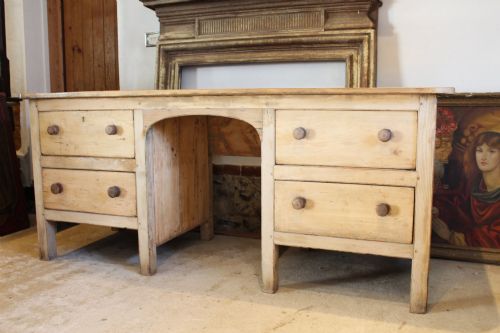
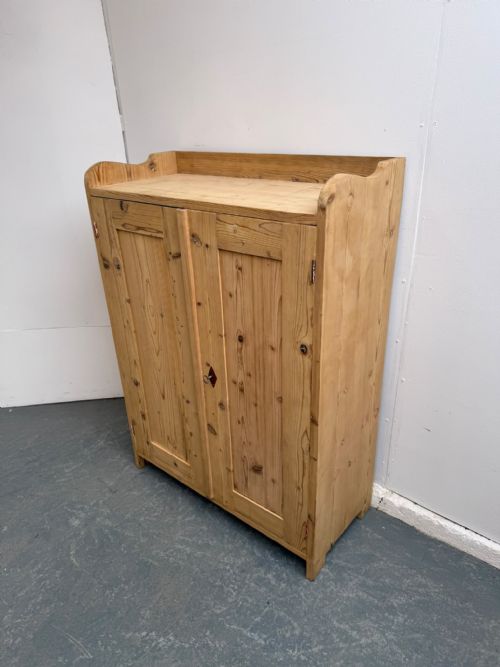


Pine Top Dresser Base
These pine top dresser bases are hardworking utility furniture of country houses and farm kitchens, chosen for honest storage and durable work surfaces.
Pine Top Dresser Base
When you search for a pine top dresser base, you are looking at substantial kitchen and dining room storage units that combine lower cupboards or drawers with a robust wooden work surface. The examples on this page span several distinct regional traditions, including Scottish, Welsh, and English country pieces from the eighteenth and nineteenth centuries.
Most items you will encounter here feature a solid pine construction paired frequently with contrasting sycamore tops, brass hardware, or painted timber finishes. Formats range from simple two-door cupboards with top drawers to grander kitchen islands and console tables designed for daily domestic use.
How They Were Made
These pieces rely on solid timber construction using pine for the main carcasses and heavier woods like sycamore or occasionally marble for the primary surfaces. Traditional joinery methods ensure structural longevity, while secondary materials such as brass fittings provide functional hardware for drawers and doors.
Surface treatments vary from natural waxed pine to hand-applied paint finishes in various tones. Painted timber finishes often show layers of historic colour that reflect decades of domestic application in farmhouses and country kitchens.
Several pieces arrive bearing the gentle scars of flour, butter, and centuries of pastry rolling.
What Varies in Quality
Quality in a pine top dresser base rests on the integrity of the timber selection and the retention of original structural elements. Pieces featuring contrasting sycamore tops demonstrate a thoughtful pairing of durable hardwoods for the working surface alongside softer pine carcases.
Proportion and regional character also define the better examples, where cabinetmakers balanced utility with pleasing architectural lines. The presence of original brass hardware and untouched painted finishes elevates the standing of a piece compared to heavily altered or stripped alternatives.
The Pine Top Dresser Base Glossary
- Dresser base
- The lower section of a kitchen dresser featuring cupboards and drawers, traditionally used for food preparation and storage without the upper plate rack.
- Sycamore top
- A hard, light-coloured wood surface fitted to the top of a dresser base to provide a durable board for culinary work.
- Painted timber
- Wood surfaces finished with traditional paints, often showing multiple historic layers accumulated through generations of domestic use.
- Country house
- A rural provenance descriptor applied to furniture built for utilitarian service in large provincial estates and farmhouses rather than formal urban parlours.
- Brass hardware
- Metal fittings including drop handles and keyplates cast in brass to secure drawers and cabinet doors.
Pine Top Dresser Base: Frequently Asked Questions
What is a pine top dresser base?
A pine top dresser base is a heavy kitchen or dining room sideboard featuring a lower arrangement of cupboards and drawers beneath a sturdy wooden work surface. They served as primary preparation tables and storage hubs in traditional homes.
Unlike tall dressers with upper plate racks, these low bases offer an accessible surface for food preparation and display while keeping everyday utensils concealed below.
How do I date a pine dresser base?
Dating relies on observing construction techniques, tool marks, timber choice, and hardware styles. Eighteenth-century pieces often display hand-planed surfaces and simpler joinery, while Victorian examples frequently incorporate machine-sawn elements and more standardised drawer construction.
Regional variations also provide clues, as Scottish and Welsh country workshops maintained distinct architectural proportions and moulding profiles that shifted across the decades.
Are these pieces suitable for modern kitchens?
These bases function exceptionally well as kitchen islands, sideboards, or coffee station units in contemporary homes. Their durable wooden surfaces and deep cupboards offer practical storage solutions.
Placing them in modern spaces creates a warm contrast between contemporary interiors and the honest, utilitarian character of nineteenth-century country furniture.
Why do some bases have sycamore tops?
Sycamore provides a dense, tightly grained hardwood surface that resists splitting and absorbs less moisture than softer pine. Cabinetmakers paired sycamore boards with pine carcases to create a resilient chopping and kneading area.
This deliberate combination of woods ensures the primary work surface withstands heavy daily use while keeping the overall weight of the cabinet manageable.