
Vintage Scottish Furniture
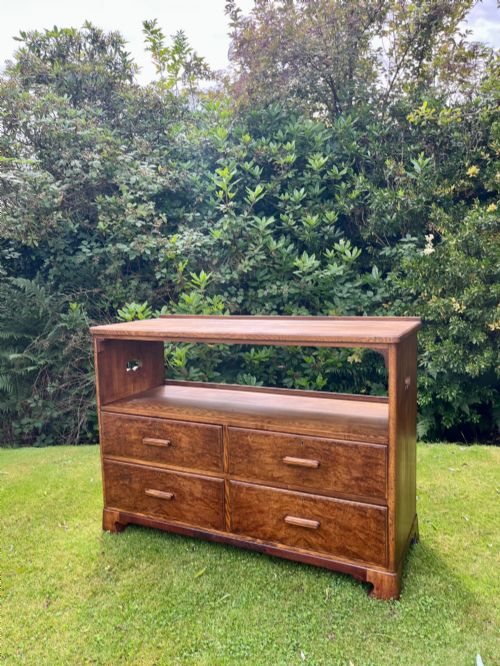
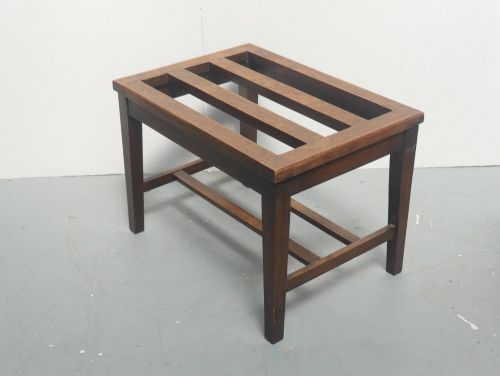
Vintage scottish furniture brings robust regional character into an interior, offering everything from workshop armchairs to city library desks.
Vintage Scottish Furniture
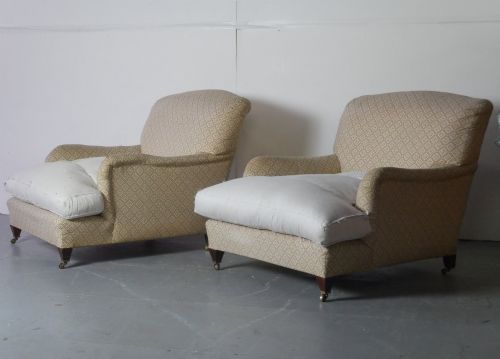
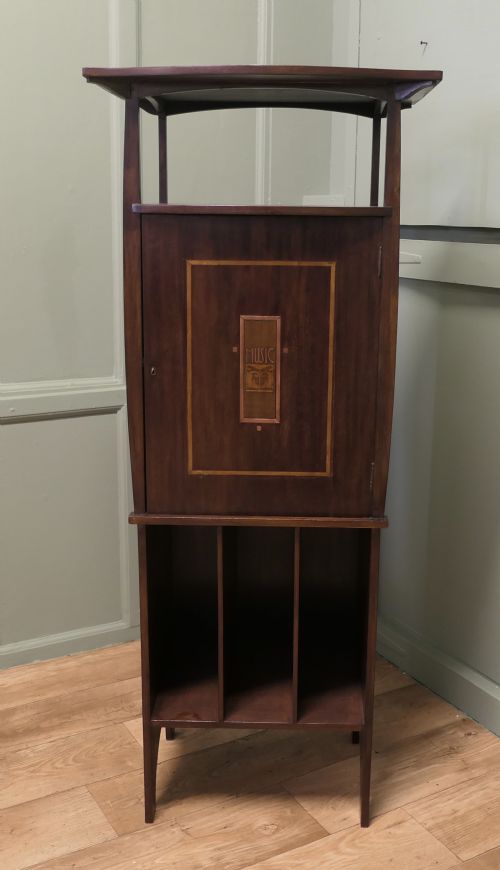
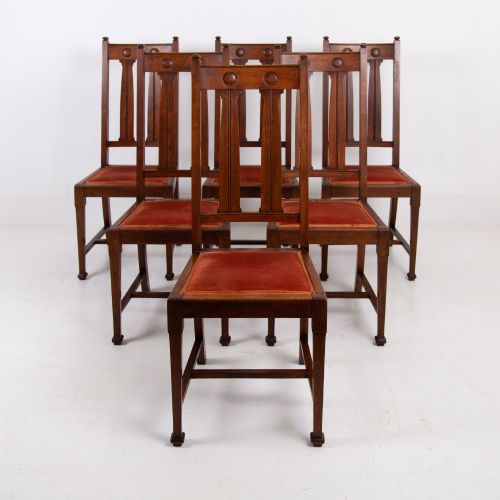
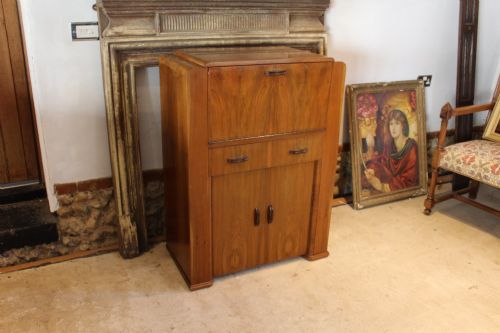
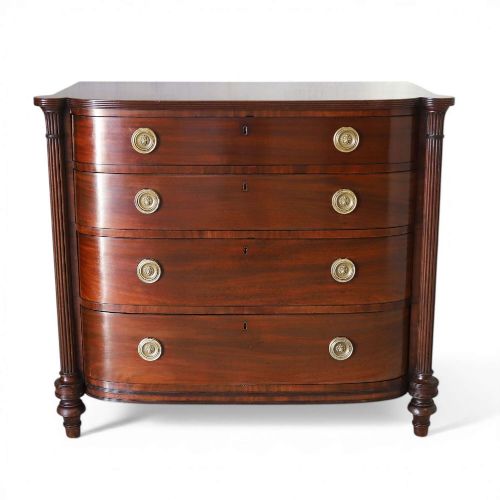
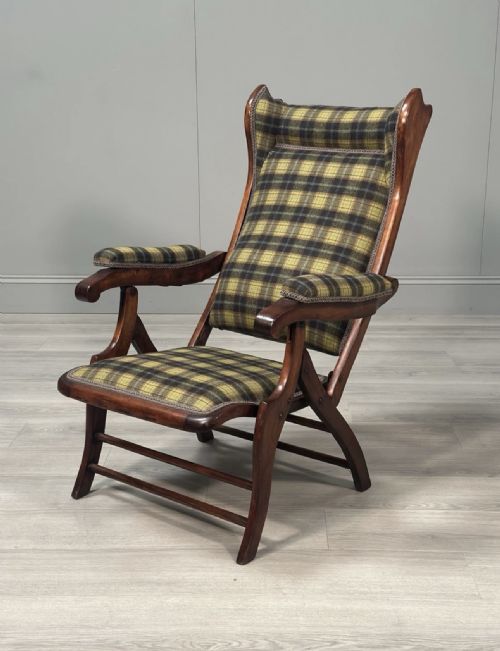
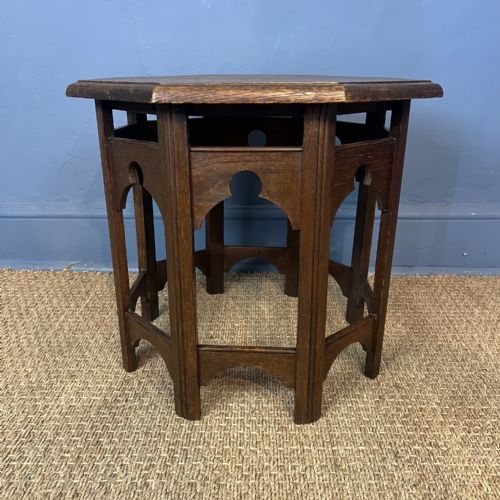
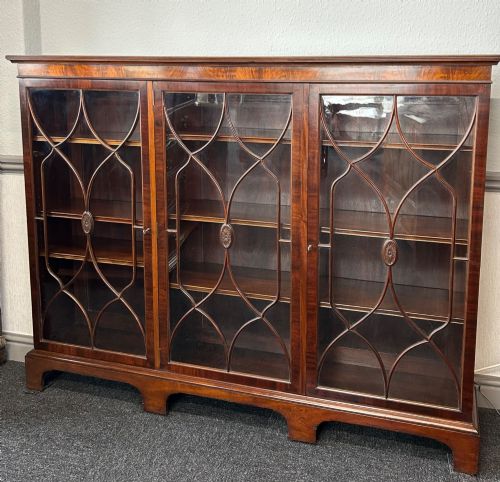
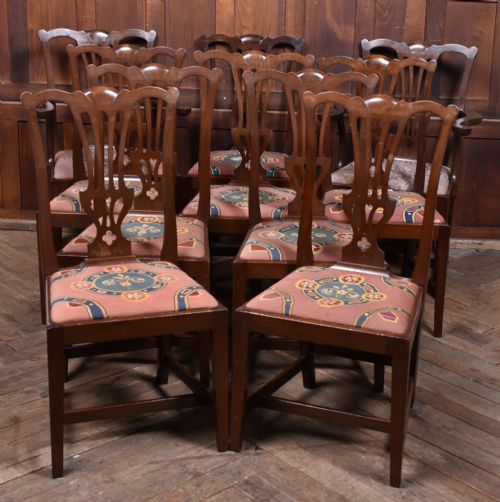
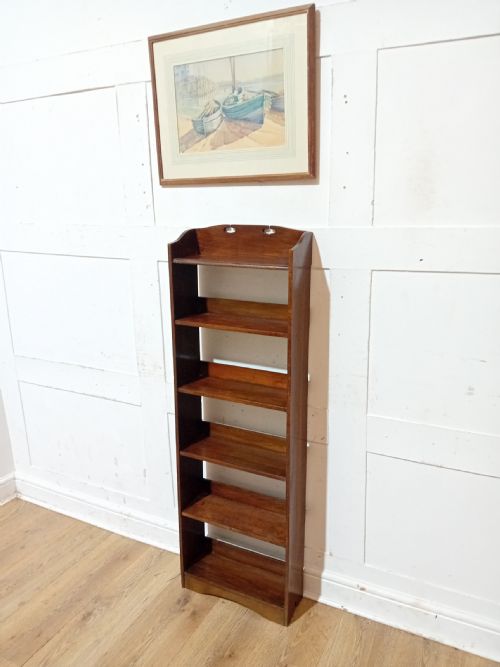
Vintage scottish furniture encompasses practical household objects and refined city workshop commissions spanning the nineteenth and early twentieth centuries. Buyers examine seating forms like armchairs, side chairs, and gossip chairs alongside storage items including bookcases, chests of drawers, and cabinets.
The regional variety runs from vernacular oak country items to sophisticated Edinburgh and Glasgow cabinet work. Pieces display specific stylistic influences such as Arts and Crafts, Queen Anne Revival, and Regency traditions.
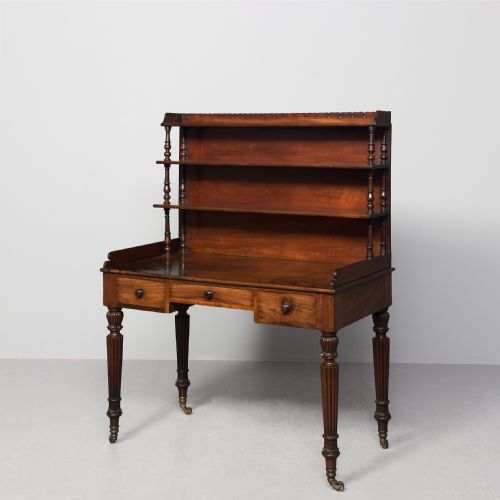
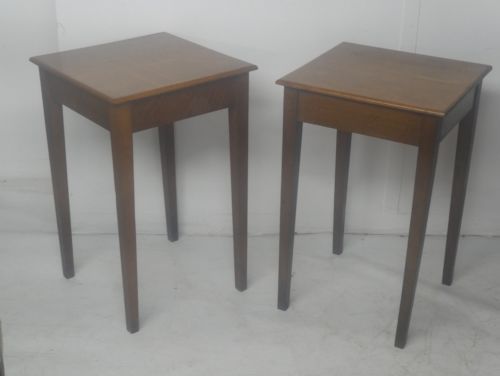
Domestic tables, writing desks, and hall stands appear regularly in materials reflecting local cabinet-making preferences. These items suit both period homes and modern spaces requiring solid timber construction.
What varies in quality
The standard of vintage scottish furniture depends on the ambition of the original design and the selection of timber. Pieces from established urban workshops demonstrate superior cabinet-making finesse compared to simpler provincial output.
Surface finish and the preservation of original hardware distinguish workshop items from standard utility pieces. Proportion and structural integrity dictate the standing of individual tables and seating.
One listed nineteenth-century stool bears the defiant pokerwork motto touch me wha daur.
Whytock and Reid·Wylie and Lochhead·Wheelers of Arncroach·James Mein of Kelso·G M Elwood·E A Taylor·R H and J Simpson·F H Marshall and Co
The Vintage Scottish Furniture Glossary
- Gossip chair
- A low seating form designed for seated conversation, often featuring an integral side arm or rest. These pieces appear frequently in Arts and Crafts contexts.
- Orkney chair
- A traditional seat constructed with a distinctive oat straw twisted back panel and a wooden frame. They reflect specific regional vernacular making traditions.
- Pokerwork
- A decorative technique using heated tools to burn designs into timber surfaces. This method adorns specific stools and panels in the regional selection.
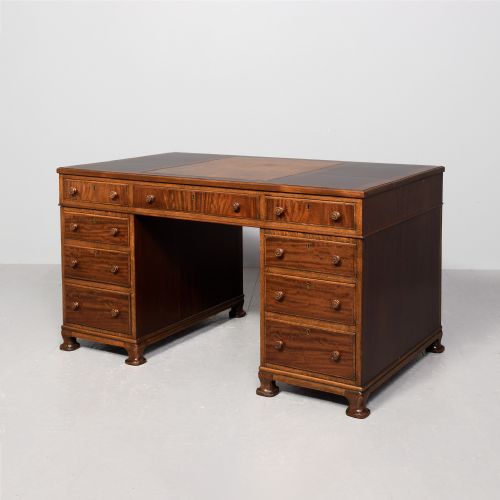
- Pedestal desk
- A heavy writing desk supported by two banks of drawers beneath the main top surface. City workshops produced these in mahogany and oak.
Vintage Scottish Furniture: Frequently Asked Questions
What defines vintage scottish furniture?
These pieces originate from Scottish workshops and households, spanning vernacular oak items to sophisticated Edwardian and Arts and Crafts commissions. They include seating, tables, and cabinets made by regional cabinet-makers.
Materials range from local elm and oak to imported mahogany, reflecting both country traditions and urban design movements based in cities like Edinburgh and Glasgow.
How do I identify a maker?
Makers often marked their output with paper labels, stamps, or specific construction traits associated with documented firms like Whytock and Reid or Wylie and Lochhead. Design details also point to known designers working within the Glasgow School.
Comparing timber selection and regional upholstery patterns helps separate workshop commissions from general provincial cabinet-making.
Where should I place these pieces?
Robust oak and mahogany items suit studies, living rooms, and hallways where solid timber furniture provides functional utility. Smaller items like gossip chairs and lamp tables fit comfortably into compact spaces.
Pairing vernacular oak with modern interiors highlights the textural grain and honest construction of regional woodwork.
How do I care for the timber?
Maintain finished surfaces by applying appropriate wax polish sparingly to nourish the wood and preserve the natural grain. Avoid placing furniture in direct sunlight or near heat sources to prevent timber splitting.
Handle brass hardware and glazed doors with care during routine cleaning to protect original joinery.