

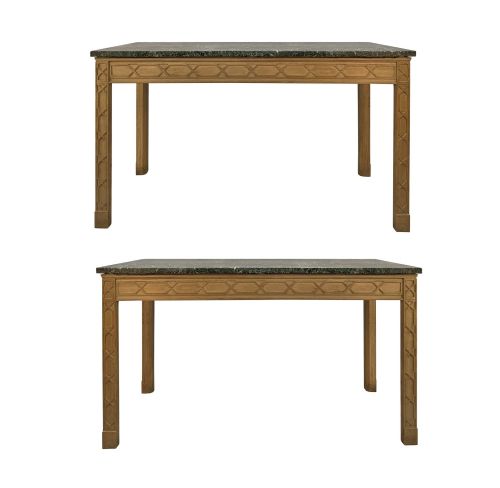



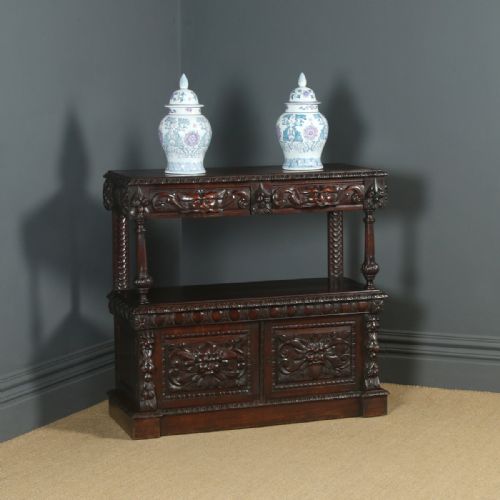


Antique Green Sideboard Table
An antique green sideboard table brings robust utility and painted charm into a room, offering surface space and storage rooted in centuries of vernacular design.
Antique Green Sideboard Table
When you search for an antique green sideboard table, you are looking at practical serving furniture, dresser bases, and potboard tables finished in historical paint. These pieces hail predominantly from the nineteenth and eighteenth centuries, reflecting utilitarian origins across English, Scottish, and French country traditions.
You are most likely to meet painted timber and pine forms on this page, often featuring open pot-shelves or deep drawers. Styles range from rustic farmhouse and English country to French country and Victorian interpretations, all united by their functional lineage.
The selection also encompasses console tables and drapers tables adapted to the sideboard role through their length and height. Their proportions suit dining rooms and hallways where surface display and concealed storage are equally valued.
Construction and materials
These items are constructed primarily from solid pine and oak, providing the structural heft necessary for heavy domestic work. Wood framing is joined using traditional methods suited to everyday service.
Surfaces receive coats of historic paint, which over generations develops a distinct crackled or patinated texture. Details such as brass and iron hardware finish the construction, alongside occasional carved wooden ornamentation.
Antique Green Sideboard Table Retail Price Guide 2026
Typical asking prices for green sideboard table among the pieces listed under this phrase on Sellingantiques today, from the lower quarter to the upper quarter. They describe what is for sale here now, not the wider market.
Distinctions in quality
Quality rests upon the integrity of the timber frame and the depth of the surviving paint surface. Pieces that retain their original painted finish without extensive modern repainting hold greater visual coherence.
Proportion and utility define the better examples, where drawers run smoothly and potboards remain structurally sound. The balance between rustic wear and structural survival marks the distinction across the range.
The Antique Green Sideboard Table Glossary
- Dresser base
- A low freestanding cabinet featuring drawers and sometimes an open lower shelf known as a potboard. It served traditionally for the preparation and storage of food and tableware in large country kitchens.
- Potboard
- A lower wooden shelf integrated into a table or dresser base, designed originally to hold pots and pans off the damp floor. It provides a stable structural stretcher near the base of the piece.
- Drapers table
- A long, narrow table originating from retail trade use, adapted for domestic settings as a sideboard or serving surface. They are characterised by shallow drawers and generous length.
- Console table
- A wall-mounted or freestanding table designed to stand against a vertical surface, frequently topped with marble in continental European traditions. They prioritize display over heavy kitchen utility.
- Patina
- The surface sheen and textural change acquired by wood, metal, and paint through decades of handling and cleaning. It serves as an indicator of age and continuous use.
Antique Green Sideboard Table: Frequently Asked Questions
What is a potboard serving table?
A potboard serving table is a sturdy timber furnishing featuring a flat top for food presentation and an open lower shelf for storage. These pieces were built for heavy domestic service in country houses.
Their open lower tier distinguishes them from standard closed cupboards, offering practical display space for larger items beneath the main working surface.
How do I distinguish English from French country styles?
English country pieces emphasise sturdy pine and oak construction with straightforward utility, often featuring potboards and planked tops. They prioritize functional honesty and robust proportions.
French country examples frequently incorporate softer lines and distinct painted finishes, occasionally pairing timber bases with marble tops as seen in console forms.
Where should I place a dresser base at home?
A dresser base fits naturally in a dining room or kitchen as a sideboard for serving food and storing tableware. Its depth provides ample surface area for lamps, bowls, and everyday items.
They also function effectively in long hallways or living spaces, where the combination of drawer storage and top display anchors the room.
How do I care for historic painted wood?
Historic painted surfaces require gentle dusting with a dry or slightly damp cloth to preserve the fragile top layers. Avoid harsh chemical cleaners that can strip or soften aged paint.
Keep the timber away from direct heat sources and sudden humidity changes to prevent the wood from warping and the historic paint from flaking.