


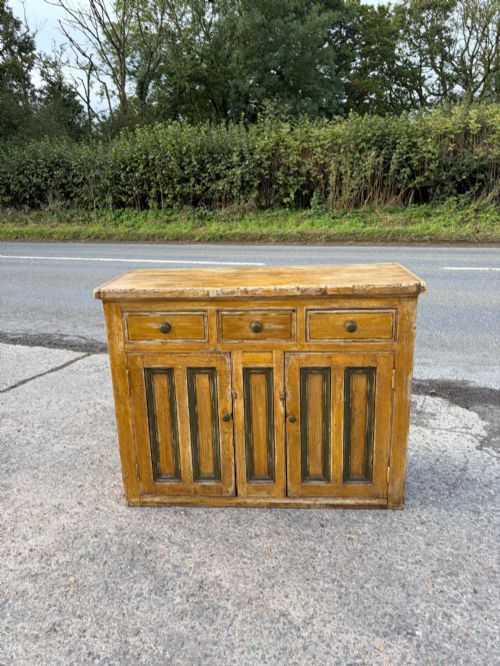
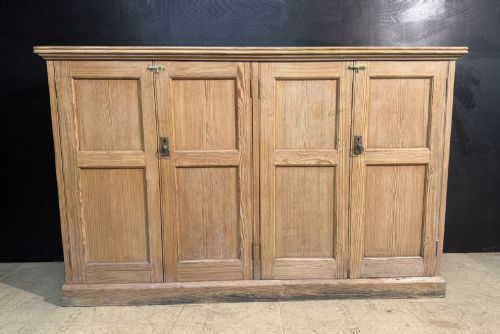
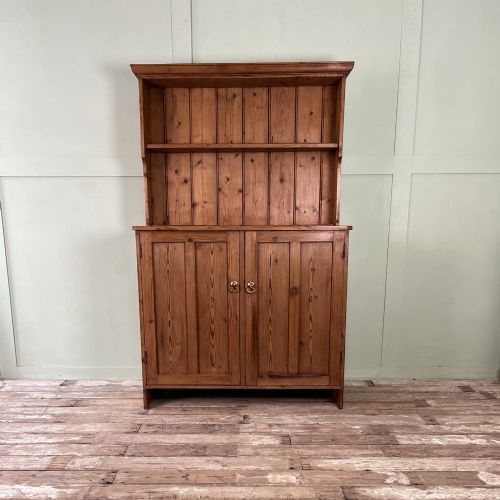
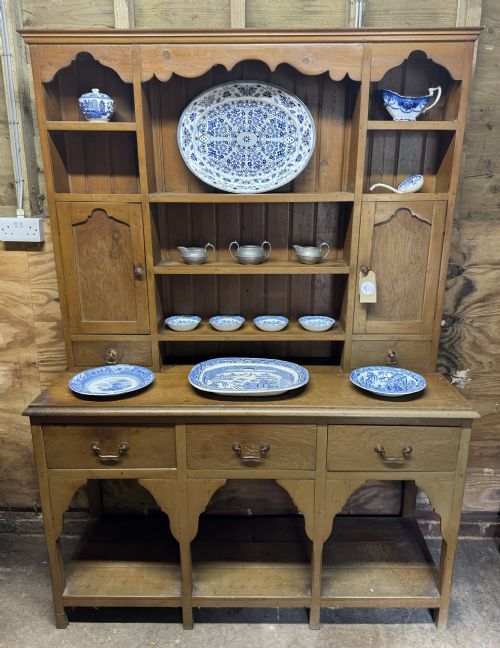

Pine Kitchen Sideboard
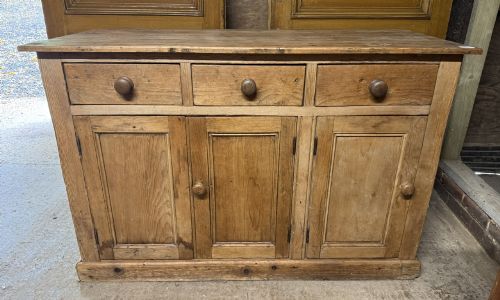
A pine kitchen sideboard brings honest utility and warm grain to a room, offering generous storage built for daily domestic use.
Pine Kitchen Sideboard
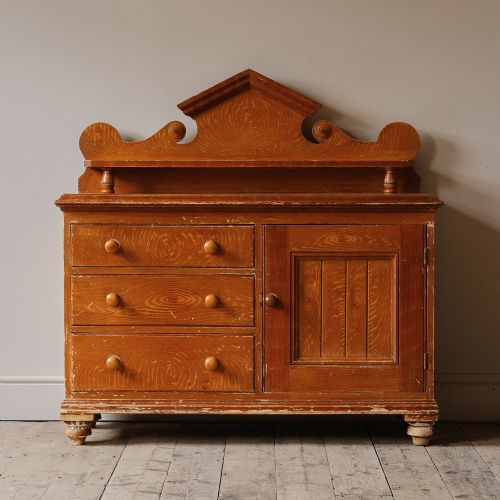
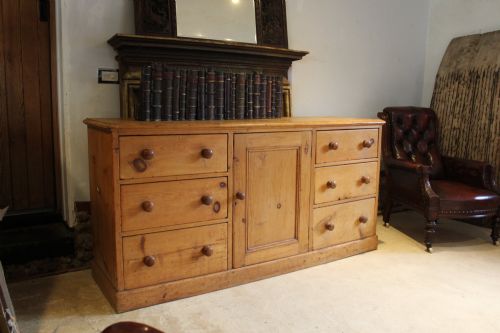
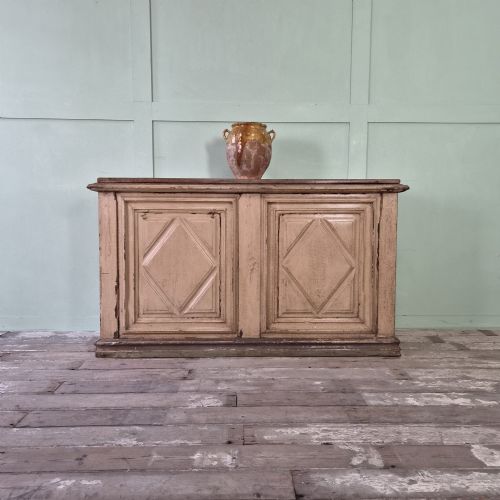
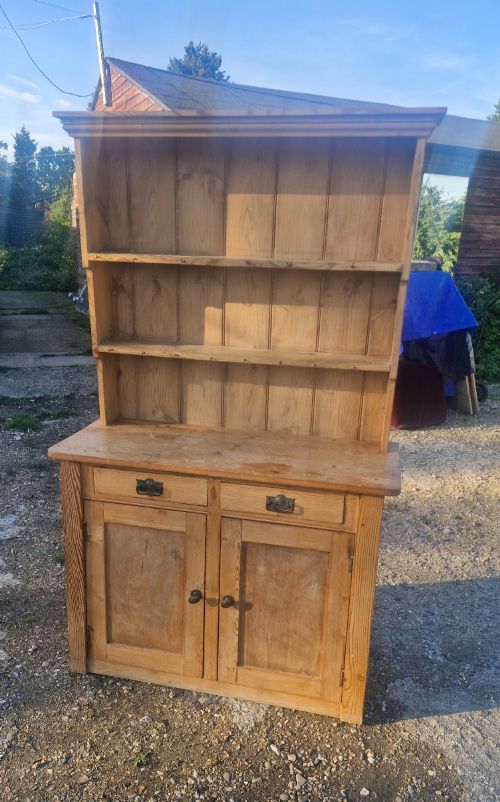
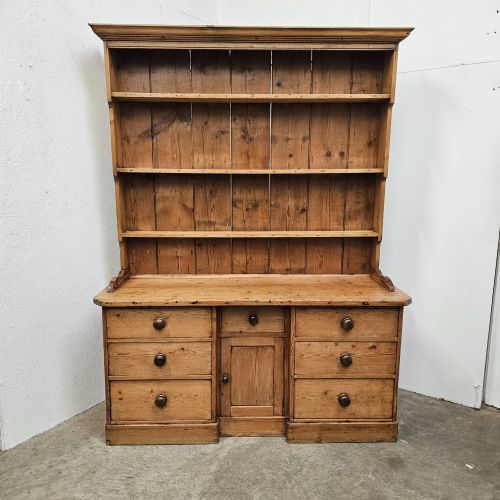
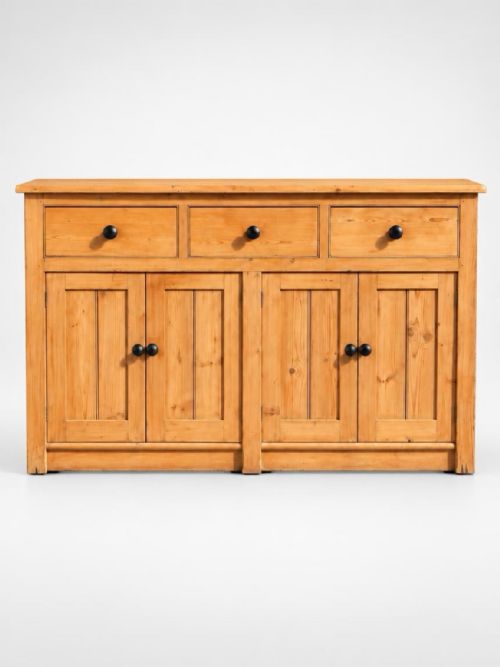
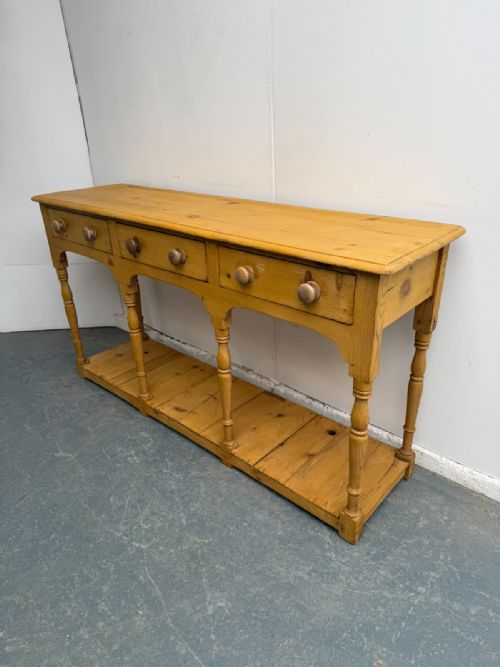
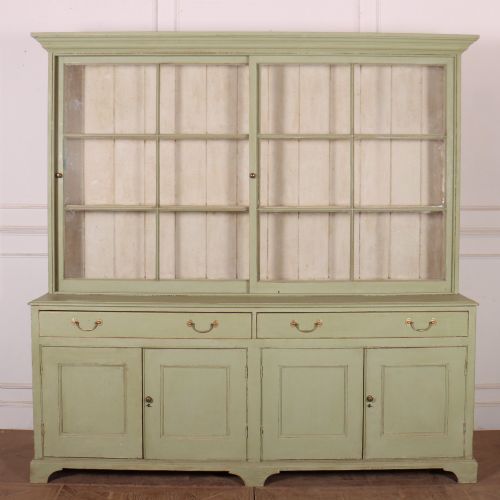
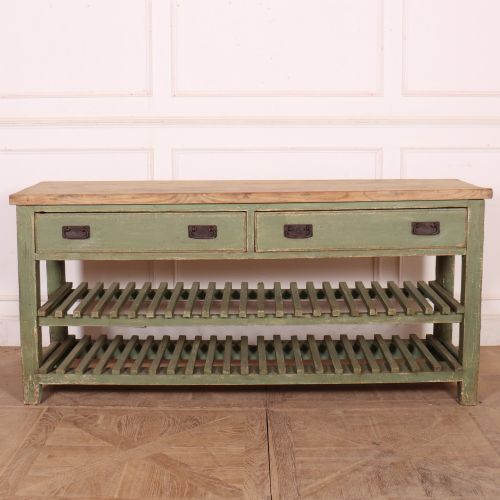
When you search for a pine kitchen sideboard, you encounter sturdy storage furniture built to serve hardworking domestic spaces. The pieces listed on this page span the Victorian era, nineteenth century, and around eighteen fifty, taking forms such as sideboards, dresser bases, and dressers.
The version you are most likely to meet here is the Victorian pine dresser base or kitchen sideboard. These pieces combine lower cupboard doors with drawer space above, reflecting a practical country aesthetic designed for everyday utility.
Originating from British and rural contexts, these items carry the distinct character of nineteenth-century domestic life. Their straightforward construction makes them adaptable additions to modern kitchens seeking traditional storage solutions.
How they were made
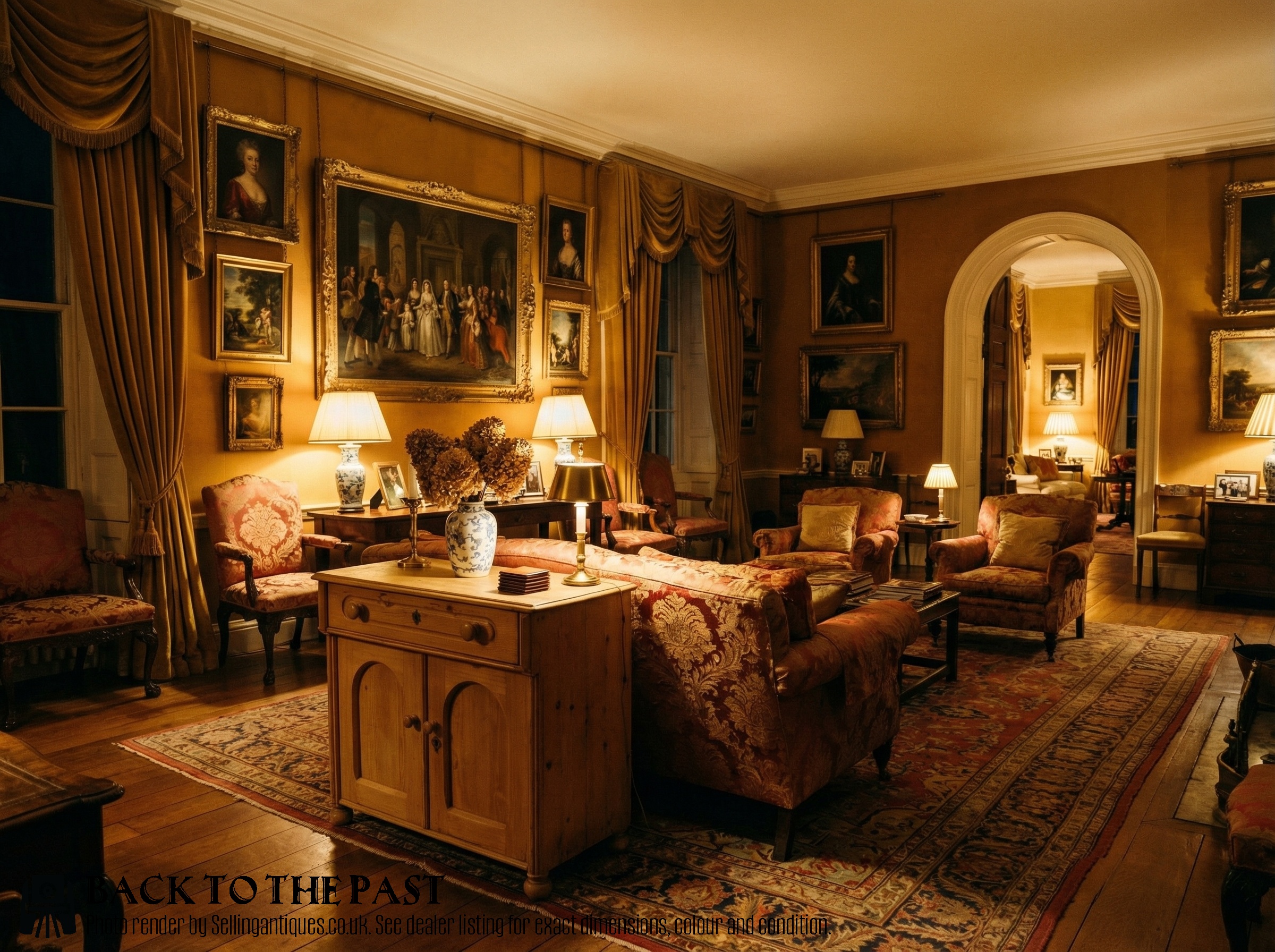
Construction relies entirely on pine, sometimes paired with sycamore for prep surfaces, utilising robust timber suited to daily kitchen demands. Joinery focuses on functional strength rather than delicate ornamentation, employing solid boards for tops, sides, and internal shelving.
Surfaces often show traces of their working history, with options prepared for waxing or painting depending on how the piece was maintained. Cabinetmakers utilised traditional panelled doors and dovetailed drawer construction to ensure durability under heavy use.
Pine Kitchen Sideboard Retail Price Guide 2026
Typical asking prices for pine kitchen sideboard among the pieces listed under this phrase on Sellingantiques today, from the lower quarter to the upper quarter. They describe what is for sale here now, not the wider market.
All listed pieces are constructed from pine, spanning nineteenth-century Victorian styles including standard and country variations.
What varies in quality
The distinction between standard utility items and finer examples lies in the proportion, timber selection, and originality of the hardware. Pieces featuring well-figured pine grain and balanced proportions command greater appreciation than plain utilitarian equivalents.
Proportion and scale also separate standard regional pieces from larger, more ornate interpretations. The integrity of the original timber surface, whether stripped, waxed, or bearing traces of early paint, dictates the character of the piece.
The Pine Kitchen Sideboard Glossary
- Pine
- A softwood commonly utilised in nineteenth-century country furniture for its accessibility and workable nature. It accepts wax and paint finishes readily.
- Dresser base
- A lower cabinetry unit featuring cupboards and drawers beneath a flat top surface, designed for kitchen and dining storage. It forms the foundation of a traditional kitchen sideboard.
- Victorian
- The period spanning the reign of Queen Victoria, characterised in these listings by robust construction and practical domestic forms. Furniture from this era prioritised utility alongside simple country style.
- Stripped pine
- Timber that has had later layers of paint or dark varnish removed to reveal the lighter grain beneath. This finish highlights the natural texture of the wood.
- Sycamore
- A dense hardwood occasionally utilised alongside pine for kitchen preparation surfaces due to its resistance to splitting. It provides a contrasting pale tone in hybrid boards.
Pine Kitchen Sideboard: Frequently Asked Questions
How do I clean a pine sideboard?
Dust regularly with a soft, dry cloth to prevent dirt accumulation on the surface. Apply a traditional beeswax periodically to nourish the timber and maintain a soft lustre without sealing the grain.
Avoid using harsh chemical sprays or excess water, as moisture can penetrate the wood and damage historic finishes. Place the sideboard away from direct heat sources to prevent the pine from drying out and splitting.
Can I use these in a modern kitchen?
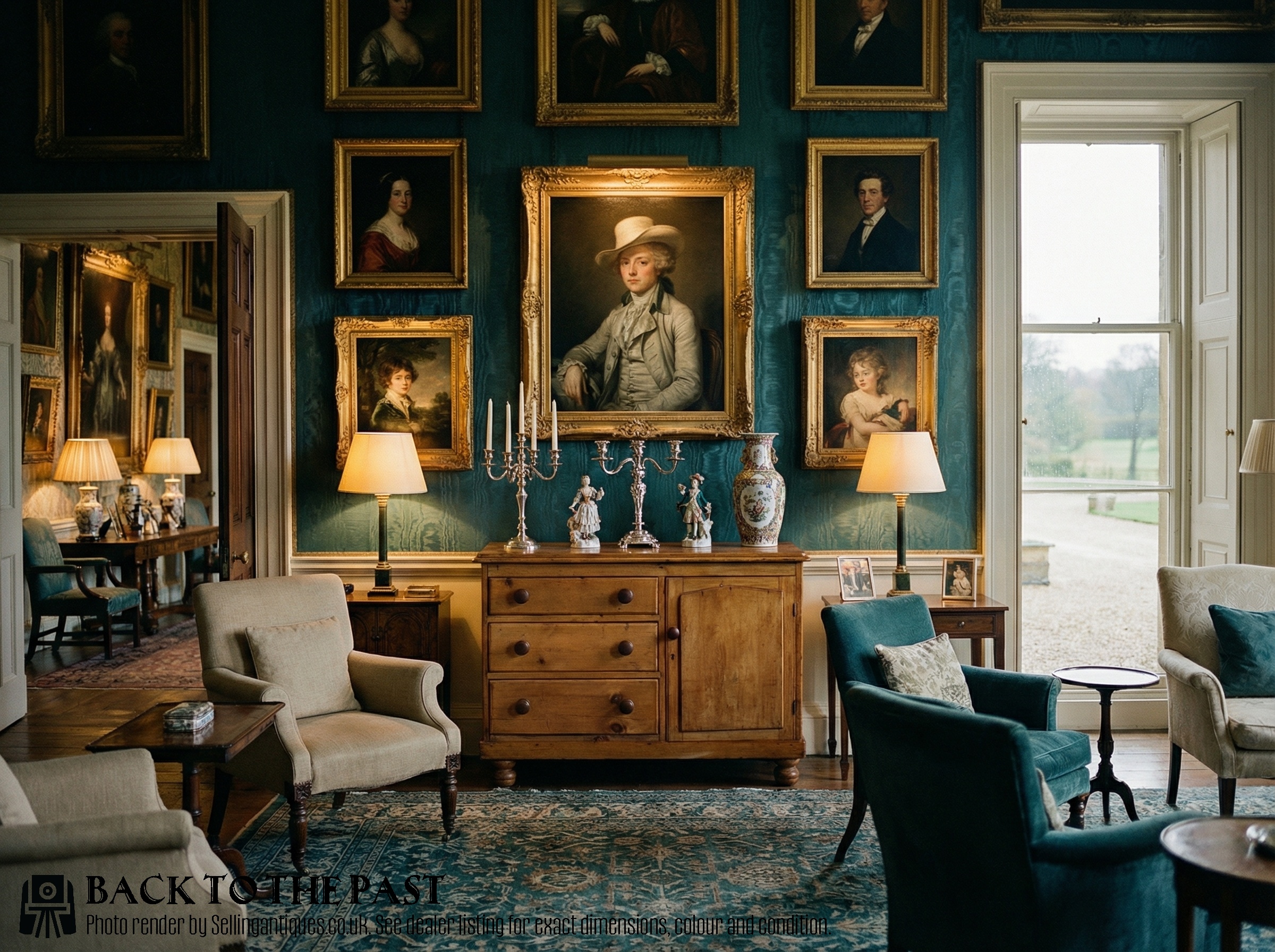
These pieces integrate naturally into contemporary spaces by offering freestanding storage that contrasts with fitted cabinetry. Their neutral timber tones complement modern stone and stainless steel surfaces while adding warmth to the room.
Ensure you measure the available floor space and clearance for doors and drawers before placement. Their deep proportions make them ideal for housing dinnerware, cookware, or linens.
What is the difference between a dresser base and a sideboard?
A dresser base traditionally formed the lower section of a kitchen dresser, often built with robust proportions to support daily food preparation. A sideboard generally refers to a standalone serving piece designed primarily for dining room storage.
In practice, nineteenth-century vernacular furniture often blurs these definitions, sharing similar depths, drawer arrangements, and cupboard spaces. Both terms describe low storage cabinetry built from solid pine.
How do I date a Victorian pine piece?
Examine the construction methods, such as hand-cut dovetails in the drawers and the type of fixings used in the assembly. Nineteenth-century pine often displays tool marks and variations in board width that reflect period workshop practices.
Consider the style of the mouldings and the overall wear patterns on the timber. Secondary woods used for drawer linings and backboards also provide clues to the period of manufacture.