
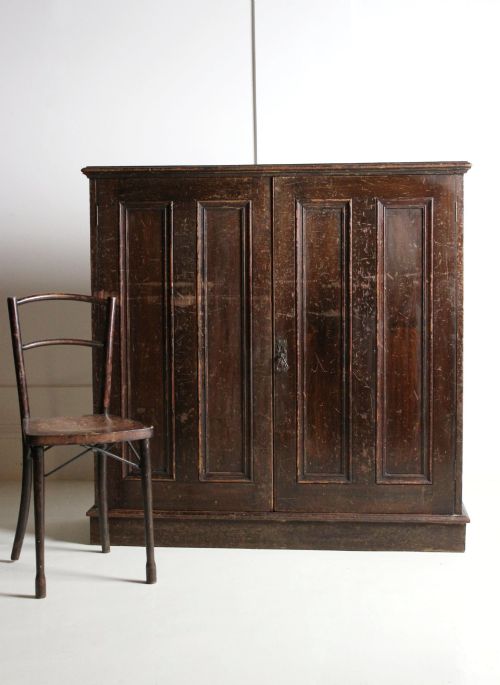
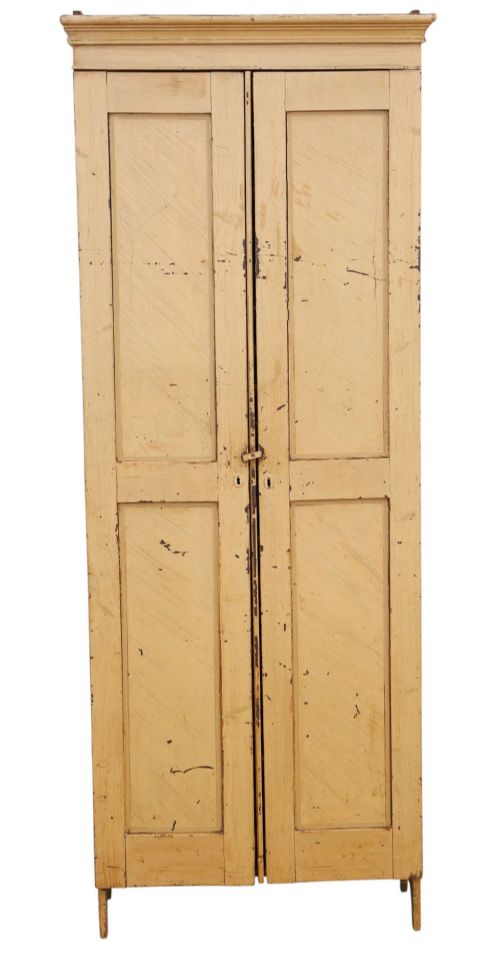
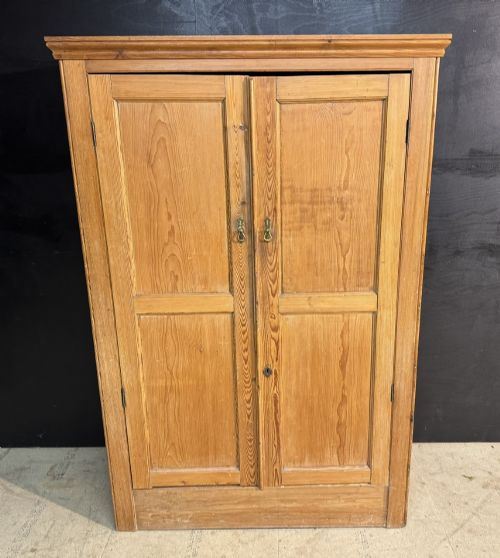
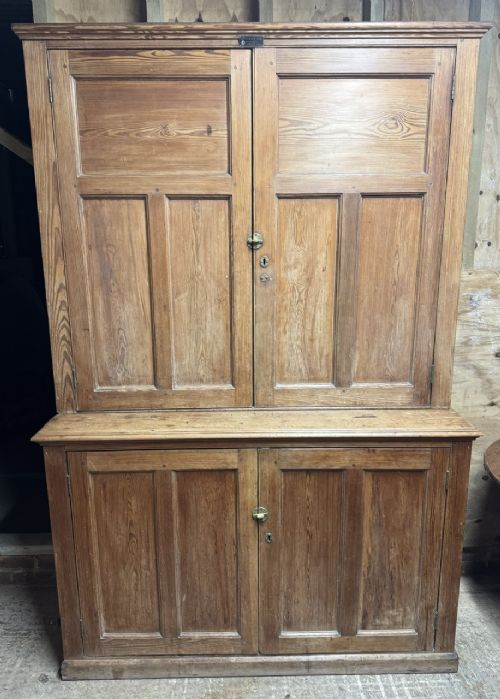
Pine Housekeeper Cabinet
A pine housekeeper cabinet provides generous utility and honest domestic charm, making it a practical anchor for a kitchen or pantry.
Pine Housekeeper Cabinet
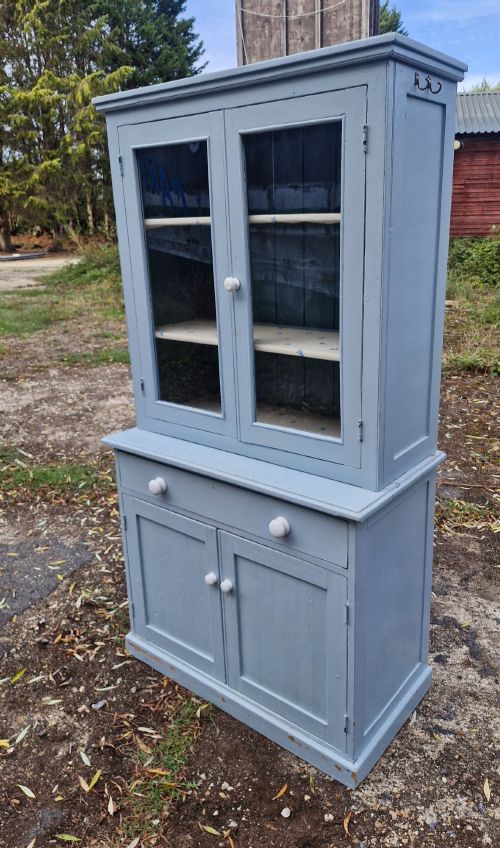
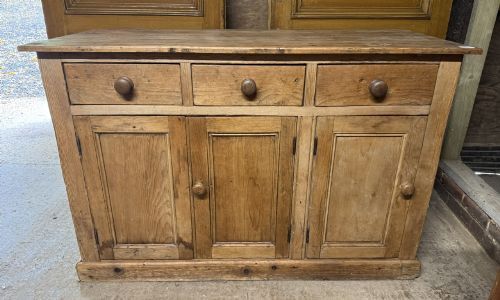
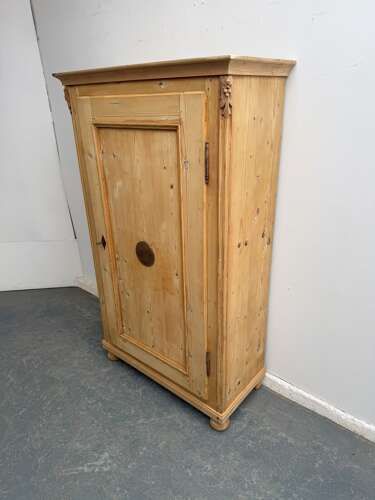
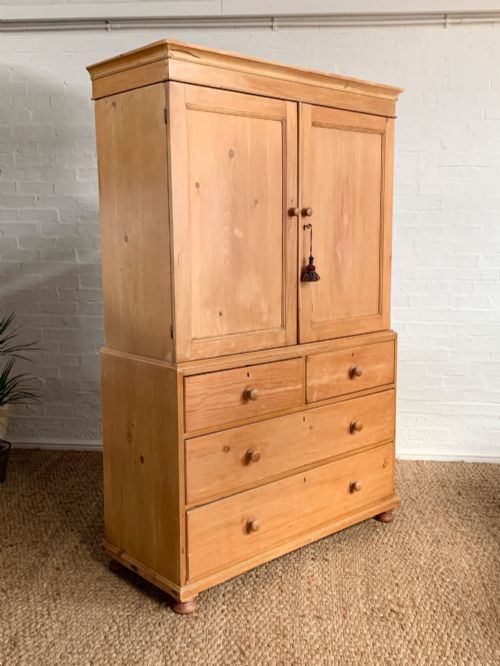
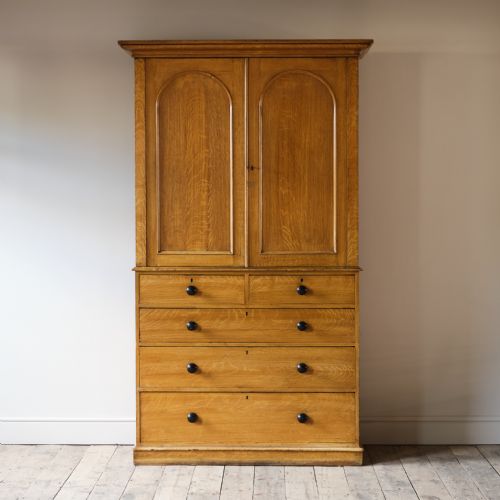
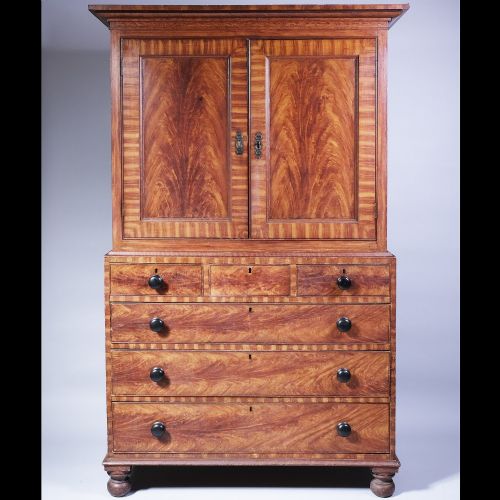
A pine housekeeper cabinet is a substantial storage piece designed for domestic organisation, frequently appearing from the Victorian period alongside 19th Century examples. These sturdy units function as storage cupboards, linen presses, or kitchen dressers, serving utilitarian roles in traditional homes.
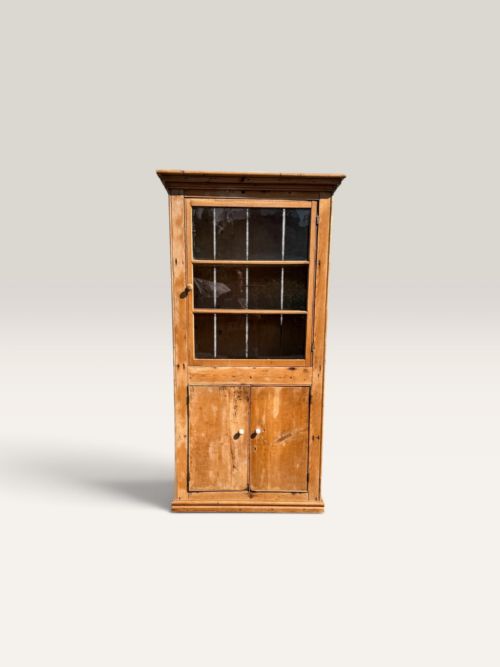
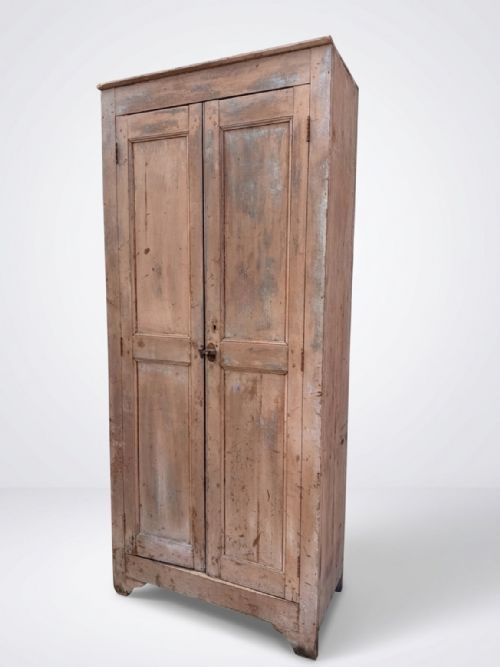
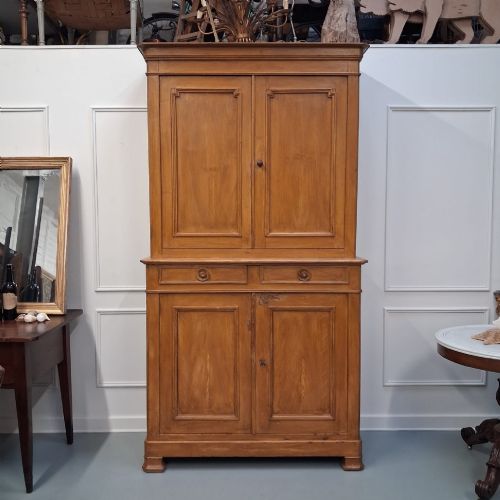
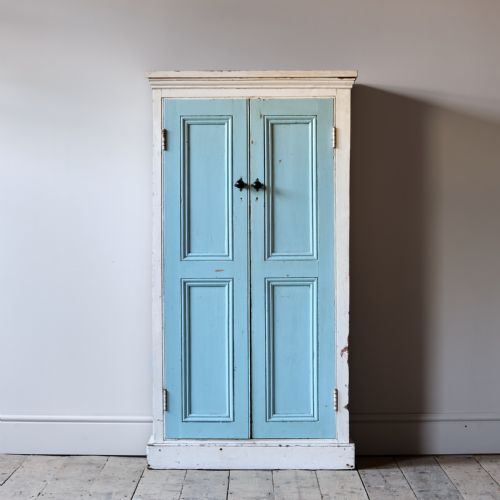
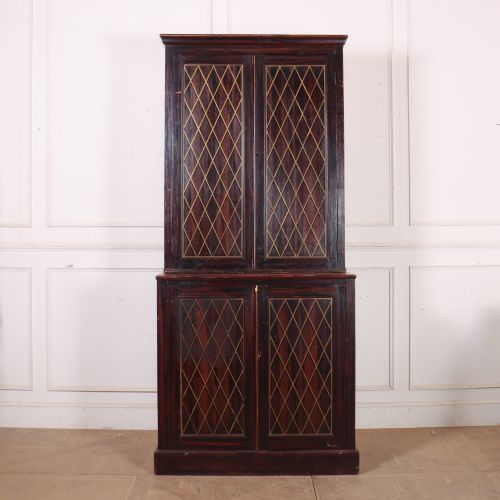
Most pieces seen here belong to the Victorian era or date broadly to the 19th Century, often showing regional English or French country styles. Forms range from tall narrow storage units to two-part kitchen cupboards with panelled doors.
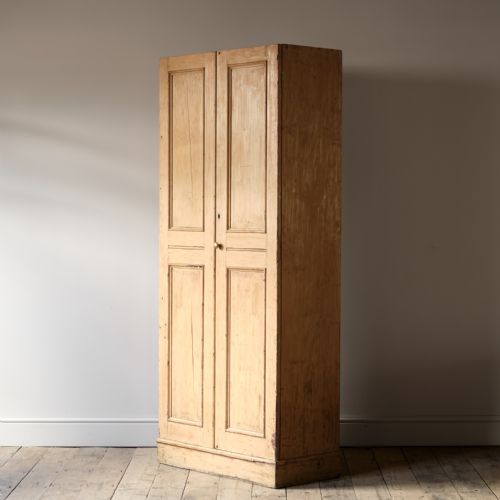
Buyers encounter variations including single or multi-door configurations, glazed display cabinets, and vented food cupboards. Many retain traces of original paint, scumble finishes, or bare pine ready for waxing.
Materials and construction
Construction relies heavily on solid pine, occasionally incorporating pitch pine, with iron and brass hardware used for hinges, latches, and pulls. Surfaces frequently display historic layers of paint, cream or coloured finishes, and waxed treatments.
Joinery techniques reflect traditional cabinet-making suited to utilitarian furniture, using pegged joints, fielded panels, and tongue-and-groove boards. Glazed sections utilise timber framing with glass panes to enclose shelving.
Several cupboards still bear the faint aroma of old baking and decades of pantry secrets locked behind their pine doors.
Assessing quality and proportion
Quality rests upon timber selection, structural integrity, and the preservation of original surfaces like early paint or scumble work. Pieces with balanced proportions, original ironmongery, and clean internal shelving stand apart from heavily altered examples.
The sophistication of mouldings, fielded panels, and overall joinery distinguishes standard utility furniture from finer country workshop production. Intact two-part construction and well-preserved original hardware elevate the standing of an individual cabinet.
The Pine Housekeeper Cabinet Glossary
- Scumble painted
- A decorative technique where a translucent coloured glaze is manipulated over a lighter base coat to imitate wood grain or create texture.
- Linen press
- A tall cupboard traditionally used for storing folded linens and textiles, usually featuring interior sliding trays or shelves.
- Fielded panel
- A wooden panel with bevelled edges that fits into a grooved frame, allowing the wood to expand and contract safely.
- Pitch pine
- A durable, resinous variety of pine often utilised for strength and distinct grain patterns in Victorian construction.
- Food cupboard
- A ventilated storage unit designed with wire mesh or pierced panels to allow air circulation while protecting provisions.
Pine Housekeeper Cabinet: Frequently Asked Questions
Where were housekeeper cabinets used?
These large storage pieces traditionally stood in large country houses, farmhouses, and vicarages to hold household stores, linens, and provisions.
They served functional roles in sculleries, pantries, and kitchens rather than formal reception rooms.
How do I care for waxed pine?
Maintain waxed pine surfaces by dusting with a soft cloth and applying a traditional beeswax polish periodically to nourish the timber.
Avoid placing these cabinets near direct heat sources or strong sunlight to prevent the wood from drying out or splitting.
Are these cabinets one piece or two?
Many larger examples, particularly kitchen dressers and certain storage units, are constructed in two parts to assist with transport and placement.
Smaller cupboards and single-door variants are typically built as a single solid piece.
How can I tell the period?
Dating relies on construction clues such as handmade nails, joinery methods, screw types, and the presence of original paint or hardware.
Victorian and 19th Century examples often show characteristic tool marks and heavier timber scantlings than later Edwardian pieces.