

Pine Clothes Press
A pine clothes press offers generous, honest storage built from enduring timber, bringing practical utility and quiet charm to any bedroom.
Pine Clothes Press
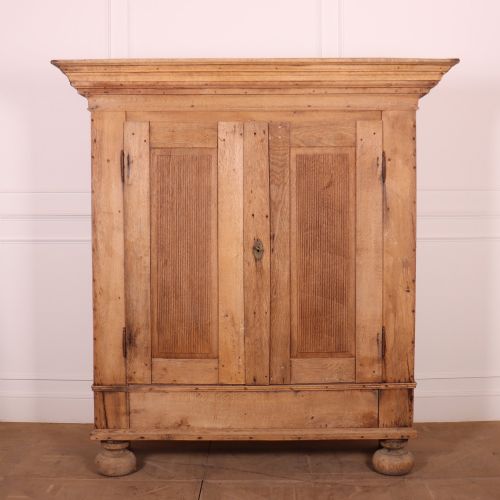
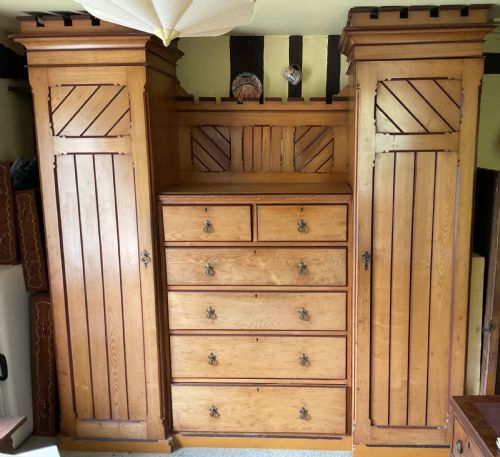
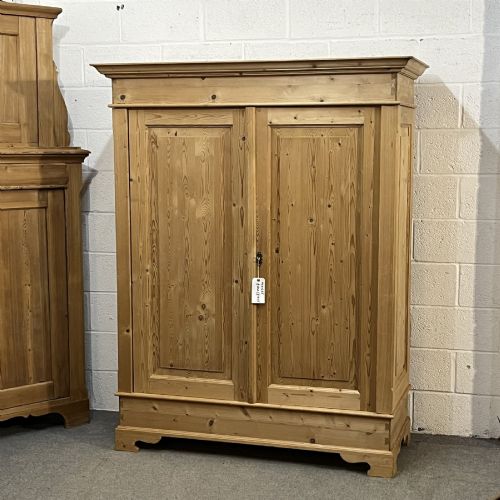
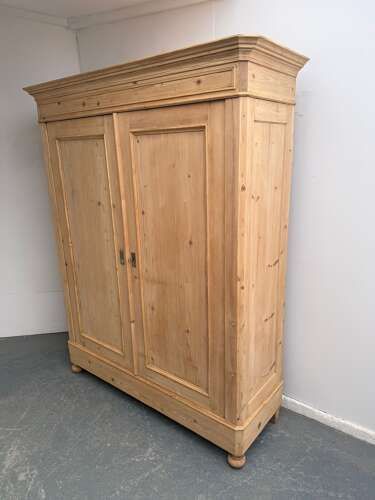
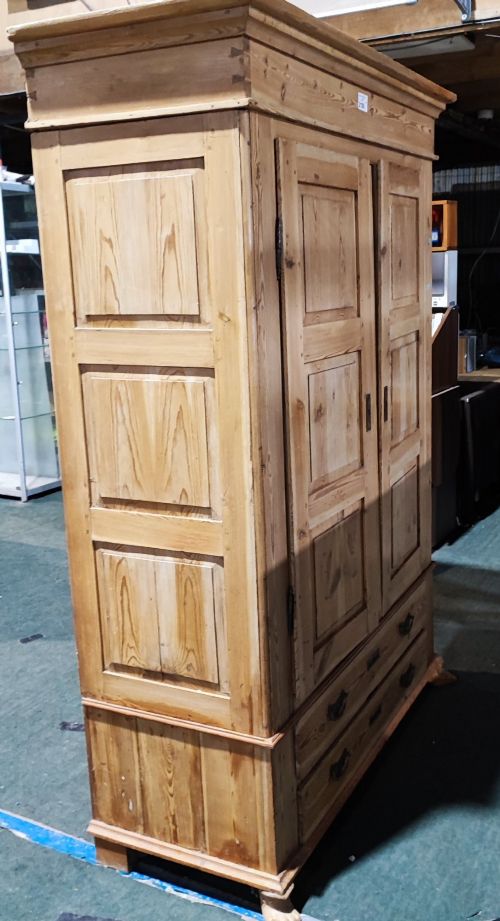
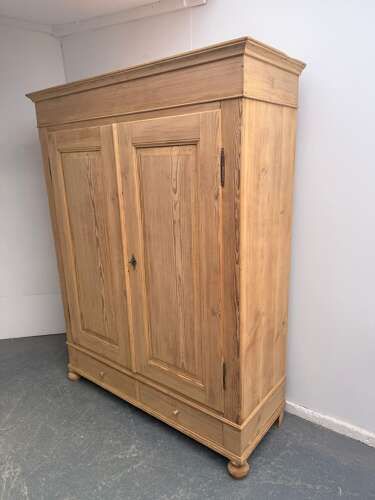
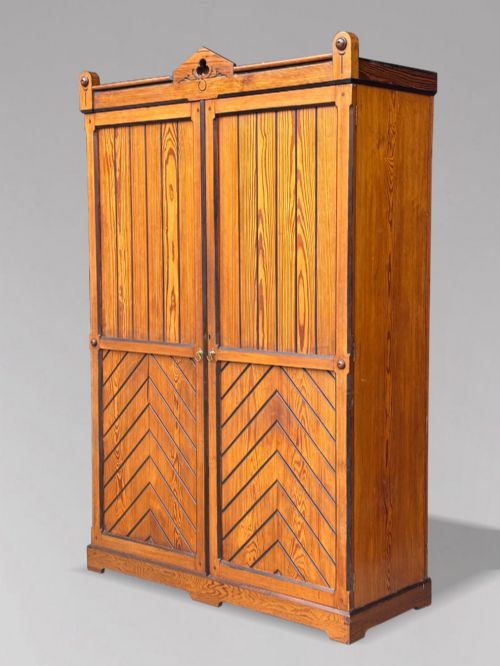
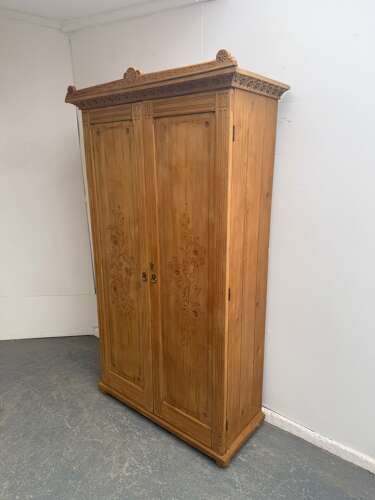
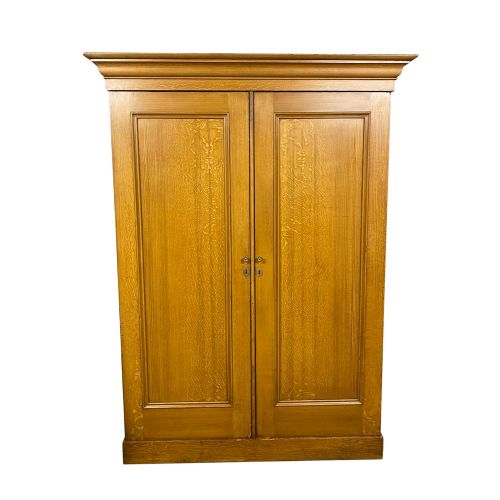
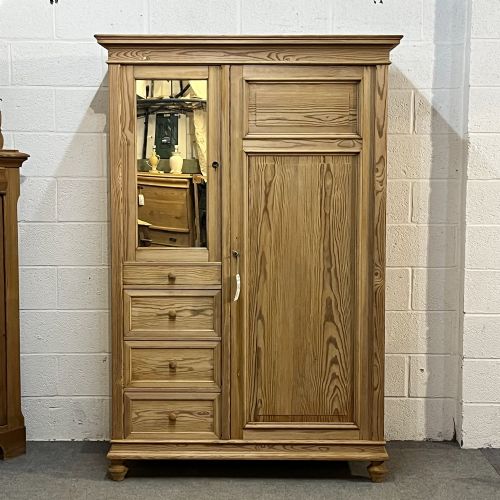
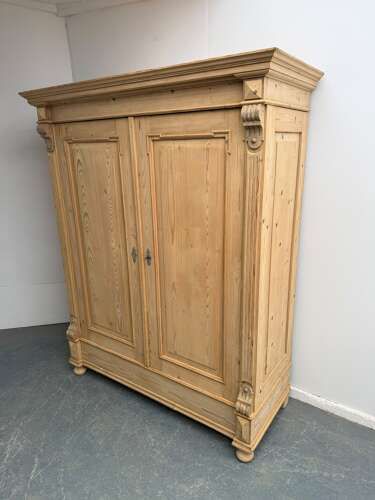
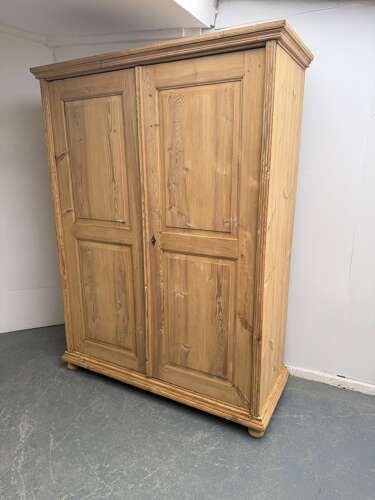
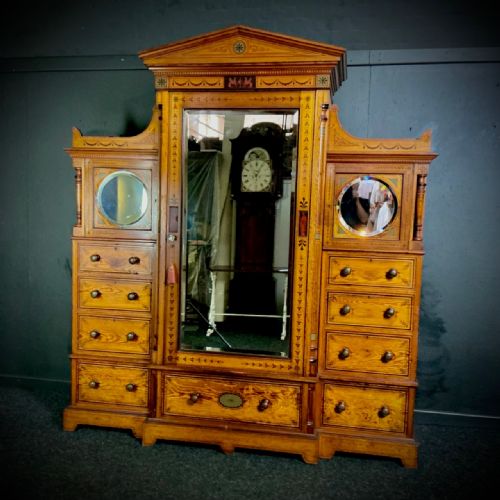
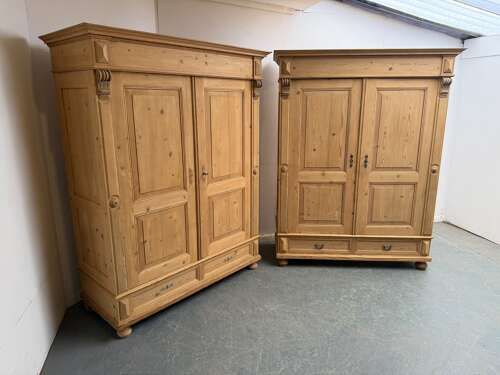
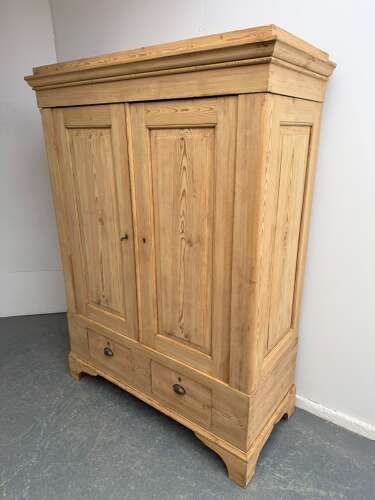
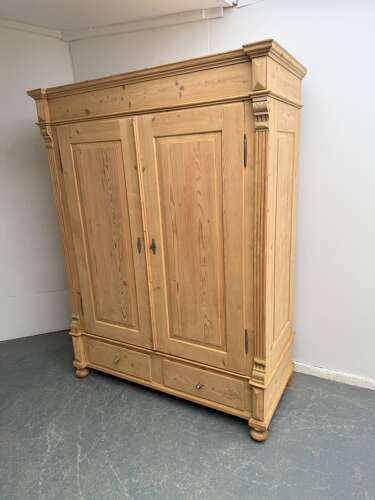
When searching for a pine clothes press, buyers encounter robust storage solutions originating from the Georgian and Victorian eras, alongside later Edwardian and twentieth-century examples. These pieces typically take the form of wardrobes, compactums, and linen cupboards designed to house garments and household textiles.
The selections available range from low cottage cupboards and single hall wardrobes to massive double and triple knockdown wardrobes. Many specimens reflect regional English, Scottish, and French provincial styles, utilising durable softwoods fashioned into functional domestic furniture.
How They Were Made
Cabinet makers utilised solid pine and pitch pine, often constructing larger carcasses to dismantle into manageable sections for transport and installation in domestic chambers. Iron and brass hardware, including hinges, handles, and locks, secured the doors and drawers.
Surfaces received various treatments according to period and fashion, ranging from clear wax finishes that highlighted the natural grain to original scumble paintwork designed to imitate richer timbers.
Pine Clothes Press Retail Price Guide 2026
Typical asking prices for pine clothes press among the pieces listed under this phrase on Sellingantiques today, from the lower quarter to the upper quarter. They describe what is for sale here now, not the wider market.
Current listings feature pieces spanning the Georgian, Victorian, Edwardian, and Arts and Crafts periods, constructed from pine, pitch pine, and iron.
What Varies in Quality
Superior examples exhibit balanced proportions, refined moulding details, and well-executed joinery that ensures the heavy doors and knockdown panels fit securely together. The presence of original surface treatments, such as early paintwork or patinated wax finishes, elevates the desirability of a piece.
Finer construction is also evident in the intelligent integration of interior shelving, hanging space, and lower storage drawers within compactum or combination formats.
The Pine Clothes Press Glossary
- Knockdown
- A piece of furniture engineered with pegged or bolted sections that dismantle entirely for ease of movement. This method allowed large wardrobes to travel up narrow staircases.
- Compactum
- A fitted wardrobe combining hanging space, shelving, and internal drawers within a single carcass. This efficient layout maximised storage capacity in smaller bedrooms.
- Scumble
- A decorative paint technique involving translucent layers dragged or textured over a base coat to simulate grain. Artisans frequently used this method to give pine the appearance of oak.
- Pitch pine
- A resinous North American pine species yielding a hard, durable timber with a pronounced grain pattern. Cabinet makers valued it for its strength and rich visual character.
Pine Clothes Press: Frequently Asked Questions
What is a pine clothes press used for?
These large storage pieces traditionally served to house folded garments, linens, and hanging clothing within domestic bedrooms and hallways. Their deep shelves and hanging compartments accommodated the substantial textiles of past eras.
Today, they function as versatile wardrobes and linen cupboards, introducing substantial capacity and traditional character into modern homes.
How do I date a pine wardrobe?
Dating relies on examining construction methods, timber choice, hardware styles, and overall design characteristics. Georgian examples often display simpler proportions and pegged joints, while Victorian pieces may feature elaborate mouldings, paneling, and pitch pine variations.
Later Edwardian and Arts and Crafts pieces introduce lighter proportions and occasional decorative inlays, reflecting the shifting tastes of the early twentieth century.
What does knockdown construction mean?
Knockdown construction refers to furniture built to separate into individual panels for transport. Cabinet makers pegged or bolted the cornices, sides, and bases together so the massive carcasses could be moved easily between rooms.
This practical engineering explains why so many large nineteenth-century wardrobes survive intact today, having successfully navigated tight stairwells.
Should I wax or paint my cupboard?
Many pieces survive with bare wood ready for finishing, or retain traces of old paint and wax. Selecting between a natural wax finish and a painted surface depends on personal interior preferences and the existing historical treatment of the timber.
Preserving original scumble or early paint layers maintains historical integrity, whereas clean wax allows the natural pine grain to develop a warm patina over time.