

Pillar Dining Table
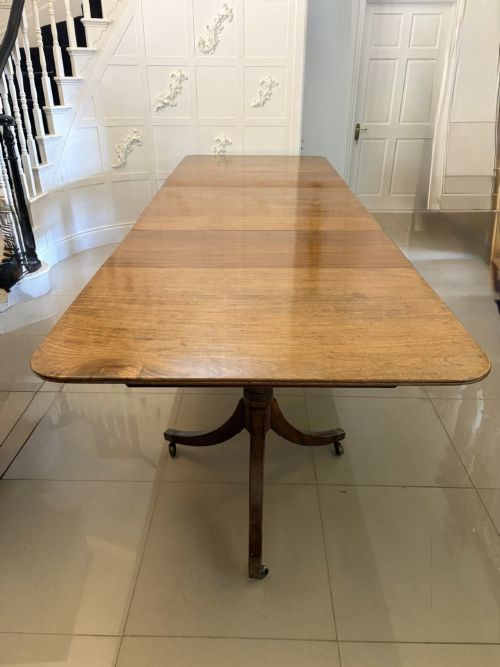
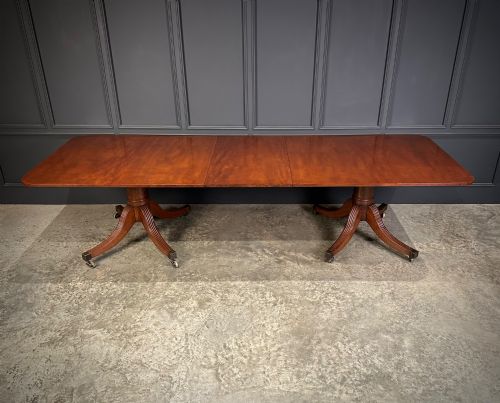
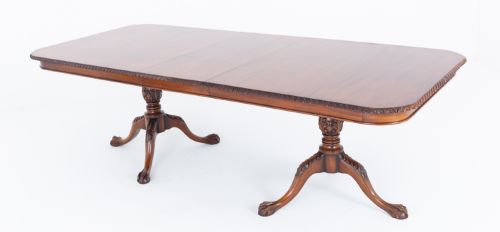
A pillar dining table brings modular versatility to large rooms through multiple pedestals supporting extended timber boards.
Pillar Dining Table
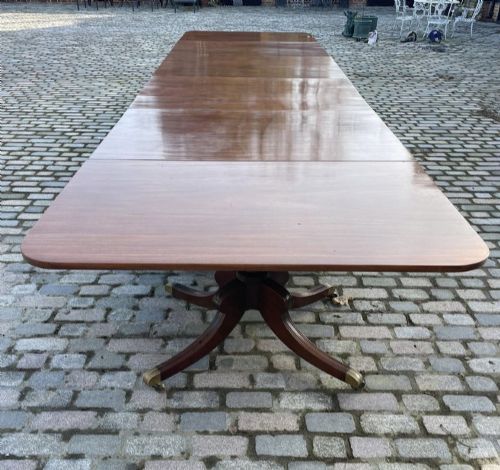
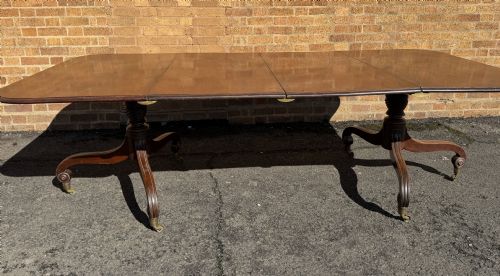
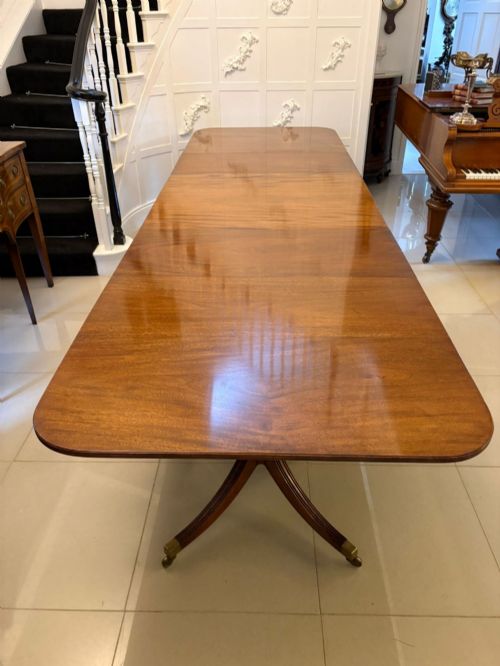
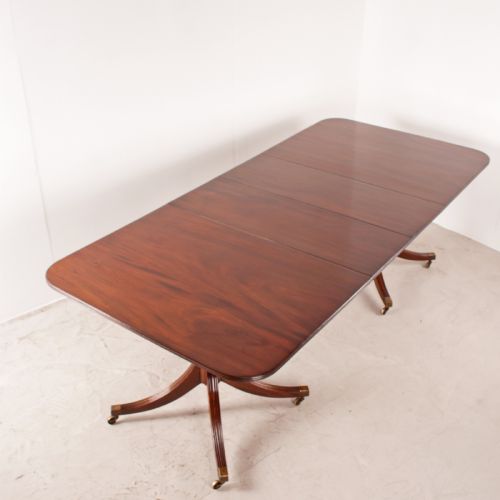
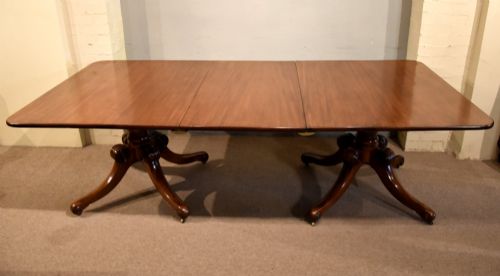
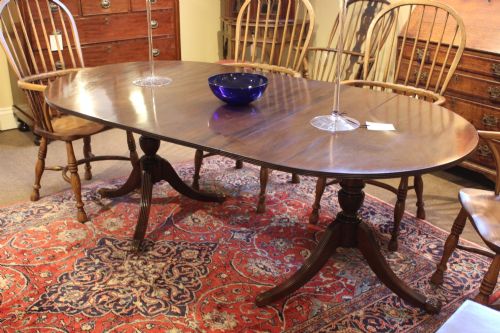
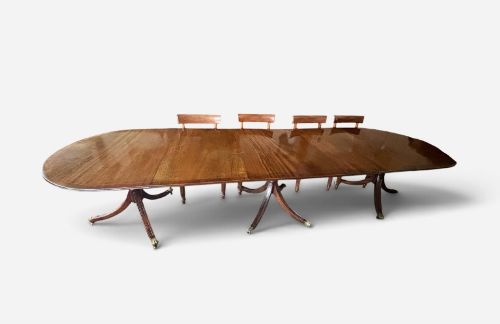
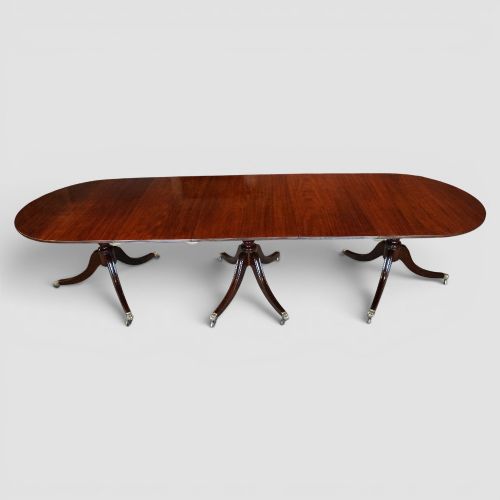
A pillar dining table is designed for modular versatility, utilising two or three pedestals to support long timber tops that accommodate multiple diners. When searching for a pillar dining table, you encounter formats ranging from compact twin-pillar versions seating eight to extensive triple-pillar formats reaching sixteen or more seats.
Most examples originate from the Georgian and Regency periods, or follow later Regency Revival and Edwardian designs. These tables often incorporate removable leaves, allowing the overall length to adapt to different dining occasions.
Materials and construction methods
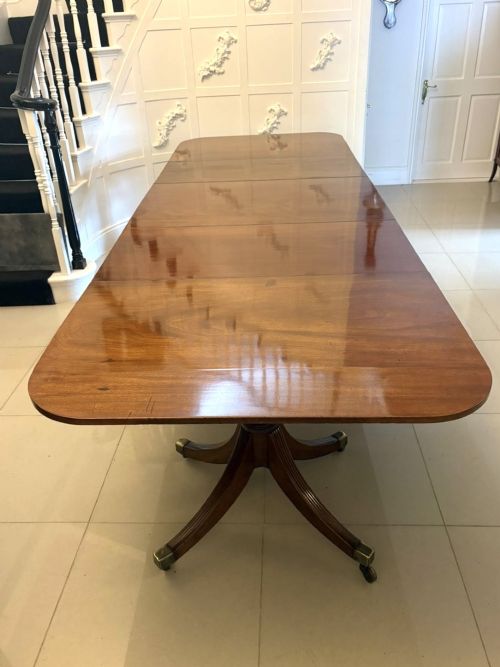
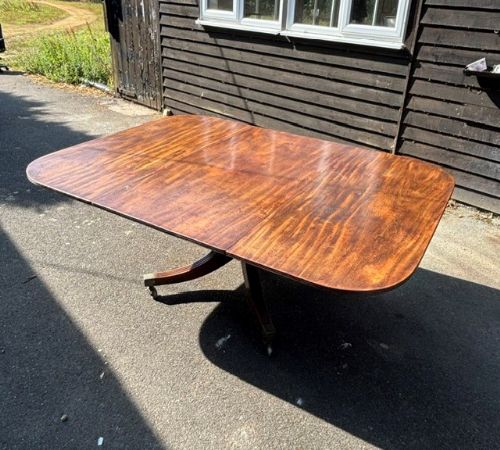
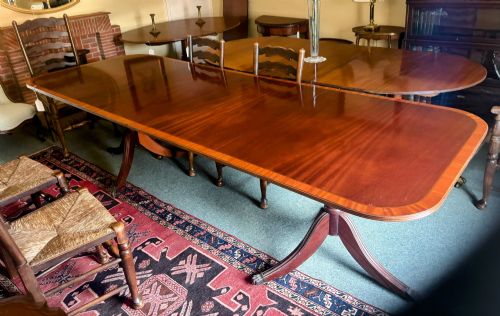
Makers predominantly relied on figured mahogany, prized for its rich grain patterns and durable surface properties. Timber boards were selected and arranged to showcase natural figuring across the main top sections.
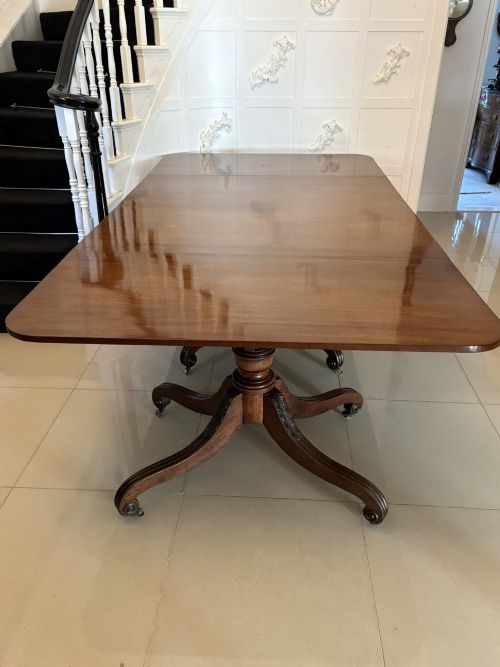
Pedestals frequently incorporate turned central pillars resting on splayed legs, occasionally accented with brass castors or subtle inlay work to aid mobility and appearance.
Brass castors frequently appear on the feet of nineteenth-century pedestals.
Distinctions in construction and design
Quality separates examples through the selection of timber figure, the precision of the extending mechanism, and the stability of the central pillars. Finer pieces demonstrate careful matching of mahogany veneers and robust underframe engineering that supports multiple heavy leaves without sagging.
Proportion and execution of the pedestal turnings further define the tier of craftsmanship, distinguishing standard workshop production from master cabinetmaker output.
Thomas Butler·Whytock and Reid
The Pillar Dining Table Glossary
- Extending leaf
- A removable section of timber inserted into the middle of the table to increase its overall length. These leaves allow the table to seat more guests when needed.
- Figured mahogany
- Timber cut to highlight decorative patterns within the wood grain such as flame or curl. This material is chosen for its visual appeal on large surface areas.
- Castor
- A small wheel attached to the base of the table legs. They help move heavy dining tables across flooring.
- Regency Revival
- A design style from the late nineteenth or early twentieth centuries that imitates the distinctive forms of the early nineteenth century. Pieces in this category reproduce classical proportions and pillar configurations.
Pillar Dining Table: Frequently Asked Questions
How many people does a triple pillar table seat?
A triple pillar table typically accommodates twelve to sixteen diners depending on the presence of extra leaves.
Larger formats can extend further to seat twenty-eight guests.
How do twin pillar and triple pillar tables differ?
Twin pillar tables rely on two pedestals and suit moderate lengths, whereas triple pillar versions add a central column to support longer formats.
This extra support prevents sagging across extended mahogany surfaces.
Can I remove leaves from a pillar dining table?
Most extending versions allow you to remove one or more leaves to shorten the overall length.
This makes them adaptable for daily use as well as larger gatherings.
What period do most pillar dining tables come from?
The majority originate from the Georgian and Regency eras of the early nineteenth century.
Later Regency Revival examples from the early twentieth century also appear frequently.