



Six Pedestal Dining Table
A six pedestal dining table provides vast proportions and solid timber construction for large-scale dining rooms.
Six Pedestal Dining Table
A six pedestal dining table represents the pinnacle of large dining furniture, designed to host numerous guests with exceptional stability. These substantial pieces appear primarily in mahogany, often featuring multiple pillars supporting long timber tops.
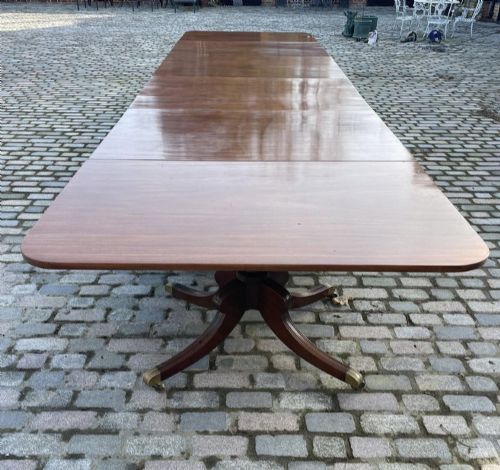
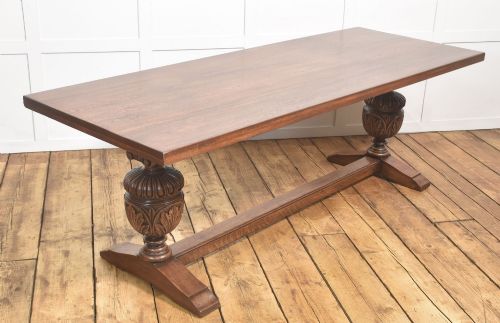
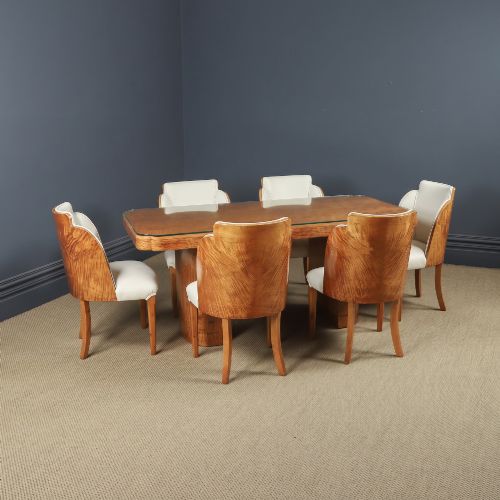
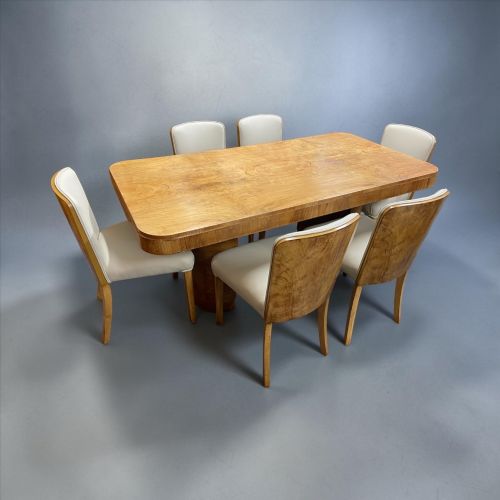
The selections available range from extensive George III and Regency designs to later Jacobean Revival and Art Deco examples. Buyers most frequently encounter variations that seat six people up to massive multi-pillar formats extending over six metres.
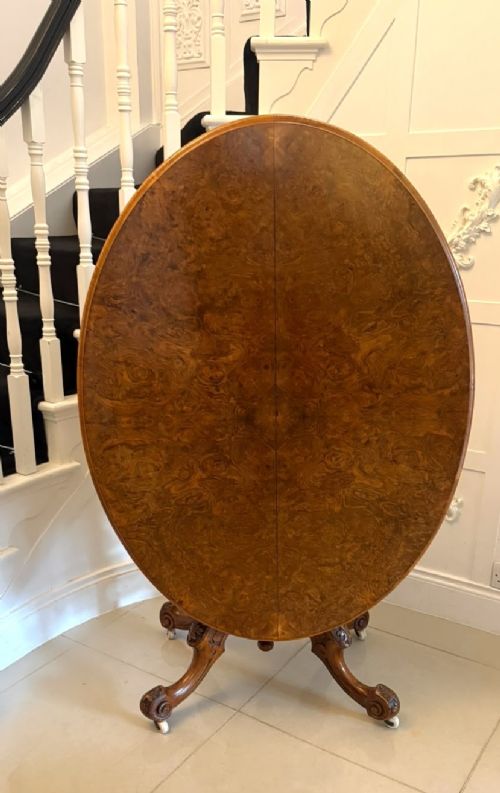
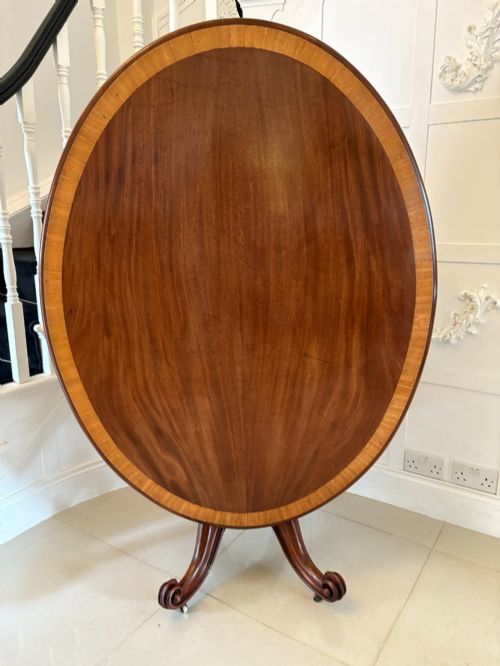
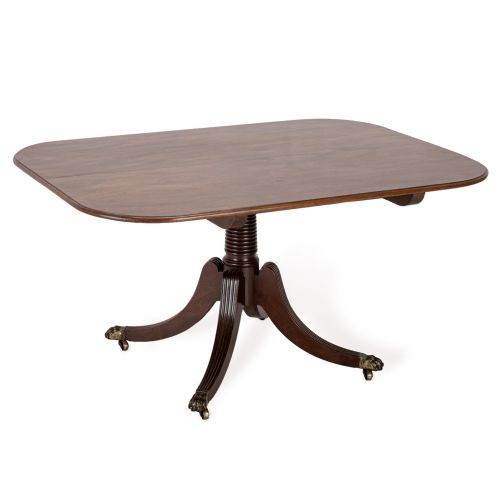
Makers and craftsmen utilised varied woods including satinwood, maple, burr walnut, and oak alongside traditional mahogany. Forms span from formal dining suites complete with leather chairs to versatile tilt-top breakfast tables.
How they were made
Construction relies heavily on figured mahogany, oak, and walnut, often paired with contrasting satinwood and maple inlays. Cabinetmakers shaped solid timber planks to form expansive table tops supported by multiple heavy wooden pedestals.
Many examples incorporate brass elements, such as castors or feet, which facilitated movement across large rooms. Woodworkers joined sections using traditional joinery methods to ensure the stability required for multi-metre dining tables.
Six Pedestal Dining Table Retail Price Guide 2026
Typical asking prices for six pedestal dining table among the pieces listed under this phrase on Sellingantiques today, from the lower quarter to the upper quarter. They describe what is for sale here now, not the wider market.
Listings feature periods from the eighteenth century to nineteen-thirty, incorporating mahogany, oak, brass, leather, satinwood, maple, burr walnut, and glass.
What varies in quality
The choice of timber grain dictates the visual impact, with highly figured mahogany and burr walnut representing superior cabinetmaking. Finely carved pedestal bases and robust pillar supports distinguish the finest examples from simpler utility pieces.
Proportion and scale determine the utility of these large tables within a grand dining space. The integration of matching seating suites and subtle inlay work elevates the status of a piece.
Harry and Lou Epstein
The Six Pedestal Dining Table Glossary
- Pedestal
- A central column supporting the table top. These pillars distribute weight and allow maximum legroom for diners.
- Tilt-top
- A hinged mechanism allowing the table top to pivot vertically. This feature enabled easy storage against walls when the dining room served other purposes.
- Inlay
- Decorative wood or brass inserted into the surface timber. Craftsmen utilised contrasting materials like satinwood and maple to create geometric or floral patterns.
Six Pedestal Dining Table: Frequently Asked Questions
How many people can sit at a six pedestal table?
These exceptionally long tables can seat massive gatherings, with some historical examples accommodating up to twenty-eight diners.
Sizing depends entirely on the length of the timber top and the spacing of the individual pillars beneath.
What periods do these tables come from?
The selection spans from the eighteenth century through the Georgian and Regency eras into Victorian times.
Later twentieth-century examples also include Art Deco designs and Jacobean Revival pieces from the nineteen-tens and twenties.
Are chairs usually included with the table?
Some listings offer complete dining suites that pair the table with matching chairs upholstered in materials like leather.
Other pieces are sold as standalone tables, allowing owners to source their own seating.
What timber types should I look for?
Mahogany remains the predominant wood across most periods, prized for its rich grain and durability.
Alternative materials include oak on refectory styles, alongside maple, satinwood, and burr walnut on Art Deco suites.