

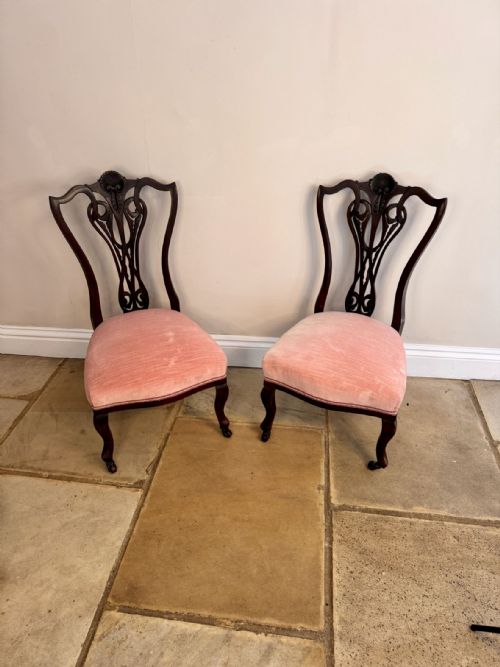
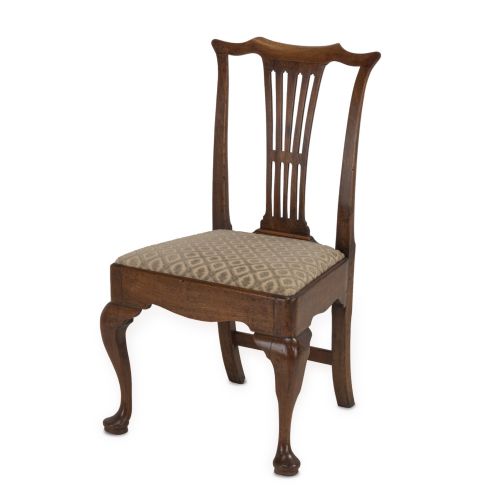
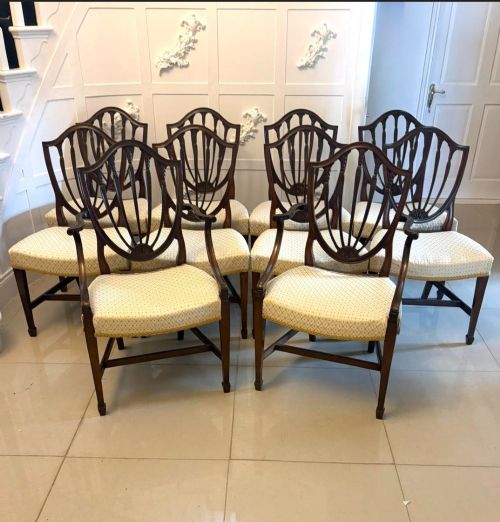
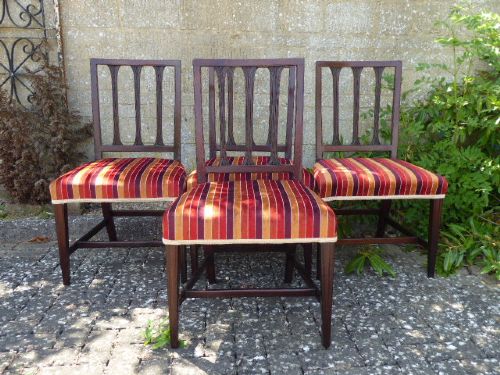
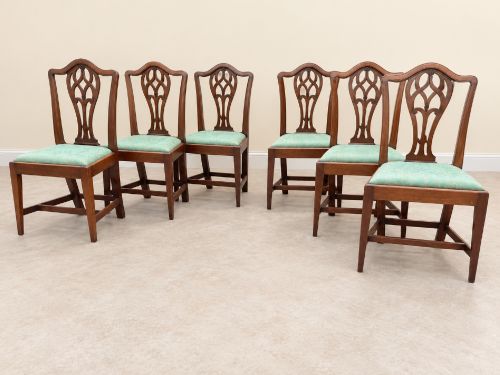
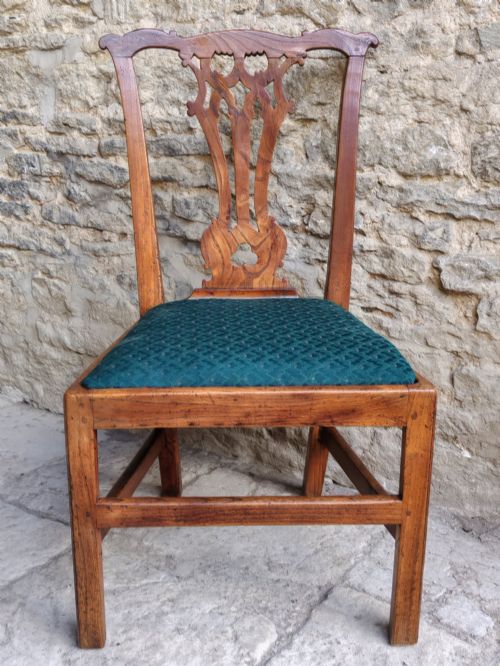
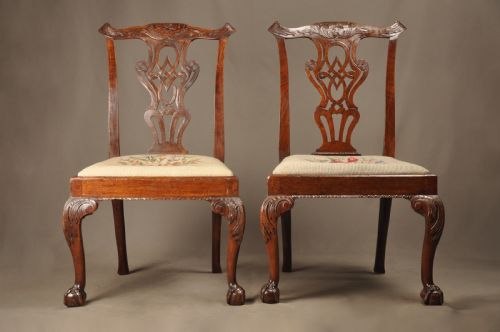
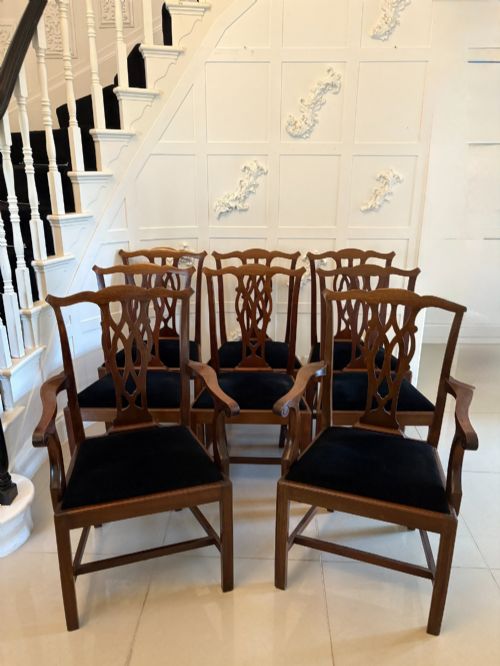
Pierced Splat Side Chair
A pierced splat side chair brings a sculptural back and sturdy timber frame to a dining table or desk.
Pierced Splat Side Chair
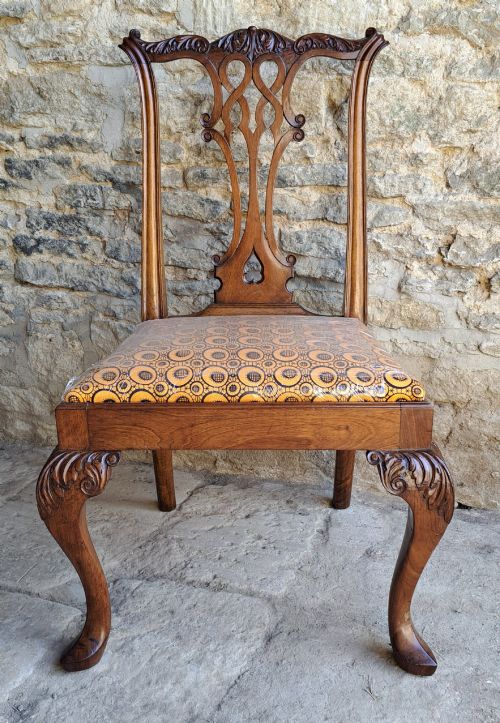
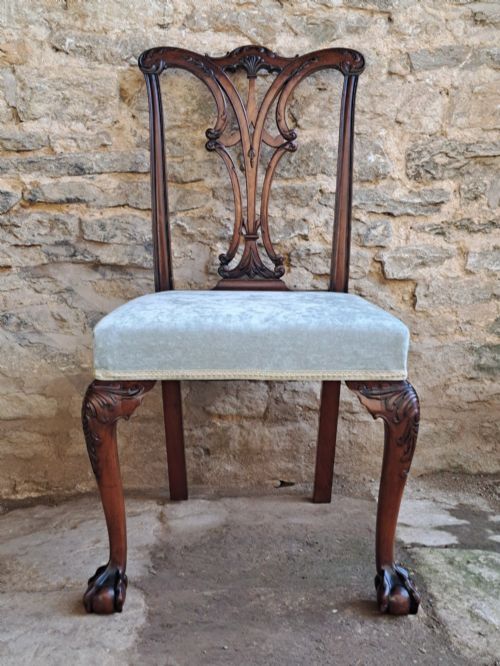
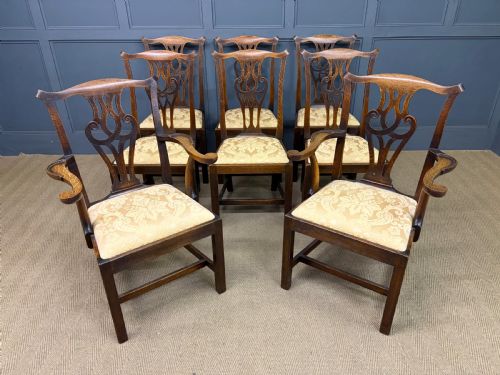
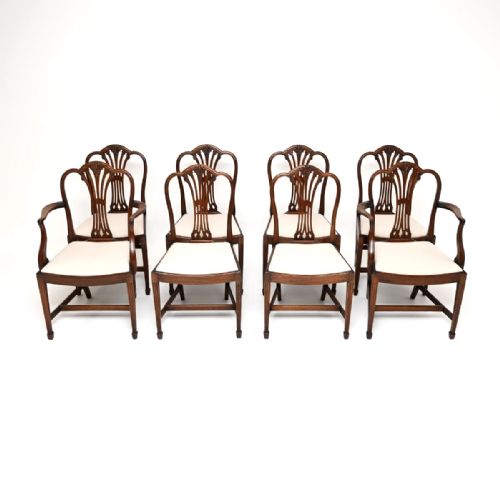
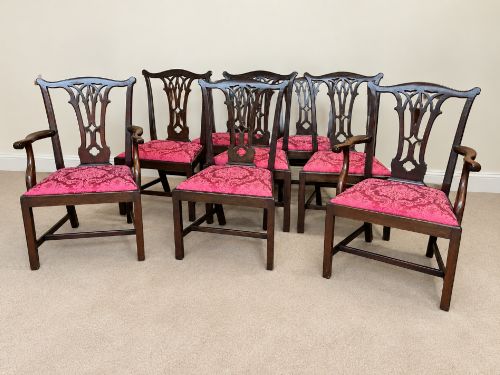
A pierced splat side chair is a seating form defined by a vertical central wooden slat in the backrest that is cut through to form open patterns. You will most frequently meet mahogany and walnut examples originating from the eighteenth century, particularly the Georgian and George III periods, alongside later revival pieces.
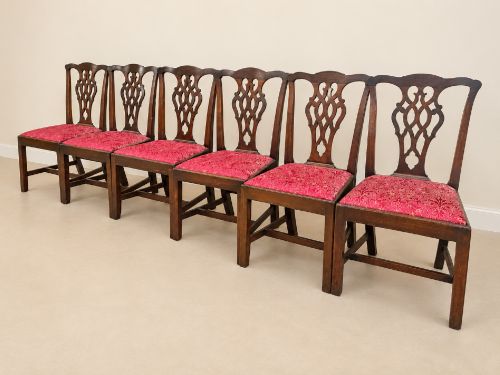
The form functions primarily as a dining or desk seat, lacking the arms of an armchair to allow closer positioning to furniture. Makers produced these items individually, in pairs, or in larger sets for formal rooms.
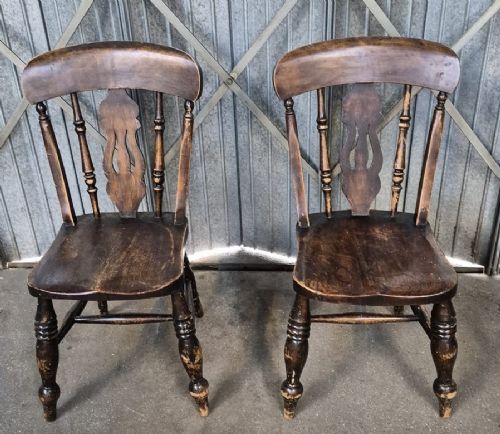
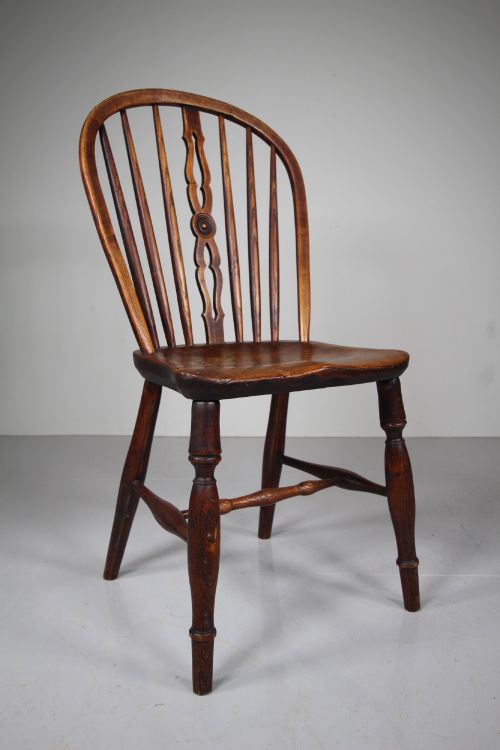
While many examples follow Georgian and Chippendale styles with carved details, simpler country versions constructed from elm, fruitwood or oak also appear. These variations reflect the diverse social settings for which makers originally shaped them.
How they were made
Cabinetmakers constructed the primary frames of these chairs using dense hardwoods like mahogany and walnut, occasionally turning to elm, fruitwood or oak for country pieces. They joined the components using traditional mortise and tenon joints to ensure rigidity under daily use.
The characteristic backrest relies on a central splat shaped with saws and chisels before being smoothed by hand. Seat frames frequently accommodated drop-in pads covered in textile, leather or fabric upholstery, secured independently from the structural wooden surround.
Pierced Splat Side Chair Retail Price Guide 2026
Typical asking prices for pierced splat side chair among the pieces listed under this phrase on Sellingantiques today, from the lower quarter to the upper quarter. They describe what is for sale here now, not the wider market.
A few chairs arrive with nineteenth-century copy additions, proving that cabinetmakers have enjoyed making useful replicas for nearly as long as the originals have existed.
What varies in quality
The refinement of the carved details on the crest rail, splat and cabriole legs separates standard seating from exceptional examples. Crisp edges and deep relief work demonstrate superior hand tool proficiency by the original maker.
Timber selection and grain figure also dictate standard, with dense, well-figured mahogany or richly patinated walnut commanding greater visual depth. The structural integrity of the frame joints and the retention of original timber components determine the overall preservation of the piece.
Warings·Wheelers of Arncroach
The Pierced Splat Side Chair Glossary
- Splat
- The vertical central wooden member of a chair back connecting the crest rail to the seat. This element carries the pierced fretwork that defines the style.
- Cabriole leg
- A furniture leg that curves outward at the knee and tapers inward toward the foot, often ending in a pad or claw. This shape draws inspiration from animal forms popular in mid-eighteenth-century design.
- Drop-in seat
- A removable wooden frame upholstered separately and dropped into a ledge within the chair rails. This design allowed easy recovering of the fabric without dismantling the main structure.
- Crest rail
- The top horizontal member of a chair back. It frequently bears carving matching the knees of the legs or the motifs within the central splat.
- Chippendale style
- A furniture design vocabulary originating from the eighteenth-century pattern books of Thomas Chippendale. It incorporates ribbon backs, Gothic tracery, and Chinese-inspired geometric lattice work.
Pierced Splat Side Chair: Frequently Asked Questions
What is a pierced splat side chair?
A pierced splat side chair is a dining or desk seat featuring an openwork wooden slat down the centre of the backrest. These chairs were designed without arms to fit neatly beneath tables and around dining settings.
Craftsmen built them primarily from hardwoods like mahogany and walnut during the eighteenth century and subsequent revival eras. The decorative cut-outs in the back provide both visual lightness and structural support.
How do I date an antique side chair?
Dating relies on examining the timber species, construction joints, and stylistic details such as leg shape and carving motifs. Eighteenth-century examples often exhibit hand-cut joinery and dense native or imported hardwoods.
Revival pieces from the nineteenth and early twentieth centuries frequently replicate these earlier styles but employ machine-sawn elements or different secondary woods. Comparing the construction methods against documented period examples clarifies the timeline.
Were these chairs used only for dining?
While frequently found around dining tables, these chairs served various roles in historic interiors as hall chairs, bedroom seating, or desk chairs. Their compact, armless footprint made them versatile additions to multiple rooms.
Simpler country versions appeared in kitchens and vernacular settings, constructed from local timbers like elm or oak. Their sturdy frames accommodated daily domestic tasks across different social tiers.
How do I care for a mahogany chair?
Maintaining a mahogany chair involves keeping the timber away from direct heat sources and fluctuating humidity to prevent wood splitting. Regular dusting with a soft, dry cloth preserves the finish without building up heavy wax residues.
Upholstered drop-in seats require gentle vacuuming or specialist textile cleaning depending on the fabric type. Checking the stability of the frame joints periodically ensures the chair remains structurally sound.