


Pierced Lattice Silver Basket
A pierced lattice silver basket brings unmistakable grace to a table, combining openwork metal with traditional forms.
Pierced Lattice Silver Basket
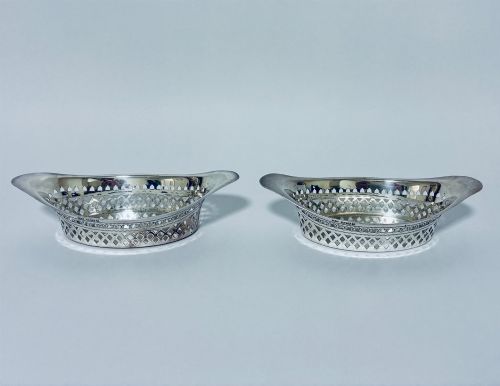
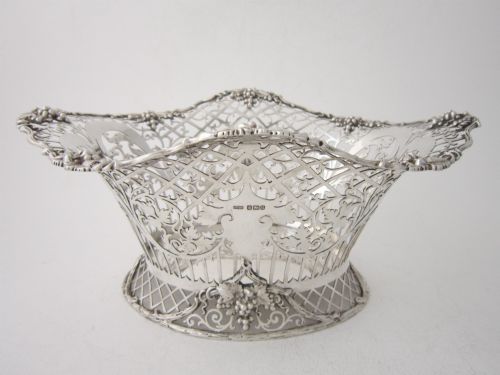
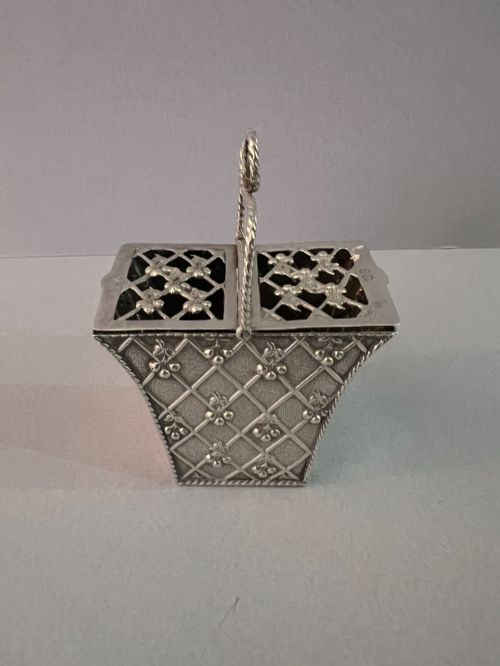
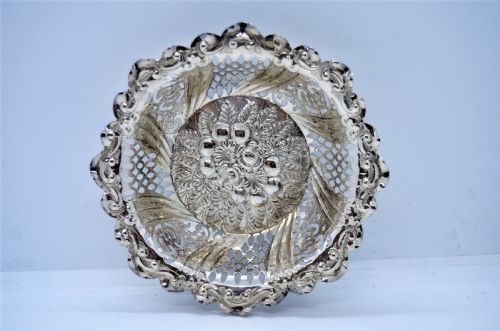
A pierced lattice silver basket forms part of the decorative silverware tradition, encompassing bonbon dishes, centrepiece bowls, and oval baskets designed for display and service. These items emerge across the Georgian, Victorian, Edwardian, and interwar periods, with Victorian and Edwardian examples appearing most frequently.
The objects range from small sweetmeat baskets and footed bowls to substantial centrepiece bowls measuring over half a metre in width. Makers utilise forms that incorporate openwork metal, allowing light to pass through intricate patterns worked into the body.
How they were made
Silversmiths shape sterling silver and solid silver using traditional hammering and piercing techniques to create the characteristic lattice work. Artisans cut out sections of the metal by hand to form open geometric or floral patterns.
Many pieces incorporate maker marks and hallmarks stamped directly into the silver, recording the origin and assay office. Workshops such as those of William Comyns, Joseph Rodgers, and Fenton employ these methods across the nineteenth and early twentieth centuries.
Listings span four distinct centuries of production, covering Georgian, Victorian, Edwardian, and interwar periods in sterling silver and solid silver.
What varies in quality
The crispness of the piercing separates standard production from finer work, as clean edges and symmetrical lattice patterns demand considerable skill from the silversmith. Weight and gauge of the silver also distinguish pieces, with substantial metal thickness providing a more rigid structure.
The clarity of the hallmarks and the reputation of the maker add distinction to specific examples. Pieces bearing stamps from recognised silversmiths demonstrate superior execution in both the structural form and the decorative surface detailing.
Joseph Rodgers·Fenton·William Comyns·William Bond·Woodside Sterling Co.
The Pierced Lattice Silver Basket Glossary
- Pierced
- Cutting open sections of metal to create a decorative pattern or lattice. This technique lightens the visual weight of the silver object.
- Lattice
- An interlaced structure forming a framework of open spaces. Silversmiths apply this geometric arrangement across the body of baskets and bowls.
- Sterling silver
- An alloy containing a high proportion of pure silver combined with other metals for durability. British pieces typically carry hallmarks confirming this standard.
- Bonbon dish
- A small vessel intended for holding sweets or small confectionery. These items often feature pierced borders matching larger basket designs.
- Centrepiece bowl
- A large decorative vessel placed in the middle of a dining table. Examples can span significant lengths and showcase elaborate openwork craftsmanship.
Pierced Lattice Silver Basket: Frequently Asked Questions
What were silver baskets used for?
These vessels served primarily for presenting sweetmeats, bonbons, or fruit upon dining tables and sideboards during formal meals.
Their openwork design allowed air to circulate around dried fruits or confectionery while adding visual elegance to the room.
How do I identify a Victorian piece?
Victorian examples display stylistic traits typical of the nineteenth century, often supported by official assay office hallmarks stamped into the metal.
Examining the specific shape and decorative motifs helps connect the object to the nineteenth-century period of manufacture.
How should I clean my silver basket?
Maintenance involves gentle cleaning with a specialised silver cloth to remove tarnish without harming the delicate pierced metalwork.
Avoiding harsh abrasive dips preserves the original surface finish and protects the intricate lattice pattern from damage.
What is the difference between silver and silver plate?
Solid silver and sterling silver consist of precious metal all the way through, whereas silver plate applies a thin layer of silver over a base metal.
Hallmarks provide the primary evidence for distinguishing solid silver construction from plated alternatives.