




Victorian Silver Trinket Tray
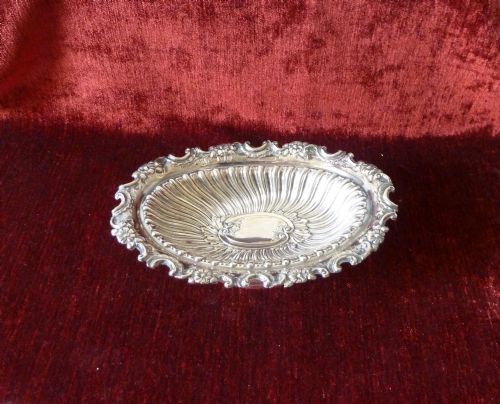
These Victorian silver trinket tray examples are charming small receptacles designed for dressing tables, created to hold jewellery and pins.
Victorian Silver Trinket Tray
When you search for a victorian silver trinket tray, you encounter small decorative dishes, bonbon dishes, and ring trays from the nineteenth century. These pieces serve primarily as dressing table accessories for holding personal items.
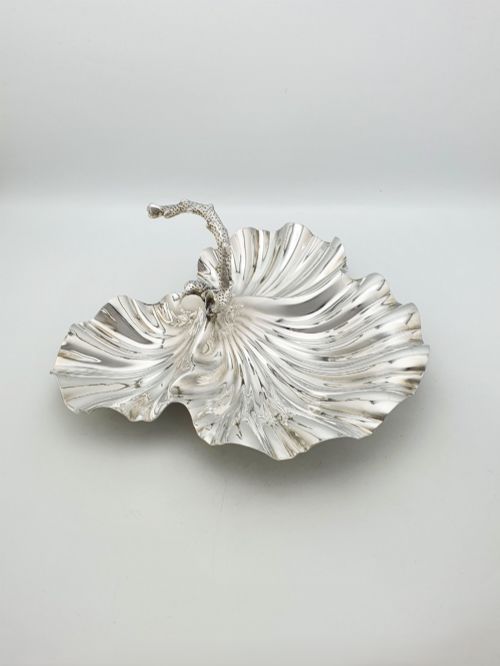
The versions you are most likely to meet on this page span the Victorian period, including specific dates such as 1880, 1890, 1898, and 1899, alongside related forms from the broader nineteenth century. They appear in diverse shapes including heart designs, leaf forms, and shell motifs.
Makers and origins vary, with items originating from London and Birmingham alongside English and German productions. Forms range from single dishes to pairs and boxed sets.
Materials and construction
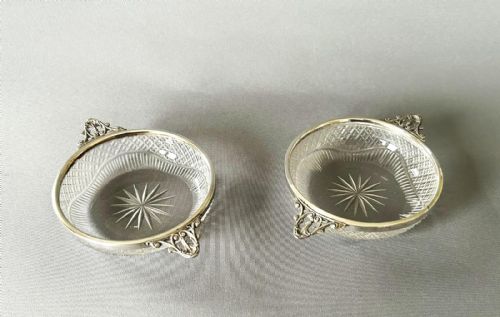
These items are produced using sterling silver, silver plate, and electroplated nickel silver, occasionally complemented by cut glass, velvet, satin, and pewter. Metalworking techniques shape the silver into decorative dishes, card trays, and vanity trays.
Detailing involves naturalistic styles, Art Nouveau influences, and figural elements such as stylised coral handles. Hallmarks often stamp the silver to record the year and assay office of manufacture.
Distinctions in quality
The integration of secondary materials like cut glass or velvet linings also distinguishes finer examples. Preserved cases and clear hallmarks elevate the standing of a tray.
William Comyns·James Hennell·William Padley
The Victorian Silver Trinket Tray Glossary
- Sterling silver
- A silver alloy containing 92.5 percent pure silver by mass and 7.5 percent other metals, usually copper. This standard alloy provides durability while maintaining a bright metallic lustre.
- Silver plate
- A layer of silver applied to a base metal such as nickel silver or pewter. This technique offers the appearance of solid silver at a different scale of production.
- Bonbon dish
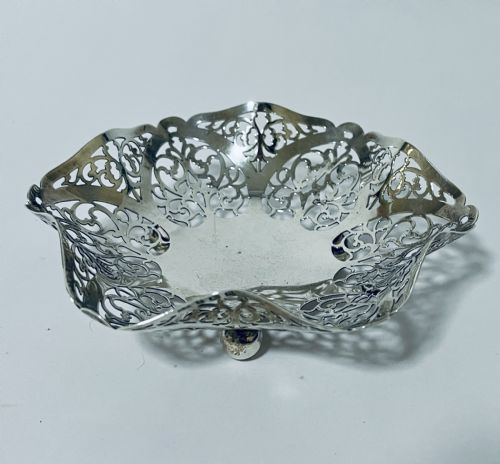
- A small ornamental bowl or tray intended for holding sweets or small confectionery. These dishes frequently feature pierced decoration and raised rims.
- Assay office
- A body that tests the purity of precious metals and stamps items with official hallmarks. Towns such as London and Birmingham maintained active assay offices during the Victorian era.
- Victorian naturalism
- A nineteenth century design style inspired by organic forms such as leaves, flowers, and shells. This aesthetic shapes many decorative dishes and handles from the period.
Victorian Silver Trinket Tray: Frequently Asked Questions
What is a Victorian silver trinket tray used for?
These small dishes function as dressing table accessories designed to hold rings, pins, and small pieces of jewellery. They keep everyday personal items organised on a bedroom surface.
Historically, they sat on vanity tables and dressing chests for daily use. Today, collectors continue to use them for their original purpose or as display items.
How can I tell the date of a silver tray?
English silver typically bears hallmarks that indicate the assay office, the standard of silver, and a date letter corresponding to the year of manufacture. Examining these stamped marks provides the most reliable dating.
Stylistic elements like Art Nouveau curves or Victorian naturalism also help narrow down the period of production when hallmarks are rubbed or absent.
Are these trays found in pairs?
Certain listings include matched pairs or boxed sets of trays intended for dressing table symmetry. These sets often share identical hallmarks and decorative motifs.
Single trays appear with equal frequency on the market, reflecting individual production or the dispersal of original sets over time.