


Pierced Giltwood Frame
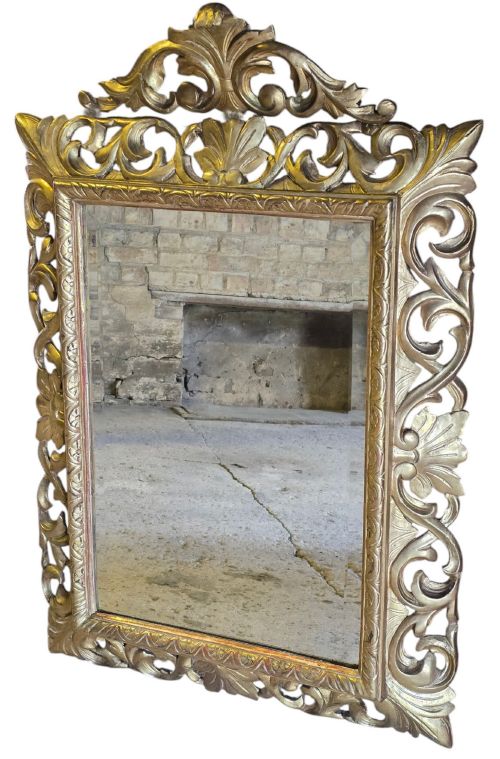
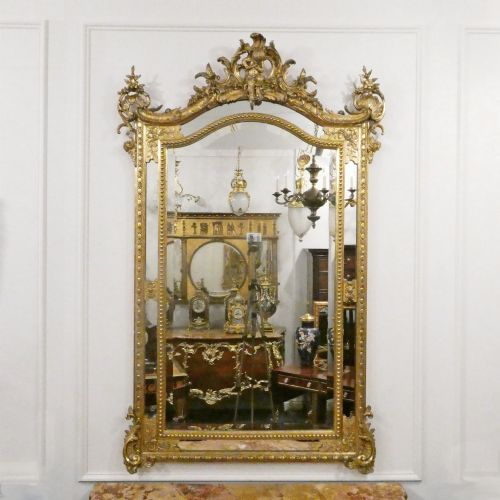
These pieces of pierced giltwood frame offer rich decorative presence, bringing carved timber and gold leaf together for an interior wall.
Pierced Giltwood Frame
A pierced giltwood frame serves as an ornate wall mirror or surrounds an oil painting on canvas. These objects bring intricate woodwork and gold surfaces into domestic spaces.
Buyers searching for a pierced giltwood frame encounter wall mirrors and picture frames spanning Georgian, Victorian, and later nineteenth-century periods. The examples recorded here show Florentine, Rococo, Louis XVI style, and Chippendale influences.
The nineteenth century yields significant numbers of these items, alongside Georgian and early twentieth-century examples. Wall mirrors dominate the current selection, constructed from carved wood, timber, and gesso.
Materials and construction methods
Makers shaped timber through detailed hand carving to form openwork and piercing before applying gesso and gold leaf. This combination creates the bright metallic sheen characteristic of giltwood.
The underlying carved wood or timber provides a sturdy structure for the delicate gilt surface. Layers of gesso prepare the wood to receive the gold leaf finish.
Listings span the Georgian, Victorian, and early twentieth-century periods, utilising materials such as carved wood, gesso, glass, and gold leaf.
Judging quality in carved giltwork
Depth and crispness of the hand carving separate finer examples from simpler work. Sharp undercutting in Rococo or Florentine foliage shows superior craftsmanship by the woodcarver.
The application and preservation of the gold leaf and underlying gesso influence the visual impact of the piece. Smooth coverage and subtle burnishing distinguish the higher tier of these frames.
The Pierced Giltwood Frame Glossary
- Giltwood
- Timber that has been coated with gold leaf over a prepared gesso ground. This technique gives wooden frames a metallic golden appearance.
- Gesso
- A plaster-like mixture applied to carved wood to create a smooth surface for gilding. It allows carvers to refine details before applying gold leaf.
- Pierced
- Openwork decoration where parts of the timber background are cut away entirely. This technique creates a light, intricate silhouette.
- Rococo
- An ornate design style characterised by asymmetrical scrolls, C-scrolls, and naturalistic plant motifs. It appears frequently on eighteenth and nineteenth-century frames.
Pierced Giltwood Frame: Frequently Asked Questions
What is a pierced giltwood frame?
A pierced giltwood frame is an ornate wooden border coated in gold leaf with cut-out openwork sections. They commonly house wall mirrors and occasionally paintings.
The style draws on historical designs such as Rococo, Chippendale, and Florentine work, developed across the Georgian and Victorian eras.
How do I date a giltwood frame?
Dating relies on examining the timber type, the carving style, and the preparation layers beneath the gold leaf. Georgian pieces often display different carving depths compared to Victorian revivals.
Matching stylistic details like Florentine or Louis XVI motifs to known period characteristics helps narrow down the age.
Where should I hang these mirrors?
These pieces function well as statement wall mirrors in living rooms, hallways, or above mantelpieces. Their reflective glass and gilt surfaces brighten darker interior spaces.
Ensure the wall fixings can support the weight of the timber and carved wood structure safely.
How do I clean giltwood safely?
Giltwood requires careful dusting with a soft, dry brush to avoid disturbing the delicate gold leaf surface. Moisture and chemical cleaning agents can damage the gesso and gilding.
Professional conservation advice is recommended if the gold leaf shows flaking or structural instability.