
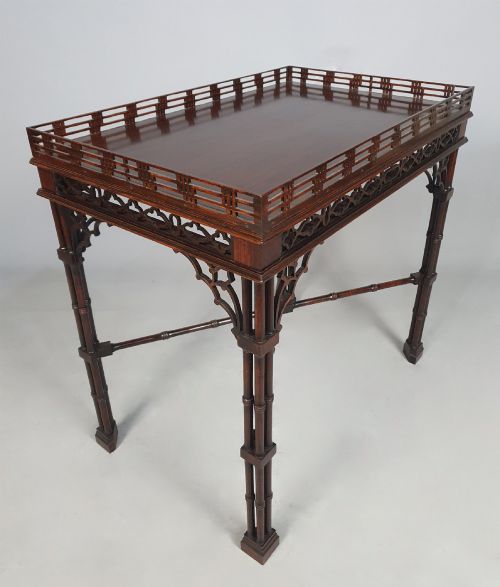
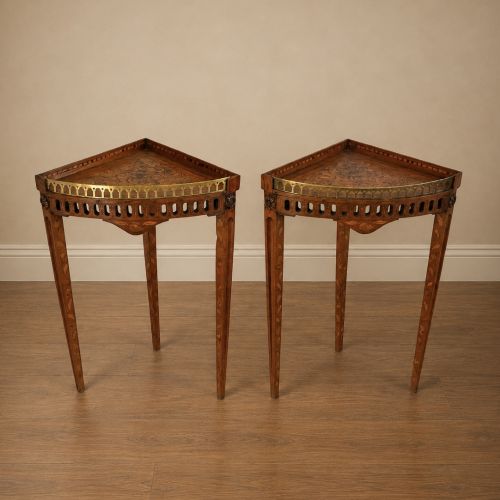

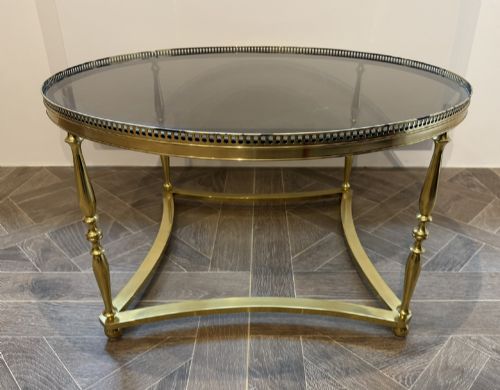
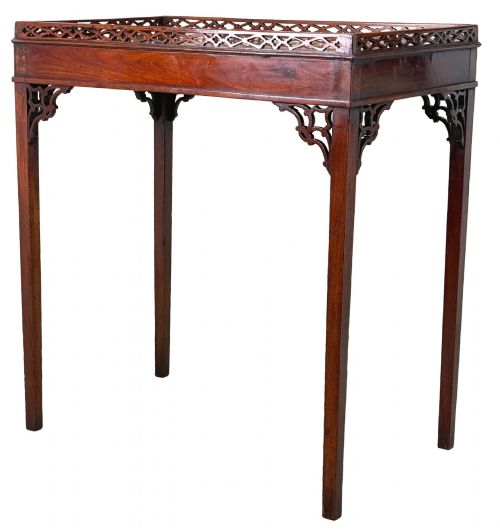


Pierced Gallery Table
A pierced gallery table brings together useful surface space and an openwork metal or wood border designed to keep items secure.
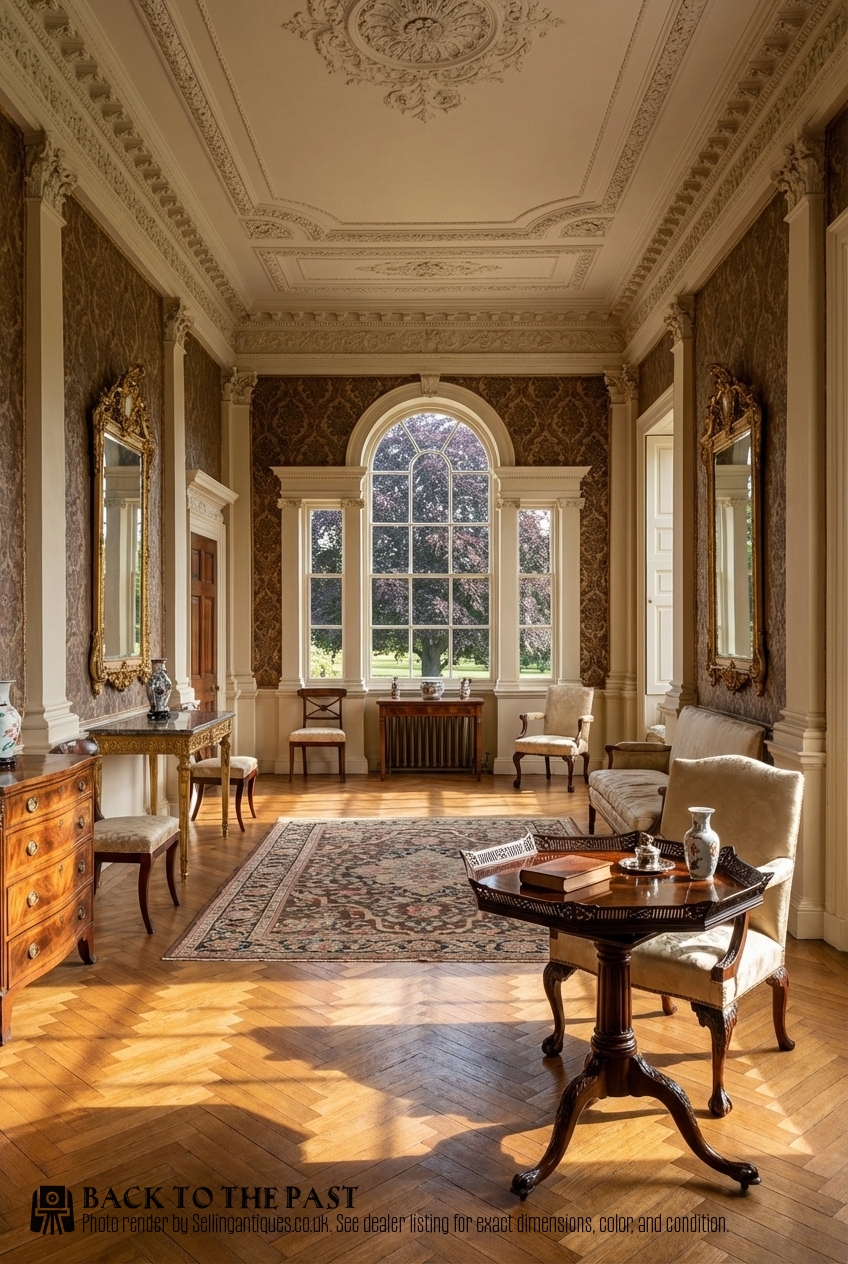
Pierced Gallery Table
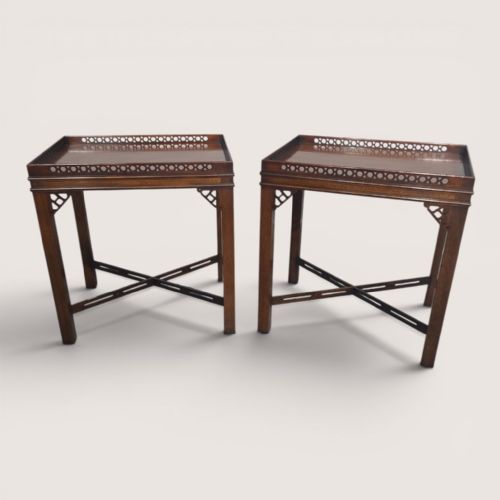
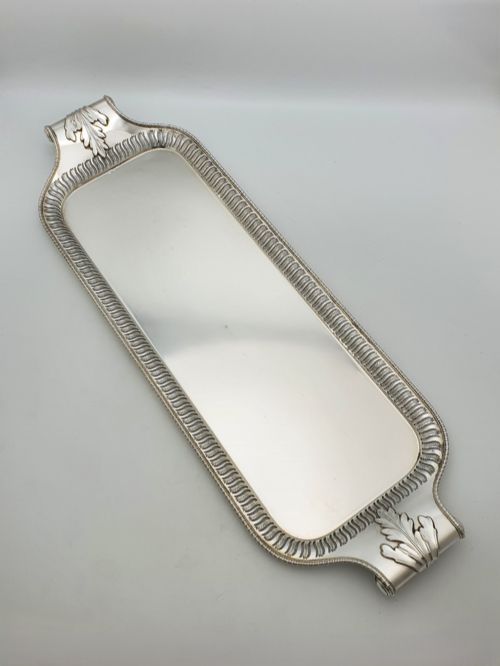
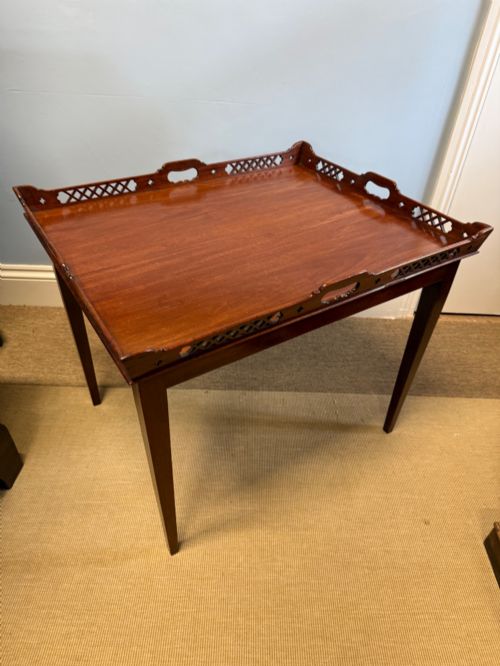
When you search for a pierced gallery table, you are looking at small serving, display, or lamp surfaces defined by a raised, perforated perimeter rail. These pieces span the eighteenth, nineteenth, and early twentieth centuries, drawing on Georgian, Victorian, Edwardian, and Neoclassical traditions.
You are most likely to meet mahogany or walnut occasional tables, bedside night tables, and tripod wine tables fitted with brass or pierced wooden borders. The form bridges decorative serving trays and stable support stands, functioning equally well beside a chair or in a corner.
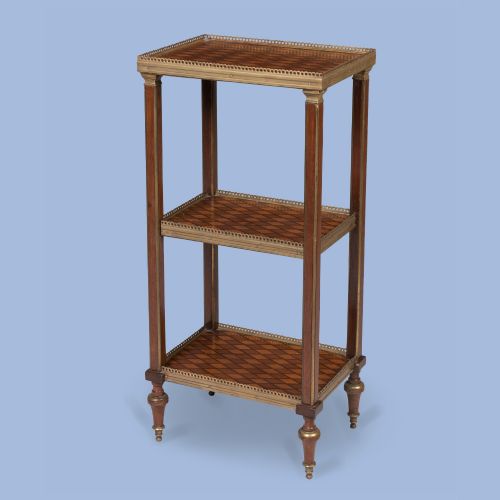
The evidence shows forms ranging from simple birdcage tripod tables and tray top commodes to etageres and two-tier side tables. Each version uses the characteristic pierced edge to frame the top while fulfilling a practical domestic purpose.
How they were made
Cabinetmakers constructed these tables using dense timbers such as mahogany, walnut, satinwood, and kingwood, occasionally incorporating marquetry inlay or ebonising. The main frames rely on traditional joinery for legs, pedestals, and tier supports.
The defining gallery component frequently combines cast brass, pierced sheet metal, or fret-cut wood fixed securely to the table perimeter. Metal galleries often feature pierced slots or cast openwork patterns, screwed or pinned directly into the wooden top.
Pierced Gallery Table Retail Price Guide 2026
Typical asking prices for pierced gallery table among the pieces listed under this phrase on Sellingantiques today, from the lower quarter to the upper quarter. They describe what is for sale here now, not the wider market.
Listings feature eighteenth-century Georgian pieces alongside nineteenth-century revival styles and early twentieth-century Edwardian designs.
What varies in quality
The distinction between ordinary and superior examples lies in the crispness of the fretwork and the precision of the timber selection. Finely pierced brass or cleanly sawn wood borders show sharp internal angles and secure fixings without excessive solder or crude repairs.
Surface preparation and secondary woods also dictate the standard of the piece. High-quality items display thoughtful figure matching in the mahogany or walnut veneers, harmonious inlay work, and stable structural joints that withstand regular placement of lamps and vessels.
The Pierced Gallery Table Glossary
- Gallery
- A raised border running along the edge of a table top or tray, intended to prevent objects from sliding off. It is frequently pierced or fretted in brass or wood.
- Birdcage
- A timber framework beneath a table top that allows the surface to tilt and rotate independently of the central pedestal column. This mechanism appears on eighteenth-century tripod tables.
- Marquetry
- The art of forming decorative patterns on a wooden surface by fitting together thin veneers of different timbers, coloured woods, or shell. It creates intricate pictorial or geometric designs.
- Ormolu
- Gilded bronze ornamentation applied to furniture, popular in French Neoclassical and nineteenth-century pieces. The cast metal provides a bright metallic contrast to dark woods.
- Tripod table
- A small freestanding table supported by a central pillar resting on three spreading feet. This construction allows the table to stand steady on uneven floors.
Pierced Gallery Table: Frequently Asked Questions
What is a pierced gallery table used for?
These tables served primarily as portable or stationary surfaces for holding drinks, lamps, books, or writing materials. The raised gallery ensured that small items or vessels remained safely contained on the top.
Over time, owners placed them beside seating areas, in hallways, or as bedside stands where both utility and decorative presence mattered.
How do I date an antique gallery table?
Dating relies on identifying the underlying furniture style, timber choices, and construction methods characteristic of periods like Georgian, Victorian, or Edwardian manufacture. Secondary wood types and the style of the brass or wooden gallery provide further clues.
Comparing the turning of the pedestal or the cut of the legs against documented examples helps narrow down the decade of creation.
Are brass galleries original to the tables?
Many brass galleries are period-correct replacements or additions, as the delicate pierced rails frequently suffered damage or detachment over centuries of use. Examining the screw holes, patination around the fixings, and the fit against the wood helps determine if the gallery belongs to the original construction.
Both period replacements and original fittings are common in surviving examples.
Where should I place a gallery table at home?
A gallery table suits smaller spaces where an accent piece can function as a lamp stand, bedside table, or occasional surface. The raised border makes them practical next to upholstery where objects might otherwise be nudged off.
Keep them away from direct heat sources and strong sunlight to protect the polished timber surfaces and veneers.