



Pierced Carved Wall Mirror
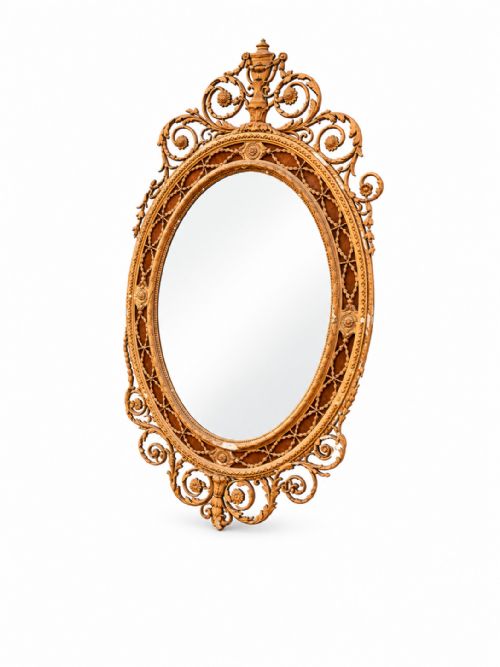
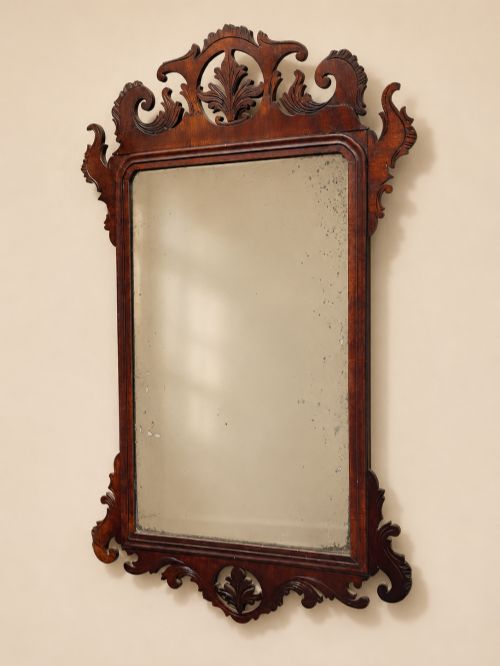
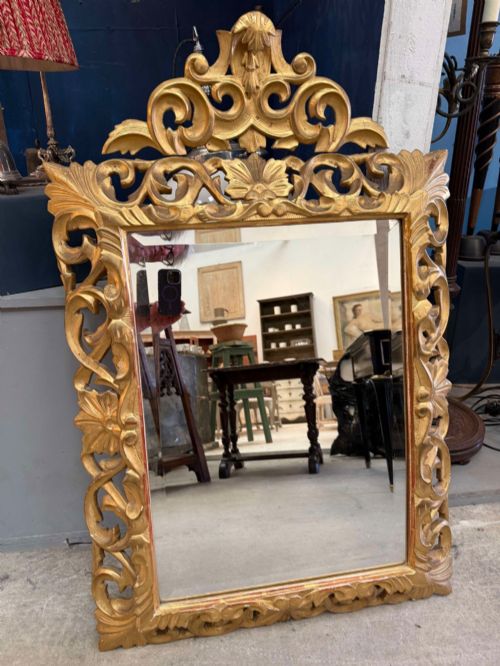
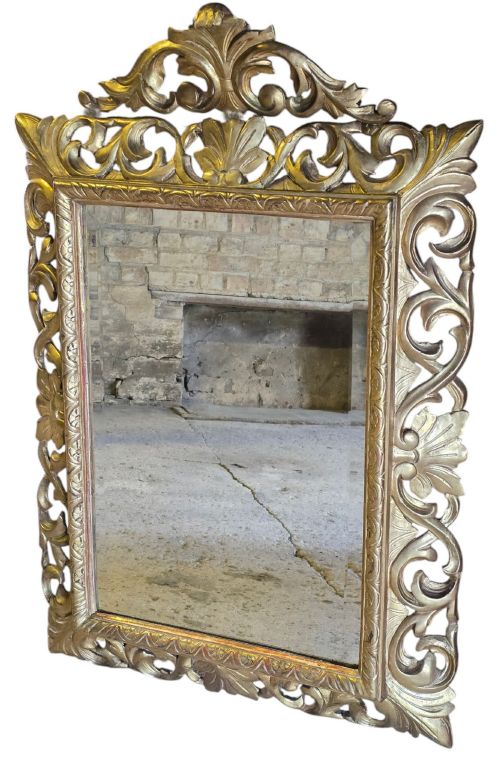
These pierced carved wall mirror examples bring depth and historic form to a room through intricate openwork frames.
Pierced Carved Wall Mirror
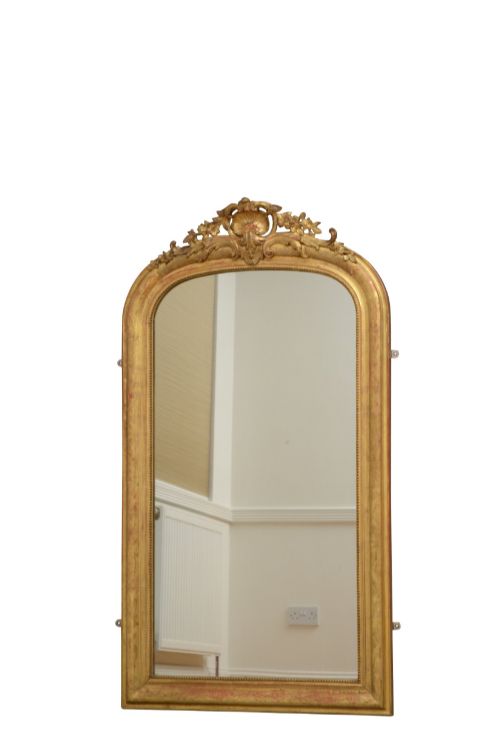
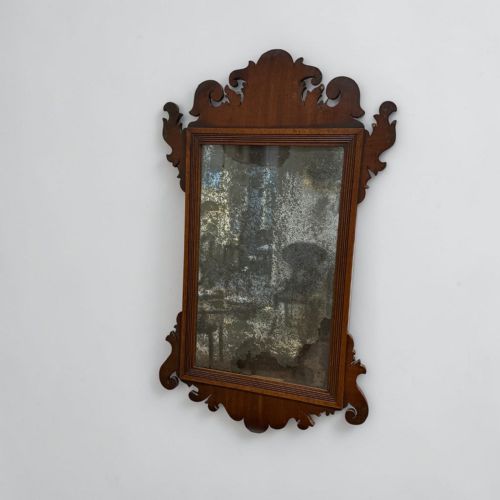
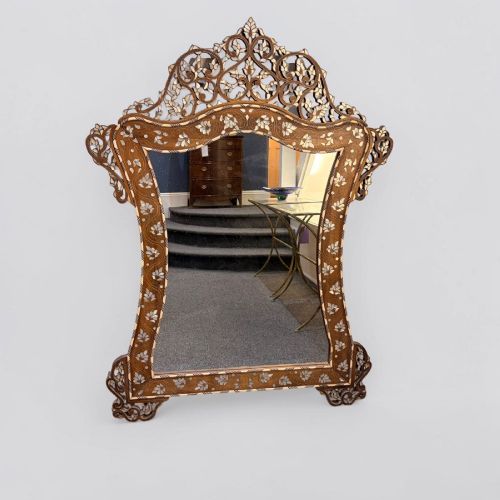
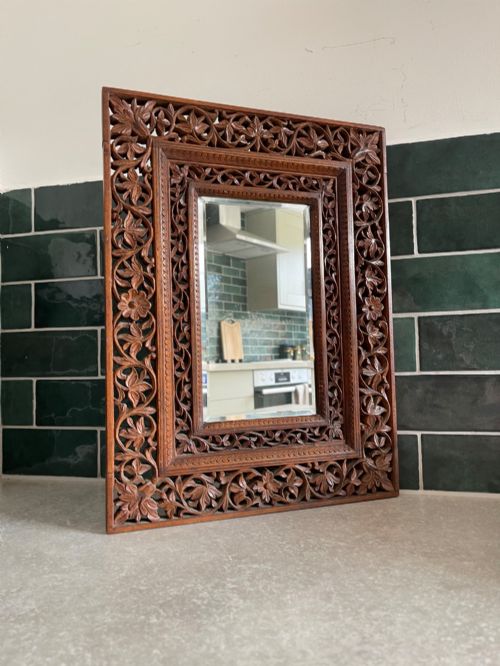
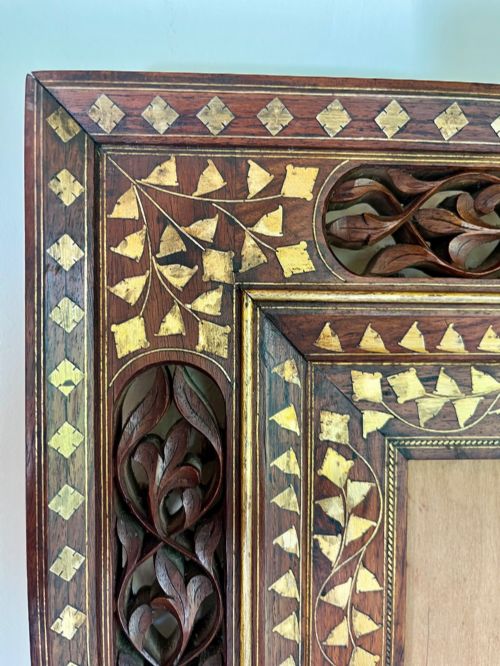
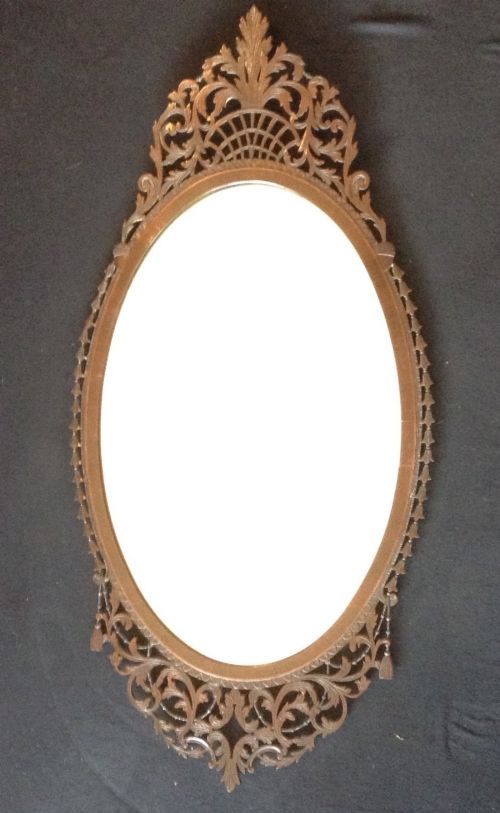
A pierced carved wall mirror brings together reflective glass and openwork wooden frames, creating decorative focal points for period interiors. When you search for a pierced carved wall mirror, you encounter forms ranging from eighteenth-century Georgian fretwork to ornate nineteenth-century Florentine giltwood.
The selections span overmantel mirrors and wall mirrors, drawing on styles such as French Rococo Revival, Anglo-Indian, and Neoclassical Revival. Frames emerge in rectangular and oval formats, often finished with detailed cresting or carved foliage.
Origin points stretch across Britain, Italy, France, and regions including Syria, Kashmir, and Northern India. Mahogany, oak, and timber frameworks sit alongside gilded and inlaid surfaces, reflecting diverse regional craftsmanship from the eighteenth, nineteenth, and early twentieth centuries.
How They Were Made
These pieces rely on solid timber foundations, particularly mahogany, oak, and carved wood, shaped through precise joinery and fret cutting. Frames often incorporate applied gesso and gold leaf to achieve gilded finishes.
Intricate openwork is achieved through hand carving and piercing techniques, creating delicate fretwork or layered foliage crests. Inlaid variations integrate brass and contrasting woods into the main timber structure.
Pierced Carved Wall Mirror Retail Price Guide 2026
Typical asking prices for pierced carved wall mirror among the pieces listed under this phrase on Sellingantiques today, from the lower quarter to the upper quarter. They describe what is for sale here now, not the wider market.
The selection includes regional pieces originating from Britain, Italy, France, India, and Syria.
What Varies in Quality
The standard of a pierced carved wall mirror rests on the crispness and depth of the hand carving within the openwork frame. Superior examples demonstrate fluid lines in the foliage or fretwork, whereas lesser pieces show blunt edges and simplified detailing.
The integrity of the surface finish dictates the visual impact, from the preservation of original gilding and gesso to the depth of timber patination. Original crests and well-maintained mirror plates elevate the execution of the piece.
Hoshiarpur
The Pierced Carved Wall Mirror Glossary
- Fretwork
- Openwork ornamentation cut from thin wood using a fretsaw. This technique creates geometric or patterned borders found on Georgian frames.
- Giltwood
- Timber coated with gold leaf or metallic powder applied over a prepared gesso base. This finish provides a bright reflective surface on Italian and French frames.
- Cresting
- The decorative uppermost element of a mirror frame. Original examples often feature carved foliage, birds, or sculptural motifs.
- Gesso
- A plaster-like mixture applied to wooden frames as a base for gilding or painting. It allows carvers to crisp up fine details before applying gold leaf.
- Overmantel
- A large mirror designed specifically to hang above a fireplace mantel. These pieces often feature wide horizontal proportions and ornate crests.
Pierced Carved Wall Mirror: Frequently Asked Questions
How do I hang a heavy antique wall mirror safely?
Heavy frames require secure wall anchors fixed directly into structural studs or masonry. Professional hanging hardware distributes the weight evenly across the structure of the frame.
Ensure the hanging wire or brackets match the substantial weight of timber and glass combinations.
What rooms suit an overmantel mirror best?
Overmantel mirrors find a natural home above living room fireplaces, where their broad proportions anchor the surrounding wall space. They also perform well in spacious reception halls and dining rooms.
Their scale allows them to reflect light effectively across larger interior volumes.
How can I tell a Georgian fret mirror apart from later revivals?
Georgian pieces typically exhibit period timber construction methods, such as hand-cut mahogany veneers and specific primary wood choices. Grain patterns and patination develop distinct characteristics over centuries of age.
Later revival pieces often display uniform machine cuts or different finishing layers on the timber substrate.
What is the difference between Florentine and French Rococo frames?
Florentine frames lean towards heavily carved, intricate foliage and deep gesso gilding originating from Italian workshops. They present dense ornamentation focused around elaborate ovals and panels.
French Rococo styles emphasise asymmetry, C-scrolls, and delicate cresting typical of nineteenth-century revival craftsmanship.