

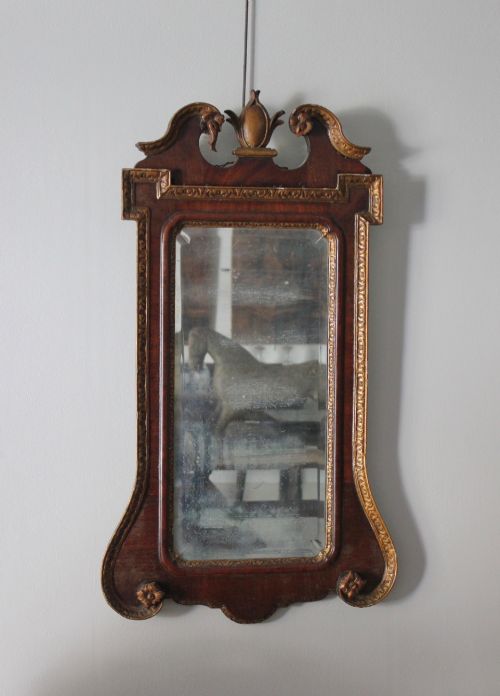


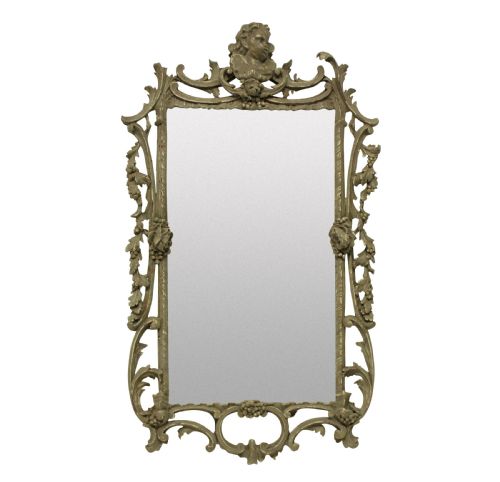


Antique English Hanging Mirror
An antique English hanging mirror brings light and reflection into a room, formed across periods from Georgian simplicity to Victorian gilt.
Antique English Hanging Mirror
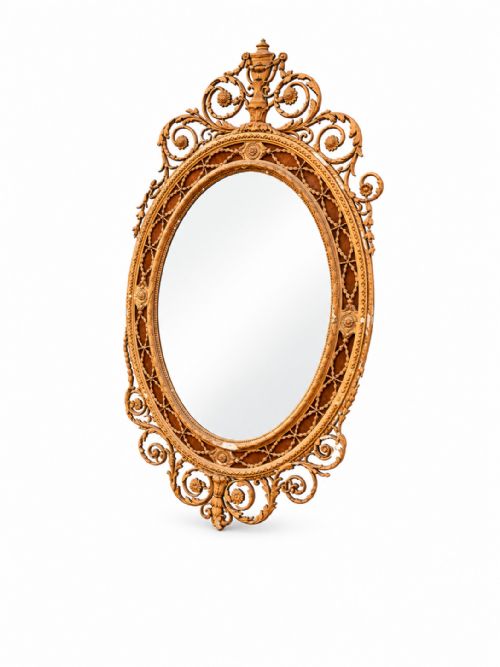
An antique English hanging mirror encompasses wall-mounted looking glasses spanning periods from the mid-eighteenth century through to the Edwardian era. You will frequently encounter Victorian pieces, alongside Regency, Georgian, and Arts and Crafts examples designed for domestic interiors.
The forms range from oval and wall-hung varieties to substantial overmantel and hallway mirrors, plus related wall cabinets. Surviving pieces demonstrate the varied domestic requirements of past centuries, from compact vanity glasses to large decorative focal points.
How they were made
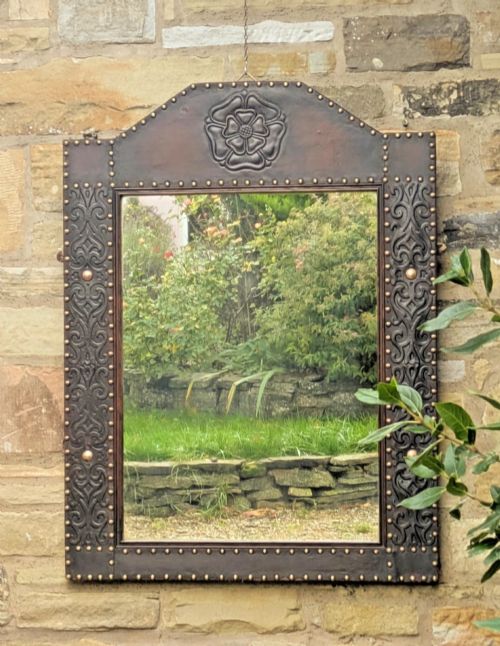
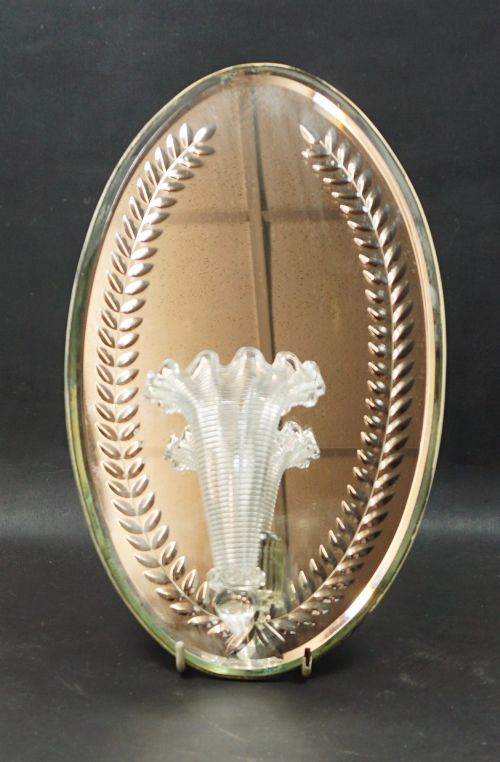
Maker construction relies heavily on timber frames, including carved oak and mahogany, alongside gesso and giltwood finishes. Craftsmen shaped these wooden foundations to support glass plates, occasionally incorporating decorative elements like crystal glass flower vases or studded leather.
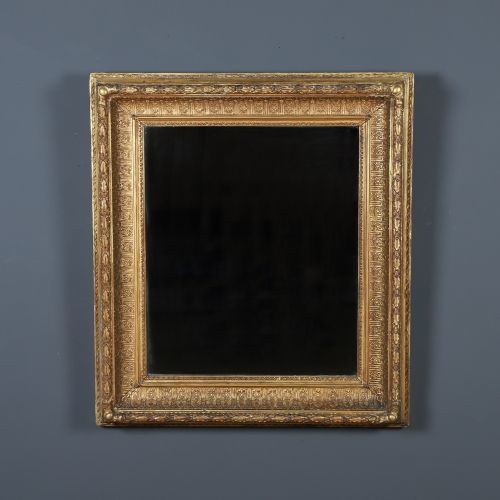
Gilded surfaces utilise thin layers of gold leaf applied over gesso preparations on carved wood bases. Joinery and carving techniques reflect the stylistic demands of each period, from Regency neoclassical lines to Edwardian oak working.
Antique English Hanging Mirror Retail Price Guide 2026
Typical asking prices for english hanging mirror among the pieces listed under this phrase on Sellingantiques today, from the lower quarter to the upper quarter. They describe what is for sale here now, not the wider market.
Listings feature hanging mirrors across the Victorian, Georgian, Regency, and Edwardian periods, utilising giltwood, carved oak, mahogany, and gesso.
What varies in quality
The sophistication of the carving and the crispness of the giltwood or gesso ornamentation set finer examples apart from simpler utilitarian pieces. Superior craftsmanship shows in the depth of the carved wood and the harmony of the overall proportions.
The original character of the glass plate and the integrity of the frame construction determine the standing of an individual hanging mirror. Pieces retaining their original gilding and structural components demonstrate greater historical authenticity.
Town and Emanuel
The Antique English Hanging Mirror Glossary
- Giltwood
- Wood that has been coated with gold leaf or a gold-colored preparation. This finish is typical of decorative wall mirrors from the Georgian and Victorian periods.
- Gesso
- A plaster-like material applied to wooden frames as a smooth base for gilding. Skilled artisans carved intricate details directly into this surface before applying gold leaf.
- Overmantel mirror
- A large hanging mirror specifically designed to be positioned above a fireplace mantelpiece. These substantial pieces frequently feature carved gilt frames.
- Regency
- An English design period dating from the early nineteenth century. Mirrors from this era often display neoclassical influences and mahogany timbers.
Antique English Hanging Mirror: Frequently Asked Questions
How do I hang a heavy antique mirror?
Substantial antique hanging mirrors require secure fixings anchored directly into wall studs or masonry to support their considerable weight safely. Using professional mirror plates distributes the load evenly across the frame.
Ensuring the hanging wire or brackets match the mass of the timber and glass prevents accidental shifting over time. Consulting a professional installer is advisable for particularly large overmantel pieces.
Where should I place a wall mirror?
Hallways and living rooms benefit from hanging mirrors positioned to catch and reflect natural light from windows, making spaces feel larger. Placing a mirror opposite a window maximises the distribution of light throughout the room.
Consider the height of the piece relative to surrounding furniture to maintain visual balance on the wall. Overmantel mirrors naturally anchor the space above a fireplace.
How do I clean antique mirror glass?
Cleaning antique glass requires a gentle touch and mild solutions applied to a soft cloth rather than directly onto the surface. Avoid harsh commercial chemicals that might seep behind the glass and damage the silvering.
Keep moisture away from the edges of the plate and the wooden frame during the cleaning process. Regular dusting with a dry microfiber cloth preserves the aged appearance.
What defines a Victorian wall mirror?
Victorian wall mirrors encompass a diverse range of styles produced during the nineteenth century, including ornate gilt designs and neoclassical revivals. Makers utilised traditional timber frames alongside moulded gesso ornamentation.
These pieces often served specific domestic functions in hallways, over mantels, or as vanity accessories. Their varied forms reflect the changing industrial and aesthetic tastes of the era.