




Pewter Metal Platters
Pewter metal platters bring tactile weight and historic character to a room, offering deep metallic tones shaped by centuries of English metalwork.
Pewter Metal Platters
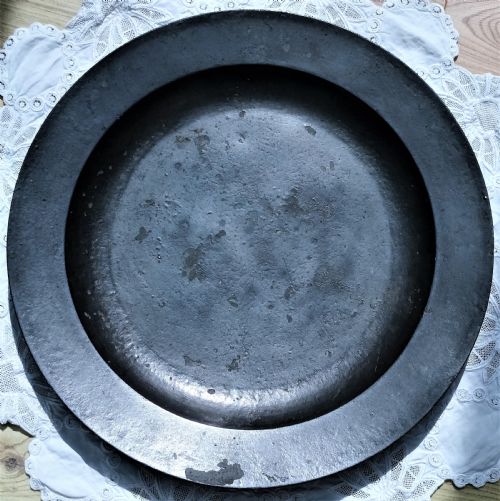
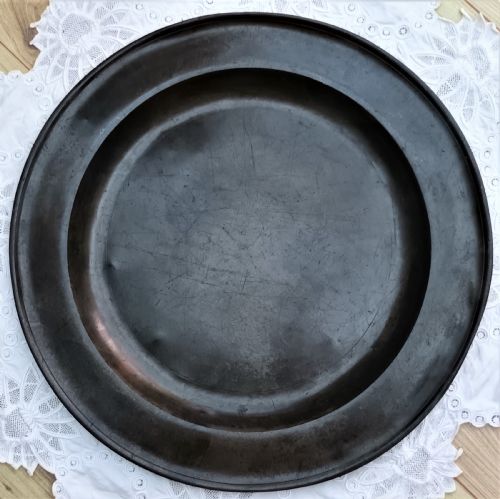
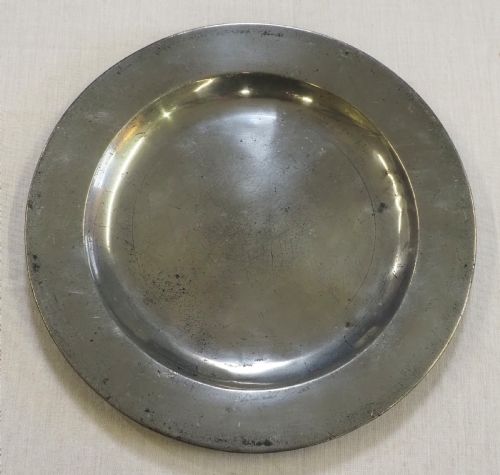
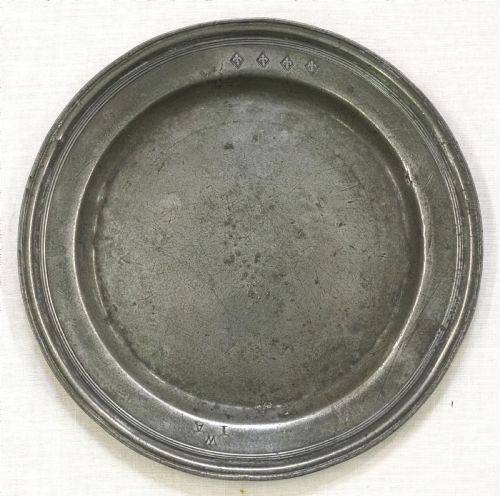
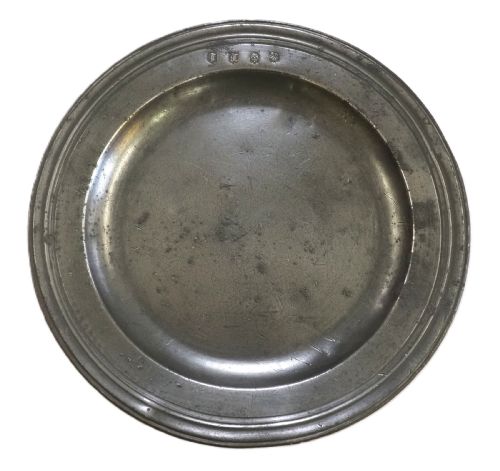
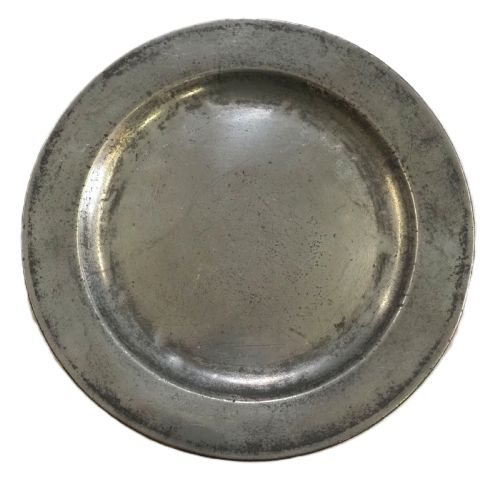
The pieces available on this page include Georgian and Arts and Crafts examples, alongside earlier Charles II and William and Mary formats. You will find matched sets of plates as well as very large individual chargers bearing maker touches and family crests.
How they were made
These items are made entirely of pewter, shaped through casting and hammering techniques. Makers produced plates and chargers by casting the metal in moulds before hammering the surfaces to achieve rigidity and finish.
Detailing on the rims involved plain finishes, triple reeding, or multiple reeding, often complemented by incised markings and hand-punched maker hallmarks known as touches.
Pewter Metal Platters Retail Price Guide 2026
Typical asking prices for pewter metal platters among the pieces listed under this phrase on Sellingantiques today, from the lower quarter to the upper quarter. They describe what is for sale here now, not the wider market.
Some chargers bear the engraved crests of families who trusted their Sunday joints to the same metal.
What varies in quality
Quality in these objects rests upon the crispness of the reeding, the weight and thickness of the metal plate, and the legibility of the maker touch stamp. Superior examples retain their original diameter and form without excessive wear to the rim profile.
The presence of contemporary family crests or extensive hand hammering across the surface adds distinction to individual chargers, separating standard utilitarian items from exhibition pieces.
John Duncomb·William Wright·Samuel Smith·T & H Compton·Richard King·John Tubb·Robert Moulins II·Humphrey Evans II·Liberty & Co·Thomas Alderson·Thomas Templeman·Lawrence Dyer·Thomas Haward·Thomas Powell·Edward Leapidge I·Nehemiah Cloudesley·John Barlow·S Duncomb
The Pewter Metal Platters Glossary
- Charger
- A large large plate or platter, typically used as a base plate during formal dining or for serving meat.
- Reeded rim
- A border decorated with parallel raised mouldings or bands. Triple reeded and multiple reeded variants are common on seventeenth-century English pieces.
- Touch mark
- A stamped symbol or maker signature pressed into the pewter by the smith or workshop to indicate origin.
- Broad rim
- A wide flat border surrounding the central well of a dish, often found on seventeenth-century chargers.
Pewter Metal Platters: Frequently Asked Questions
How do I clean antique pewter?
Wash pewter gently with warm soapy water and dry it immediately with a soft cloth. Avoid harsh metal polishes that remove the natural historic patina.
Leaving the surface unpolished preserves the dark grey oxidation accumulated over centuries of age and use.
Can I use these chargers for food?
Older pewter often contains varying levels of lead, making historic platters unsuitable for modern acidic foods or daily dining use. They are best reserved for decorative display.
Displaying them on walls or wooden surfaces keeps them safe from chemical reactions with food.
How do I identify a seventeenth-century charger?
Look for wider flat rims, hammered overall textures, and multiple or triple reeded border details. These construction traits distinguish earlier formats from later Georgian production.
Maker touch marks stamped into the well also help narrow down the active working dates of the smith.
Where were these pieces made?
The items listed originate primarily from English workshops, with specific makers operating in London, Exeter, and regional centres. Guild standards regulated the alloy composition across these locations.
Domestic production dominated the market before later Arts and Crafts revivals introduced new aesthetic styles.