



Pewter Lidded Jug
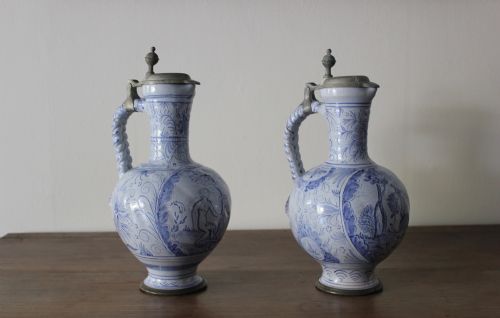
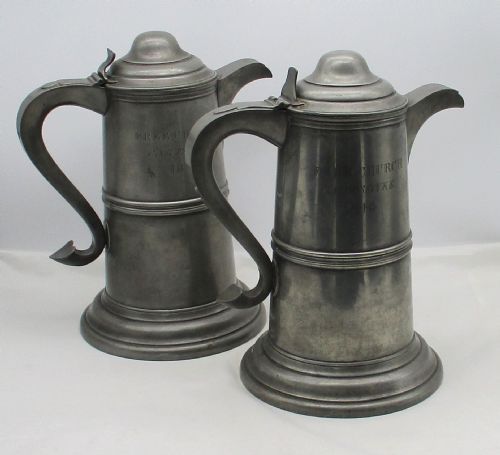
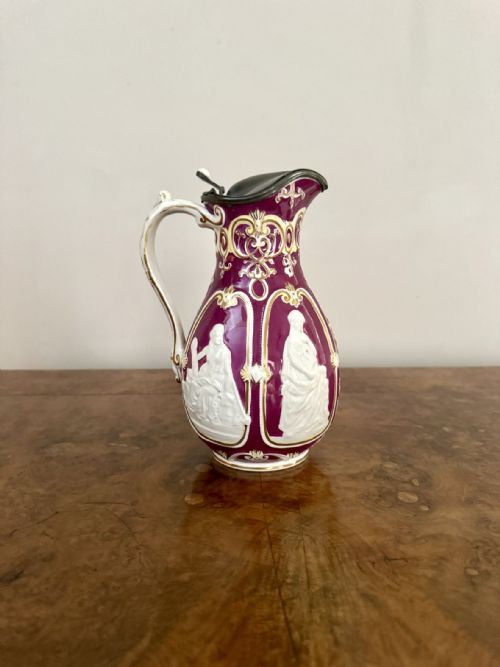
These pewter lidded jug examples span centuries of domestic and tavern service, forged from metal and ceramic alike to hold your ale and water.
Pewter Lidded Jug
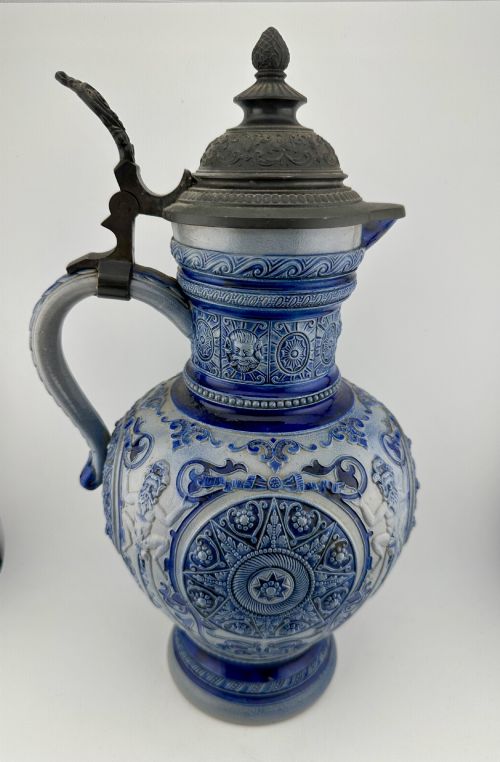
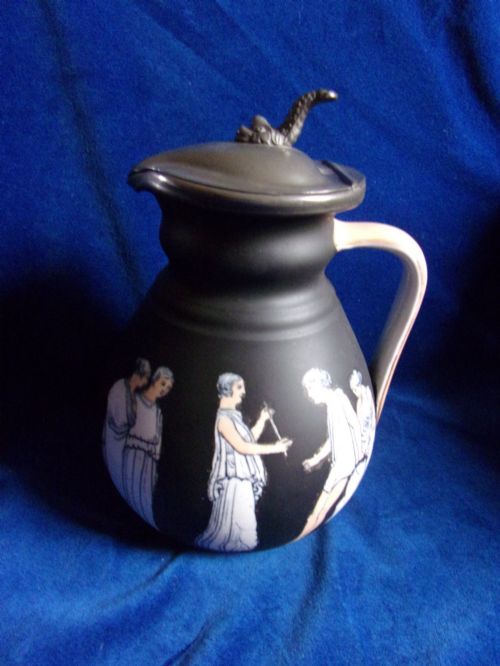
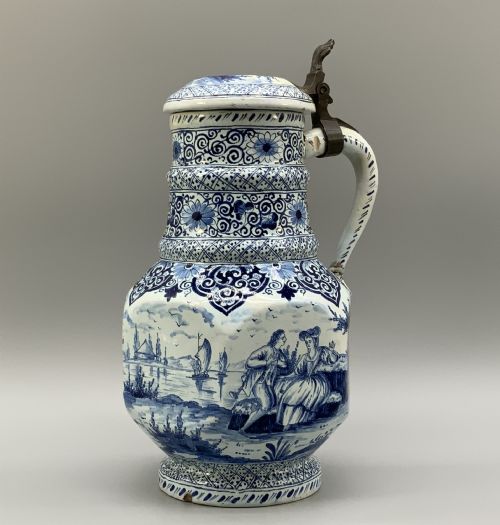
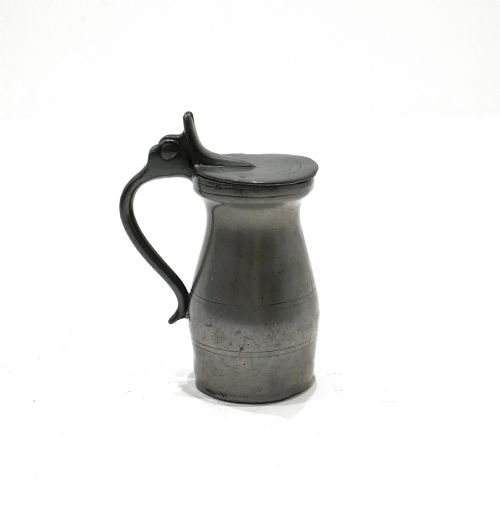
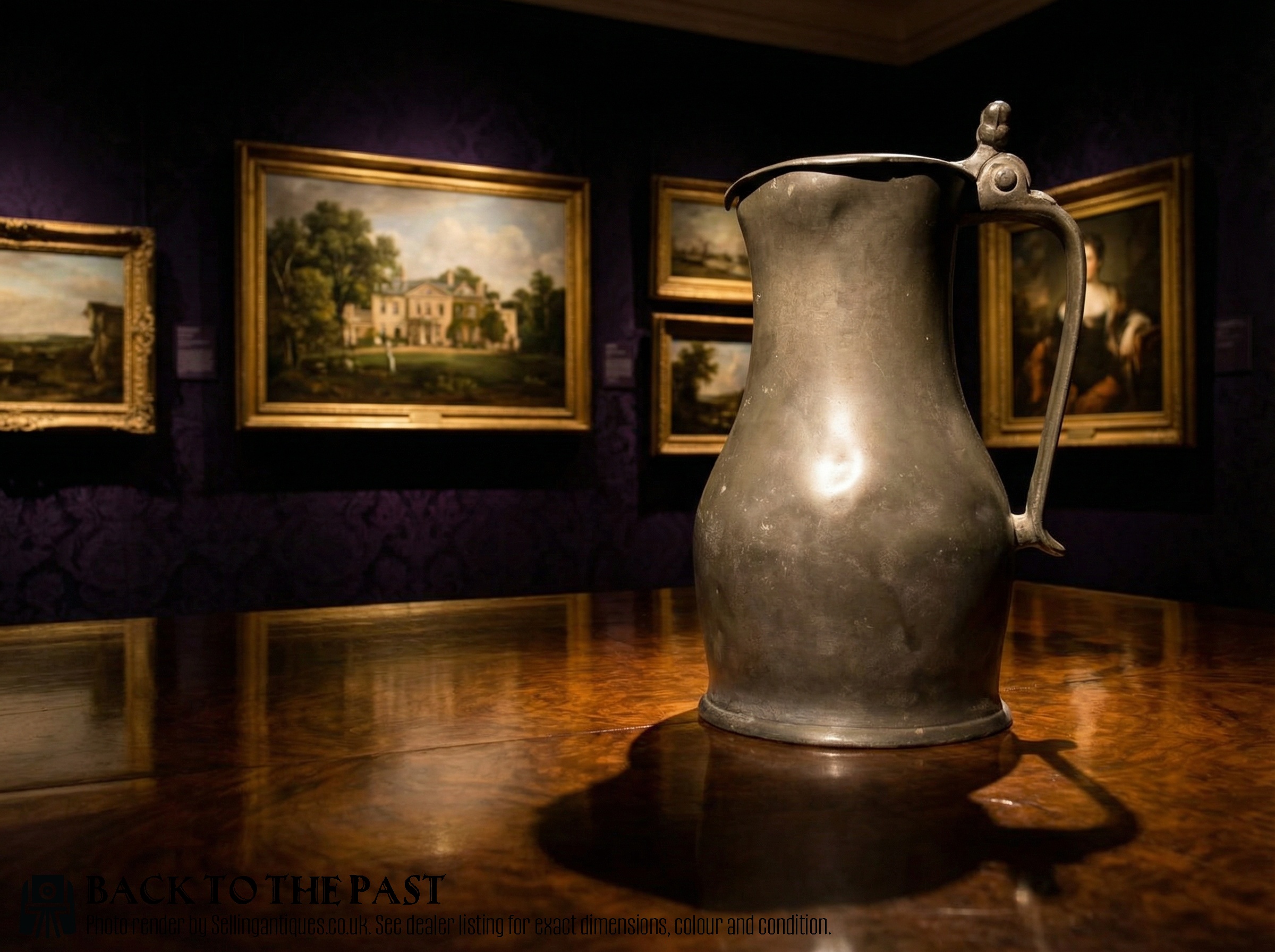
A pewter lidded jug brings together metalwork and ceramics across the eighteenth and nineteenth centuries, taking forms such as flagons, spirit measures, and tall pitchers. You will frequently encounter heavy metal measures alongside tin-glazed earthenware and stoneware vessels fitted with hinged metal lids.
The styles range from Dutch Delftware and Dutch Baroque to Georgian restraint, Victorian mass production, and the organic curves of Art Nouveau. Makers across England, Scotland, Ireland, Jersey, Guernsey, and Germany shaped these domestic vessels for daily pouring and capacity holding.
The primary materials uniting this group are pewter and various earthenwares, often complemented by salt-glazing or polychrome decoration. Whether handling a Scottish tappit hen or an English spire flagon, you are viewing utilitarian drinking vessels built to endure.
Materials and construction
Metal vessels rely on casting pewter into moulds, followed by hammering and lathe-finishing to achieve the desired wall thickness and structural balance. Handles and hinged lids are soldered or pinned securely to the body, ensuring tight daily closure.
Ceramic bodies are thrown or relief-moulded in earthenware, stoneware, or tin-glazed clay before receiving glazes and high-temperature firing. Metal mounts and hinged pewter lids are then fitted specifically to the ceramic collars of jugs and flagons.
Pewter Lidded Jug Retail Price Guide 2026
Typical asking prices for pewter lidded jug among the pieces listed under this phrase on Sellingantiques today, from the lower quarter to the upper quarter. They describe what is for sale here now, not the wider market.
Geographic origins span England, Scotland, Ireland, Jersey, Guernsey, Germany, and Holland.
Assessing quality and finish
The distinction between standard utility items and finer examples rests upon the crispness of the casting and the balance of the vessel. Heavier metal gauge and precise touchmarks indicate superior workshop standards, whereas careless soldering or warped lids suggest mass production.
Ceramic variations depend on the depth of the relief-moulding and the evenness of the glaze application. Sharply defined decorations and securely seated metal mounts mark the upper tier of surviving lidded vessels.
John Heaney of Dublin·Robert Iles of London·John De St Croix·Charles Meigh
The Pewter Lidded Jug Glossary
- Flagon
- A large drinking vessel with a handle and lid, frequently utilised for church or tavern service. These containers often possess considerable capacity compared to domestic jugs.
- Tappit hen
- A traditional Scottish shape of pewter measure featuring a distinctively shaped lid and internal capacity indicator. This specific form was widely utilised for ale and wine.
- Spirit measure
- A standardised metal vessel designed to dispense precise quantities of liquid, such as half gills or pints. They carry official capacity stamps from their period of use.
- Salt-glaze
- A ceramic finish created by throwing common salt into the kiln during high-temperature firing, producing a pitted texture resembling orange peel. This technique protects stoneware bodies from liquid absorption.
- Tin-glazed earthenware
- Pottery covered with a white tin oxide glaze that provides an opaque surface for painted decoration. It is characteristic of Delftware and faience production.
Pewter Lidded Jug: Frequently Asked Questions
What is a pewter lidded jug used for?
These vessels served primarily to hold and pour liquids such as water, beer, ale, and spirits in domestic and tavern settings. The fitted lid helped protect the contents from dust and insects.
The larger flagons additionally saw service in churches for sacramental wine, while smaller measures dispensed exact portions of alcohol.
How do I clean an antique pewter lidded jug?
Dust gently with a dry, soft cloth and avoid aggressive metal polishes that remove historic patina. Modern abrasive cleaners will permanently scratch both the soft metal and any ceramic glaze.
Keep the piece away from damp environments and extreme temperature fluctuations to protect the soldered joints and lid hinges.
How do I tell an 18th-century piece from a 19th-century one?
Eighteenth-century examples often display simpler hand-hammered or cast metal surfaces with early touchmarks, alongside tin-glazed earthenware bodies. Their proportions tend toward utilitarian utility.
Nineteenth-century pieces frequently utilise industrial relief-moulding, factory stamps, and heavier imperial capacity markings reflecting standardised regulations.
Are these jugs safe for daily drinking?
Historic pewter often contains lead, which can leach into acidic liquids or warm beverages over time. It is safer to display these items as decorative works of art rather than using them for consumption.
Ceramic vessels with cracked glazes should similarly remain dry to prevent further structural deterioration.