





Pewter Broad Rim Plate
These pewter broad rim plate pieces are substantial metalware vessels from the seventeenth and eighteenth centuries, valued for their generous proportions and historical touchmarks.
Pewter Broad Rim Plate
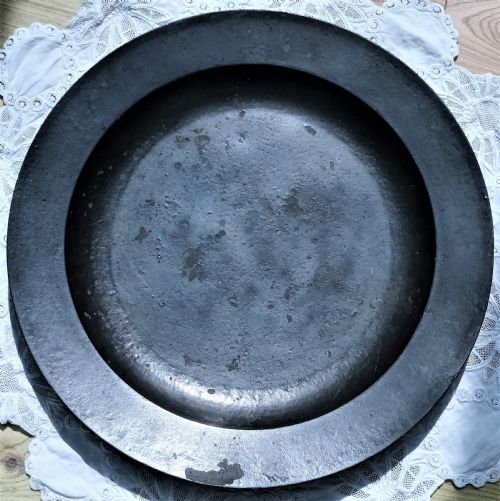
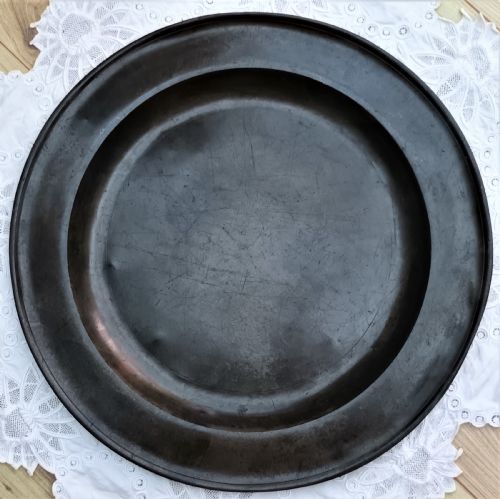
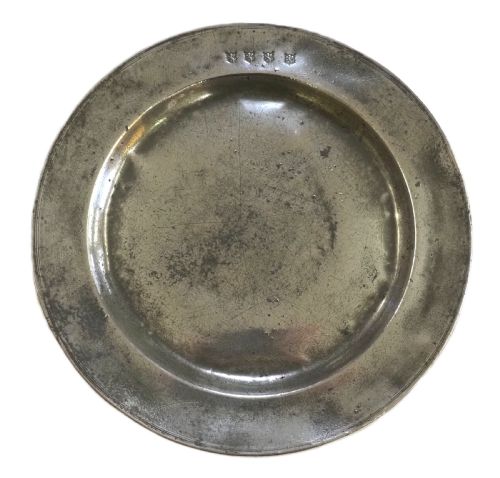
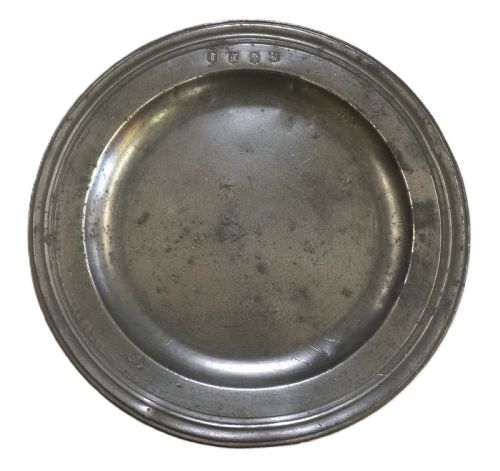
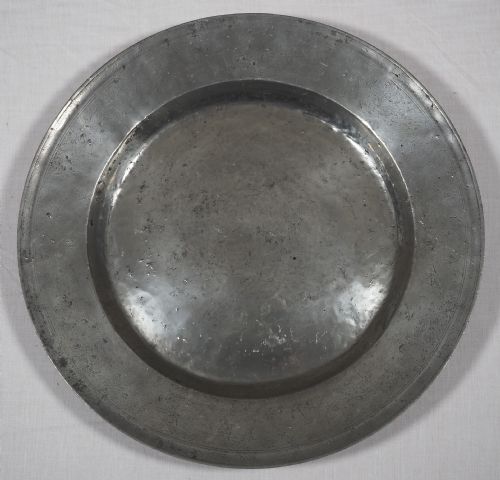
A pewter broad rim plate is a flat circular vessel designed for dining or display, featuring a wide, prominent brim surrounding a central well. The examples seen here belong to the seventeenth and eighteenth centuries, originating from English and continental workshops.
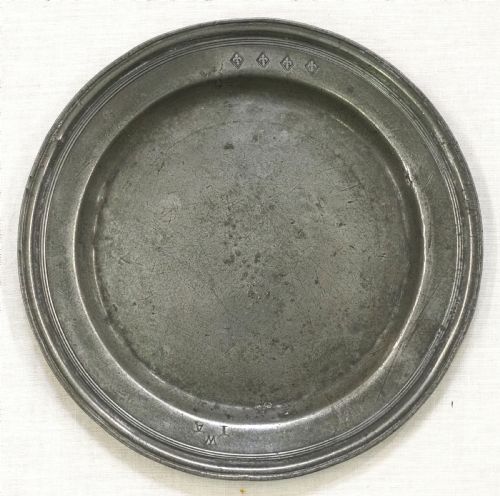
Most items appearing on this page take the form of chargers or large dishes spanning dates from the Charles II and William & Mary periods through to Georgian times. Collectors encounter plain surfaces, triple reeded edges, and incised decorative borders upon these heavy metal forms.
How they were made
These items are constructed from pewter, an alloy composed primarily of tin mixed with lead or copper to achieve rigidity and weight. Makers cast the metal into flat discs before hammering the surfaces to strengthen the structure and finish the profile.
Details such as triple reeded edges and incised borders are worked into the metal by hand during the finishing stages. Makers often stamped their touchmarks directly onto the broad rim to identify their workshop and compliance with trade standards.
Pewter Broad Rim Plate Retail Price Guide 2026
Typical asking prices for pewter broad rim plate among the pieces listed under this phrase on Sellingantiques today, from the lower quarter to the upper quarter. They describe what is for sale here now, not the wider market.
What varies in quality
Quality rests upon the crispness of the touchmark strikes and the integrity of the broad rim's original flatness. Plates that retain their substantial thickness and original hammer marks demonstrate superior craftsmanship compared to heavily polished or worn examples.
The presence of engraved family crests or scarce incised rim details elevates the interest of a piece. Well-preserved maker attribution through clear touchmarks distinguishes standard output from items of notable provenance.
John Duncomb·Samuel Smith·John Trapp II·John Tubb·Robert Moulins II·Lawrence Dyer·Thomas Haward·Thomas Powell·Edward Leapidge I·Pierre Roze·Edmund Embris
The Pewter Broad Rim Plate Glossary
- Broad rim
- The wide flat margin surrounding the central well of the plate. This expanded surface often bears maker touchmarks or engraved crests.
- Charger
- A large ceremonial or dining plate, typically exceeding sixteen inches in diameter. These substantial pieces were used for serving joints of meat or for display on sideboards.
- Touchmark
- A small stamped impression applied by the pewterer to certify the quality of the alloy and identify the maker. These marks serve as the primary method of attribution for historians.
- Reeded
- A decorative moulding consisting of parallel raised bands carved or cast into the rim. Triple reeded edges feature three distinct parallel lines running around the circumference.
- Well
- The central recessed portion of the plate designed to hold food. In broad rim plates, this depression is shallow and proportioned to the width of the surrounding brim.
Pewter Broad Rim Plate: Frequently Asked Questions
What is a broad rim plate?
A broad rim plate is an early dining or display vessel characterised by an unusually wide flat brim surrounding a shallow central well. These items were produced in large sizes for seventeenth and eighteenth century households.
They served both practical dining functions and ceremonial display purposes on court cupboards and sideboards. The broad margin provided ample space for maker touchmarks and heraldic crests.
Were these plates used for eating?
Pewter plates served as standard tableware for wealthy households and institutions throughout the Stuart and Georgian eras. Their durable metal construction made them suitable for daily dining before ceramic alternatives became common.
Larger charger versions functioned primarily as serving platters for communal dining or decorative display pieces. Smaller plates were distributed to individual diners at the table.
What are touchmarks?
Touchmarks are official stamps applied by pewterers to identify their workshop and guarantee the purity of the metal alloy. Guild regulations required makers to register these unique symbols at trade halls.
Finding a clear touchmark allows collectors to trace the maker and active working dates of the piece. These small stamps represent the maker's personal signature on the metalwork.