

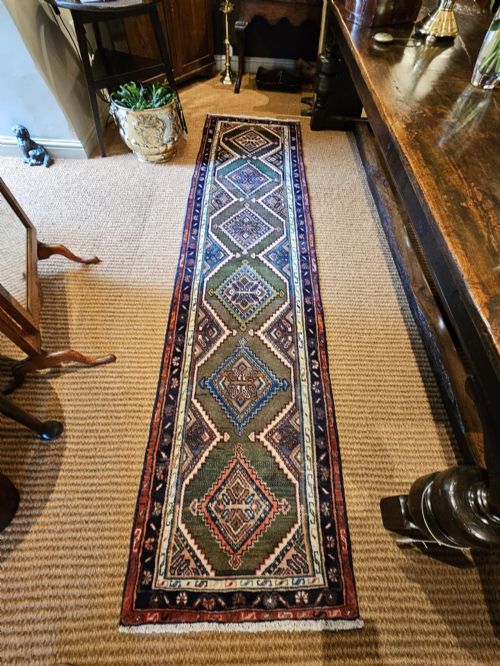



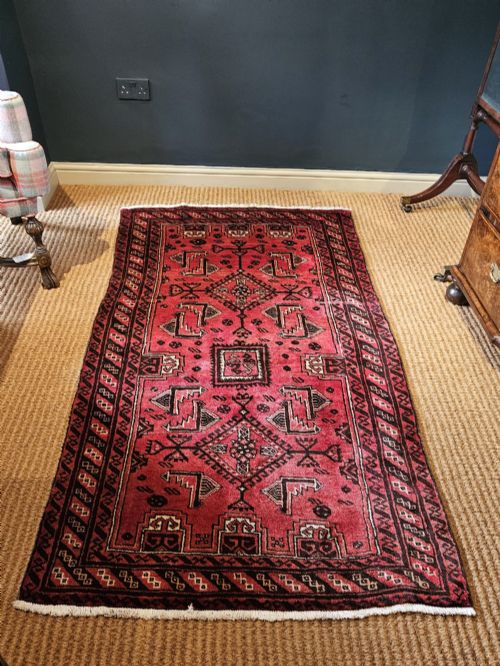
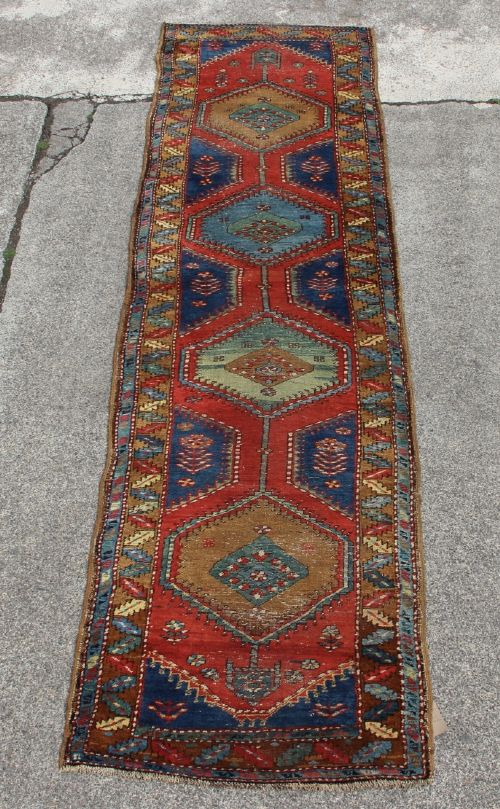

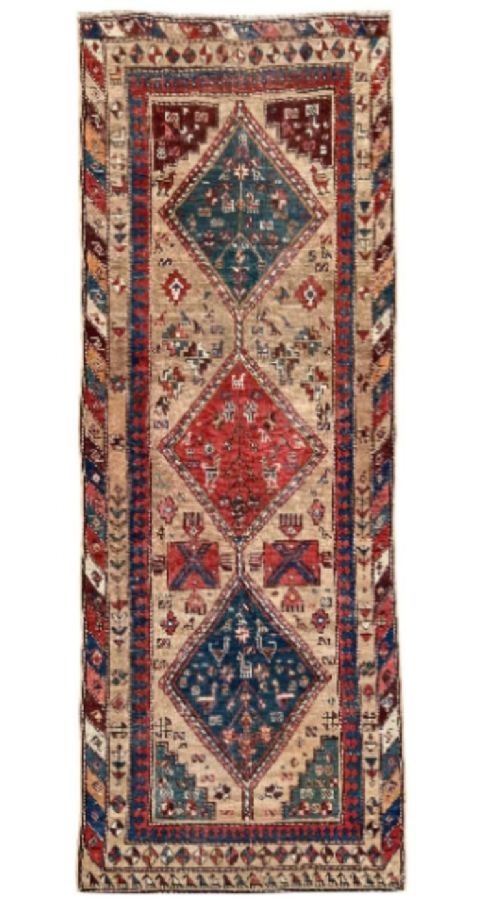
Persian Wool Runner
A persian wool runner brings warmth and pattern to long corridors and narrow spaces through enduring hand-knotted craftsmanship.
Persian Wool Runner
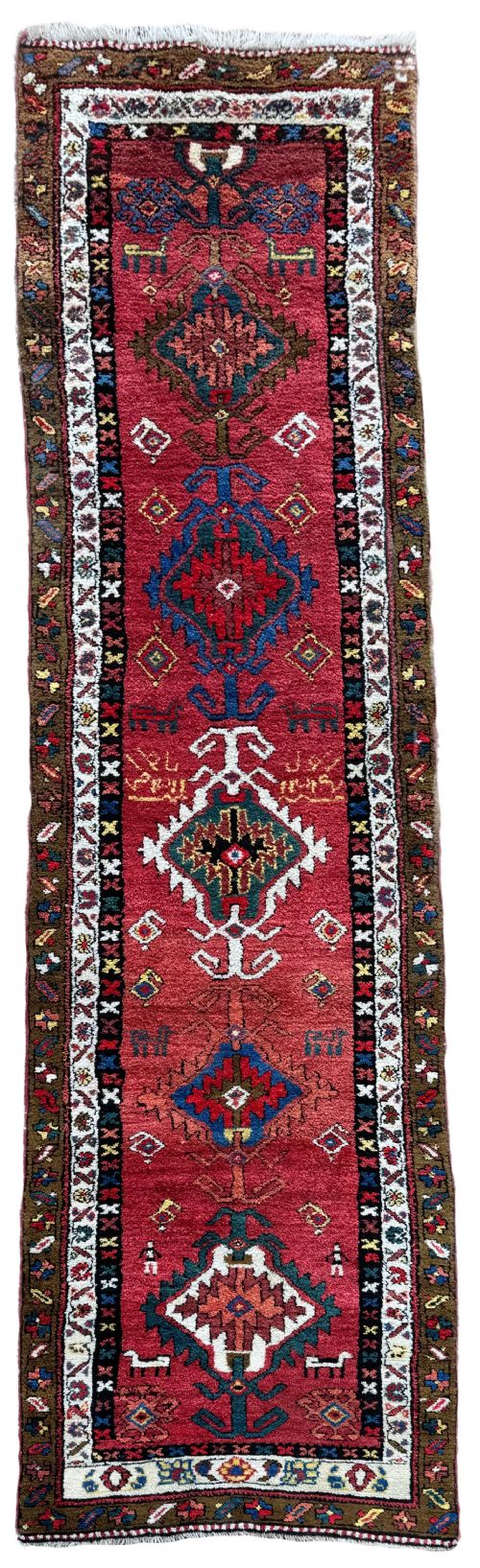
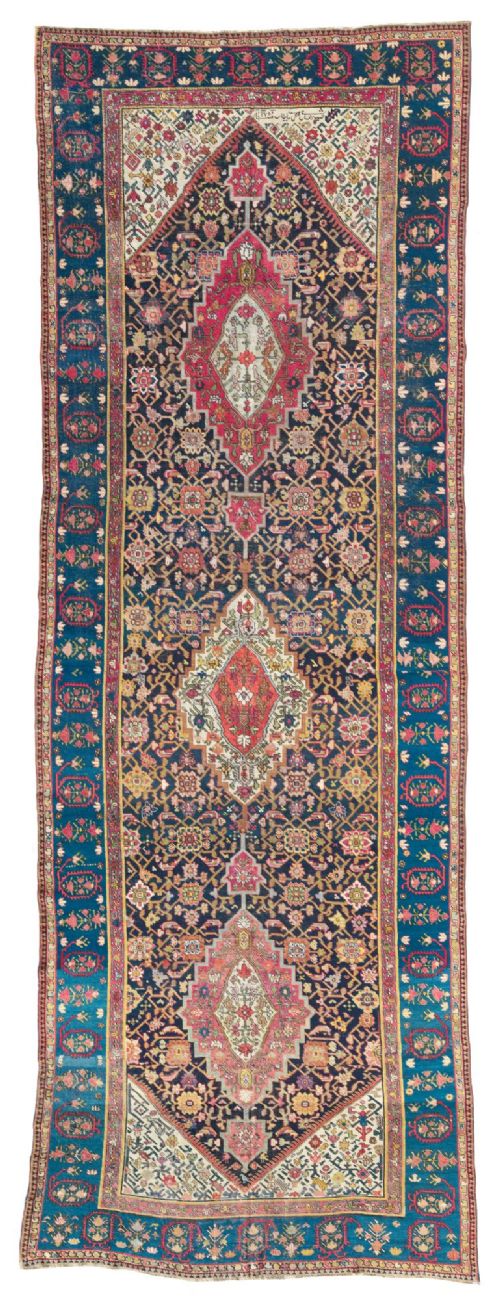
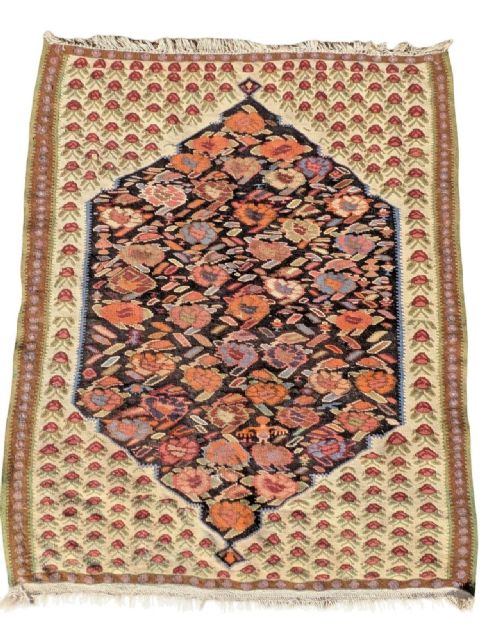
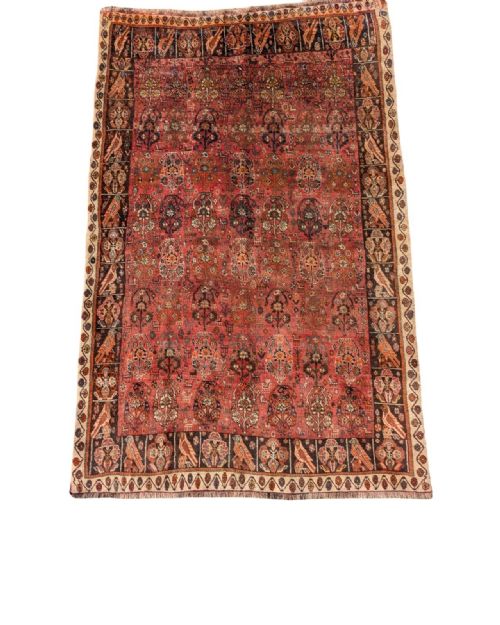
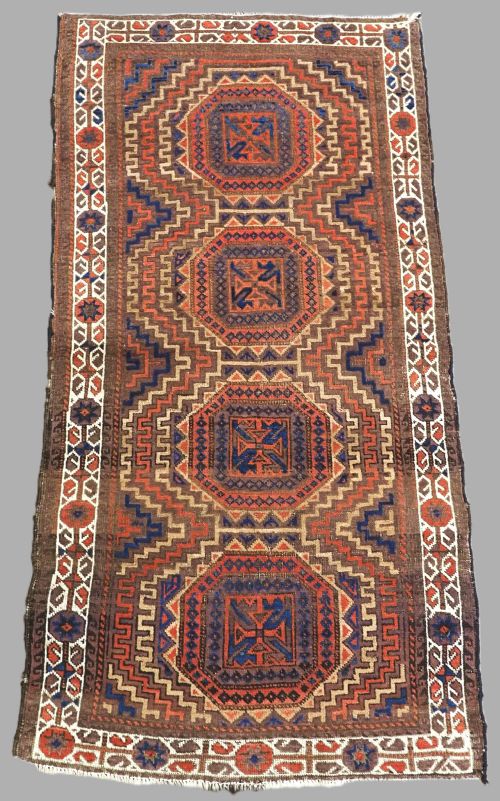
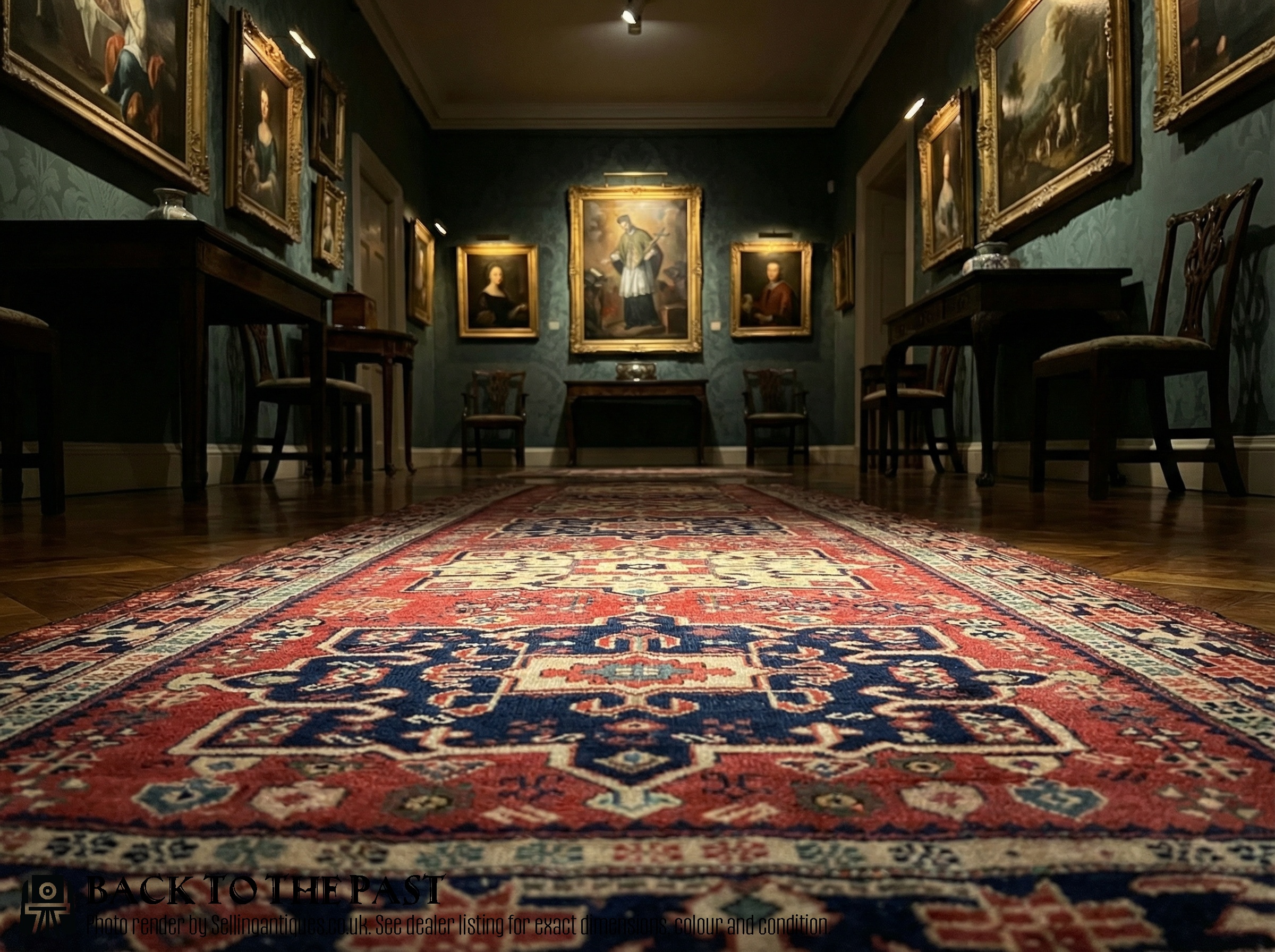
A persian wool runner spans narrow formats suited for hallways, landings and corridors, combining durable pile with linear geometry. These floor coverings emerge from village workshops, nomadic confederacies and urban looms across Persia and neighbouring regions.
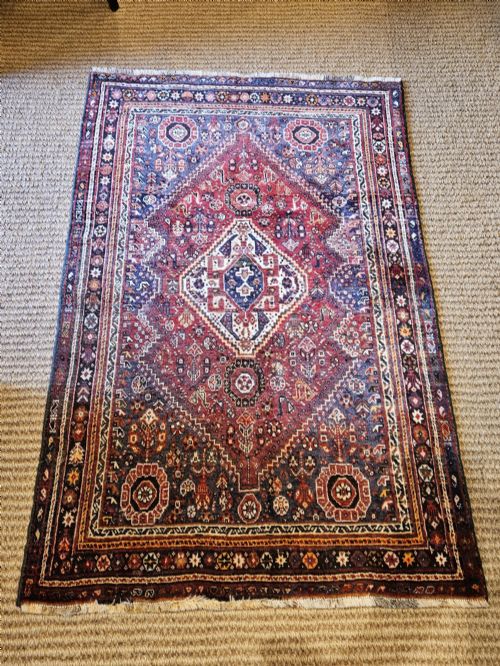
Buyers frequently encounter nineteenth and early twentieth-century examples featuring tribal medallions, repeat lattice patterns and abrash colour variations. The formats range from compact gallery lengths to substantial multi-metre corridors created for period properties.
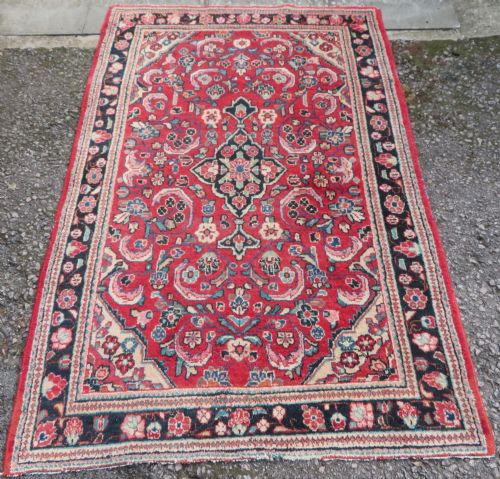
Regional weaves reveal distinct characteristics, from the robust structural integrity of Kurdish and Hamadan pieces to the finer curvilinear designs associated with Tabriz and Saroukh workshops. Each piece reflects the utility and aesthetic preferences of the weavers who produced it.
Materials and Construction
Weavers constructed these runners using hand-spun wool for the pile, often supported by cotton or wool warps and wefts. Pure wool yields a resilient surface capable of absorbing natural dyes derived from plants and minerals, resulting in rich tones that soften gracefully over time.
Certain village and nomadic pieces incorporate camel hair within the ground or border elements, providing a distinct undyed shade and tactile depth. Hand-knotting techniques secure the pile firmly to the foundation, ensuring long-term structural endurance for high-traffic areas.
Persian Wool Runner Retail Price Guide 2026
Typical asking prices for persian wool runner among the pieces listed under this phrase on Sellingantiques today, from the lower quarter to the upper quarter. They describe what is for sale here now, not the wider market.
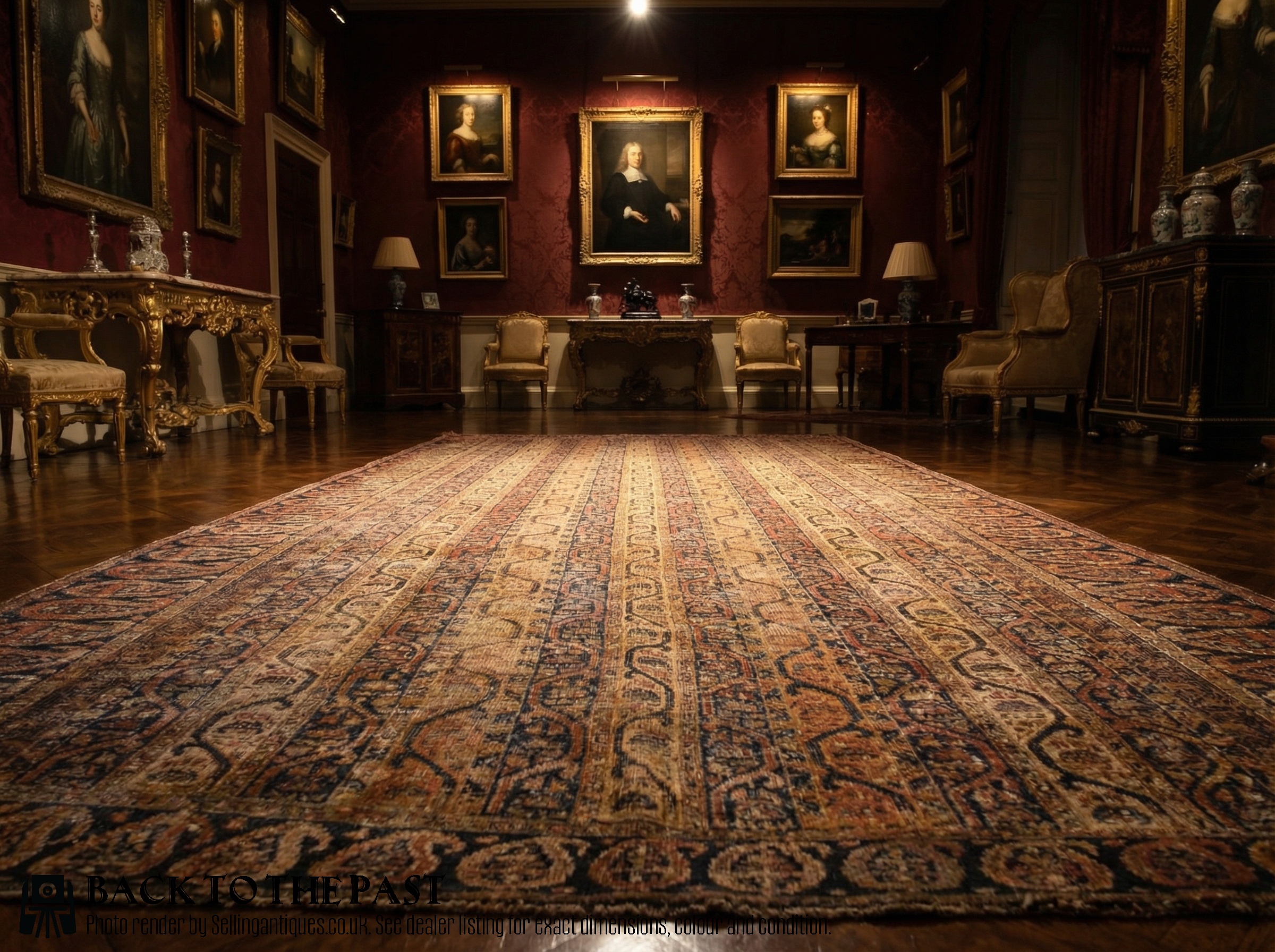
Some runners stretch past thirty feet in length, originally commissioned to warm the long, draughty corridors of country houses.
Evaluating Quality and Execution
Quality rests upon knot density, the precision of the design execution and the stability of the foundational weave. Higher knot counts permit intricate curvilinear motifs and sharper geometric lines, whereas coarser weaves often characterise spontaneous tribal expressions.
The choice of dyes influences the long-term character of the piece, as natural colour variations impart depth and visual movement across the field. Foundation integrity and uniform edge binding dictate how the runner withstands daily friction in active spaces.
Saroukh Village·Bakhtiar Tribes·Heriz District·Bidjar Workshops
The Persian Wool Runner Glossary
- Abrash
- Subtle tonal variations within a field of colour, caused by changes in dye batches or hand-spun wool lots. This natural characteristic adds visual depth to traditional carpets.
- Warp
- The vertical foundation threads stretched lengthwise on the loom before knotting begins. The visible fringes at either end of a runner are the ends of these structural threads.
- Weft
- The horizontal threads passed back and forth across the warps after every row of knots to bind the structure together. They stabilize the width of the textile.
- Pile
- The vertical tufts of wool knotted onto the warp and weft foundation to form the usable surface of the rug. Height and density vary according to regional tradition.
- Gul
- A medallion or repeating octagonal motif frequently found in tribal and nomadic weaving traditions. These stylized floral or geometric emblems often identify specific groups.
Persian Wool Runner: Frequently Asked Questions
Where should I place a runner?
Runners suit narrow spaces such as hallways, corridors, staircases and bedside areas where standard rectangular carpets fail to fit. Their linear format guides movement through a floor plan while protecting high-traffic wooden boards.
Selecting the correct length ensures the piece anchors the space without obstructing doorways or overlapping threshold transitions.
How do I clean an antique wool rug?
Regular gentle vacuuming without a rotating brush roll removes trapped dust and prevents fibre abrasion. Professional specialist cleaning remains essential for addressing deeper soil or spills without compromising natural dye stability.
Avoiding excessive moisture and direct prolonged sunlight preserves both the lanolin within the wool and the integrity of the vegetable dyes.
What is an abrash?
Abrash describes the subtle tonal shifts in colour across the field of a runner, appearing as horizontal bands of slightly lighter or darker hue. This variation occurs naturally when dyers mix new batches of yarn or utilise different skeins of hand-spun wool.
Rather than a defect, connoisseurs view abrash as a mark of authenticity confirming traditional hand-dyeing methods.
How do I date an older runner?
Dating relies on stylistic markers, structural analysis, wool texture and the chemistry of the dyes used within the pile. Natural dyes, hand-spun wool and specific regional motifs often point towards nineteenth or early twentieth-century production.
Comparing knot structure and border motifs with documented examples helps establish a reliable period of origin.