



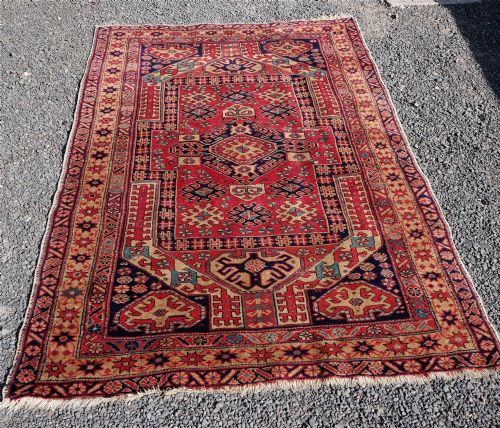
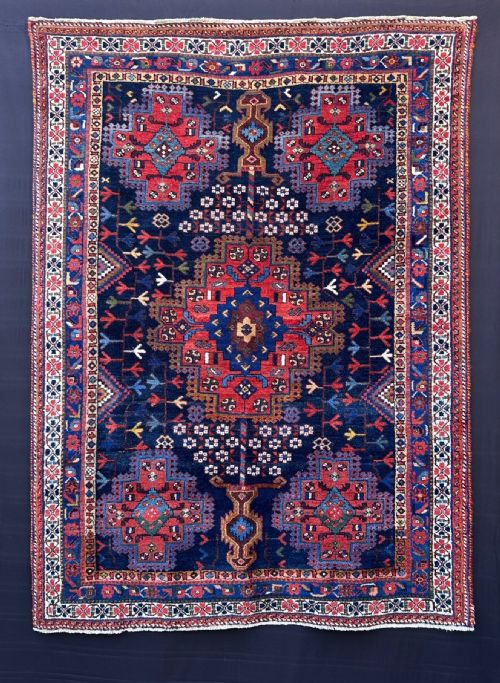
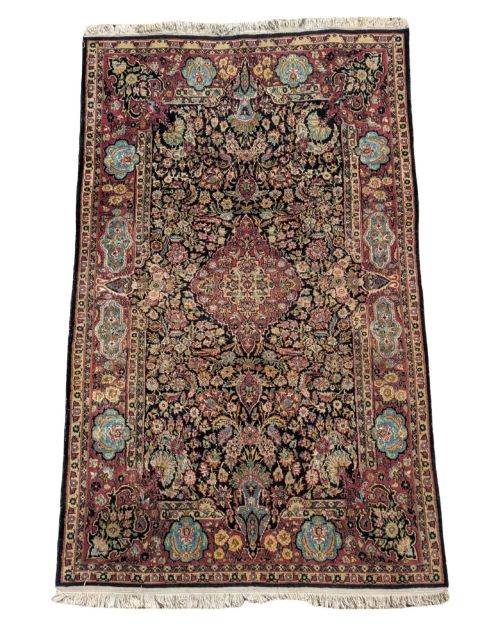
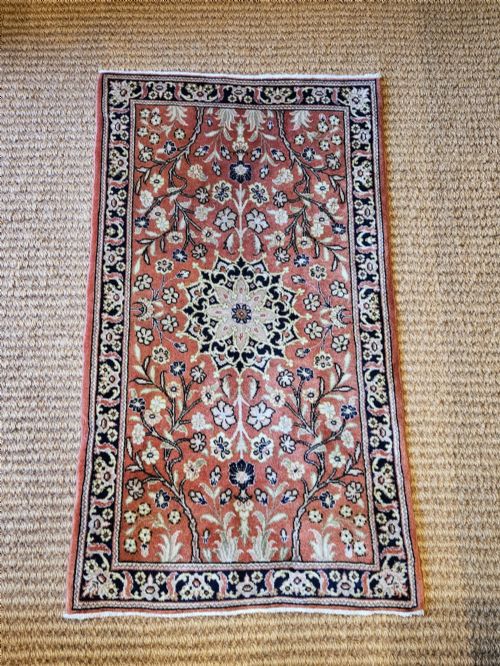
Persian Wool Medallion Rug
A persian wool medallion rug brings centuries of woven artistry into a room, anchoring the floor with tribal geometry and time-softened hues.
Persian Wool Medallion Rug
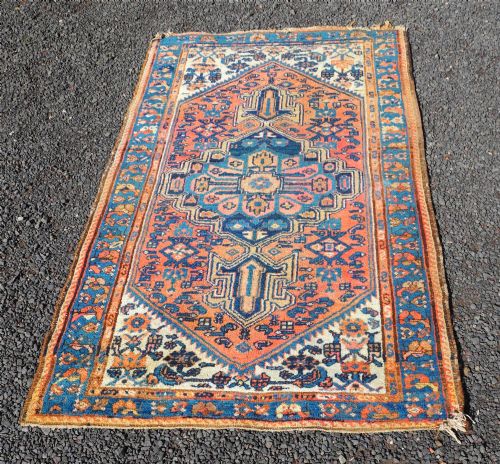
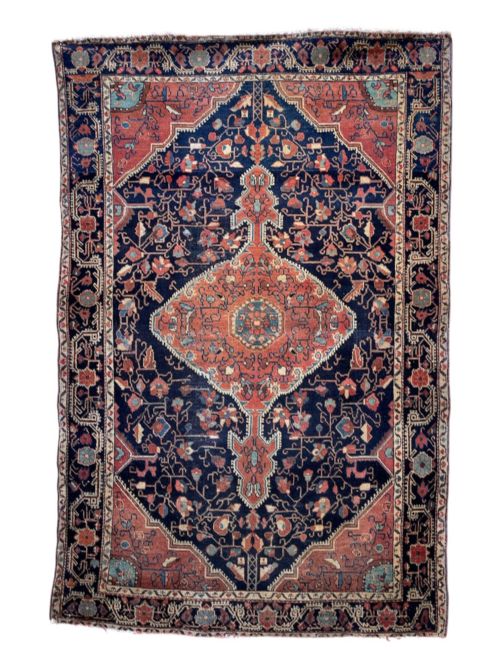
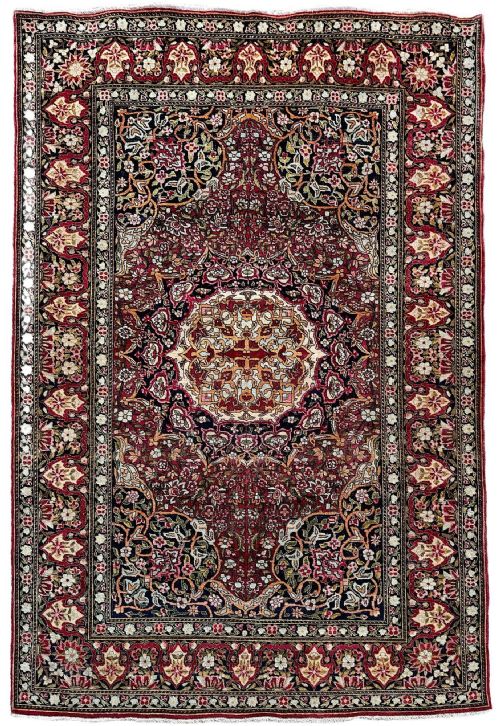
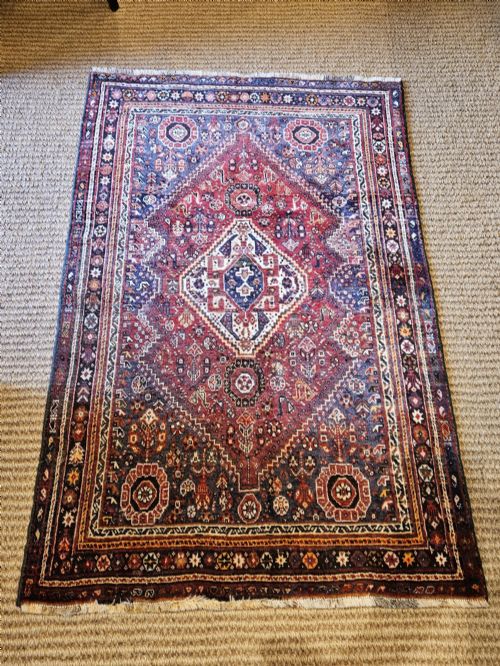
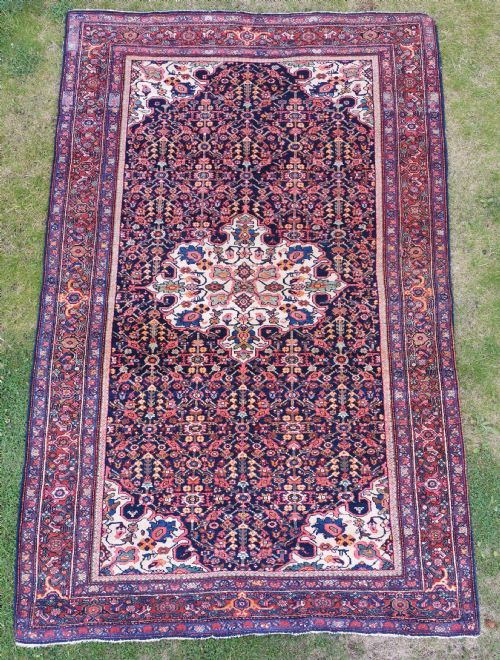
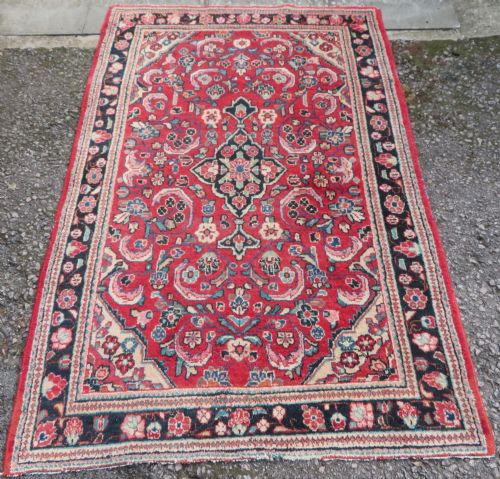
When hunting for a persian wool medallion rug, buyers encounter floor coverings originating from nineteenth and early twentieth-century village and tribal workshops across Persia. These pieces span distinct regional designations such as Heriz, Bakhtiar, Hamadan, and Saroukh, displaying central motifs designed to draw the eye.
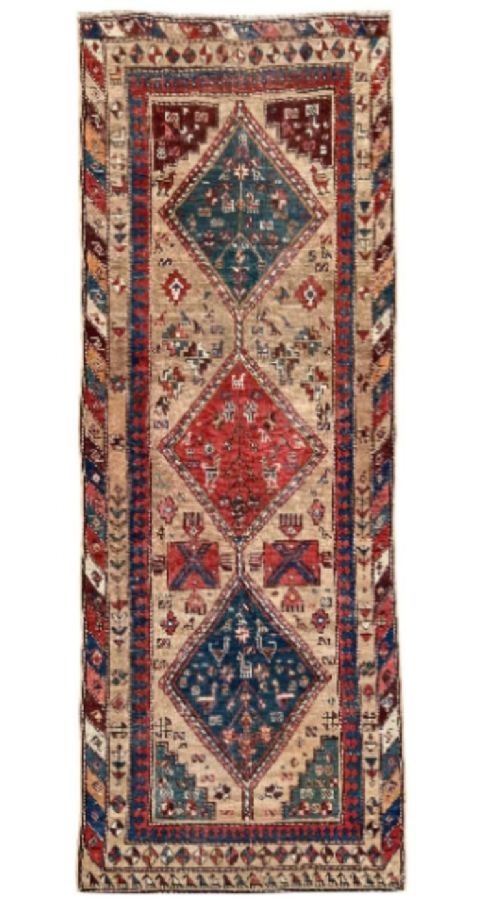
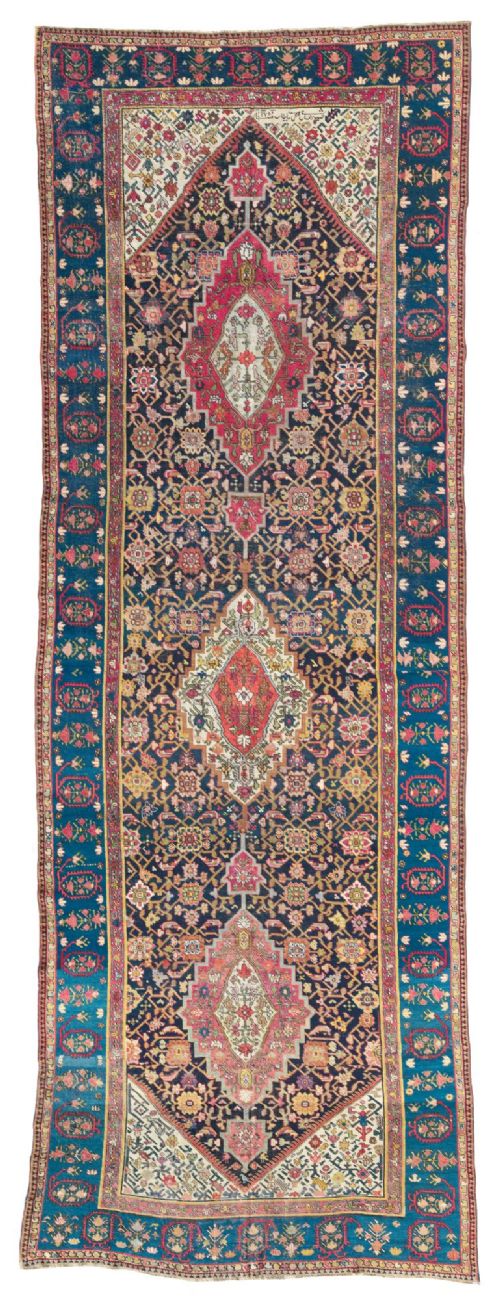
The selections available range from hearth-sized scatter rugs to grand village carpets and runners. Forms include traditional rectangular carpets, geometric runners, and even structural fragments or bagfaces produced by nomadic weavers.
How they were made
Makers constructed these floor coverings primarily using a durable wool foundation, occasionally incorporating cotton foundations or silk highlights to accent specific details. Weavers knotted the pile by hand onto warp and weft threads, creating dense surfaces designed to withstand generations of foot traffic.
Dyes derived from natural sources interacted with hand-spun wool fibres to yield rich colour palettes that mellow gracefully over decades. Artisans executed geometric and floral medallions with regional precision, reflecting the specific weaving traditions of villages from the Kerman province to north-west Persia.
Listings feature pieces dated from the mid-nineteenth century through the 1930s, showcasing wool, cotton, and silk materials.
What varies in quality
Knot density and the precision of the central medallion distinguish standard village productions from finer urban workshop pieces. Tighter knotting allows for crisper delineation of intricate motifs and complex geometric borders.
The depth and stability of the wool pile, alongside the harmony of the natural dye palette, determine the long-term visual impact of the rug. Superior examples maintain structural integrity across the foundation while exhibiting an even, low wear that enhances the softness of the wool.
The Persian Wool Medallion Rug Glossary
- Medallion
- A central ornamental motif dominating the field of the rug. This focal design often repeats geometric or floral elements found in the surrounding spandrels.
- Knot
- The individual loops of wool tied around the warp threads to form the pile. Higher counts generally indicate finer, more detailed regional weaving.
- Warp
- The vertical threads stretched tightly on the loom that carry the structural weight of the rug. Weavers tie the wool pile directly onto these foundational strands.
- Weft
- The horizontal threads passed across the warp strands after each row of knots to secure the weave. This technique binds the structure together solidly.
- Runner
- A long, narrow carpet format traditionally utilised in hallways or corridors. These pieces typically display repeated central medallions or continuous geometric patterns.
Persian Wool Medallion Rug: Frequently Asked Questions
Where should I place a persian wool medallion rug?
These floor coverings suit high-traffic areas like hallways, living rooms, and dining spaces where durable wool pile performs well under furniture.
Smaller formats work effectively beside beds or as hearth-sized accents, while larger carpets anchor open seating arrangements.
How do I care for an antique wool rug?
Regular gentle vacuuming without a rotating brush roll prevents dust accumulation within the wool pile. Professional cleaning is recommended periodically to preserve the natural fibres.
Keep these textiles away from direct, harsh sunlight to maintain the stability of natural dye colours over time.
What is the difference between a village rug and a city carpet?
Village and tribal pieces often display bolder geometric medallions and heavier wool foundations woven from memory or local tradition. City workshops typically produced finer, symmetrical floral designs with higher knot counts.
Regional variations in materials and motifs help distinguish pieces from origins like Heriz, Bakhtiar, or Isfahan.
Do these rugs use synthetic dyes?
Many older pieces rely entirely on natural dyes sourced from plants and minerals, which age with a characteristic patina. Some twentieth-century productions incorporated early aniline dyes alongside traditional colour sources.
Inspect the wool pile in natural light to appreciate how these colour combinations have mellowed across decades.