
Persian Wool Area Mat
A persian wool area mat brings the warmth of village and tribal weaving into a room, grounding the floor with rich geometric and floral patterns.
Persian Wool Area Mat
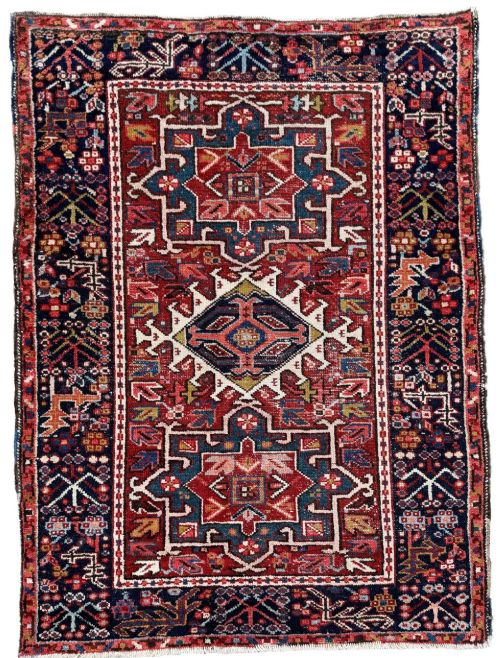
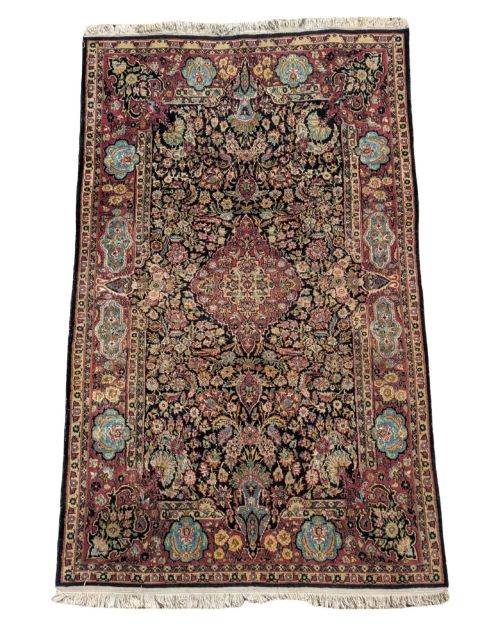
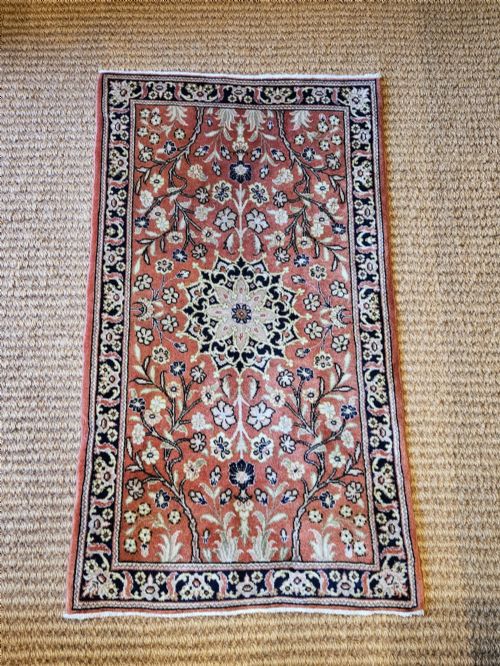
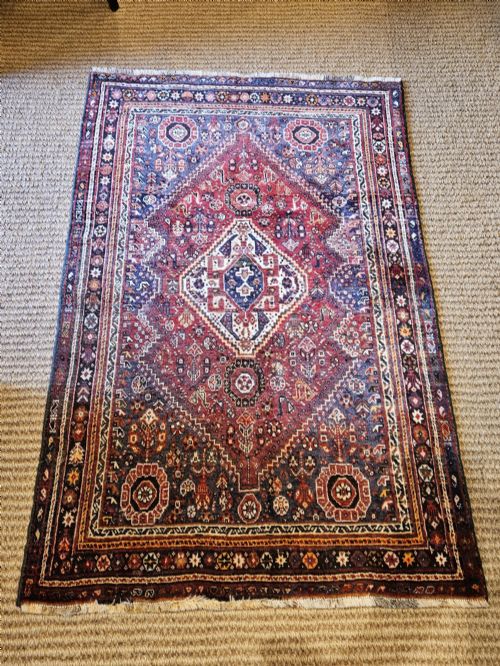
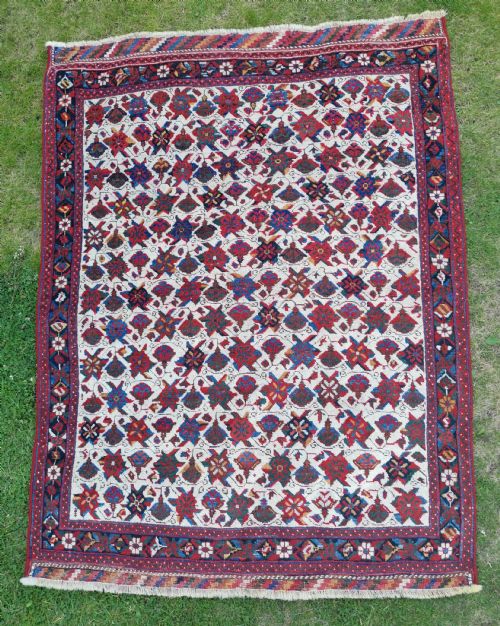
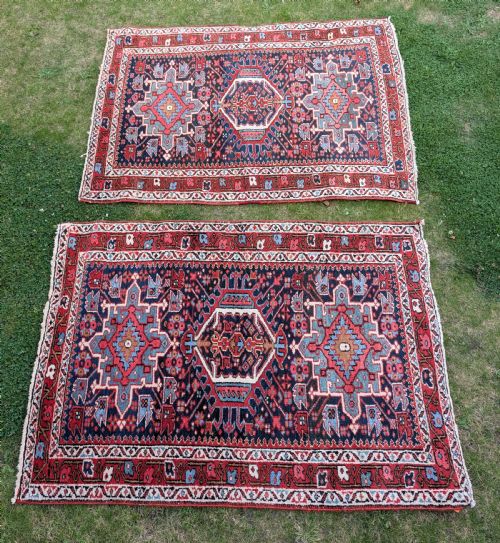
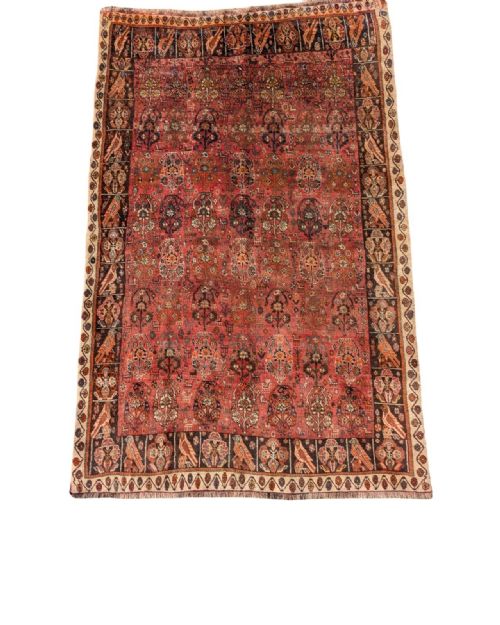
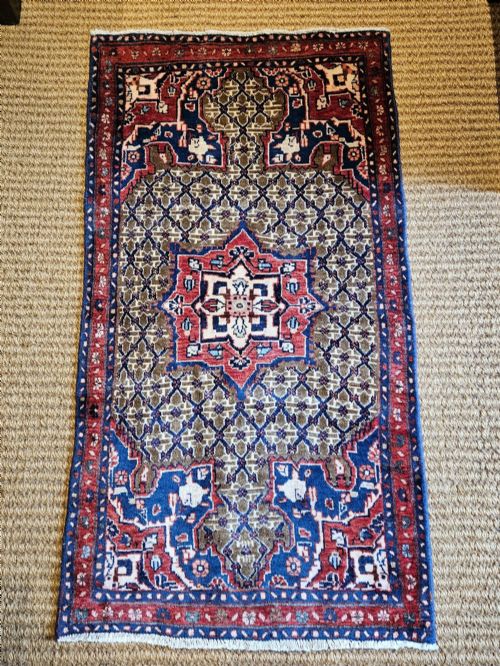
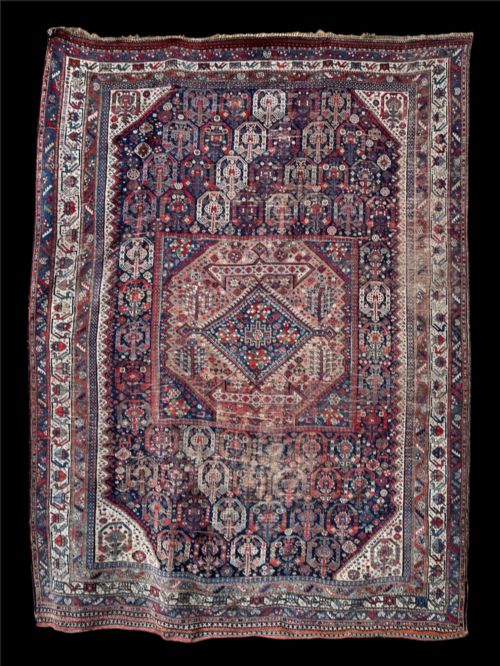
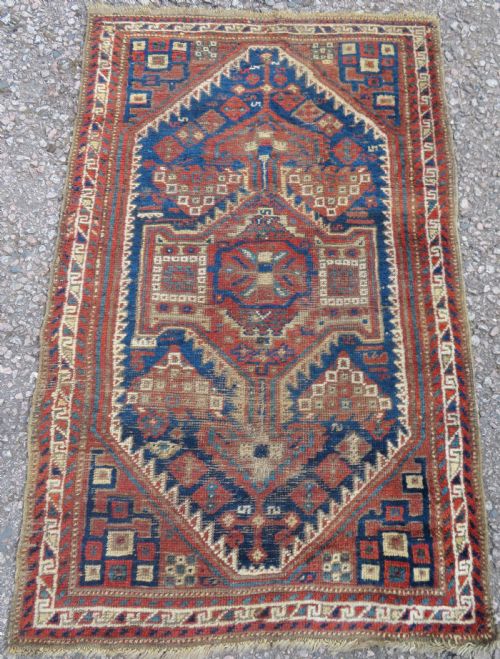
When searching for a persian wool area mat, buyers encounter a diverse selection of floor coverings originating from various regions and nomadic confederacies across Persia and neighbouring territories. These pieces span from the late nineteenth century through to the early decades of the twentieth century, reflecting traditional village and tribal craftsmanship.
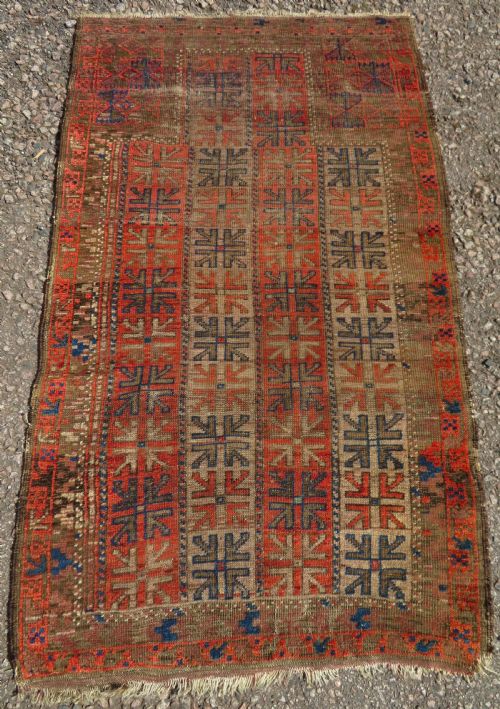
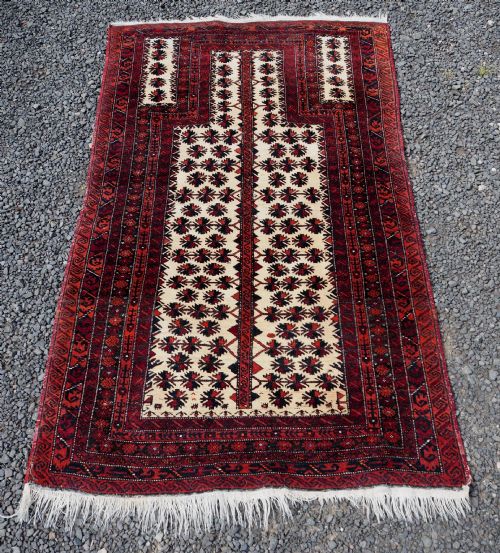
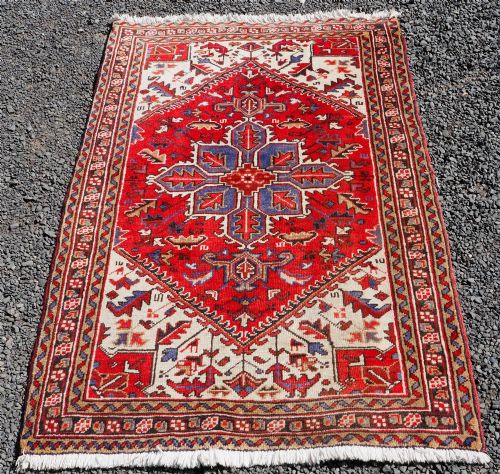
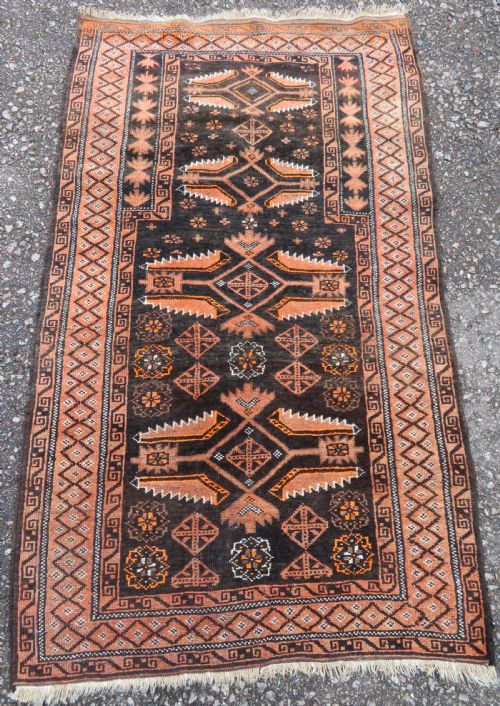
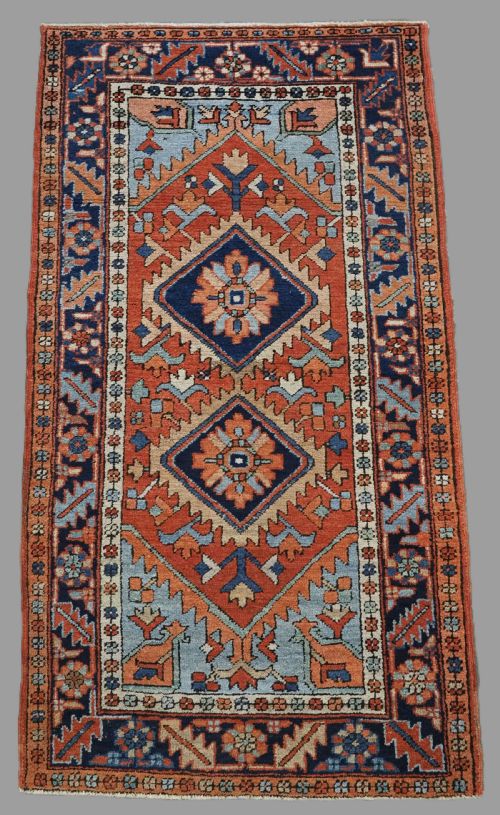
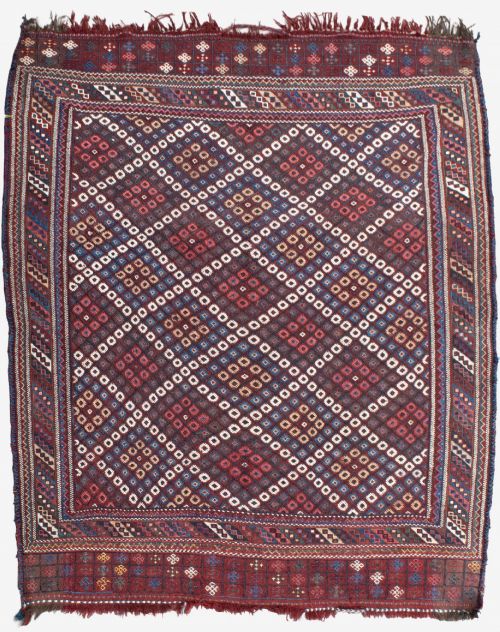
The most common examples on this page are hearth-sized and smaller scatter rugs, alongside larger carpets, prayer rugs, and utilitarian pieces like sofres. Styles range from Persian tribal and nomadic designs to specific regional outputs such as Karaja, Heriz, Afshar, Baluch, Kashgai, and Kashan.
Makers include village weavers and nomadic groups utilising regional motifs, geometric medallions, and floral vase designs. Buyers seek these textiles for their authentic character, practical floor coverage, and deep historical connection to traditional weaving centres.
Materials and Construction
The primary material underpinning these textiles is wool, frequently complemented by cotton foundations and occasional uses of camel hair or silk highlights. Hand-spun wool provides the durable pile that defines the texture and longevity of each piece.
Weaving techniques rely on traditional hand-knotting and flat-weaving methods passed down through generations of village and nomadic artisans. Natural dyes impart the characteristic rust backgrounds, deep blues, and rich colour variations seen across the regional types.
Listings span periods from the 1870s to the 1930s, featuring wool, cotton, camel hair, and silk materials.
Assessing Quality and Execution
Quality in these textiles rests upon the fineness of the weave, the tightness of the knotting, and the integrity of the wool itself. Superior examples demonstrate a careful balance between structural density and supple drape, reflecting the skill of the individual weaver.
The vibrancy and depth of the dye work also distinguish finer pieces, where hand-spun wool absorbs colour with subtle tonal shifts across the surface. Finer drawing of geometric patterns and floral motifs indicates a higher level of workshop or village execution.
Timuri Baluch·Dokhtar E Qazi
The Persian Wool Area Mat Glossary
- Prayer rug
- A small textile featuring a mihrab or niche design historically used for daily prayers. These formats are particularly prevalent in Baluch and Kashan productions.
- Pile
- The upright loops or cut ends of yarn that form the soft surface of a rug. In these pieces, hand-spun wool creates a durable and resilient pile.
- Medallion
- A central ornamental design motif placed in the field of a carpet or rug. Regional styles like Heriz utilise distinct geometric medallions.
- Warp
- The vertical threads stretched tightly on the loom that form the structural foundation of the textile. Cotton and wool are the primary materials utilised for this purpose.
Persian Wool Area Mat: Frequently Asked Questions
How do I clean an antique rug?
Gentle surface brushing and professional specialist cleaning are recommended to preserve the natural lanolin in the wool.
Avoid harsh chemical treatments or soaking, which can damage the traditional dyes and structural foundation.
Where were these rugs made?
These textiles originate from various regions, villages, and tribal territories across Persia, including Heriz, Karaja, Afshar, and Baluchistan.
Nomadic confederacies and settled village communities each contributed distinct regional aesthetics and weaving techniques.
How do I identify a prayer rug?
Prayer rugs typically feature a distinct architectural arch or mihrab motif at one end, designed to point toward Mecca during use.
This format appears frequently among Baluch and Kashan pieces listed in the inventory.
Can I use these rugs on modern floors?
These pieces function effectively as floor coverings in living spaces, studies, and hallways, adding warmth and traditional texture.
Utilising a suitable underlay helps prevent slipping and reduces friction between the wool pile and hard flooring.