






Persian Style Runner
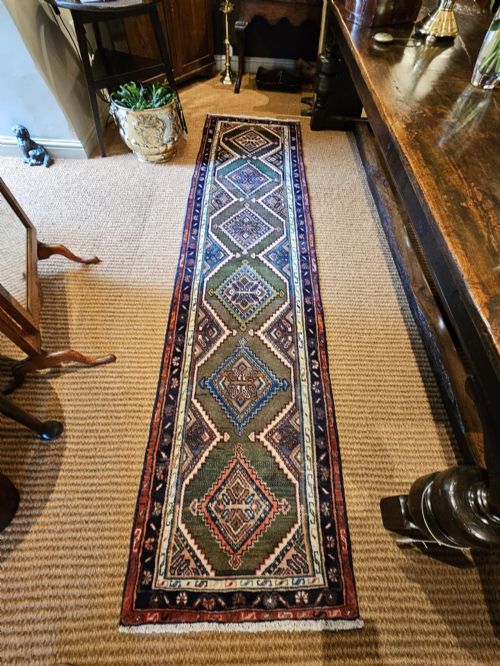
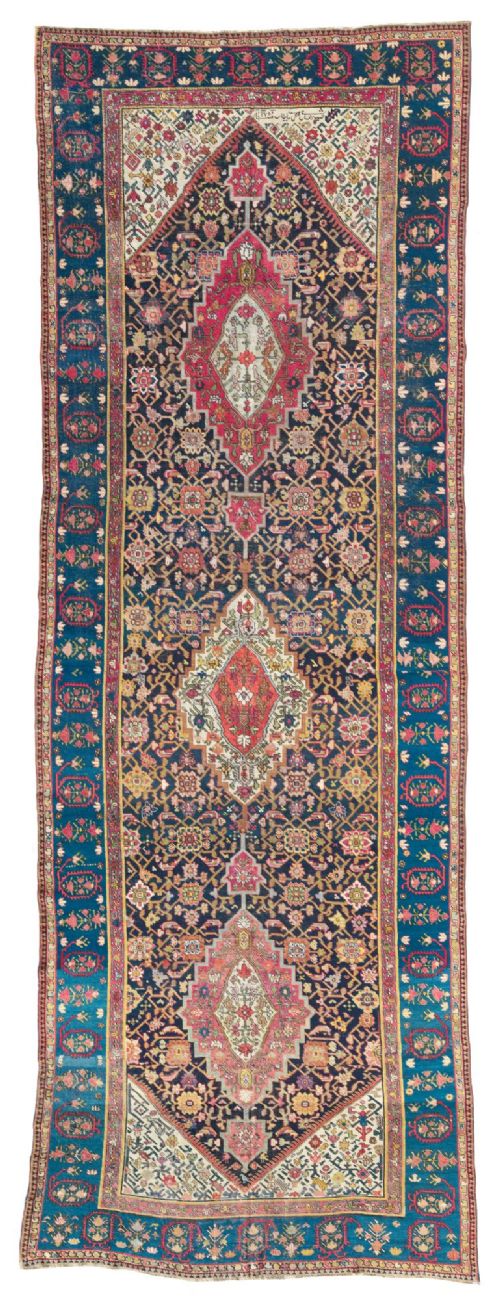
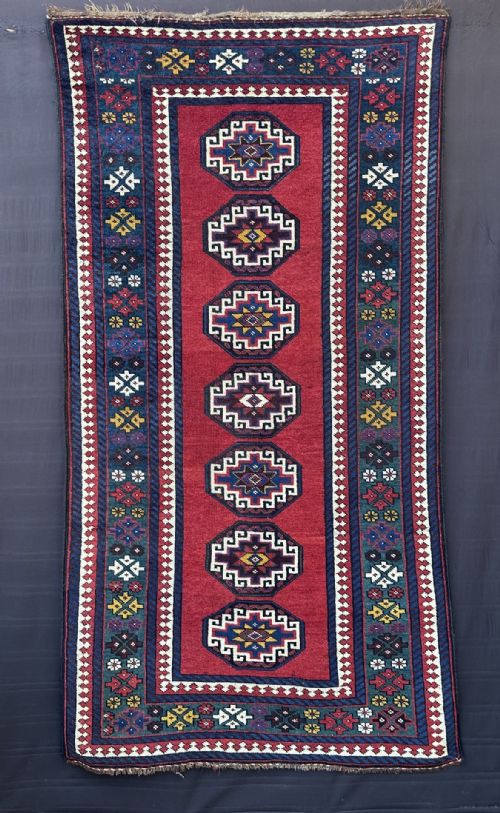
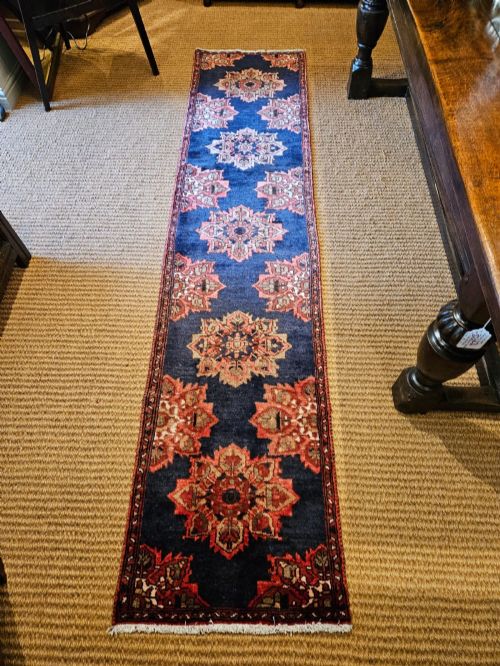
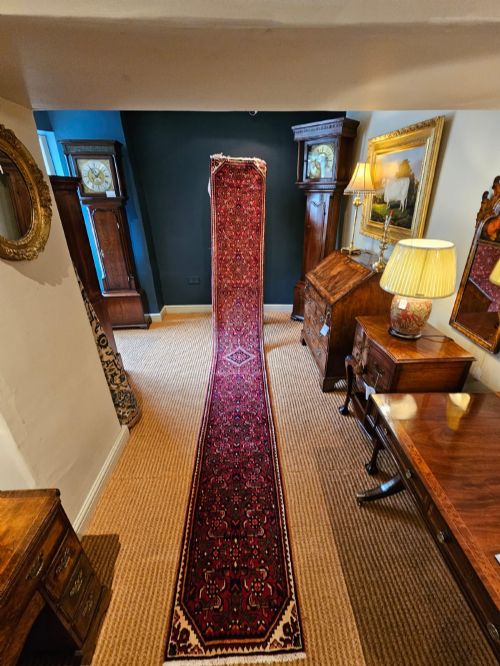
A persian style runner brings rich colour and linear geometry to a hallway, formed from time-worn wool and traditional motifs.
Persian Style Runner
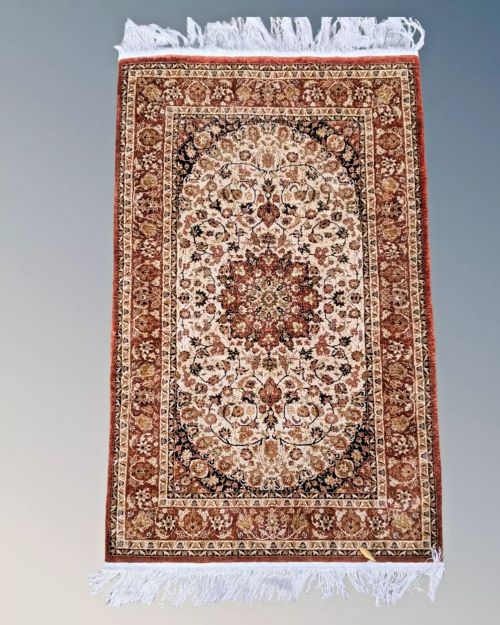
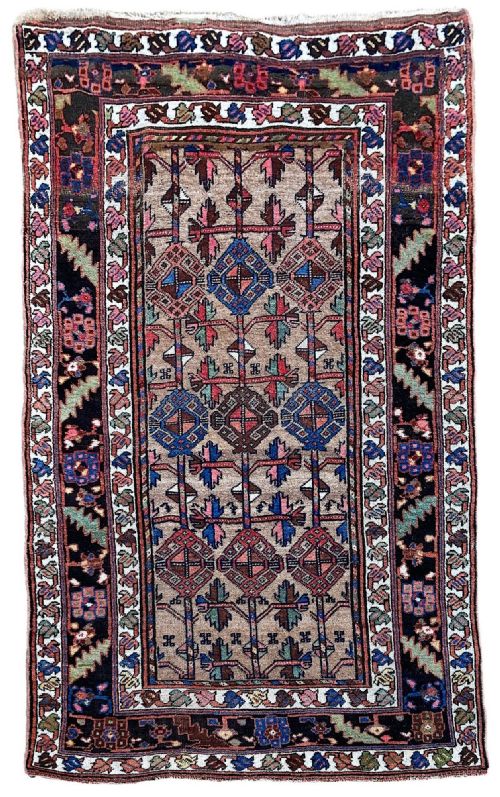
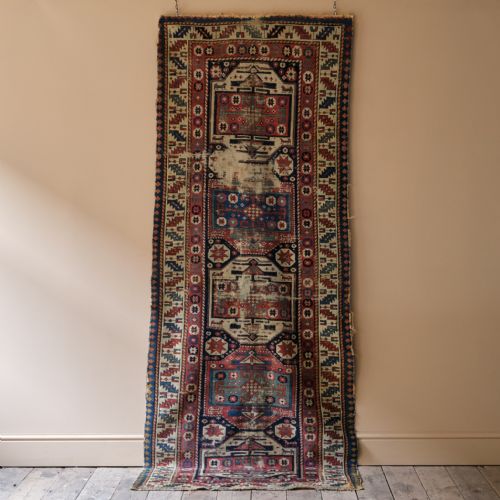
A persian style runner is a narrow, elongated textile designed for corridors and passages, drawing on traditions from regions such as Heriz, Sarab, and the broader northwest of Persia. The selection comprises rugs and carpets originating from the nineteenth and early twentieth centuries, spanning periods from the eighteen-fifties through the nineteen-thirties.
Buyers encounter various tribal and traditional formats, including Kurdish, Afshar, and Caucasian designs alongside workshop productions. These pieces range from modest lengths to substantial fourteen-foot runners, utilised historically to insulate stone floors and soften long interior spaces.
How they were made
Weavers constructed these textiles by hand-knotting wool, hand-spun wool, silk, and occasionally camel hair onto sturdy cotton or wool foundations. Natural dyes provided the foundational palette, yielding durable tones that mellow gracefully over decades of use.
The hand-woven techniques combine tightly packed vertical warps and horizontal wefts with dense pile knots. This method secured geometric and figurative patterns, ensuring structural resilience for high-traffic hallway settings.
Persian Style Runner Retail Price Guide 2026
Typical asking prices for persian style runner among the pieces listed under this phrase on Sellingantiques today, from the lower quarter to the upper quarter. They describe what is for sale here now, not the wider market.
The listings feature pieces spanning the 1850s to the 1930s, utilising materials including silk, camel hair, cotton, and hand-spun wool.
What varies in quality
The fineness of the knotting and the complexity of the design define the upper tier of these runners. Tightly packed foundations and precise execution of medallion or shrub motifs indicate superior workshop capability.
Material selection also differentiates the grade, with hand-spun wool and natural dyes offering depth of tone absent in lesser examples. Even wear and integrated structural integrity distinguish well-preserved specimens from heavily compromised ones.
The Persian Style Runner Glossary
- Runner
- A long, narrow carpet format specifically proportioned for corridors, hallways, and staircases.
- Kelleh
- A large format rectangular carpet, traditionally intermediate in proportion between a standard rug and a full room-size runner.
- Boteh
- A traditional teardrop or paisley motif representing a floral shoot or cypress tree, frequently seen in Persian and Caucasian weaving.
- Medallion
- A central ornamental design element placed symmetrically in the field of the rug.
- Pile
- The upright surface yarn of the carpet formed by the cut ends of knots.
Persian Style Runner: Frequently Asked Questions
Where should I place a runner?
These long carpets suit hallways, corridors, and narrow passageways where linear floor space benefits from warmth and pattern.
They also serve effectively in kitchens and beside beds to provide soft underfoot textures.
How do I care for antique wool?
Vacuum gently with the beater bar disengaged to protect the hand-knotted pile from excessive friction and fibre loss.
Professional specialist cleaning preserves the natural dyes and historical structure of the textile.
What is a tribal design?
Tribal designs originate from nomadic or village groups who wove from memory rather than formal workshop cartoons.
These patterns often display geometric freedom, spontaneous colour shifts, and symbolic motifs.
How do I identify age?
Dating relies on assessing the natural dye palettes, the composition of the wool, and structural wear patterns characteristic of specific decades.
Earlier nineteenth-century pieces typically display softer secondary colours and finer hand-spun textures compared to later productions.