



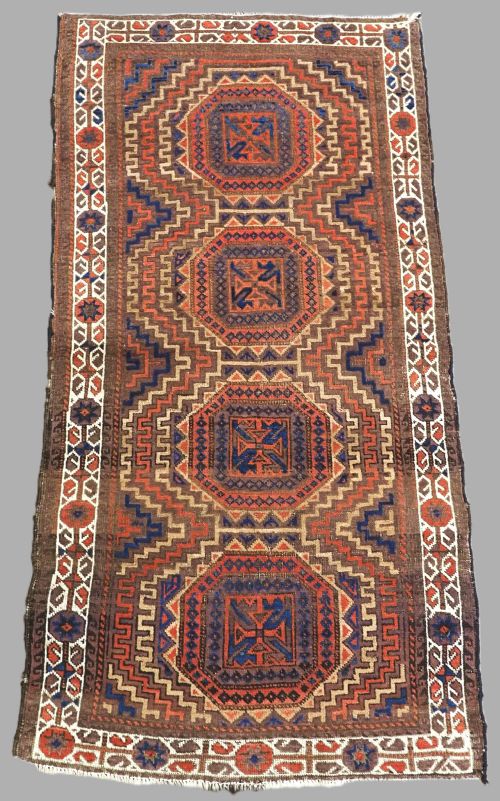
Persian Runner Rug
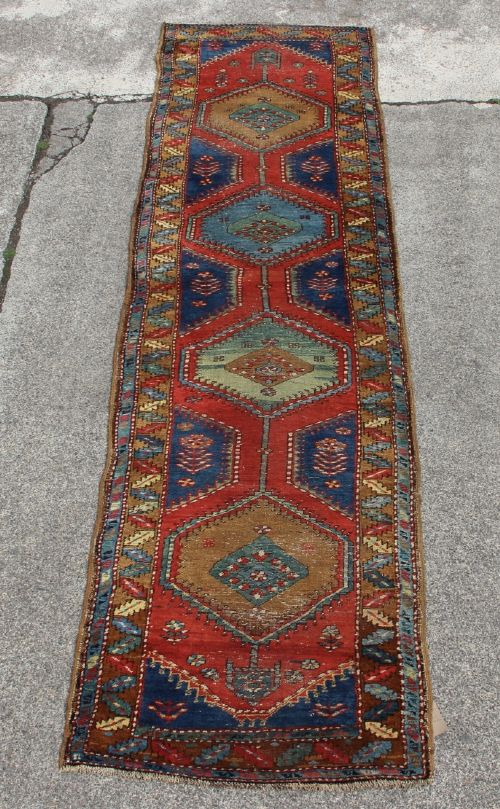
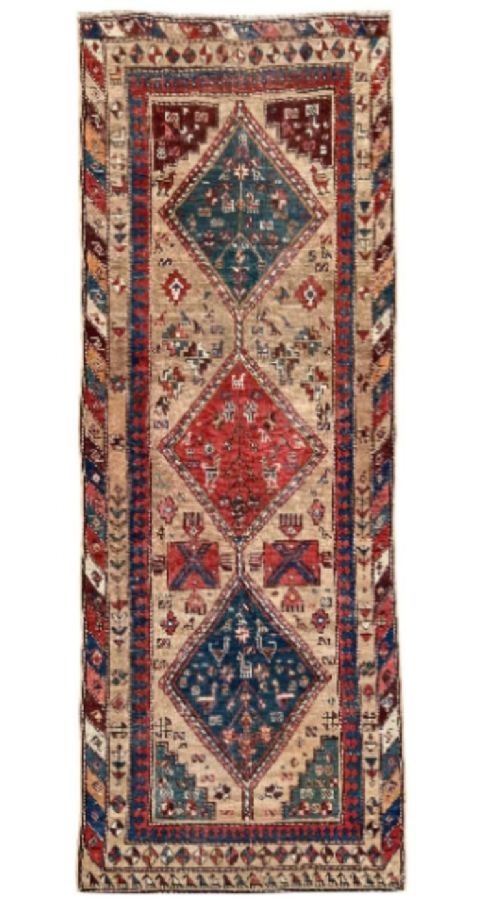
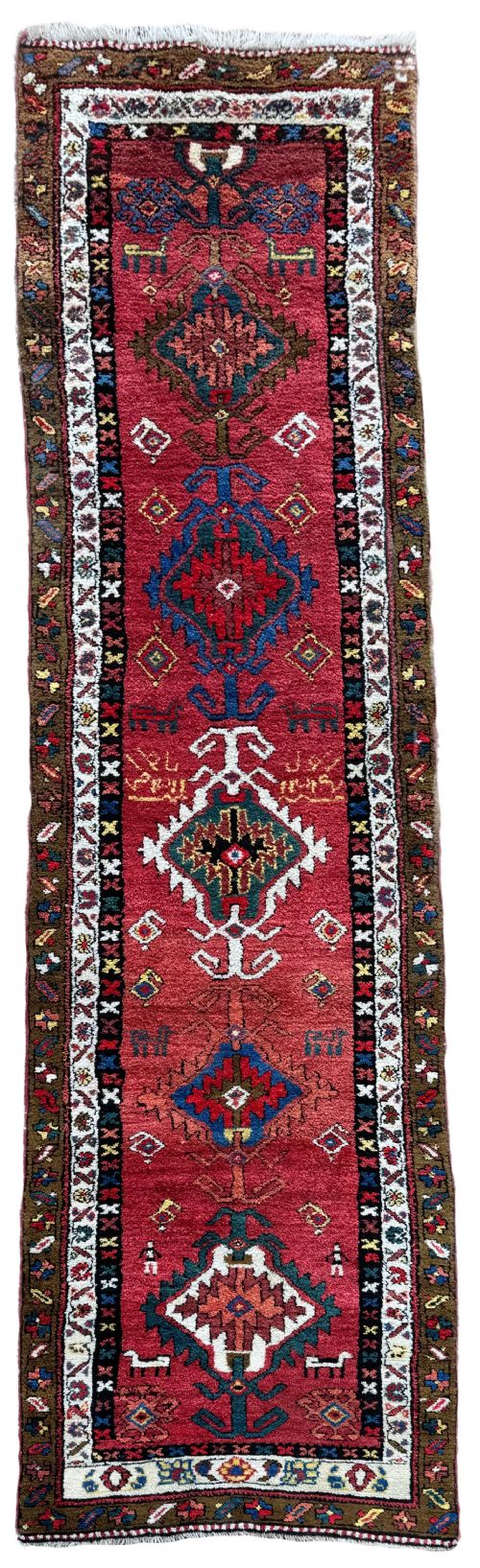
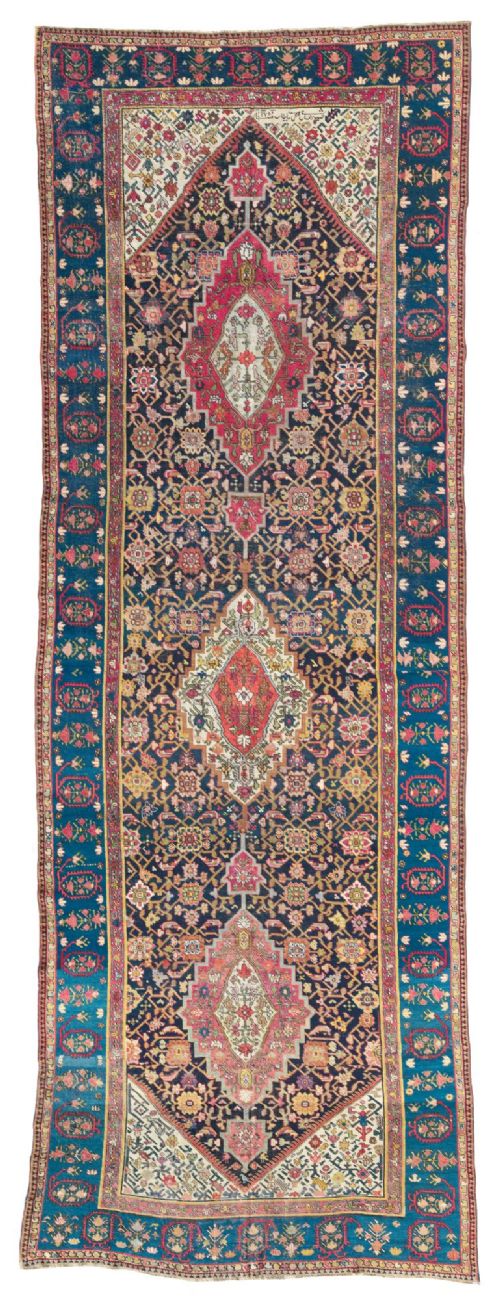
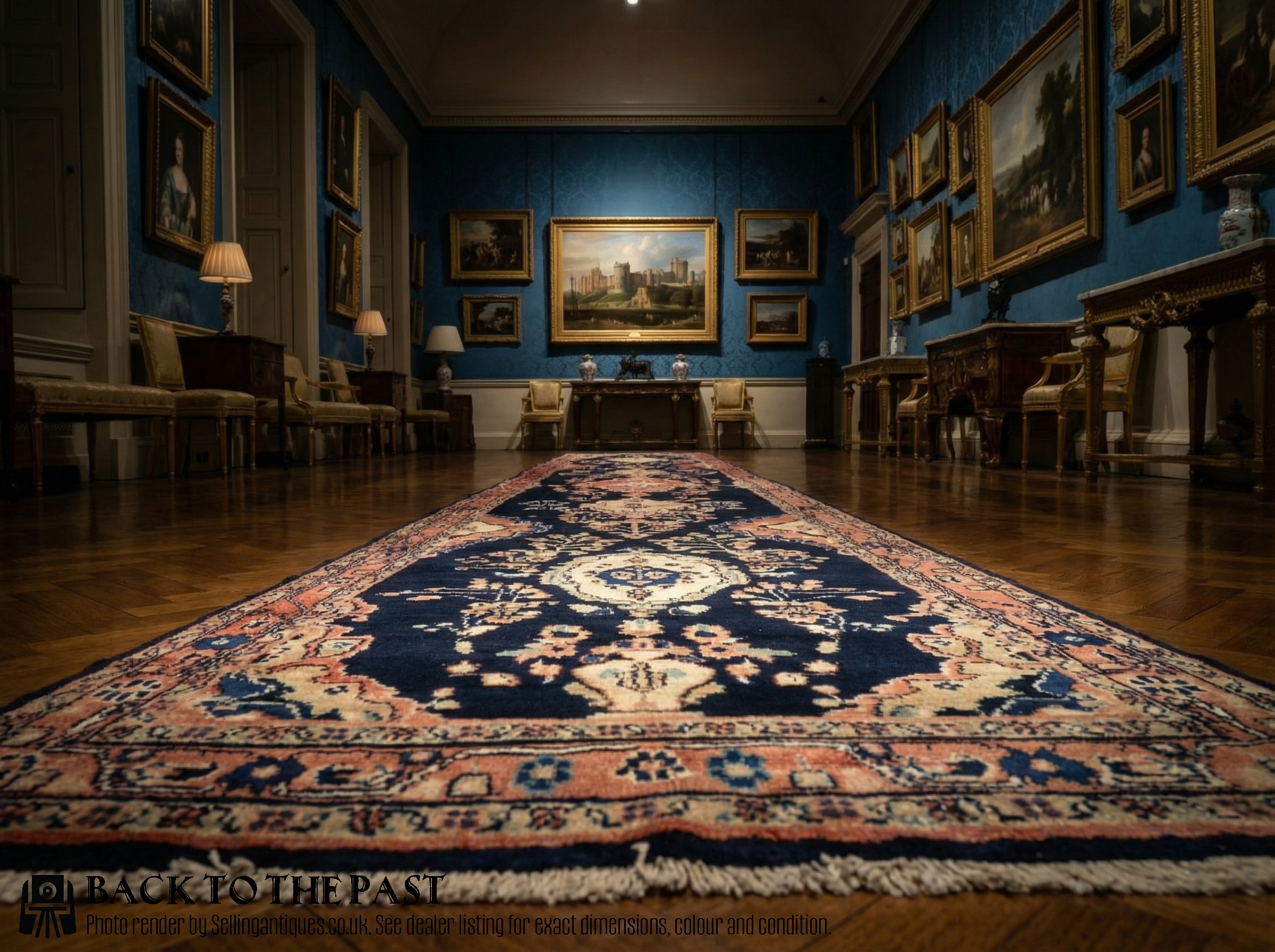
A persian runner rug brings linear geometry and rich traditional artistry to a hallway, drawing the eye along the length of a floor.

Persian Runner Rug
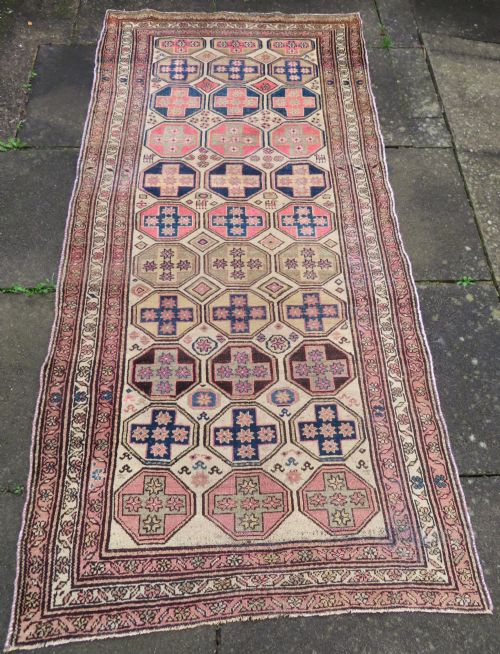
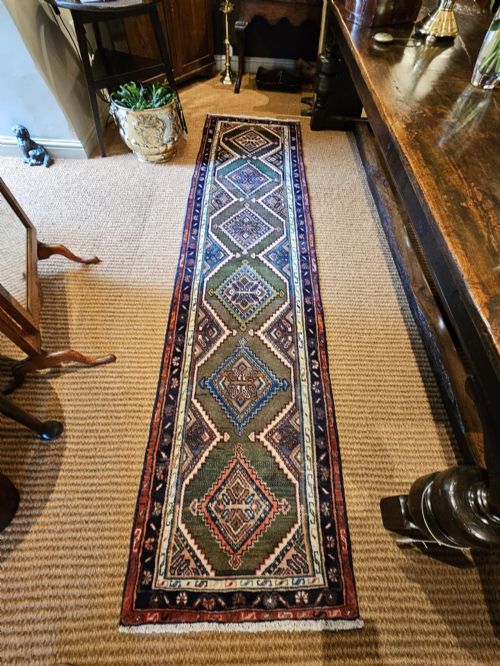
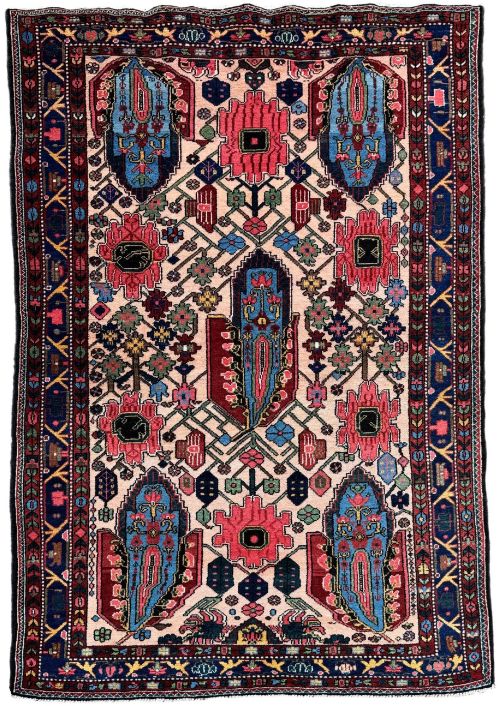
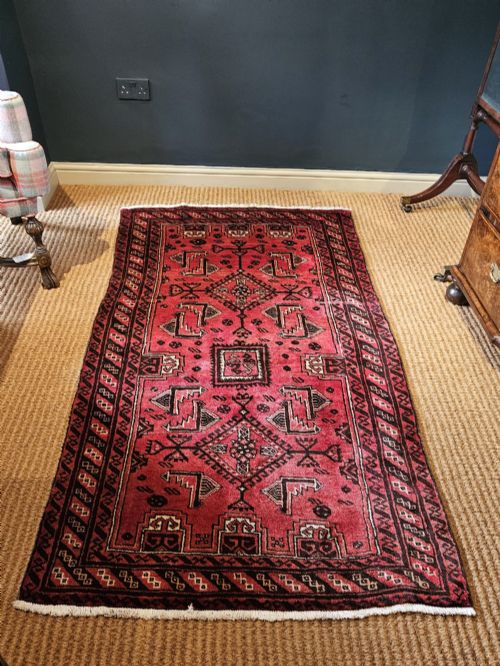
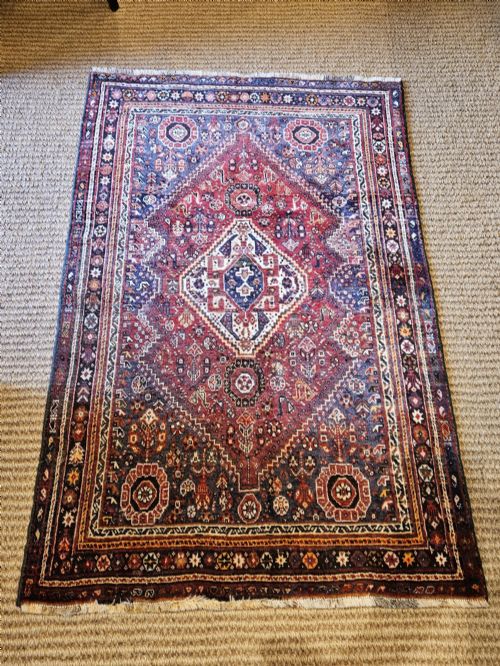
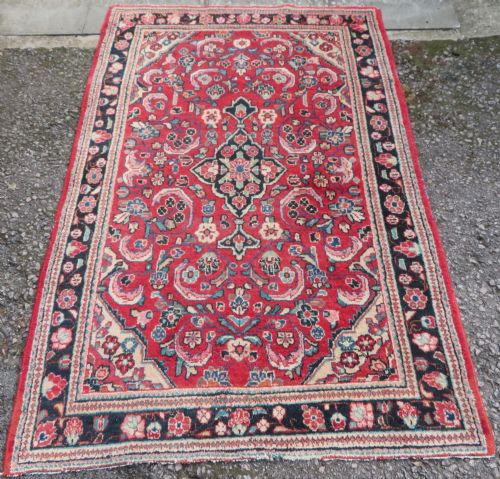
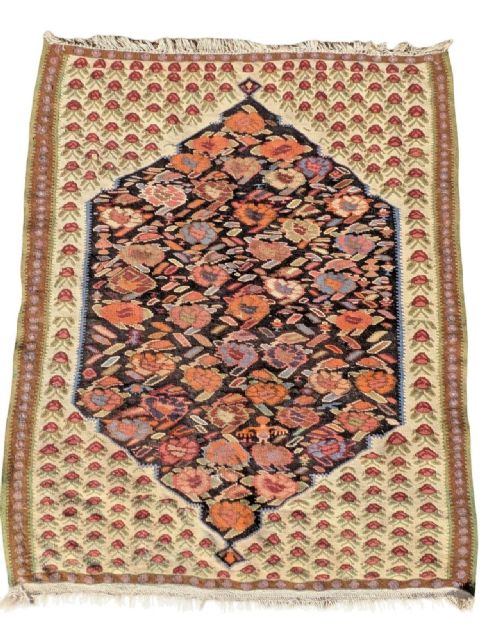
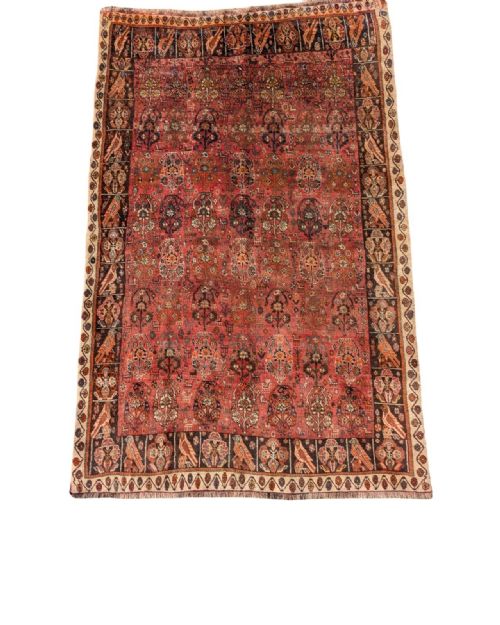
When you search for a persian runner rug, you are looking at narrow, elongated carpets designed specifically for corridors, staircases and long rooms. The pieces available here span from the late nineteenth century through to the interwar decades, taking forms such as tribal long runners and village carpets.
The regional variety is substantial, encompassing workshops and tribal groupings from Heriz, Hamadan, Bidjar, Sarouk and Kurdish districts. These items range from modest hallway lengths exceeding three metres down to compact hearth rugs, all sharing a format dictated by domestic architecture.
How They Were Made
The foundation of these textiles relies upon hand-spun wool and cotton, often utilising natural dyes derived from plants and minerals to achieve deep, enduring tones. Silk also appears in specific regional weaving traditions.
Weavers knotted the pile by hand onto warp and weft threads, incorporating camel hair in certain tribal pieces to provide un-dyed brown and grey contrasts within the geometric patterns.
Persian Runner Rug Retail Price Guide 2026
Typical asking prices for persian runner rug among the pieces listed under this phrase on Sellingantiques today, from the lower quarter to the upper quarter. They describe what is for sale here now, not the wider market.
One exceptional hallway runner stretches an astonishing thirty-two feet long, demanding a very long corridor indeed.
What Varies in Quality
Quality rests upon the density of the knotting and the crispness of the drawing, which dictate how sharply the geometric lattices and floral motifs resolve. Tighter foundations yield greater durability under foot traffic.
The depth and stability of the palette further separate standard examples from exceptional ones, particularly where natural dyes have mellowed evenly across decades of exposure and use.
Saroukh Mahal·Bakhtiar·Heriz·Bidjar·Tabriz
The Persian Runner Rug Glossary
- Runner
- A long, narrow carpet format intended for corridors, hallways and staircases. These pieces measure significantly longer than they are wide to guide movement through a space.
- Knot
- The individual loops of wool, cotton or silk tied to the warp threads that form the pile of the carpet. Higher knot counts generally allow for more intricate patterns.
- Warp
- The vertical threads stretched lengthwise on the loom before weaving begins. The fringe of a finished rug is typically formed from these extended foundation threads.
- Weft
- The horizontal threads passed back and forth across the warp threads between rows of knots. This structure holds the pile firmly in position.
- Natural Dye
- Colouring derived from organic sources such as plants, insects and minerals rather than synthetic compounds. These dyes develop a characteristic soft patina over time.
Persian Runner Rug: Frequently Asked Questions
Where should I place a runner?
These narrow formats suit hallways, landings and corridors where foot traffic benefits from a soft, insulating floor covering. They also anchor long gallery spaces or kitchen islands effectively.
Ensure you measure the clear floor space carefully, leaving an even border of exposed wood or tile around the perimeter of the carpet.
How do I clean a wool rug?
Gentle surface brushing and regular vacuuming without a rotating power head remove grit from the pile before it damages the foundation threads. Professional specialist cleaning remains essential for deep restoration.
Avoid harsh chemical detergents and excessive moisture, which can destabilise natural dyes and weaken hand-spun wool fibres.
Are older rugs durable enough for daily use?
Hand-knotted examples from the nineteenth and early twentieth centuries were constructed for generations of domestic service using sturdy local wool. Their robust knotting handles normal hallway walking comfortably.
Using a quality underlay beneath the piece prevents slipping and cushions the foundation against hard subfloors.
How can I tell regional styles apart?
Districts such as Heriz employ bold geometric medallions and strong architectural framing, whereas Kurdish and Baluch tribal pieces feature repeating guls and intricate lattice work. Analysing the palette and border motifs clarifies the origin.
Examining the flexibility of the foundation and the materials used in the warp and weft provides further clues to the specific weaving community.