

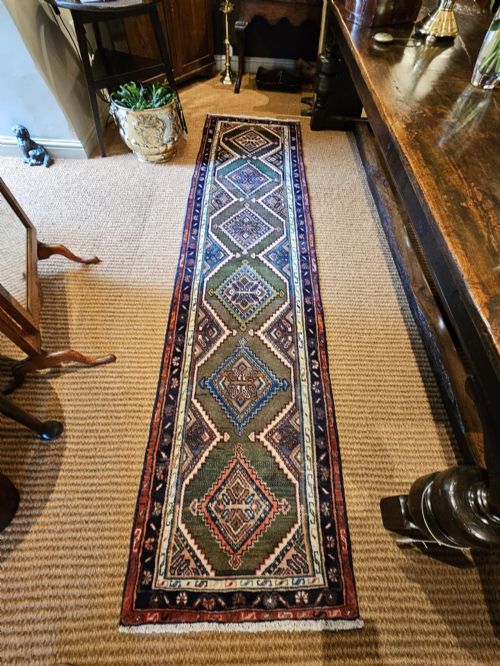



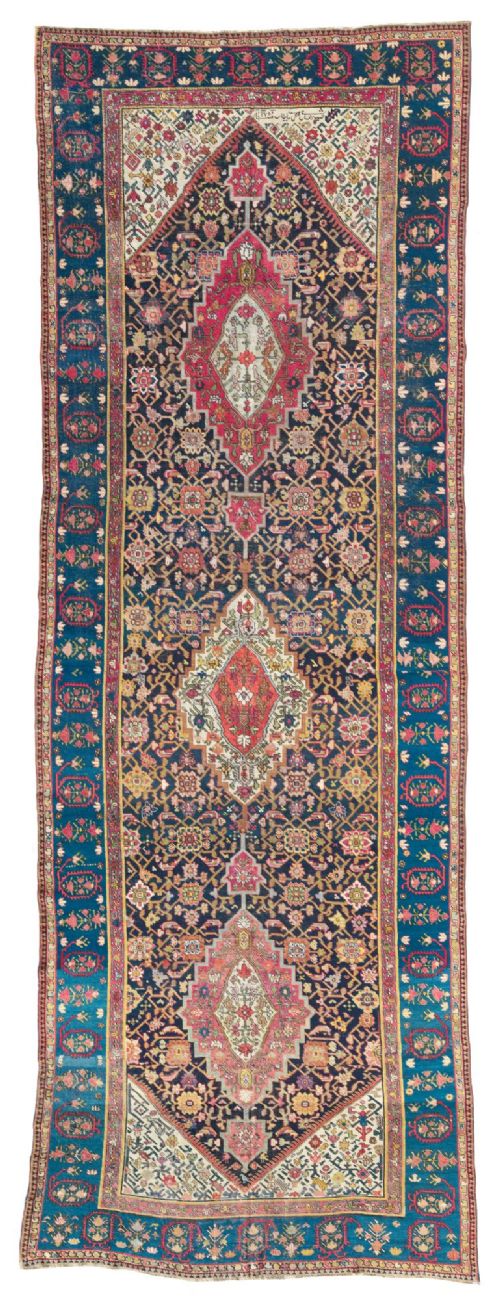
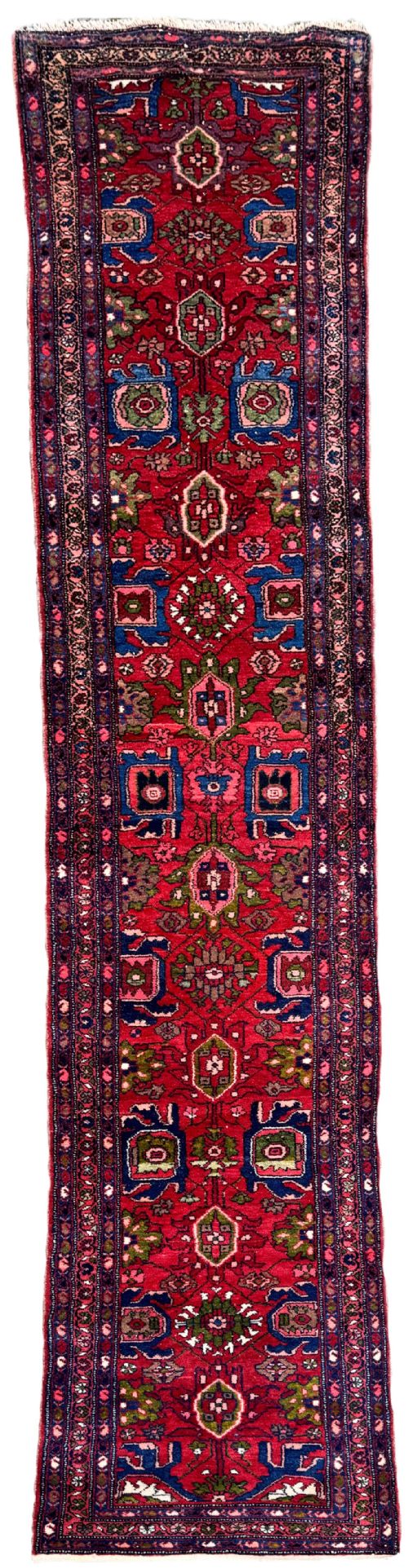
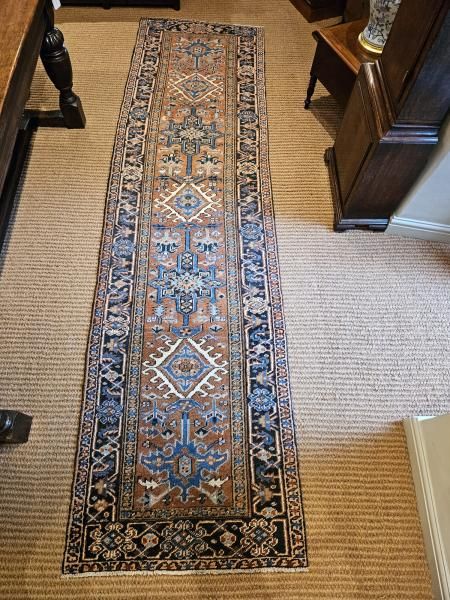

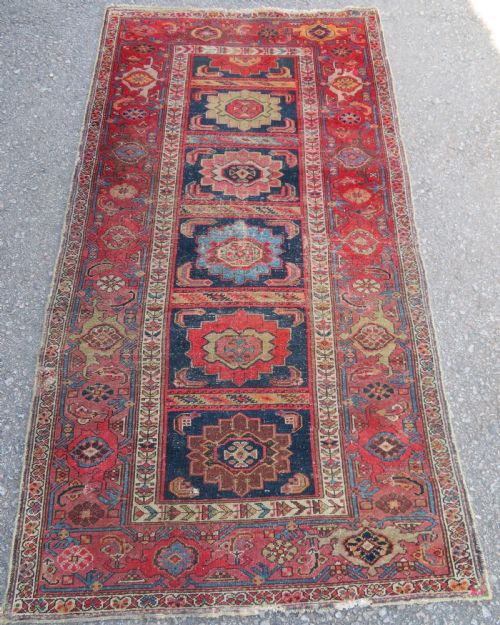
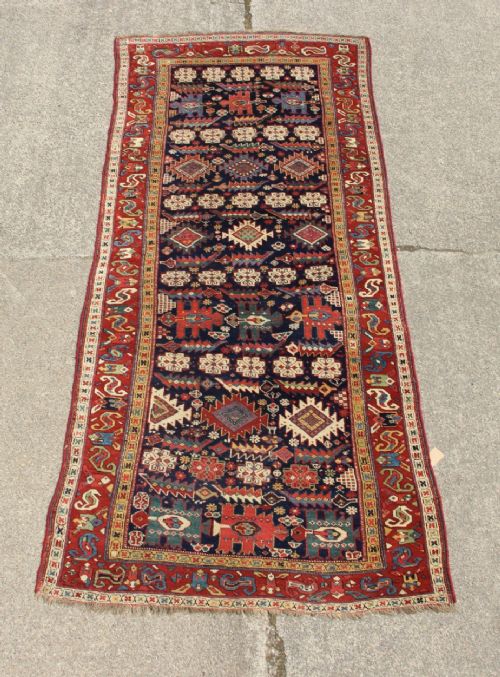

Persian Long Rug
When you search for a persian long rug, you are looking for an elongated woven floor covering that brings character and history to a hallway or landing.
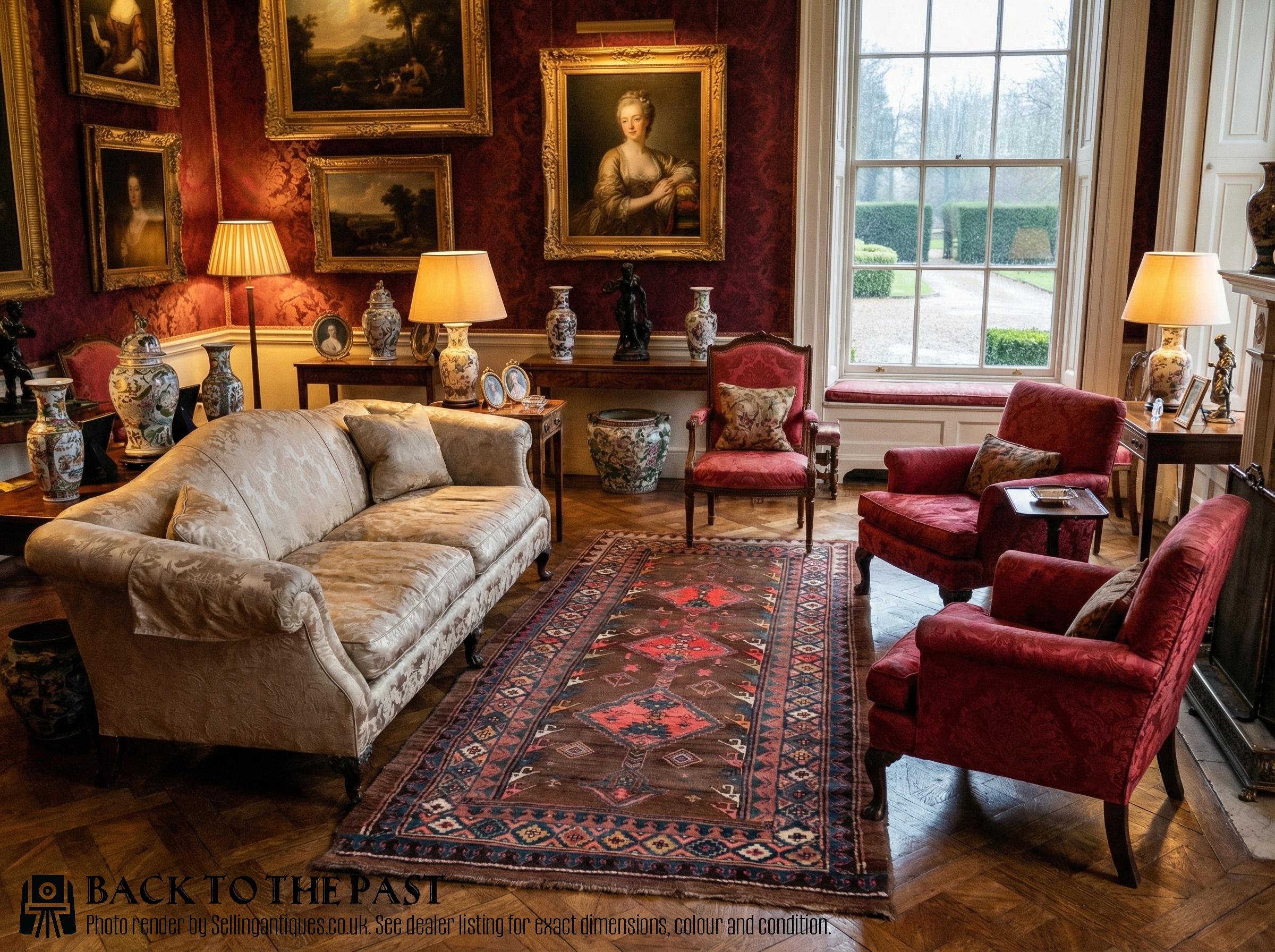
Persian Long Rug
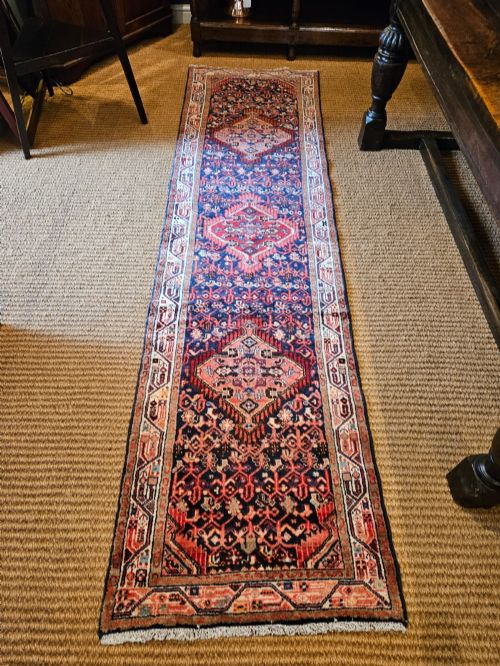
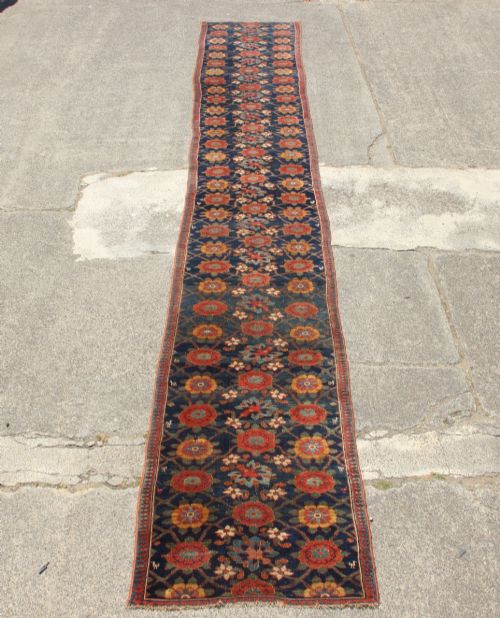
A persian long rug is an elongated woven floor covering designed specifically for corridors, hallways, and large rooms where a narrow format suits the space. These pieces emerge from various regions and nomadic or village traditions, spanning the nineteenth and twentieth centuries.
You will frequently encounter formats originating from specific weaving centres like Heriz, Hamadan, Malayer, and Kurdish districts. These runners and kelleh carpets serve both practical flooring purposes and display regional decorative artistry.
Materials and construction
These textiles are constructed primarily using wool, hand-spun wool, and cotton foundations. Artisans knotted the pile by hand onto warp and weft threads, creating durable surfaces designed for heavy domestic use.
Natural materials and traditional hand-weaving techniques define the structure of these pieces. The combination of wool pile on cotton or wool foundations allows the rugs to retain flexibility while maintaining structural integrity over decades.
Persian Long Rug Retail Price Guide 2026
Typical asking prices for persian long rug among the pieces listed under this phrase on Sellingantiques today, from the lower quarter to the upper quarter. They describe what is for sale here now, not the wider market.
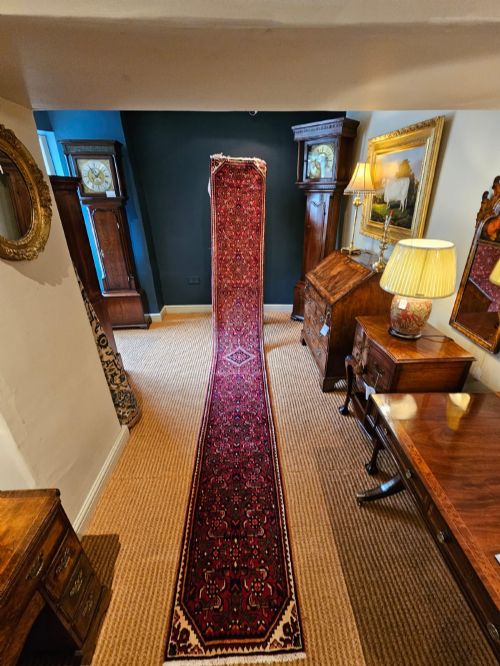
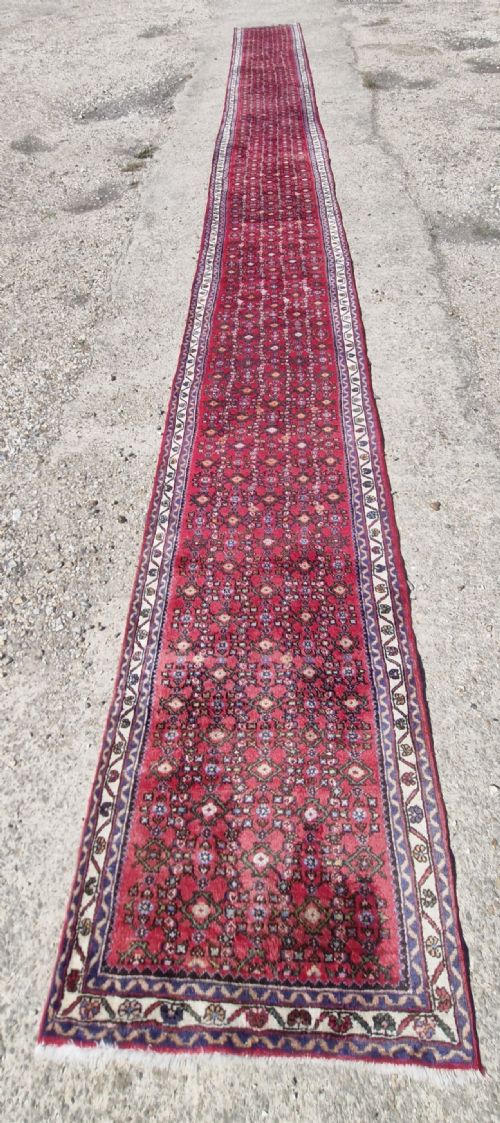
Some runners stretch past thirty feet, proving that historical weavers had exceptionally long hallways in mind.
Factors of quality
The fineness of the knotting and the complexity of the design separate different tiers of these textiles. Pieces with intricate, densely packed patterns and precise execution reflect a higher degree of weaver skill.
The quality of the wool and the depth of the palette also distinguish the work. Softer, lustrous hand-spun wool and well-balanced natural dyes elevate the overall character of the weave.
The Persian Long Rug Glossary
- Runner
- A long, narrow carpet format traditionally used in hallways, corridors, and narrow spaces.
- Kelleh
- A large, room-sized format that is longer than it is wide, often functioning as a grand reception carpet.
- Kurdish
- Pertaining to rugs woven by Kurdish tribes in western Iran, known for sturdy construction and geometric or lattice designs.
- Heriz
- A style originating from northwestern Persia, recognised for bold geometric medallions and robust structural qualities.
- Hamadan
- A major trading and weaving hub in western Persia encompassing numerous surrounding villages that produce diverse runner formats.
Persian Long Rug: Frequently Asked Questions
Where should I place a long rug?
These pieces suit narrow spaces such as hallways, corridors, and entryways where their elongated format fills the floor plan effectively. They also work well alongside large furniture arrangements in long reception rooms.
Ensure the area allows the dimensions of the runner to sit comfortably without curling against skirting boards or doorways.
How do I care for an antique rug?
Regular gentle vacuuming without a rotating brush roll helps remove grit and dust from the wool pile. Professional cleaning suited to antique textiles preserves the fibres and dyes.
Keep the piece out of direct, harsh sunlight to prevent fading of the natural wool colours over time.
What is the difference between a runner and a kelleh?
A runner is typically narrow and elongated, designed specifically for corridors and hallways. A kelleh is a distinct format that is substantially broader while remaining longer than it is wide, often used as a major room carpet.
Both formats share similar village and tribal weaving origins from regions across Persia.
How can I identify the age of a woven rug?
Dating relies on examining the materials, structural characteristics, dye types, and design motifs. Hand-spun wool and specific regional palettes often point towards nineteenth or early twentieth-century production.
Comparing structural details against documented regional weaving traditions helps narrow down the period of manufacture.