




Persian Floral Mat
These persian floral mat examples bring intricate botanical motifs and time-honoured weaving traditions straight to the floor.
Persian Floral Mat
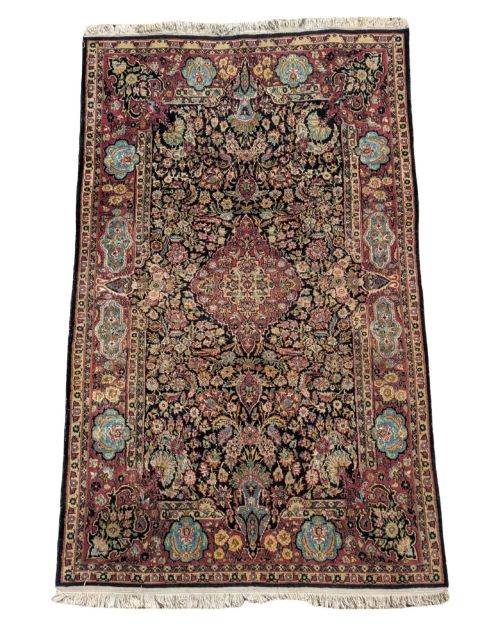
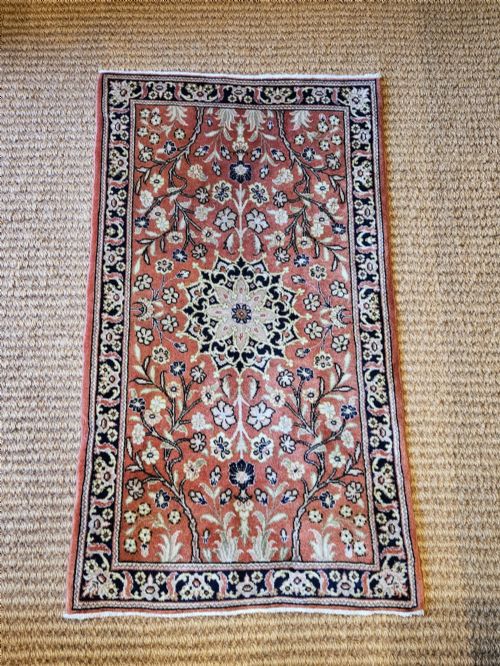
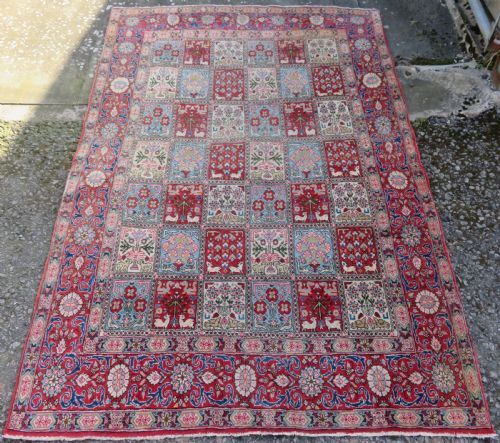
A persian floral mat comprises rugs and carpets originating from diverse regions of Persia, spanning periods from the mid-nineteenth century through to the 1930s. Buyers searching for a persian floral mat will encounter smaller area rugs, hearth-sized pieces, and prayer rugs adorned with botanical patterns.
The selections on this page showcase varied regional weaving traditions, including Kashan, Kirman, Sarouk, Isfahan, and Hamadan village formats. These pieces range from compact floor coverings to elongated runners and room-sized carpets carrying intricate floral vase designs and tile patterns.
Dating primarily from the late nineteenth century up to 1930, these textiles demonstrate the enduring appeal of traditional Persian design. Each piece reflects the specific aesthetic of its origin, whether the refined floral motifs of urban workshops or the geometric village interpretations.
Materials and construction
Weavers constructed these textiles primarily using wool, cotton, and occasional silk highlights, employing hand-knotted techniques suited to detailed botanical compositions. The choice of natural fibre determined the texture, drape, and resilience of each individual carpet.
Workshops and villages utilised durable foundations of cotton or wool to support dense piles rendered in traditional regional palettes. Silk was reserved for highlighting specific details within the intricate floral layouts of urban centres like Isfahan.
Some hearth rugs managed to survive decades of crackling fires while keeping their floral vases entirely intact.
Factors of distinction
Knot density and the precision of the botanical drawing dictate the refinement of individual pieces, distinguishing fine workshop output from village production. Tighter foundations allow for more intricate execution of complex millefleurs and floral vase motifs.
The choice of materials also signals quality, with certain pieces incorporating silk highlights or exceptionally fine wool to elevate the texture. Overall balance in design and the preservation of the original pile condition complete the assessment of standard.
The Persian Floral Mat Glossary
- Prayer rug
- A small format rug featuring a mihrab or niche design used historically for daily prayers. These pieces often incorporate specific floral vase or tree of life motifs.
- Millefleurs
- A pattern style translating to a thousand flowers, densely populating the field with varied botanical elements. This design appears frequently in nineteenth-century Kirman weaving.
- Pile
- The upright yarn loop or cut ends forming the usable surface of the rug. The height and density of this layer affect both the tactile feel and visual clarity.
- Knot
- The individual loops of yarn tied to the warp threads to build the carpet fabric. Higher counts typically permit greater intricacy in floral patterns.
Persian Floral Mat: Frequently Asked Questions
How do I care for a vintage rug?
Vacuum gently without using a rotating brush bar to protect the delicate pile and fringe edges from unnecessary tension.
Keep the textile out of direct sunlight to prevent fading, and consult a specialist rug cleaner for periodic maintenance.
Where were these pieces made?
The pieces originate from various historical weaving centres and villages across Persia, including Kashan, Kirman, Isfahan, and Hamadan.
Each region developed distinct floral patterns and colour palettes influenced by local materials and traditional methods.
What materials are used in them?
Traditional wool and cotton form the primary foundation and pile for the vast majority of these woven textiles.
Selected urban pieces incorporate silk highlights to accentuate specific botanical details within the design.
How can I tell the age of a rug?
Age is assessed through structural characteristics, material wear patterns, dye palettes, and stylistic markers associated with specific decades.
Comparing the knotting style and regional motifs against documented historical examples helps narrow down the production period.